top 97 comments

sorted by: hot top controversial new old
[–] 185 points 1 year ago (19 children)

Here's the thing .. as crazy as a notebook with passwords sounds, it's not accessible to someone across the internet.

  • source
  • hideshow 19 child comments
  • [–] 70 points 1 year ago (10 children)

    Password managers check the URL before giving its data. A human being can be fooled into giving it to a fake web site.

  • source
  • parent
  • hideshow 10 child comments
  • [–] 40 points 1 year ago* (9 children)

    TBF, they can be fooled too.

    Bitwarden warns against using autofill on load for that very reason, as then simply loading a malicious page might cause it to provide passwords to such a site.

    And then, a human when a site doesn't autofill, is more likely to just go "huh, weird" and do it manually.

  • source
  • parent
  • hideshow 9 child comments
  • [–] 18 points 1 year ago*

    You've always got the human element, bypassing security features; but extra little hurdles like a password manager refusing to autofill an unknown url is at least one more opportunity for the user to recognize that something's wrong and back away.

    If you're already used to manually typing in the auth details, you may not even notice you're not on the site you were expecting.

  • source
  • parent
  • [–] 6 points 1 year ago (6 children)

    Wait, what? How does autofill get fooled?

  • source
  • parent
  • hideshow 6 child comments
  • [–] 0 points 1 year ago (5 children)

    Someone manages to maliciously sneak username and password fields onto a site that store what is entered as soon as it's typed. They don't even have to be visible to the user and bitwarden will fill them in as soon as the page loads.

  • source
  • parent
  • hideshow 5 child comments
  • [–] 6 points 1 year ago (4 children)

    Bitwarden will only autofill if the domain matches.

  • source
  • parent
  • hideshow 4 child comments
  • [–] 2 points 1 year ago (3 children)

    Right, "maliciously sneak", as in they've either gained access to make changes to the site ditectly, or they've found a way to inject their scripts to steal creds.

  • source
  • parent
  • hideshow 3 child comments
  • [–] 3 points 1 year ago* (last edited 1 year ago) (2 children)

    And how is that any different from not having a password manager?

    Yes, if someone hijacks a domain they can get credentials intended for that domain. A password manager doesn't make a huge difference here, because why would they make the site look any different than normal?

  • source
  • parent
  • hideshow 2 child comments
  • [–] 0 points 1 year ago (1 child)

    They don't even have to be visible to the user and bitwarden will fill them in as soon as the page loads.

    I guess you didn't read most of the comment.

  • source
  • parent
  • hideshow 1 child comment
  • [–] 4 points 1 year ago*

    No, he did, here's where the confusion is.

    Serinus is asking if the site in question needs to be compromised. In other words, can the attacker compromise a random site to fool your password manager into entering credentials for Gmail.com, or does the attacker have to compromise Gmail.com to do that?

    Because those two attacks are very different levels of complexity.

    And frankly, if someone compromises the site you're actually trying to visit, there's simply no defense against that at all.

  • source
  • parent
  • [–] 2 points 1 year ago

    they can be fooled too.

    Makes it harder: when I go to the wrong website, the manager simply doesn't suggest credentials (it does not have) for it. That causes me to wonder why.

    Without a password manager, a user is never prompted to wonder. They'd simply not notice.

  • source
  • parent
  • [–] 13 points 1 year ago* (1 child)

    Yeah, It's actually quite a secure way to store passwords, since it requires physical access.

    I knew a guy who had a drawer full of slips of paper with passwords written on. He called it the "security drawer". Made me smile, but probably shouldn't have been advertising it.

  • source
  • parent
  • hideshow 1 child comment
  • [–] 7 points 1 year ago (2 children)

    Just maybe don't plaster "THESE ARE MY SECRETS" on the cover. Security through obscurity.

  • source
  • parent
  • hideshow 2 child comments
  • [–] 1 point 1 year ago*

    My mom had a nice little notebook for passwords. But when she passed, we couldn't find it anywhere... We went through the whole apartment, everything.

    Not having her passwords made a lot of things harder, closing her accounts, accessing her laptop, phone, etc. So while you shouldn't advertise it, do tell a few people where to find it if they need to.

  • source
  • parent
  • [–] 2 points 1 year ago*

    INTERNET PASSWORD LOGBOOK is probably a paper slip that you can remove, and then it'll just be a blank leather journal.

    Now a REALLY secure physical logbook would just have the cover of a boring, unremarkable-looking book on the outside.

  • source
  • parent
  • [–] 2 points 1 year ago* (last edited 1 year ago)

    but:

    1. way less convenient to generate dozens and dozens of unique, complex passwords. which means it’s less likely to be used/updated as much as it should be.

    2. not tied into MFA which is an additional layer of security and convenience

  • source
  • parent
  • [–] 74 points 1 year ago (9 children)

    Self hosted and air gapped.

  • source
  • hideshow 9 child comments
  • [–] 18 points 1 year ago (4 children)

    As long as the notebook is in a locked draw I would pass this on an IT Audit.

  • source
  • parent
  • hideshow 4 child comments
  • [–] 12 points 1 year ago (3 children)

    Unfortunately it's a combination lock, and the code is written on a post-it stuck on the front of the drawer.

  • source
  • parent
  • hideshow 3 child comments
  • [–] 62 points 1 year ago (9 children)

    Honestly, a physical password book isn't a bad idea.

    Not accessible via the internet, and in most cases if someone has physical access to your system you're done for anyway.

    The main weakness it has is from a nosey flatmate, spouse, or child in the house.

  • source
  • hideshow 9 child comments
  • [–] 1 point 1 year ago

    The main weakness

    is it's a pain in the ass.

    • Won't generate strong passwords.
    • Won't fill out login forms for me.
    • Manual, slower search and copying (worse for dyslexia).
    • Increases risk of submitting credentials to wrong site/app (especially malicious ones).
    • Increases error of mistyping credentials.
    • More effort to back up & retrieve.
  • source
  • parent
  • [–] 35 points 1 year ago

    Yep. My Dad in his late 70s uses this system and it works great for him.

    People make fun of it, but for people with low tech literacy this is actually far better than having a mish-mash of solutions where some their logins end up automatically saved in iOS on their phone, some are saved in Chrome on the desktop, some are just in their head, they don't know where anything is, and are constantly losing access and resetting credentials all the time.

    And it definitely reduces the burden on me of parental tech support, when its all in the book.

  • source
  • parent
  • [–] 11 points 1 year ago

    My Mum died recently and my step dad is shit with tech, so their password book was invaluable in helping us gain access to her Apple account and her phone. It meant we were able to get to her iCloud passwords, so now we have access to everything.

    So yeah, password books are actually pretty handy.

  • source
  • parent
  • [–] 5 points 1 year ago

    “People can no longer remember passwords good enough to reliably defend against dictionary attacks, and are much more secure if they choose a password too complicated to remember and then write it down.

    We're all good at securing small pieces of paper. I recommend that people write their valuable passwords down on a small piece of paper, and keep it with their other valuable small pieces of paper: in their wallet.

    Obscure it somehow if you want added security: write "bank" instead of the URL of your bank, transpose some of the characters, leave off your userid. This will give you a little bit of time if you lose your wallet and have to change your passwords. But even if you don't do any of this, writing down your impossible-to-memorize password is more secure than making your password easy to memorize.”

    Bruce Schneier - 2005.

  • source
  • parent
  • [–] 2 points 1 year ago (1 child)

    For the majority of my clients who use this kind of system, it is totally dysfunctional.

    Most of the records are incorrect, my guess is that they occasionally reset the password on mobile while the book is inaccessible and then don’t remember to update it in the book later.

    Effective use relies on the user’s understanding of umbrella accounts. I’ve had users have separate written entries for “Office”, “Skype”, “Hotmail”, and “Windows” because they don’t understand those things are all one Microsoft Account.

    As passwords get updated, it can become a mess of crossed out records with new ones squished into the margins. When a someone dies, anything written illegibly can be difficult for surviving family to discern. As the book gets filled out, it can get tricky to keep things alphabetized unless the user provisioned additional empty space between records.

    This system can work great for someone who is meticulous, neat, and organized.

    For your average person, I’ve had better luck solving the problem with a password manager synced to an online account that is protected by MFA and has recovery options that are also protected by MFA.

  • source
  • parent
  • hideshow 1 child comment
  • [–] 2 points 1 year ago

    I’ve had users have separate written entries for “Office”, “Skype”, “Hotmail”, and “Windows” because they don’t understand those things are all one Microsoft Account.

    In fairness to them, I get a new email every month or two from Microsoft letting me know that they merged another account that I didn't ever ask them to.

  • source
  • parent
  • [–] 3 points 1 year ago

    What this book likely doesn't suggest, is to just code the username.

    I have 2FA backup codes in my go bag and nowhere do I write the usernames or even the service if it's important.

    You know your email address. If you lose this in an airport, writing "main email" makes it useless to anyone else.

  • source
  • parent
  • [–] 47 points 1 year ago (6 children)

    Still better than using the same password everywhere and/or saving passwords in an unencrypted text file on your computer somewhere.

    Just not very user friendly.

  • source
  • hideshow 6 child comments
  • [–] 16 points 1 year ago (4 children)

    I'm going back to paper for most things and I don't know man, I think it's more user friendly given the current tech landscape. My paper notebook never changed the interface to add a huge Copilot button.

  • source
  • parent
  • hideshow 4 child comments
  • [–] 1 point 1 year ago (3 children)

    Neither did my laptop, desktop, or phone. I use Linux and GrapheneOS, so I don't deal with most of the nonsense people have been complaining about.

  • source
  • parent
  • hideshow 3 child comments
  • [–] 6 points 1 year ago (2 children)

    Neither did my laptop, desktop, or phone. I use Linux and GrapheneOS

    GrapheneOS is a significantly more complicated and less accessible option for most users compared to a simple paper notebook, which is the context of this post.

    But if you want to go this deep, then yes, maybe your phone using your custom OS never introduced Gemini or Copilot without your will. It is however running a Qualcomm modem firmware you can't control and is phoning home, regardless of your GrapheneOS settings, with your GPS coordinates and other data you can't read, at any time. Don't worry, with tech we can always find a malicious feature that works against the user, regardless of how deep you want to dive.

  • source
  • parent
  • hideshow 2 child comments
  • Sure, there are always things you can't control in a mobile phone because modem manufacturers don't like to give up that control (and I'm sure there are regulatory concerns as well).

    My point is that if you don't want Gemini, Copilot or whatever, you can make choices to avoid them. Each choice has consequences, and some just reveal issues you had ignored up to that point (e.g. your modem issue).

    But why not a paper notebook? For me:

    • easy to lose/forget to pack on trips; can't lose a cloud service
    • paper doesn't have a good backup mechanism
    • can't copy/paste into my devices from a paper notebook
    • I'm much less likely to use good, random passwords with a notebook

    I use Bitwarden, which gives me a lot of convenience, allows me to self-host and iwny data, and encourages me to use really strong passwords.

  • source
  • parent
  • [–] 2 points 1 year ago

    It is however running a Qualcomm modem firmware you can't control and is phoning home, regardless of your GrapheneOS settings, with your GPS coordinates and other data you can't read, at any time.

    Can you expand upon this?

  • source
  • parent
  • [–] 36 points 1 year ago (5 children)

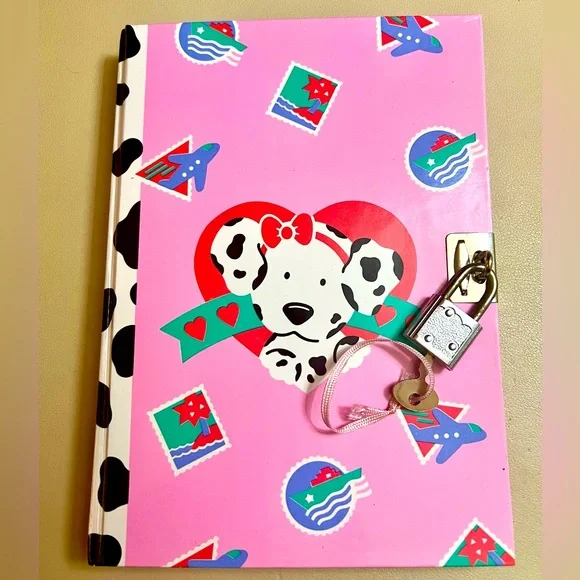
    this is my internet password logbook

    "sanrio spotty dotty diary"

  • source
  • hideshow 5 child comments
  • [–] 28 points 1 year ago (2 children)

    PSA: Home use? That's probably okay. Work use? If you're in-office, this is a ticking time-bomb that can get you fired, one way or another. Use the company 1password or whatever you have access to, please. Thank you.

  • source
  • hideshow 2 child comments
  • [–] 23 points 1 year ago (3 children)

    we might laugh at this but I think this is useful. Even though I wouldn't use something like this and I'd just use a regular dedicated blank notebook and my password manager, it can be useful to people who have problems with computers and can't handle a password manager, yet may give pages with good templates to show how to record sensitive information.

  • source
  • hideshow 3 child comments
  • [–] 3 points 1 year ago

    Or for folks that would be otherwise leaving logins and passwords in a clear text file on their desktop (glares at coworker). It's still clear text, but at least it's air gapped. It's not for me, but it's certainly for someone.

  • source
  • parent
  • [–] 23 points 1 year ago (4 children)
  • [–] 21 points 1 year ago (2 children)

    I should get this for my dad, he recently got a new computer at best buy and the geek squad told him his files were all in the cloud and sent him home. Guess who got a call the next day because "all my passwords are in a word document in some fucking cloud". Yeah that was a fun day spent setting up his computer while listening to his rant about the geek squad and "the fucking cloud".... thanks geek squad....

  • source
  • hideshow 2 child comments
  • [–] 4 points 1 year ago (1 child)

    As a software engineer who values humanity has done a good bit of work with "the cloud", i think your dad has the right set of feelings towards the cloud. That fucking cloud can go get bent

  • source
  • parent
  • hideshow 1 child comment
  • [–] 2 points 1 year ago

    Oh I agree but it would be nice if he'd have listened to me years ago and started using a password manager at least. I know he'll never go full self hosting, but come on at least use Bitwarden!

  • source
  • parent
  • [–] 21 points 1 year ago (2 children)

    Sure, it's a horrible idea in an open office environment but if someone wants to use this at home for all their passwords it really won't hurt anything.

  • source
  • hideshow 2 child comments
  • [–] 4 points 1 year ago* (1 child)

    Especially when helping your parents living in the middle of nowhere.

    Seeing them struggle with the changes happening in the last few decades, makes me worry what I'll be like when i need some young whippersnapper so that I can pay via personal, irrational, conditional thinking.

  • source
  • parent
  • hideshow 1 child comment
  • [–] 2 points 1 year ago*

    makes me worry what I'll be like when i need some young whippersnapper so that I can pay via personal, irrational, conditional thinking.

    Sometimes I share this fear.

    But then I think - I'm on Lemmy, so I think "I'm still hip to new jazz."

    But then I remember that Virtual Reality will (probably) be commonplace someday, and something somewhere will require it - and I know in my heart that I'll complain loudly about it before, during, and after I (demand that my grandchild) use it (for me).

  • source
  • parent
  • [–] 19 points 1 year ago*
    [–] 17 points 1 year ago (2 children)

    That Web Addresses placement is killing me.

  • source
  • hideshow 2 child comments
  • [–] 17 points 1 year ago (6 children)

    This isn't even weird.

    I think most security experts would recommend that you have your most important passwords written down somewhere, and then hopefully locked up in some safe or deposit box somewhere. You don't need to buy an entire book for it, but some people like to spend money.

    If this is for your less important passwords, then for the most part, writing them down is actually better. You won't be as tempted to reuse your banking password for your social media. And some people like writing things down. A password manager is a better solution, but lots of people aren't as good with technology and if they even let the browser remember it, they won't know how to retrieve it later if they want to use a different computer, for example.

  • source
  • hideshow 6 child comments
  • [–] 4 points 1 year ago (2 children)

    My password-manager is a script that gpg-decrypts to XDG_RUNTIME_DIR and then opens it in editor, encrypts back on changes. Is that bad?

  • source
  • parent
  • hideshow 2 child comments
  • [–] 7 points 1 year ago (2 children)

    I have a letter in my safe in the event of my death that contains all my passwords and accounts. I have also slipped in a dead man switch that she's unaware of that will wipe out my "collection of science".

  • source
  • parent
  • hideshow 2 child comments
  • So... It's a password book? Like, pen and paper?Not the best choice for storing passwords, but I'd be more willing to do that than trusting Amazon not to hold my passwords hostage with a digital service by them.

  • source
  • [+] 33 points 1 year ago (4 children)
  • [–] 16 points 1 year ago (2 children)

    It's actually super useful for old people, who sometimes like to "accidentally log off" and stuff.

  • source
  • hideshow 2 child comments
  • [–] 3 points 1 year ago (1 child)

    Or Microsoft who randomly needs to verify someone's identity before they can log into.tgeir computer but the user doesn't have a smart phone. So they need to call someone trusted to have them log into their email from a different computer just to get the code so the user can log into their computer.

    But that also means they didn't have access to any saved passwords so a notebook helps.

    I really should put Linux on her machine but then I have to show her how to do that too. It's a lose-lose so I keep it the same.

    I miss local accounts.

  • source
  • parent
  • hideshow 1 child comment
  • [–] 15 points 1 year ago

    I'd rather people use this than reuse the same password everywhere.

  • source
  • [–] 15 points 1 year ago* (last edited 1 year ago)

    My mother uses something similar to keep track of her passwords for everything. While I prefer a password manager like Bitwarden or Keepass. I would rather her use a note book like this over something like Google or Apples password managers.

    Or even worse, the same password for everything.

  • source
  • [–] 13 points 1 year ago (1 child)

    I save all my passwords in a README.txt file

  • source
  • hideshow 1 child comment
  • [–] 12 points 1 year ago

    I would trust it more than the biometric payment method they’re pushing in Whole Foods

  • source
  • [+] 11 points 1 year ago* (last edited 1 year ago) (1 child)
  • [–] 2 points 1 year ago

    My password logbook caught on fire, and half my passwords were burnt. I lost the other half when I threw a bucket of water on it to put the fire out. 😟

    I can't order food. I can't buy things. I can't get money.

    0/5. Send help.

  • source
  • parent
  • load more comments
    view more: next ›