We won the war but lost the battle... Also this is sure to get sued and challenged as it's a direct discrimination based on sex and title IX prohibits that shit
omarchy
Stupid fucking Nazi dogwhistles. Nobody uses that config-disguised-as-a-distro seriously. Fuck off and die Epic.
Idk bout your area but if you shop around your local dispo's (assuming a legal state) you can still find older strains for sale that lab test under 15%THC. They're way nicer to smoke over longer periods than the industrial 25-30%THC stuff most places push now.
I'm sure Schumer and Jefferies are still going to spend two years trying.
You're not missing much lol. Their headlights are super weirdly positioned and they're a bit too shiny in bright sunlight to be comfortable to look at.
There is a reason the VW is much cheaper with much lower mileage. The saying goes "payments or maintenance", and when your initial purchase price is that low, it's gonna be maintenance. And my God do VAG products have HIGH maintenance costs. Parts are expensive, labor is expensive, and yes they begin having tons of issues around 100k miles/160k km..
Remember your first car is your FIRST. Stop looking at features beyond "does it drive down the road" because at the end of the day, those "nice" features don't matter to get you places. Later in life when you have more free cash you can start looking at niceties, or even modding the car you already have. Right now you need the most rock solid mechanicals you can get and everything else is secondary.
160k km (?) is not high mileage at all in my mind, especially for Japanese built toyotas. Almost everything I own in the US spread across Chevrolet, Honda, Cadillac and Subaru has more than 200k American miles (321k km) and is more than 20 years old, and while they've all needed some wear out maintenance, they all run and drive fine.
You just have to be scrupulous about inspecting whatever you buy. I try to avoid car lots and buy private party sales only. I don't know how Europe is but US used car lots are wretched hellholes that usually are trying to flip damaged auction or repo cars as quickly as possible with high markups. Have a mechanic you trust do a real inspection to the car before purchasing- getting it up on a lift to poke around underneath, dip fluids, and check for hidden damage is ABSOLUTELY critical.
Telco switch buildings are already set up with the power AND the cooling. Old copper phone/DSL switch gear used to be power hungry as fuck.
I still flip off the two or three I see driving around my small town regularly. Fuck em lmao have fun with your zero resale value once Tesla completely drops parts support
That state will be deep read for a very long time.
At least until half of it is under water and it's government collapses lol
Not with that attitude. Legality is a suggestion.
Watch the ranked choice ballots drop the Republican to 3rd place behind one of the other independents
Predictable as always

It is for your own safety.

Two members of the Eugene, Oregon, Police Department in a photo posted to the department’s Facebook page on Aug. 26, 2026. Screenshot: Eugene Police Department via Facebook
How much does it cost to get more information about a cop who punched someone in the face?
If you guessed anything lower than $2.5 million, you’d be wrong — at least according to the city of Eugene, Oregon.
In August, the local news outlet Double Sided Media filed a public records request for records about police officer Justin Peckels, which focused on potential misconduct between 2018 and 2026. Peckels has been the subject of community complaints, including for punching a resident in the face during a traffic stop, making the records vital for oversight and their release clearly in the public interest.
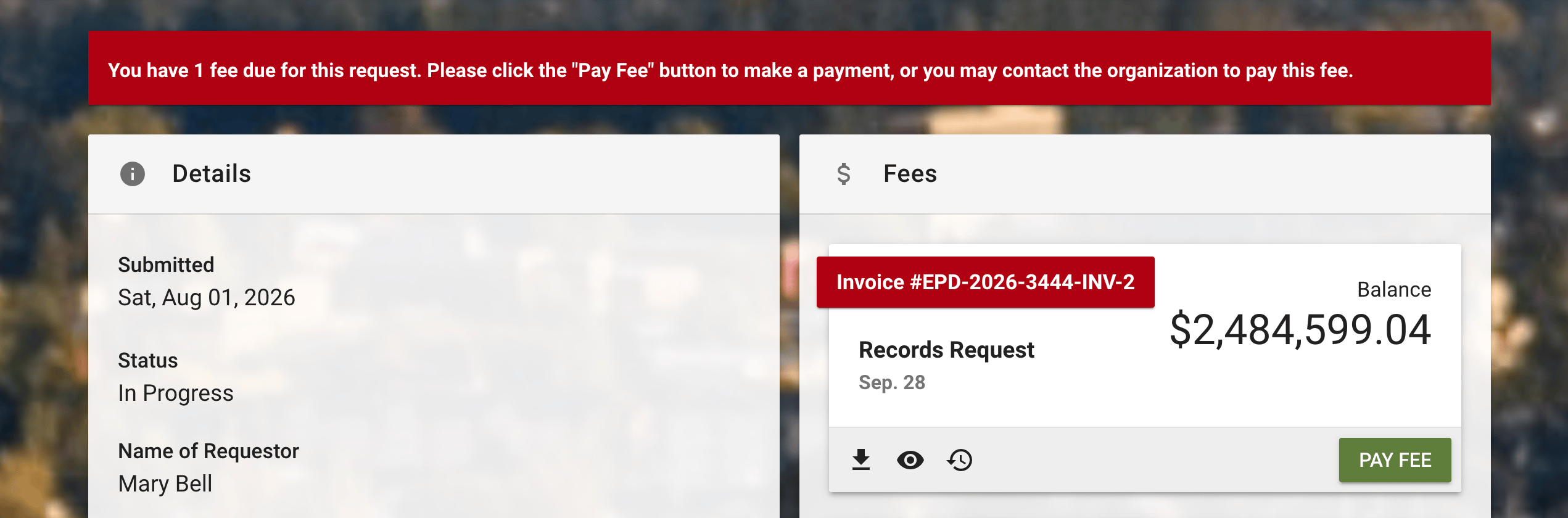
The city’s response is beyond belief. In its response to the request on Monday, the Eugene Police Department claimed searching for records and processing the request would take at least 44,816 hours of staff time and cost approximately $2,484,599.04. (A separate request by the outlet for similar records concerning a former police officer, Eric Klinko, was met with a comparatively modest estimate of $195,869.52, for a grand total of nearly $2.7 million for both requests.)
The open invoice by the City of Eugene, Ore. dated Aug. 1, 2026, in response to Double Sided Media’s request for public records relating to a police officer accused of misconduct. Screenshot: City of Eugene
“Once the City receives payment of $2,484,599.04 staff will continue processing your request,” the letter from the department’s public records division read. “If the actual cost of processing your request exceeds the amount you have paid the City, you will be required to pay the difference before the City will provide the records you have requested.”
Peckels’s file is either the largest in the world, or city officials have intentionally maintained their databases in such a way as to ensure fulfilling public records requests is prohibitively expensive. The city’s response points, at a minimum, to the latter. It justified the multimillion-dollar price tag by claiming it couldn’t narrow the custodians whose records it would need to search, despite the targeted nature of the request, and maintained it must search all records of all city employees, past and present.
By that logic, if someone ever worked in Eugene’s parks and recreation department, their records could contain responsive information about police misconduct, and must be manually pulled and reviewed, one by one.
This goes far beyond incompetence. It’s an intentional effort to make a response artificially voluminous — and cost prohibitive — to intimidate the journalist into dropping it entirely.
Normally, agencies are required to search the specific custodians most likely to possess responsive records, not every groundskeeper or clerk on the city payroll. If the city were acting in good faith, officials would have asked Double Sided Media to help them identify the most likely record-holders, not take it upon themselves to cast a citywide dragnet as its first step.
What makes Eugene’s money-grab particularly galling is its technology double standard. While it apparently can’t invest in efficient search software, the police department recently signed a two-year $342,000 contract for nearly 60 AI-powered Flock automated license plate readers. This project was so secretive that the ACLU of Oregon had to sue the city for records about how the cameras were being used and demonstrates, among other inclinations, the city’s eagerness to employ sophisticated software to deploy against residents.
Yet that technological sophistication disappears as soon as a journalist requests public records about the department’s internal accountability process, and simple keyword searches are suddenly cumbersome.
For small newsrooms, a $2.5 million invoice is effectively a gag order that was never actually about covering costs, but bullying the requester to drop their inquiry.
Troublingly, Eugene’s $2.5 million bill is not an anomaly.
In 2015, the Department of Defense told a Freedom of Information Act requester, who was asking for records on tools used to preserve data on seized devices, that fulfilling their request would take 15 million hours and cost $660 million.
The same year, the Drug Enforcement Administration told a requester it would cost $1.46 million for records about the DEA’s role in the search and capture of the Mexican cartel boss Joaquin “El Chapo” Guzman.
In 2019, the Army tried to charge $300,000 to release military base water test results for the presence of toxic chemicals. The Army agreed to waive the exorbitant fee after facing intense backlash.
The list goes on and on.
Luckily, records requesters seeking federal documents have a defense against these capricious invoices. Recent FOIA amendments aim to ensure if an agency misses its response deadlines, it can’t charge most fees.
At the local level, however, these protections disintegrate. While Oregon grants agencies the discretion to reduce fees when the disclosure would benefit the public, agencies routinely ignore these provisions.
[
Related
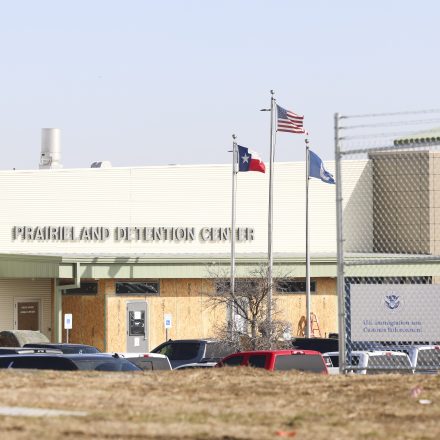
The Intercept Sues Texas City Over Refusal to Release Police Records on Prairieland Protest](https://theintercept.com/2026/09/29/intercept-sues-police-prairieland-ice-public-records/)
For small newsrooms like Double Sided Media, a $2.5 million invoice is effectively a gag order that was never actually about covering costs, but bullying the requester to drop their inquiry (all while Eugene Police Department launches its own “press” initiative to document its policing). It also sets the precedent for using this chilling tactic on any journalist or watchdog as it sees fit.
[
Read our complete coverage
Chilling Dissent ----------------](https://theintercept.com/collections/chilling-dissent/)
Double Sided Media is rightly appealing the fee estimate, and it should prevail. But cities like Eugene will continue these efforts unless lawmakers across the country force agencies to adopt fee caps, mandate public-interest fee waivers for journalists, and require agencies to procure software that allows them to respond to records requests in an efficient and timely manner.
Until then, police departments will likely continue to issue multimillion-dollar ransoms for their records — weaponizing the public’s right to know into another avenue for police to operate with impunity.
The post Oregon Police Are Charging a Local News Outlet $2.5M for Records About One Cop appeared first on The Intercept.


From The Intercept via This RSS Feed.

view more:
next ›