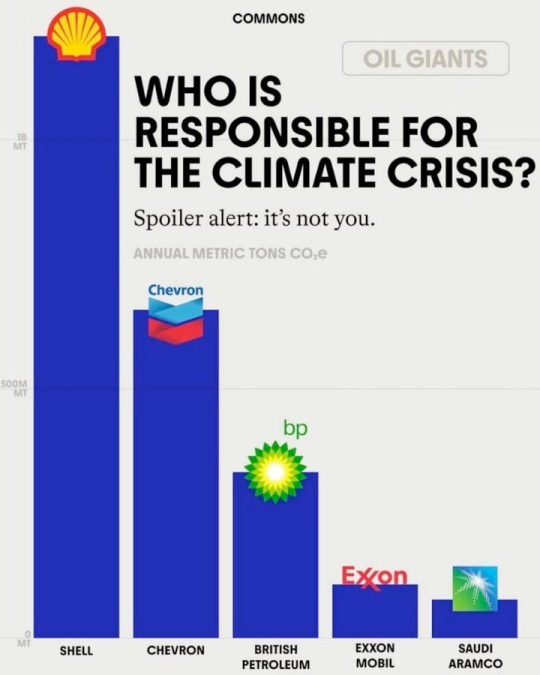
▲ 1154 ▼ take their money and arrest those responsible (feddit.org) submitted 3 months ago by FoxtrotDeltaTango@sh.itjust.works to c/science_memes@mander.xyz 264 comments fedilink hide all child comments cross-posted from: https://feddit.org/post/1097575
[–] SatansMaggotyCumFart@piefed.world 22 points 3 months ago (54 children) Who buys and burns most of the fuel they create and why? permalink fedilink source hideshow 54 child comments replies: [–] kayzeekayzee@lemmy.blahaj.zone 15 points 3 months ago (2 children) Wouldn't be us if they hadn't lobbied for decades against renewables permalink fedilink source parent hideshow 2 child comments replies: [–] a comment that isn't shown here: deleted, from someone you've blocked, or on another page. view the thread from it replies: [–] kayzeekayzee@lemmy.blahaj.zone 7 points 3 months ago How am I wrong? permalink fedilink source parent load more comments (1 reply) [–] wander1236@sh.itjust.works 10 points 3 months ago (4 children) You say this like buying only from sustainable companies is something everyone can just decide to do, and there haven't been decades of lobbying and propaganda against policy that would make it possible at a collective level. permalink fedilink source parent hideshow 4 child comments replies: [–] a comment that isn't shown here: deleted, from someone you've blocked, or on another page. view the thread from it replies: [–] psx_crab@lemmy.zip 4 points 3 months ago* (2 children) I'm not gonna ride 50km round trip daily to work on my labour job. I mean i technically can and did with my ebike, but as someone with the lack of time, the time loss is really significant. The thing about your opinion is, you're assuming everyone work 5km away from home, or can reach it just crossing the street, but the reality of what we're in now, is people often live far from their job because the rent is (significantly) cheaper, room is bigger, and they already have a car, and have near zero public transit availability. There's many lazy people who wouldn't walk 500m, but there's even more people who aren't given a chance to pick their mode of transport. permalink fedilink source parent hideshow 2 child comments replies: [–] a comment that isn't shown here: deleted, from someone you've blocked, or on another page. view the thread from it replies: [–] psx_crab@lemmy.zip 3 points 3 months ago* Round trip, that's 25km one way. And i don't decide that. If i were to live near my workplace, house will cost 3 times more, and rent will be doubled than what i paid monthly for my house loan. If i have the money, i would definitely live in the city, but i don't. Not everyone born and live in a paradise where rent is cheap and public transport is everywhere you know. permalink fedilink source parent load more comments (1 reply) load more comments (1 reply) [–] quill7513@anarchist.nexus 28 points 3 months ago (10 children) "there is no ethical consumption under capitalism" has to me always been a clear call to reduce your consumption within a capitalist system. yes, it is these shit heads who shackle us. but when we reduce our dependence on them we begin the breaking of our bonds to a system that kills thousands every year permalink fedilink source parent hideshow 10 child comments replies: [–] ChilledPeppers@lemmy.dbzer0.com 2 points 3 months ago (7 children) No ethical consumption under capitalism, I scream, at my local farmers market. (Made up quote btw). But yeah, fuck oil companies, they are real fuckers. permalink fedilink source parent hideshow 7 child comments replies: [–] quill7513@anarchist.nexus 2 points 3 months ago (6 children) Farmer's markets, co-ops, and mutual aid all exist as forms of resistance to capitalism purely by making sure your dollars go to people within your community rather than get captured by the modern company store through Wal-Mart or Target. At the same time though, they are also not everything. It's a whole thing. Nothing anywhere is or can be perfect. The best we can do is the best we can do. I know that sounds like a thought terminating cliche but sometimes it's important to set aside the things you can't control and to focus on the things you can and have faith that the more people that do that the easier it will become to resist the horrors that surround us all permalink fedilink source parent hideshow 6 child comments replies: [–] ryannathans@aussie.zone 9 points 3 months ago (5 children) How is a farmers market a resistance to capitalism? It's in the very sprit of capitalism to increase efficiency and remove the middle man permalink fedilink source parent hideshow 5 child comments replies: [–] Tlaloc_Temporal@lemmy.ca 5 points 3 months ago Increasing efficiency isn't capitalism; letting those with capital decide is capitalism. If you exclude capital and just do the thing directly, you're resisting capitalism. permalink fedilink source parent [–] quill7513@anarchist.nexus 3 points 3 months ago most farmer's markets where i am have a heavy emphasis on community building and resiliency as well as income stabilization for vulnerable people with the bank's sword of Domacles hanging over them. of the three i mentioned, they are the weakest form of resistance but they still have a role to play, which is why Granges put so much work into making sure they are available to non members of the grange permalink fedilink source parent [–] nsrxn@lemmy.dbzer0.com 2 points 3 months ago (2 children) capitalism is a way of organizing society such that the means of production are owned by private interest, and the working class is employed by the owners to produce goods. a farmer working their own land is not actung as a capitalist. permalink fedilink source parent hideshow 2 child comments replies: [–] SatansMaggotyCumFart@piefed.world 0 points 3 months ago (1 child) A farmer farming their land and sell it is absolutely participating in capitalism and moreso if they hired farm labor. permalink fedilink source parent hideshow 1 child comment replies: [–] nsrxn@lemmy.dbzer0.com 2 points 3 months ago if they have hired labor, that does change the analysis, but selling the product of your own labor is not capitalism. permalink fedilink source parent [–] JcbAzPx@lemmy.world 1 point 3 months ago (1 child) So I should starve to death so that the multinational conglomerates never have to face any consequences? Miss me on that one. permalink fedilink source parent hideshow 1 child comment replies: [–] quill7513@anarchist.nexus 2 points 3 months ago this is in fact the opposite of what i'm saying permalink fedilink source parent [–] TheOubliette@lemmy.ml 5 points 3 months ago (16 children) Industry that produces commodities for sale in rich Western countries. Industry, military, and direct individual consumption in rich Western countries. The cause of this is not individual consumer choices, it is capitalism - it seeks to increase capital and nothing else. Capital does not care about the emissions of growing fruit in Central America, packaging in Thailand, and selling in Germany. It cares that you buy the fruit cup for more than they spent on it. And to make that happen, capital had to force wages and production to be depressed and scattered across the globe. And it's not going to waste money on making the processes themselves independent of fossil fuels so long as fossil fuel prices are low enough - and it keeps them low by constantly seeking more extraction for profit. permalink fedilink source parent hideshow 16 child comments replies: [–] a comment that isn't shown here: deleted, from someone you've blocked, or on another page. view the thread from it replies: [–] TheOubliette@lemmy.ml 3 points 3 months ago (14 children) If you want to have a conversation you'll need to reply to what I actually said. permalink fedilink source parent hideshow 14 child comments replies: [–] SatansMaggotyCumFart@piefed.world 0 points 3 months ago (13 children) I chose to explain to you why your comment failed to reply to what I said. permalink fedilink source parent hideshow 13 child comments replies: [–] TheOubliette@lemmy.ml 2 points 3 months ago (12 children) My comment directly replied to what you said. I numbered the bullet points, literally the first thing I wrote. permalink fedilink source parent hideshow 12 child comments replies: [–] SatansMaggotyCumFart@piefed.world 1 point 3 months ago (11 children) But you're defending consumer's choices to destroy the environment so you aren't replying to what I said you're replying to what you want me to say. permalink fedilink source parent hideshow 11 child comments replies: [–] TheOubliette@lemmy.ml 1 point 3 months ago (10 children) Your question was, "Who buys and burns most of the fuel they create and why?" and I answered it and explained how it works. It's mostly industry The answer is absolutely not simply "consumer choice", which is quite clear if you review my simple 2-point list. Here I'll write it again: Industry that produces commodities for sale in rich Western countries. Industry, military, and direct individual consumption in rich Western countries. The cause of this is not individual consumer choices, it is capitalism - it seeks to increase capital and nothing else. Capital does not care about the emissions of growing fruit in Central America, packaging in Thailand, and selling in Germany. It cares that you buy the fruit cup for more than they spent on it. And to make that happen, capital had to force wages and production to be depressed and scattered across the globe. And it’s not going to waste money on making the processes themselves independent of fossil fuels so long as fossil fuel prices are low enough - and it keeps them low by constantly seeking more extraction for profit. permalink fedilink source parent hideshow 10 child comments replies: [–] SatansMaggotyCumFart@piefed.world 1 point 3 months ago* (9 children) Industry makes it for consumers to consume. Consumer choice doesn't enter the equation consumers consuming does. permalink fedilink source parent hideshow 9 child comments replies: [–] TheOubliette@lemmy.ml 1 point 3 months ago (8 children) Industry makes it under the expectation to turn a profit. Overproduction is common and so is wasteful or pointless production. It doesn't even need to be "consumed" so long as they get paid. The US military constantly blows up "leftover" materials to ensure they get the same budget next year, for example. And most sales are between industries. How efficiently are those industries using all their purchases? Have you ever worked in a restaurant? If consumer choice doesn't enter the equation then you've proved my point. Focus should be on the system itself that forces emissions as part of core economic activity. permalink fedilink source parent hideshow 8 child comments replies: [–] SatansMaggotyCumFart@piefed.world 1 point 3 months ago (7 children) Shell doesn't manufacture, store and blow up excess fuel and oil. permalink fedilink source parent hideshow 7 child comments replies: [–] TheOubliette@lemmy.ml 1 point 3 months ago (6 children) Shell does manufacture excess fuel and oil. Where else does it come from? Shell does store fuel and oil including for the US military. Shell isn't blowing up the "leftover" US military materials sure. Why does that matter here? permalink fedilink source parent hideshow 6 child comments replies: [–] SatansMaggotyCumFart@piefed.world 1 point 3 months ago (5 children) Shell manufactures enough for consumers to buy or for industry to buy so they can produce things and transport them for the consumer to buy. They don’t just manufacture excess fuel and oil to blow up like your previous comment alluding to. permalink fedilink source parent hideshow 5 child comments replies: [–] TheOubliette@lemmy.ml 1 point 3 months ago (4 children) Shell manufactures to produce a profit it doesn't care who buys unless it is perceived as maximizing profit. Downstream costumers are companies, militaries, and individuals. Shell doesn't care whether fuel is considered excess by a military. If excess fuel is used by the military to destroy something Shell manufactured it to do that. I think you're missing the point. permalink fedilink source parent hideshow 4 child comments replies: [–] SatansMaggotyCumFart@piefed.world 1 point 3 months ago (3 children) I'll be honest with you I feel like you're too hellbent on inserting 'capitalism bad' into this conversation to ever get the point I'm trying to make. I don't think there's much point continuing this. permalink fedilink source parent hideshow 3 child comments replies: [–] TheOubliette@lemmy.ml 1 point 3 months ago (2 children) You're concerned that I'm focusing too much on capitalism in the global GHG discussion where you asked lazy questions to point fingers at consumers? lmao. I'm not the reason you're not engaging in good faith in this conversation. Gotta get over this habit of blaming others for your personal disinterest. permalink fedilink source parent hideshow 2 child comments replies: [–] SatansMaggotyCumFart@piefed.world 1 point 3 months ago (1 child) The narrative you're promoting right now that individuals are blameless because it's all the government/industry/capitalism's fault is not helpful. permalink fedilink source parent hideshow 1 child comment replies: [–] TheOubliette@lemmy.ml 1 point 3 months ago The narrative you’re promoting right now that individuals are blameless I'm gonna write this out a third time and bold something. Let's see if you can pick up on it this time. Industry that produces commodities for sale in rich Western countries. Industry, military, and direct individual consumption in rich Western countries. This was literally the first thing I wrote to you by the way. because it’s all the government/industry/capitalism’s fault Actually capitalism is the social system that ties it all together and is inherently part of industrialization, i.e. the production of virtually all excess GHGs we are talking about, and I've explained all of this to a decent degree but you have refused to engage with it even once. Pretending like it isn't the elephant in the room is foolish. is not helpful Correctly identifying primary root causes is actually the most helpful thing to start with. Then we can talk action. permalink fedilink source parent load more comments (1 reply) [–] faintwhenfree@lemmus.org 24 points 3 months ago (6 children) I always hate that most people are happy to blame corporations, forgetting we are consuming that's why corporations are creating. permalink fedilink source parent hideshow 6 child comments replies: [–] 14th_cylon@lemmy.zip 24 points 3 months ago (3 children) yeah, it is like blaming china for a pollution, when that pollution is externality of cheap shit we buy from them. it is our pollution in the end. that isn't an argument for blaming the end consumer, because that problem is not going to be solved from the bottom, but it is also childish to pretend like we, the consumers, are not complicit. permalink fedilink source parent hideshow 3 child comments replies: [–] GreyEyedGhost@piefed.ca 8 points 3 months ago (1 child) You should read Terry Pratchett's Boots Theory. Many people don't have the option to pay more up front to consume less, if there is even an option to buy a more expensive but longer-lasting item in a given market any more. permalink fedilink source parent hideshow 1 child comment replies: [–] 14th_cylon@lemmy.zip 2 points 3 months ago Many people don’t have the option well many do and they will buy cheap shit anyway. and i am not talking about boots, i am talking about people who have a dog, which is clearly non-essential expense, and they buy him shitty toy from temu. is that rubber toxic? who knows, who cares, look how cheap it is! permalink fedilink source parent [–] TrickDacy@lemmy.world 4 points 3 months ago Well said permalink fedilink source parent [–] TrickDacy@lemmy.world 3 points 3 months ago (1 child) I agree. It's obvious to me that it will never be a tidy "it's just them to blame" scenario but people really want it to be, regardless. I suspect the downvote crew will show up soon... permalink fedilink source parent hideshow 1 child comment replies: [–] SatansMaggotyCumFart@piefed.world 7 points 3 months ago The corporations blame the consumer, the consumer blames the corporations and everyone gets to consume and profit blamelessly. permalink fedilink source parent [–] arctanthrope@lemmy.world 7 points 3 months ago (7 children) because not purchasing anything that is produced or transported with energy from fossil fuels means fucking off into the woods to starve to death naked in a hut made of mud and twigs permalink fedilink source parent hideshow 7 child comments replies: [–] TheMightyCat@ani.social 6 points 3 months ago (5 children) As if there is nothing in between "don't do anything" and "go live in the woods" permalink fedilink source parent hideshow 5 child comments replies: [–] sparkyshocks@lemmy.zip 5 points 3 months ago (1 child) Exactly. Cutting out all net resource consumption is really difficult, but almost all of the difficulty tends to come in the second half. The first half is worth doing. Somewhat counterintuitively, switching from a 15 mpg vehicle to a 20 mpg vehicle (and driving the same number of miles) represents a greater reduction in fuel consumption compared to switching from 20 mpg to 30 mpg. Side note, this is also why we probably should've always been talking about fuel consumption per unit distance rather than distance per unit fuel, but it's hard to change the conventions around this. So there are a ton of examples of products that use far more or less energy than alternatives, or simple changes in time of day that can make a huge difference in fossil fuel demand. permalink fedilink source parent hideshow 1 child comment replies: [–] Waraugh@lemmy.dbzer0.com 1 point 3 months ago* I understand and agree with your general point, I don’t believe it’s counter intuitive but accept than many people do. In any case, you used range distance disparities too close together to be accurate with a shift from a 5 to 10 mpg split. I'll just covert to a unit per distance, as you referenced (gallons per 100 miles): 15 mpg = 6.67 gallons per 100 miles 20 mpg = 5 gallons per 100 miles 30 mpg = 3.33 gallons per 100 miles 40 mpg = 2.5 gallons per 100 miles As calculated upgrading from 15 mpg to 20 mpg would take 1.67 fewer gallons to go 100 miles while upgrading from 20 mpg to 30 mpg would also take 1.67 fewer gallons to go 100 miles. Upgrading from 30 mpg to 40 mpg would only further reduce fuel required to go 100 miles by 0.83 gallons. Again, I agree with your broader point, 15 to 20 being the same improvement as 20 to 30 is likely just as impactful and also accurate. permalink fedilink source parent [–] arctanthrope@lemmy.world 5 points 3 months ago (2 children) if there's a minimum amount of consuming fossil fuels that's required to continue to live in society, and the goal is to eliminate that, then we need change on a societal level. individuals alone cannot solve the problem, and therefore cannot be blamed for the problem existing permalink fedilink source parent hideshow 2 child comments replies: [–] TheMightyCat@ani.social 7 points 3 months ago Sure there probably is a minimum somewhere, but most people are far above that minimum. permalink fedilink source parent [–] Grail@multiverse.soulism.net 2 points 3 months ago I'm vegan and carfree. I'm probably closer to that minimum than most people in this thread. I looked up the stats once and saw that the average American produces ten times as much CO2 as the average Congenese person. Imagine that, ten times. If you're an average American, you can reduce way more of your emissions than that average Congenese person can! If you eat meat and drive a car, you've got so much opportunity for growth! permalink fedilink source parent load more comments (1 reply) [–] nsrxn@lemmy.dbzer0.com 1 point 3 months ago (2 children) governments and industry permalink fedilink source parent hideshow 2 child comments replies: [–] SatansMaggotyCumFart@piefed.world 1 point 3 months ago (1 child) Who buys and burns most of the fuel they create and why? permalink fedilink source parent hideshow 1 child comment replies: [–] nsrxn@lemmy.dbzer0.com 1 point 3 months ago industry is speculating. governments are oppressing people. permalink fedilink source parent
[–] kayzeekayzee@lemmy.blahaj.zone 15 points 3 months ago (2 children) Wouldn't be us if they hadn't lobbied for decades against renewables permalink fedilink source parent hideshow 2 child comments replies: [–] a comment that isn't shown here: deleted, from someone you've blocked, or on another page. view the thread from it replies: [–] kayzeekayzee@lemmy.blahaj.zone 7 points 3 months ago How am I wrong? permalink fedilink source parent load more comments (1 reply)
[–] a comment that isn't shown here: deleted, from someone you've blocked, or on another page. view the thread from it replies: [–] kayzeekayzee@lemmy.blahaj.zone 7 points 3 months ago How am I wrong? permalink fedilink source parent
[–] kayzeekayzee@lemmy.blahaj.zone 7 points 3 months ago How am I wrong? permalink fedilink source parent
[–] wander1236@sh.itjust.works 10 points 3 months ago (4 children) You say this like buying only from sustainable companies is something everyone can just decide to do, and there haven't been decades of lobbying and propaganda against policy that would make it possible at a collective level. permalink fedilink source parent hideshow 4 child comments replies: [–] a comment that isn't shown here: deleted, from someone you've blocked, or on another page. view the thread from it replies: [–] psx_crab@lemmy.zip 4 points 3 months ago* (2 children) I'm not gonna ride 50km round trip daily to work on my labour job. I mean i technically can and did with my ebike, but as someone with the lack of time, the time loss is really significant. The thing about your opinion is, you're assuming everyone work 5km away from home, or can reach it just crossing the street, but the reality of what we're in now, is people often live far from their job because the rent is (significantly) cheaper, room is bigger, and they already have a car, and have near zero public transit availability. There's many lazy people who wouldn't walk 500m, but there's even more people who aren't given a chance to pick their mode of transport. permalink fedilink source parent hideshow 2 child comments replies: [–] a comment that isn't shown here: deleted, from someone you've blocked, or on another page. view the thread from it replies: [–] psx_crab@lemmy.zip 3 points 3 months ago* Round trip, that's 25km one way. And i don't decide that. If i were to live near my workplace, house will cost 3 times more, and rent will be doubled than what i paid monthly for my house loan. If i have the money, i would definitely live in the city, but i don't. Not everyone born and live in a paradise where rent is cheap and public transport is everywhere you know. permalink fedilink source parent load more comments (1 reply) load more comments (1 reply)
[–] a comment that isn't shown here: deleted, from someone you've blocked, or on another page. view the thread from it replies: [–] psx_crab@lemmy.zip 4 points 3 months ago* (2 children) I'm not gonna ride 50km round trip daily to work on my labour job. I mean i technically can and did with my ebike, but as someone with the lack of time, the time loss is really significant. The thing about your opinion is, you're assuming everyone work 5km away from home, or can reach it just crossing the street, but the reality of what we're in now, is people often live far from their job because the rent is (significantly) cheaper, room is bigger, and they already have a car, and have near zero public transit availability. There's many lazy people who wouldn't walk 500m, but there's even more people who aren't given a chance to pick their mode of transport. permalink fedilink source parent hideshow 2 child comments replies: [–] a comment that isn't shown here: deleted, from someone you've blocked, or on another page. view the thread from it replies: [–] psx_crab@lemmy.zip 3 points 3 months ago* Round trip, that's 25km one way. And i don't decide that. If i were to live near my workplace, house will cost 3 times more, and rent will be doubled than what i paid monthly for my house loan. If i have the money, i would definitely live in the city, but i don't. Not everyone born and live in a paradise where rent is cheap and public transport is everywhere you know. permalink fedilink source parent load more comments (1 reply)
[–] psx_crab@lemmy.zip 4 points 3 months ago* (2 children) I'm not gonna ride 50km round trip daily to work on my labour job. I mean i technically can and did with my ebike, but as someone with the lack of time, the time loss is really significant. The thing about your opinion is, you're assuming everyone work 5km away from home, or can reach it just crossing the street, but the reality of what we're in now, is people often live far from their job because the rent is (significantly) cheaper, room is bigger, and they already have a car, and have near zero public transit availability. There's many lazy people who wouldn't walk 500m, but there's even more people who aren't given a chance to pick their mode of transport. permalink fedilink source parent hideshow 2 child comments replies: [–] a comment that isn't shown here: deleted, from someone you've blocked, or on another page. view the thread from it replies: [–] psx_crab@lemmy.zip 3 points 3 months ago* Round trip, that's 25km one way. And i don't decide that. If i were to live near my workplace, house will cost 3 times more, and rent will be doubled than what i paid monthly for my house loan. If i have the money, i would definitely live in the city, but i don't. Not everyone born and live in a paradise where rent is cheap and public transport is everywhere you know. permalink fedilink source parent load more comments (1 reply)
[–] a comment that isn't shown here: deleted, from someone you've blocked, or on another page. view the thread from it replies: [–] psx_crab@lemmy.zip 3 points 3 months ago* Round trip, that's 25km one way. And i don't decide that. If i were to live near my workplace, house will cost 3 times more, and rent will be doubled than what i paid monthly for my house loan. If i have the money, i would definitely live in the city, but i don't. Not everyone born and live in a paradise where rent is cheap and public transport is everywhere you know. permalink fedilink source parent
[–] psx_crab@lemmy.zip 3 points 3 months ago* Round trip, that's 25km one way. And i don't decide that. If i were to live near my workplace, house will cost 3 times more, and rent will be doubled than what i paid monthly for my house loan. If i have the money, i would definitely live in the city, but i don't. Not everyone born and live in a paradise where rent is cheap and public transport is everywhere you know. permalink fedilink source parent
[–] quill7513@anarchist.nexus 28 points 3 months ago (10 children) "there is no ethical consumption under capitalism" has to me always been a clear call to reduce your consumption within a capitalist system. yes, it is these shit heads who shackle us. but when we reduce our dependence on them we begin the breaking of our bonds to a system that kills thousands every year permalink fedilink source parent hideshow 10 child comments replies: [–] ChilledPeppers@lemmy.dbzer0.com 2 points 3 months ago (7 children) No ethical consumption under capitalism, I scream, at my local farmers market. (Made up quote btw). But yeah, fuck oil companies, they are real fuckers. permalink fedilink source parent hideshow 7 child comments replies: [–] quill7513@anarchist.nexus 2 points 3 months ago (6 children) Farmer's markets, co-ops, and mutual aid all exist as forms of resistance to capitalism purely by making sure your dollars go to people within your community rather than get captured by the modern company store through Wal-Mart or Target. At the same time though, they are also not everything. It's a whole thing. Nothing anywhere is or can be perfect. The best we can do is the best we can do. I know that sounds like a thought terminating cliche but sometimes it's important to set aside the things you can't control and to focus on the things you can and have faith that the more people that do that the easier it will become to resist the horrors that surround us all permalink fedilink source parent hideshow 6 child comments replies: [–] ryannathans@aussie.zone 9 points 3 months ago (5 children) How is a farmers market a resistance to capitalism? It's in the very sprit of capitalism to increase efficiency and remove the middle man permalink fedilink source parent hideshow 5 child comments replies: [–] Tlaloc_Temporal@lemmy.ca 5 points 3 months ago Increasing efficiency isn't capitalism; letting those with capital decide is capitalism. If you exclude capital and just do the thing directly, you're resisting capitalism. permalink fedilink source parent [–] quill7513@anarchist.nexus 3 points 3 months ago most farmer's markets where i am have a heavy emphasis on community building and resiliency as well as income stabilization for vulnerable people with the bank's sword of Domacles hanging over them. of the three i mentioned, they are the weakest form of resistance but they still have a role to play, which is why Granges put so much work into making sure they are available to non members of the grange permalink fedilink source parent [–] nsrxn@lemmy.dbzer0.com 2 points 3 months ago (2 children) capitalism is a way of organizing society such that the means of production are owned by private interest, and the working class is employed by the owners to produce goods. a farmer working their own land is not actung as a capitalist. permalink fedilink source parent hideshow 2 child comments replies: [–] SatansMaggotyCumFart@piefed.world 0 points 3 months ago (1 child) A farmer farming their land and sell it is absolutely participating in capitalism and moreso if they hired farm labor. permalink fedilink source parent hideshow 1 child comment replies: [–] nsrxn@lemmy.dbzer0.com 2 points 3 months ago if they have hired labor, that does change the analysis, but selling the product of your own labor is not capitalism. permalink fedilink source parent [–] JcbAzPx@lemmy.world 1 point 3 months ago (1 child) So I should starve to death so that the multinational conglomerates never have to face any consequences? Miss me on that one. permalink fedilink source parent hideshow 1 child comment replies: [–] quill7513@anarchist.nexus 2 points 3 months ago this is in fact the opposite of what i'm saying permalink fedilink source parent
[–] ChilledPeppers@lemmy.dbzer0.com 2 points 3 months ago (7 children) No ethical consumption under capitalism, I scream, at my local farmers market. (Made up quote btw). But yeah, fuck oil companies, they are real fuckers. permalink fedilink source parent hideshow 7 child comments replies: [–] quill7513@anarchist.nexus 2 points 3 months ago (6 children) Farmer's markets, co-ops, and mutual aid all exist as forms of resistance to capitalism purely by making sure your dollars go to people within your community rather than get captured by the modern company store through Wal-Mart or Target. At the same time though, they are also not everything. It's a whole thing. Nothing anywhere is or can be perfect. The best we can do is the best we can do. I know that sounds like a thought terminating cliche but sometimes it's important to set aside the things you can't control and to focus on the things you can and have faith that the more people that do that the easier it will become to resist the horrors that surround us all permalink fedilink source parent hideshow 6 child comments replies: [–] ryannathans@aussie.zone 9 points 3 months ago (5 children) How is a farmers market a resistance to capitalism? It's in the very sprit of capitalism to increase efficiency and remove the middle man permalink fedilink source parent hideshow 5 child comments replies: [–] Tlaloc_Temporal@lemmy.ca 5 points 3 months ago Increasing efficiency isn't capitalism; letting those with capital decide is capitalism. If you exclude capital and just do the thing directly, you're resisting capitalism. permalink fedilink source parent [–] quill7513@anarchist.nexus 3 points 3 months ago most farmer's markets where i am have a heavy emphasis on community building and resiliency as well as income stabilization for vulnerable people with the bank's sword of Domacles hanging over them. of the three i mentioned, they are the weakest form of resistance but they still have a role to play, which is why Granges put so much work into making sure they are available to non members of the grange permalink fedilink source parent [–] nsrxn@lemmy.dbzer0.com 2 points 3 months ago (2 children) capitalism is a way of organizing society such that the means of production are owned by private interest, and the working class is employed by the owners to produce goods. a farmer working their own land is not actung as a capitalist. permalink fedilink source parent hideshow 2 child comments replies: [–] SatansMaggotyCumFart@piefed.world 0 points 3 months ago (1 child) A farmer farming their land and sell it is absolutely participating in capitalism and moreso if they hired farm labor. permalink fedilink source parent hideshow 1 child comment replies: [–] nsrxn@lemmy.dbzer0.com 2 points 3 months ago if they have hired labor, that does change the analysis, but selling the product of your own labor is not capitalism. permalink fedilink source parent
[–] quill7513@anarchist.nexus 2 points 3 months ago (6 children) Farmer's markets, co-ops, and mutual aid all exist as forms of resistance to capitalism purely by making sure your dollars go to people within your community rather than get captured by the modern company store through Wal-Mart or Target. At the same time though, they are also not everything. It's a whole thing. Nothing anywhere is or can be perfect. The best we can do is the best we can do. I know that sounds like a thought terminating cliche but sometimes it's important to set aside the things you can't control and to focus on the things you can and have faith that the more people that do that the easier it will become to resist the horrors that surround us all permalink fedilink source parent hideshow 6 child comments replies: [–] ryannathans@aussie.zone 9 points 3 months ago (5 children) How is a farmers market a resistance to capitalism? It's in the very sprit of capitalism to increase efficiency and remove the middle man permalink fedilink source parent hideshow 5 child comments replies: [–] Tlaloc_Temporal@lemmy.ca 5 points 3 months ago Increasing efficiency isn't capitalism; letting those with capital decide is capitalism. If you exclude capital and just do the thing directly, you're resisting capitalism. permalink fedilink source parent [–] quill7513@anarchist.nexus 3 points 3 months ago most farmer's markets where i am have a heavy emphasis on community building and resiliency as well as income stabilization for vulnerable people with the bank's sword of Domacles hanging over them. of the three i mentioned, they are the weakest form of resistance but they still have a role to play, which is why Granges put so much work into making sure they are available to non members of the grange permalink fedilink source parent [–] nsrxn@lemmy.dbzer0.com 2 points 3 months ago (2 children) capitalism is a way of organizing society such that the means of production are owned by private interest, and the working class is employed by the owners to produce goods. a farmer working their own land is not actung as a capitalist. permalink fedilink source parent hideshow 2 child comments replies: [–] SatansMaggotyCumFart@piefed.world 0 points 3 months ago (1 child) A farmer farming their land and sell it is absolutely participating in capitalism and moreso if they hired farm labor. permalink fedilink source parent hideshow 1 child comment replies: [–] nsrxn@lemmy.dbzer0.com 2 points 3 months ago if they have hired labor, that does change the analysis, but selling the product of your own labor is not capitalism. permalink fedilink source parent
[–] ryannathans@aussie.zone 9 points 3 months ago (5 children) How is a farmers market a resistance to capitalism? It's in the very sprit of capitalism to increase efficiency and remove the middle man permalink fedilink source parent hideshow 5 child comments replies: [–] Tlaloc_Temporal@lemmy.ca 5 points 3 months ago Increasing efficiency isn't capitalism; letting those with capital decide is capitalism. If you exclude capital and just do the thing directly, you're resisting capitalism. permalink fedilink source parent [–] quill7513@anarchist.nexus 3 points 3 months ago most farmer's markets where i am have a heavy emphasis on community building and resiliency as well as income stabilization for vulnerable people with the bank's sword of Domacles hanging over them. of the three i mentioned, they are the weakest form of resistance but they still have a role to play, which is why Granges put so much work into making sure they are available to non members of the grange permalink fedilink source parent [–] nsrxn@lemmy.dbzer0.com 2 points 3 months ago (2 children) capitalism is a way of organizing society such that the means of production are owned by private interest, and the working class is employed by the owners to produce goods. a farmer working their own land is not actung as a capitalist. permalink fedilink source parent hideshow 2 child comments replies: [–] SatansMaggotyCumFart@piefed.world 0 points 3 months ago (1 child) A farmer farming their land and sell it is absolutely participating in capitalism and moreso if they hired farm labor. permalink fedilink source parent hideshow 1 child comment replies: [–] nsrxn@lemmy.dbzer0.com 2 points 3 months ago if they have hired labor, that does change the analysis, but selling the product of your own labor is not capitalism. permalink fedilink source parent
[–] Tlaloc_Temporal@lemmy.ca 5 points 3 months ago Increasing efficiency isn't capitalism; letting those with capital decide is capitalism. If you exclude capital and just do the thing directly, you're resisting capitalism. permalink fedilink source parent
[–] quill7513@anarchist.nexus 3 points 3 months ago most farmer's markets where i am have a heavy emphasis on community building and resiliency as well as income stabilization for vulnerable people with the bank's sword of Domacles hanging over them. of the three i mentioned, they are the weakest form of resistance but they still have a role to play, which is why Granges put so much work into making sure they are available to non members of the grange permalink fedilink source parent
[–] nsrxn@lemmy.dbzer0.com 2 points 3 months ago (2 children) capitalism is a way of organizing society such that the means of production are owned by private interest, and the working class is employed by the owners to produce goods. a farmer working their own land is not actung as a capitalist. permalink fedilink source parent hideshow 2 child comments replies: [–] SatansMaggotyCumFart@piefed.world 0 points 3 months ago (1 child) A farmer farming their land and sell it is absolutely participating in capitalism and moreso if they hired farm labor. permalink fedilink source parent hideshow 1 child comment replies: [–] nsrxn@lemmy.dbzer0.com 2 points 3 months ago if they have hired labor, that does change the analysis, but selling the product of your own labor is not capitalism. permalink fedilink source parent
[–] SatansMaggotyCumFart@piefed.world 0 points 3 months ago (1 child) A farmer farming their land and sell it is absolutely participating in capitalism and moreso if they hired farm labor. permalink fedilink source parent hideshow 1 child comment replies: [–] nsrxn@lemmy.dbzer0.com 2 points 3 months ago if they have hired labor, that does change the analysis, but selling the product of your own labor is not capitalism. permalink fedilink source parent
[–] nsrxn@lemmy.dbzer0.com 2 points 3 months ago if they have hired labor, that does change the analysis, but selling the product of your own labor is not capitalism. permalink fedilink source parent
[–] JcbAzPx@lemmy.world 1 point 3 months ago (1 child) So I should starve to death so that the multinational conglomerates never have to face any consequences? Miss me on that one. permalink fedilink source parent hideshow 1 child comment replies: [–] quill7513@anarchist.nexus 2 points 3 months ago this is in fact the opposite of what i'm saying permalink fedilink source parent
[–] quill7513@anarchist.nexus 2 points 3 months ago this is in fact the opposite of what i'm saying permalink fedilink source parent
[–] TheOubliette@lemmy.ml 5 points 3 months ago (16 children) Industry that produces commodities for sale in rich Western countries. Industry, military, and direct individual consumption in rich Western countries. The cause of this is not individual consumer choices, it is capitalism - it seeks to increase capital and nothing else. Capital does not care about the emissions of growing fruit in Central America, packaging in Thailand, and selling in Germany. It cares that you buy the fruit cup for more than they spent on it. And to make that happen, capital had to force wages and production to be depressed and scattered across the globe. And it's not going to waste money on making the processes themselves independent of fossil fuels so long as fossil fuel prices are low enough - and it keeps them low by constantly seeking more extraction for profit. permalink fedilink source parent hideshow 16 child comments replies: [–] a comment that isn't shown here: deleted, from someone you've blocked, or on another page. view the thread from it replies: [–] TheOubliette@lemmy.ml 3 points 3 months ago (14 children) If you want to have a conversation you'll need to reply to what I actually said. permalink fedilink source parent hideshow 14 child comments replies: [–] SatansMaggotyCumFart@piefed.world 0 points 3 months ago (13 children) I chose to explain to you why your comment failed to reply to what I said. permalink fedilink source parent hideshow 13 child comments replies: [–] TheOubliette@lemmy.ml 2 points 3 months ago (12 children) My comment directly replied to what you said. I numbered the bullet points, literally the first thing I wrote. permalink fedilink source parent hideshow 12 child comments replies: [–] SatansMaggotyCumFart@piefed.world 1 point 3 months ago (11 children) But you're defending consumer's choices to destroy the environment so you aren't replying to what I said you're replying to what you want me to say. permalink fedilink source parent hideshow 11 child comments replies: [–] TheOubliette@lemmy.ml 1 point 3 months ago (10 children) Your question was, "Who buys and burns most of the fuel they create and why?" and I answered it and explained how it works. It's mostly industry The answer is absolutely not simply "consumer choice", which is quite clear if you review my simple 2-point list. Here I'll write it again: Industry that produces commodities for sale in rich Western countries. Industry, military, and direct individual consumption in rich Western countries. The cause of this is not individual consumer choices, it is capitalism - it seeks to increase capital and nothing else. Capital does not care about the emissions of growing fruit in Central America, packaging in Thailand, and selling in Germany. It cares that you buy the fruit cup for more than they spent on it. And to make that happen, capital had to force wages and production to be depressed and scattered across the globe. And it’s not going to waste money on making the processes themselves independent of fossil fuels so long as fossil fuel prices are low enough - and it keeps them low by constantly seeking more extraction for profit. permalink fedilink source parent hideshow 10 child comments replies: [–] SatansMaggotyCumFart@piefed.world 1 point 3 months ago* (9 children) Industry makes it for consumers to consume. Consumer choice doesn't enter the equation consumers consuming does. permalink fedilink source parent hideshow 9 child comments replies: [–] TheOubliette@lemmy.ml 1 point 3 months ago (8 children) Industry makes it under the expectation to turn a profit. Overproduction is common and so is wasteful or pointless production. It doesn't even need to be "consumed" so long as they get paid. The US military constantly blows up "leftover" materials to ensure they get the same budget next year, for example. And most sales are between industries. How efficiently are those industries using all their purchases? Have you ever worked in a restaurant? If consumer choice doesn't enter the equation then you've proved my point. Focus should be on the system itself that forces emissions as part of core economic activity. permalink fedilink source parent hideshow 8 child comments replies: [–] SatansMaggotyCumFart@piefed.world 1 point 3 months ago (7 children) Shell doesn't manufacture, store and blow up excess fuel and oil. permalink fedilink source parent hideshow 7 child comments replies: [–] TheOubliette@lemmy.ml 1 point 3 months ago (6 children) Shell does manufacture excess fuel and oil. Where else does it come from? Shell does store fuel and oil including for the US military. Shell isn't blowing up the "leftover" US military materials sure. Why does that matter here? permalink fedilink source parent hideshow 6 child comments replies: [–] SatansMaggotyCumFart@piefed.world 1 point 3 months ago (5 children) Shell manufactures enough for consumers to buy or for industry to buy so they can produce things and transport them for the consumer to buy. They don’t just manufacture excess fuel and oil to blow up like your previous comment alluding to. permalink fedilink source parent hideshow 5 child comments replies: [–] TheOubliette@lemmy.ml 1 point 3 months ago (4 children) Shell manufactures to produce a profit it doesn't care who buys unless it is perceived as maximizing profit. Downstream costumers are companies, militaries, and individuals. Shell doesn't care whether fuel is considered excess by a military. If excess fuel is used by the military to destroy something Shell manufactured it to do that. I think you're missing the point. permalink fedilink source parent hideshow 4 child comments replies: [–] SatansMaggotyCumFart@piefed.world 1 point 3 months ago (3 children) I'll be honest with you I feel like you're too hellbent on inserting 'capitalism bad' into this conversation to ever get the point I'm trying to make. I don't think there's much point continuing this. permalink fedilink source parent hideshow 3 child comments replies: [–] TheOubliette@lemmy.ml 1 point 3 months ago (2 children) You're concerned that I'm focusing too much on capitalism in the global GHG discussion where you asked lazy questions to point fingers at consumers? lmao. I'm not the reason you're not engaging in good faith in this conversation. Gotta get over this habit of blaming others for your personal disinterest. permalink fedilink source parent hideshow 2 child comments replies: [–] SatansMaggotyCumFart@piefed.world 1 point 3 months ago (1 child) The narrative you're promoting right now that individuals are blameless because it's all the government/industry/capitalism's fault is not helpful. permalink fedilink source parent hideshow 1 child comment replies: [–] TheOubliette@lemmy.ml 1 point 3 months ago The narrative you’re promoting right now that individuals are blameless I'm gonna write this out a third time and bold something. Let's see if you can pick up on it this time. Industry that produces commodities for sale in rich Western countries. Industry, military, and direct individual consumption in rich Western countries. This was literally the first thing I wrote to you by the way. because it’s all the government/industry/capitalism’s fault Actually capitalism is the social system that ties it all together and is inherently part of industrialization, i.e. the production of virtually all excess GHGs we are talking about, and I've explained all of this to a decent degree but you have refused to engage with it even once. Pretending like it isn't the elephant in the room is foolish. is not helpful Correctly identifying primary root causes is actually the most helpful thing to start with. Then we can talk action. permalink fedilink source parent load more comments (1 reply)
[–] a comment that isn't shown here: deleted, from someone you've blocked, or on another page. view the thread from it replies: [–] TheOubliette@lemmy.ml 3 points 3 months ago (14 children) If you want to have a conversation you'll need to reply to what I actually said. permalink fedilink source parent hideshow 14 child comments replies: [–] SatansMaggotyCumFart@piefed.world 0 points 3 months ago (13 children) I chose to explain to you why your comment failed to reply to what I said. permalink fedilink source parent hideshow 13 child comments replies: [–] TheOubliette@lemmy.ml 2 points 3 months ago (12 children) My comment directly replied to what you said. I numbered the bullet points, literally the first thing I wrote. permalink fedilink source parent hideshow 12 child comments replies: [–] SatansMaggotyCumFart@piefed.world 1 point 3 months ago (11 children) But you're defending consumer's choices to destroy the environment so you aren't replying to what I said you're replying to what you want me to say. permalink fedilink source parent hideshow 11 child comments replies: [–] TheOubliette@lemmy.ml 1 point 3 months ago (10 children) Your question was, "Who buys and burns most of the fuel they create and why?" and I answered it and explained how it works. It's mostly industry The answer is absolutely not simply "consumer choice", which is quite clear if you review my simple 2-point list. Here I'll write it again: Industry that produces commodities for sale in rich Western countries. Industry, military, and direct individual consumption in rich Western countries. The cause of this is not individual consumer choices, it is capitalism - it seeks to increase capital and nothing else. Capital does not care about the emissions of growing fruit in Central America, packaging in Thailand, and selling in Germany. It cares that you buy the fruit cup for more than they spent on it. And to make that happen, capital had to force wages and production to be depressed and scattered across the globe. And it’s not going to waste money on making the processes themselves independent of fossil fuels so long as fossil fuel prices are low enough - and it keeps them low by constantly seeking more extraction for profit. permalink fedilink source parent hideshow 10 child comments replies: [–] SatansMaggotyCumFart@piefed.world 1 point 3 months ago* (9 children) Industry makes it for consumers to consume. Consumer choice doesn't enter the equation consumers consuming does. permalink fedilink source parent hideshow 9 child comments replies: [–] TheOubliette@lemmy.ml 1 point 3 months ago (8 children) Industry makes it under the expectation to turn a profit. Overproduction is common and so is wasteful or pointless production. It doesn't even need to be "consumed" so long as they get paid. The US military constantly blows up "leftover" materials to ensure they get the same budget next year, for example. And most sales are between industries. How efficiently are those industries using all their purchases? Have you ever worked in a restaurant? If consumer choice doesn't enter the equation then you've proved my point. Focus should be on the system itself that forces emissions as part of core economic activity. permalink fedilink source parent hideshow 8 child comments replies: [–] SatansMaggotyCumFart@piefed.world 1 point 3 months ago (7 children) Shell doesn't manufacture, store and blow up excess fuel and oil. permalink fedilink source parent hideshow 7 child comments replies: [–] TheOubliette@lemmy.ml 1 point 3 months ago (6 children) Shell does manufacture excess fuel and oil. Where else does it come from? Shell does store fuel and oil including for the US military. Shell isn't blowing up the "leftover" US military materials sure. Why does that matter here? permalink fedilink source parent hideshow 6 child comments replies: [–] SatansMaggotyCumFart@piefed.world 1 point 3 months ago (5 children) Shell manufactures enough for consumers to buy or for industry to buy so they can produce things and transport them for the consumer to buy. They don’t just manufacture excess fuel and oil to blow up like your previous comment alluding to. permalink fedilink source parent hideshow 5 child comments replies: [–] TheOubliette@lemmy.ml 1 point 3 months ago (4 children) Shell manufactures to produce a profit it doesn't care who buys unless it is perceived as maximizing profit. Downstream costumers are companies, militaries, and individuals. Shell doesn't care whether fuel is considered excess by a military. If excess fuel is used by the military to destroy something Shell manufactured it to do that. I think you're missing the point. permalink fedilink source parent hideshow 4 child comments replies: [–] SatansMaggotyCumFart@piefed.world 1 point 3 months ago (3 children) I'll be honest with you I feel like you're too hellbent on inserting 'capitalism bad' into this conversation to ever get the point I'm trying to make. I don't think there's much point continuing this. permalink fedilink source parent hideshow 3 child comments replies: [–] TheOubliette@lemmy.ml 1 point 3 months ago (2 children) You're concerned that I'm focusing too much on capitalism in the global GHG discussion where you asked lazy questions to point fingers at consumers? lmao. I'm not the reason you're not engaging in good faith in this conversation. Gotta get over this habit of blaming others for your personal disinterest. permalink fedilink source parent hideshow 2 child comments replies: [–] SatansMaggotyCumFart@piefed.world 1 point 3 months ago (1 child) The narrative you're promoting right now that individuals are blameless because it's all the government/industry/capitalism's fault is not helpful. permalink fedilink source parent hideshow 1 child comment replies: [–] TheOubliette@lemmy.ml 1 point 3 months ago The narrative you’re promoting right now that individuals are blameless I'm gonna write this out a third time and bold something. Let's see if you can pick up on it this time. Industry that produces commodities for sale in rich Western countries. Industry, military, and direct individual consumption in rich Western countries. This was literally the first thing I wrote to you by the way. because it’s all the government/industry/capitalism’s fault Actually capitalism is the social system that ties it all together and is inherently part of industrialization, i.e. the production of virtually all excess GHGs we are talking about, and I've explained all of this to a decent degree but you have refused to engage with it even once. Pretending like it isn't the elephant in the room is foolish. is not helpful Correctly identifying primary root causes is actually the most helpful thing to start with. Then we can talk action. permalink fedilink source parent
[–] TheOubliette@lemmy.ml 3 points 3 months ago (14 children) If you want to have a conversation you'll need to reply to what I actually said. permalink fedilink source parent hideshow 14 child comments replies: [–] SatansMaggotyCumFart@piefed.world 0 points 3 months ago (13 children) I chose to explain to you why your comment failed to reply to what I said. permalink fedilink source parent hideshow 13 child comments replies: [–] TheOubliette@lemmy.ml 2 points 3 months ago (12 children) My comment directly replied to what you said. I numbered the bullet points, literally the first thing I wrote. permalink fedilink source parent hideshow 12 child comments replies: [–] SatansMaggotyCumFart@piefed.world 1 point 3 months ago (11 children) But you're defending consumer's choices to destroy the environment so you aren't replying to what I said you're replying to what you want me to say. permalink fedilink source parent hideshow 11 child comments replies: [–] TheOubliette@lemmy.ml 1 point 3 months ago (10 children) Your question was, "Who buys and burns most of the fuel they create and why?" and I answered it and explained how it works. It's mostly industry The answer is absolutely not simply "consumer choice", which is quite clear if you review my simple 2-point list. Here I'll write it again: Industry that produces commodities for sale in rich Western countries. Industry, military, and direct individual consumption in rich Western countries. The cause of this is not individual consumer choices, it is capitalism - it seeks to increase capital and nothing else. Capital does not care about the emissions of growing fruit in Central America, packaging in Thailand, and selling in Germany. It cares that you buy the fruit cup for more than they spent on it. And to make that happen, capital had to force wages and production to be depressed and scattered across the globe. And it’s not going to waste money on making the processes themselves independent of fossil fuels so long as fossil fuel prices are low enough - and it keeps them low by constantly seeking more extraction for profit. permalink fedilink source parent hideshow 10 child comments replies: [–] SatansMaggotyCumFart@piefed.world 1 point 3 months ago* (9 children) Industry makes it for consumers to consume. Consumer choice doesn't enter the equation consumers consuming does. permalink fedilink source parent hideshow 9 child comments replies: [–] TheOubliette@lemmy.ml 1 point 3 months ago (8 children) Industry makes it under the expectation to turn a profit. Overproduction is common and so is wasteful or pointless production. It doesn't even need to be "consumed" so long as they get paid. The US military constantly blows up "leftover" materials to ensure they get the same budget next year, for example. And most sales are between industries. How efficiently are those industries using all their purchases? Have you ever worked in a restaurant? If consumer choice doesn't enter the equation then you've proved my point. Focus should be on the system itself that forces emissions as part of core economic activity. permalink fedilink source parent hideshow 8 child comments replies: [–] SatansMaggotyCumFart@piefed.world 1 point 3 months ago (7 children) Shell doesn't manufacture, store and blow up excess fuel and oil. permalink fedilink source parent hideshow 7 child comments replies: [–] TheOubliette@lemmy.ml 1 point 3 months ago (6 children) Shell does manufacture excess fuel and oil. Where else does it come from? Shell does store fuel and oil including for the US military. Shell isn't blowing up the "leftover" US military materials sure. Why does that matter here? permalink fedilink source parent hideshow 6 child comments replies: [–] SatansMaggotyCumFart@piefed.world 1 point 3 months ago (5 children) Shell manufactures enough for consumers to buy or for industry to buy so they can produce things and transport them for the consumer to buy. They don’t just manufacture excess fuel and oil to blow up like your previous comment alluding to. permalink fedilink source parent hideshow 5 child comments replies: [–] TheOubliette@lemmy.ml 1 point 3 months ago (4 children) Shell manufactures to produce a profit it doesn't care who buys unless it is perceived as maximizing profit. Downstream costumers are companies, militaries, and individuals. Shell doesn't care whether fuel is considered excess by a military. If excess fuel is used by the military to destroy something Shell manufactured it to do that. I think you're missing the point. permalink fedilink source parent hideshow 4 child comments replies: [–] SatansMaggotyCumFart@piefed.world 1 point 3 months ago (3 children) I'll be honest with you I feel like you're too hellbent on inserting 'capitalism bad' into this conversation to ever get the point I'm trying to make. I don't think there's much point continuing this. permalink fedilink source parent hideshow 3 child comments replies: [–] TheOubliette@lemmy.ml 1 point 3 months ago (2 children) You're concerned that I'm focusing too much on capitalism in the global GHG discussion where you asked lazy questions to point fingers at consumers? lmao. I'm not the reason you're not engaging in good faith in this conversation. Gotta get over this habit of blaming others for your personal disinterest. permalink fedilink source parent hideshow 2 child comments replies: [–] SatansMaggotyCumFart@piefed.world 1 point 3 months ago (1 child) The narrative you're promoting right now that individuals are blameless because it's all the government/industry/capitalism's fault is not helpful. permalink fedilink source parent hideshow 1 child comment replies: [–] TheOubliette@lemmy.ml 1 point 3 months ago The narrative you’re promoting right now that individuals are blameless I'm gonna write this out a third time and bold something. Let's see if you can pick up on it this time. Industry that produces commodities for sale in rich Western countries. Industry, military, and direct individual consumption in rich Western countries. This was literally the first thing I wrote to you by the way. because it’s all the government/industry/capitalism’s fault Actually capitalism is the social system that ties it all together and is inherently part of industrialization, i.e. the production of virtually all excess GHGs we are talking about, and I've explained all of this to a decent degree but you have refused to engage with it even once. Pretending like it isn't the elephant in the room is foolish. is not helpful Correctly identifying primary root causes is actually the most helpful thing to start with. Then we can talk action. permalink fedilink source parent
[–] SatansMaggotyCumFart@piefed.world 0 points 3 months ago (13 children) I chose to explain to you why your comment failed to reply to what I said. permalink fedilink source parent hideshow 13 child comments replies: [–] TheOubliette@lemmy.ml 2 points 3 months ago (12 children) My comment directly replied to what you said. I numbered the bullet points, literally the first thing I wrote. permalink fedilink source parent hideshow 12 child comments replies: [–] SatansMaggotyCumFart@piefed.world 1 point 3 months ago (11 children) But you're defending consumer's choices to destroy the environment so you aren't replying to what I said you're replying to what you want me to say. permalink fedilink source parent hideshow 11 child comments replies: [–] TheOubliette@lemmy.ml 1 point 3 months ago (10 children) Your question was, "Who buys and burns most of the fuel they create and why?" and I answered it and explained how it works. It's mostly industry The answer is absolutely not simply "consumer choice", which is quite clear if you review my simple 2-point list. Here I'll write it again: Industry that produces commodities for sale in rich Western countries. Industry, military, and direct individual consumption in rich Western countries. The cause of this is not individual consumer choices, it is capitalism - it seeks to increase capital and nothing else. Capital does not care about the emissions of growing fruit in Central America, packaging in Thailand, and selling in Germany. It cares that you buy the fruit cup for more than they spent on it. And to make that happen, capital had to force wages and production to be depressed and scattered across the globe. And it’s not going to waste money on making the processes themselves independent of fossil fuels so long as fossil fuel prices are low enough - and it keeps them low by constantly seeking more extraction for profit. permalink fedilink source parent hideshow 10 child comments replies: [–] SatansMaggotyCumFart@piefed.world 1 point 3 months ago* (9 children) Industry makes it for consumers to consume. Consumer choice doesn't enter the equation consumers consuming does. permalink fedilink source parent hideshow 9 child comments replies: [–] TheOubliette@lemmy.ml 1 point 3 months ago (8 children) Industry makes it under the expectation to turn a profit. Overproduction is common and so is wasteful or pointless production. It doesn't even need to be "consumed" so long as they get paid. The US military constantly blows up "leftover" materials to ensure they get the same budget next year, for example. And most sales are between industries. How efficiently are those industries using all their purchases? Have you ever worked in a restaurant? If consumer choice doesn't enter the equation then you've proved my point. Focus should be on the system itself that forces emissions as part of core economic activity. permalink fedilink source parent hideshow 8 child comments replies: [–] SatansMaggotyCumFart@piefed.world 1 point 3 months ago (7 children) Shell doesn't manufacture, store and blow up excess fuel and oil. permalink fedilink source parent hideshow 7 child comments replies: [–] TheOubliette@lemmy.ml 1 point 3 months ago (6 children) Shell does manufacture excess fuel and oil. Where else does it come from? Shell does store fuel and oil including for the US military. Shell isn't blowing up the "leftover" US military materials sure. Why does that matter here? permalink fedilink source parent hideshow 6 child comments replies: [–] SatansMaggotyCumFart@piefed.world 1 point 3 months ago (5 children) Shell manufactures enough for consumers to buy or for industry to buy so they can produce things and transport them for the consumer to buy. They don’t just manufacture excess fuel and oil to blow up like your previous comment alluding to. permalink fedilink source parent hideshow 5 child comments replies: [–] TheOubliette@lemmy.ml 1 point 3 months ago (4 children) Shell manufactures to produce a profit it doesn't care who buys unless it is perceived as maximizing profit. Downstream costumers are companies, militaries, and individuals. Shell doesn't care whether fuel is considered excess by a military. If excess fuel is used by the military to destroy something Shell manufactured it to do that. I think you're missing the point. permalink fedilink source parent hideshow 4 child comments replies: [–] SatansMaggotyCumFart@piefed.world 1 point 3 months ago (3 children) I'll be honest with you I feel like you're too hellbent on inserting 'capitalism bad' into this conversation to ever get the point I'm trying to make. I don't think there's much point continuing this. permalink fedilink source parent hideshow 3 child comments replies: [–] TheOubliette@lemmy.ml 1 point 3 months ago (2 children) You're concerned that I'm focusing too much on capitalism in the global GHG discussion where you asked lazy questions to point fingers at consumers? lmao. I'm not the reason you're not engaging in good faith in this conversation. Gotta get over this habit of blaming others for your personal disinterest. permalink fedilink source parent hideshow 2 child comments replies: [–] SatansMaggotyCumFart@piefed.world 1 point 3 months ago (1 child) The narrative you're promoting right now that individuals are blameless because it's all the government/industry/capitalism's fault is not helpful. permalink fedilink source parent hideshow 1 child comment replies: [–] TheOubliette@lemmy.ml 1 point 3 months ago The narrative you’re promoting right now that individuals are blameless I'm gonna write this out a third time and bold something. Let's see if you can pick up on it this time. Industry that produces commodities for sale in rich Western countries. Industry, military, and direct individual consumption in rich Western countries. This was literally the first thing I wrote to you by the way. because it’s all the government/industry/capitalism’s fault Actually capitalism is the social system that ties it all together and is inherently part of industrialization, i.e. the production of virtually all excess GHGs we are talking about, and I've explained all of this to a decent degree but you have refused to engage with it even once. Pretending like it isn't the elephant in the room is foolish. is not helpful Correctly identifying primary root causes is actually the most helpful thing to start with. Then we can talk action. permalink fedilink source parent
[–] TheOubliette@lemmy.ml 2 points 3 months ago (12 children) My comment directly replied to what you said. I numbered the bullet points, literally the first thing I wrote. permalink fedilink source parent hideshow 12 child comments replies: [–] SatansMaggotyCumFart@piefed.world 1 point 3 months ago (11 children) But you're defending consumer's choices to destroy the environment so you aren't replying to what I said you're replying to what you want me to say. permalink fedilink source parent hideshow 11 child comments replies: [–] TheOubliette@lemmy.ml 1 point 3 months ago (10 children) Your question was, "Who buys and burns most of the fuel they create and why?" and I answered it and explained how it works. It's mostly industry The answer is absolutely not simply "consumer choice", which is quite clear if you review my simple 2-point list. Here I'll write it again: Industry that produces commodities for sale in rich Western countries. Industry, military, and direct individual consumption in rich Western countries. The cause of this is not individual consumer choices, it is capitalism - it seeks to increase capital and nothing else. Capital does not care about the emissions of growing fruit in Central America, packaging in Thailand, and selling in Germany. It cares that you buy the fruit cup for more than they spent on it. And to make that happen, capital had to force wages and production to be depressed and scattered across the globe. And it’s not going to waste money on making the processes themselves independent of fossil fuels so long as fossil fuel prices are low enough - and it keeps them low by constantly seeking more extraction for profit. permalink fedilink source parent hideshow 10 child comments replies: [–] SatansMaggotyCumFart@piefed.world 1 point 3 months ago* (9 children) Industry makes it for consumers to consume. Consumer choice doesn't enter the equation consumers consuming does. permalink fedilink source parent hideshow 9 child comments replies: [–] TheOubliette@lemmy.ml 1 point 3 months ago (8 children) Industry makes it under the expectation to turn a profit. Overproduction is common and so is wasteful or pointless production. It doesn't even need to be "consumed" so long as they get paid. The US military constantly blows up "leftover" materials to ensure they get the same budget next year, for example. And most sales are between industries. How efficiently are those industries using all their purchases? Have you ever worked in a restaurant? If consumer choice doesn't enter the equation then you've proved my point. Focus should be on the system itself that forces emissions as part of core economic activity. permalink fedilink source parent hideshow 8 child comments replies: [–] SatansMaggotyCumFart@piefed.world 1 point 3 months ago (7 children) Shell doesn't manufacture, store and blow up excess fuel and oil. permalink fedilink source parent hideshow 7 child comments replies: [–] TheOubliette@lemmy.ml 1 point 3 months ago (6 children) Shell does manufacture excess fuel and oil. Where else does it come from? Shell does store fuel and oil including for the US military. Shell isn't blowing up the "leftover" US military materials sure. Why does that matter here? permalink fedilink source parent hideshow 6 child comments replies: [–] SatansMaggotyCumFart@piefed.world 1 point 3 months ago (5 children) Shell manufactures enough for consumers to buy or for industry to buy so they can produce things and transport them for the consumer to buy. They don’t just manufacture excess fuel and oil to blow up like your previous comment alluding to. permalink fedilink source parent hideshow 5 child comments replies: [–] TheOubliette@lemmy.ml 1 point 3 months ago (4 children) Shell manufactures to produce a profit it doesn't care who buys unless it is perceived as maximizing profit. Downstream costumers are companies, militaries, and individuals. Shell doesn't care whether fuel is considered excess by a military. If excess fuel is used by the military to destroy something Shell manufactured it to do that. I think you're missing the point. permalink fedilink source parent hideshow 4 child comments replies: [–] SatansMaggotyCumFart@piefed.world 1 point 3 months ago (3 children) I'll be honest with you I feel like you're too hellbent on inserting 'capitalism bad' into this conversation to ever get the point I'm trying to make. I don't think there's much point continuing this. permalink fedilink source parent hideshow 3 child comments replies: [–] TheOubliette@lemmy.ml 1 point 3 months ago (2 children) You're concerned that I'm focusing too much on capitalism in the global GHG discussion where you asked lazy questions to point fingers at consumers? lmao. I'm not the reason you're not engaging in good faith in this conversation. Gotta get over this habit of blaming others for your personal disinterest. permalink fedilink source parent hideshow 2 child comments replies: [–] SatansMaggotyCumFart@piefed.world 1 point 3 months ago (1 child) The narrative you're promoting right now that individuals are blameless because it's all the government/industry/capitalism's fault is not helpful. permalink fedilink source parent hideshow 1 child comment replies: [–] TheOubliette@lemmy.ml 1 point 3 months ago The narrative you’re promoting right now that individuals are blameless I'm gonna write this out a third time and bold something. Let's see if you can pick up on it this time. Industry that produces commodities for sale in rich Western countries. Industry, military, and direct individual consumption in rich Western countries. This was literally the first thing I wrote to you by the way. because it’s all the government/industry/capitalism’s fault Actually capitalism is the social system that ties it all together and is inherently part of industrialization, i.e. the production of virtually all excess GHGs we are talking about, and I've explained all of this to a decent degree but you have refused to engage with it even once. Pretending like it isn't the elephant in the room is foolish. is not helpful Correctly identifying primary root causes is actually the most helpful thing to start with. Then we can talk action. permalink fedilink source parent
[–] SatansMaggotyCumFart@piefed.world 1 point 3 months ago (11 children) But you're defending consumer's choices to destroy the environment so you aren't replying to what I said you're replying to what you want me to say. permalink fedilink source parent hideshow 11 child comments replies: [–] TheOubliette@lemmy.ml 1 point 3 months ago (10 children) Your question was, "Who buys and burns most of the fuel they create and why?" and I answered it and explained how it works. It's mostly industry The answer is absolutely not simply "consumer choice", which is quite clear if you review my simple 2-point list. Here I'll write it again: Industry that produces commodities for sale in rich Western countries. Industry, military, and direct individual consumption in rich Western countries. The cause of this is not individual consumer choices, it is capitalism - it seeks to increase capital and nothing else. Capital does not care about the emissions of growing fruit in Central America, packaging in Thailand, and selling in Germany. It cares that you buy the fruit cup for more than they spent on it. And to make that happen, capital had to force wages and production to be depressed and scattered across the globe. And it’s not going to waste money on making the processes themselves independent of fossil fuels so long as fossil fuel prices are low enough - and it keeps them low by constantly seeking more extraction for profit. permalink fedilink source parent hideshow 10 child comments replies: [–] SatansMaggotyCumFart@piefed.world 1 point 3 months ago* (9 children) Industry makes it for consumers to consume. Consumer choice doesn't enter the equation consumers consuming does. permalink fedilink source parent hideshow 9 child comments replies: [–] TheOubliette@lemmy.ml 1 point 3 months ago (8 children) Industry makes it under the expectation to turn a profit. Overproduction is common and so is wasteful or pointless production. It doesn't even need to be "consumed" so long as they get paid. The US military constantly blows up "leftover" materials to ensure they get the same budget next year, for example. And most sales are between industries. How efficiently are those industries using all their purchases? Have you ever worked in a restaurant? If consumer choice doesn't enter the equation then you've proved my point. Focus should be on the system itself that forces emissions as part of core economic activity. permalink fedilink source parent hideshow 8 child comments replies: [–] SatansMaggotyCumFart@piefed.world 1 point 3 months ago (7 children) Shell doesn't manufacture, store and blow up excess fuel and oil. permalink fedilink source parent hideshow 7 child comments replies: [–] TheOubliette@lemmy.ml 1 point 3 months ago (6 children) Shell does manufacture excess fuel and oil. Where else does it come from? Shell does store fuel and oil including for the US military. Shell isn't blowing up the "leftover" US military materials sure. Why does that matter here? permalink fedilink source parent hideshow 6 child comments replies: [–] SatansMaggotyCumFart@piefed.world 1 point 3 months ago (5 children) Shell manufactures enough for consumers to buy or for industry to buy so they can produce things and transport them for the consumer to buy. They don’t just manufacture excess fuel and oil to blow up like your previous comment alluding to. permalink fedilink source parent hideshow 5 child comments replies: [–] TheOubliette@lemmy.ml 1 point 3 months ago (4 children) Shell manufactures to produce a profit it doesn't care who buys unless it is perceived as maximizing profit. Downstream costumers are companies, militaries, and individuals. Shell doesn't care whether fuel is considered excess by a military. If excess fuel is used by the military to destroy something Shell manufactured it to do that. I think you're missing the point. permalink fedilink source parent hideshow 4 child comments replies: [–] SatansMaggotyCumFart@piefed.world 1 point 3 months ago (3 children) I'll be honest with you I feel like you're too hellbent on inserting 'capitalism bad' into this conversation to ever get the point I'm trying to make. I don't think there's much point continuing this. permalink fedilink source parent hideshow 3 child comments replies: [–] TheOubliette@lemmy.ml 1 point 3 months ago (2 children) You're concerned that I'm focusing too much on capitalism in the global GHG discussion where you asked lazy questions to point fingers at consumers? lmao. I'm not the reason you're not engaging in good faith in this conversation. Gotta get over this habit of blaming others for your personal disinterest. permalink fedilink source parent hideshow 2 child comments replies: [–] SatansMaggotyCumFart@piefed.world 1 point 3 months ago (1 child) The narrative you're promoting right now that individuals are blameless because it's all the government/industry/capitalism's fault is not helpful. permalink fedilink source parent hideshow 1 child comment replies: [–] TheOubliette@lemmy.ml 1 point 3 months ago The narrative you’re promoting right now that individuals are blameless I'm gonna write this out a third time and bold something. Let's see if you can pick up on it this time. Industry that produces commodities for sale in rich Western countries. Industry, military, and direct individual consumption in rich Western countries. This was literally the first thing I wrote to you by the way. because it’s all the government/industry/capitalism’s fault Actually capitalism is the social system that ties it all together and is inherently part of industrialization, i.e. the production of virtually all excess GHGs we are talking about, and I've explained all of this to a decent degree but you have refused to engage with it even once. Pretending like it isn't the elephant in the room is foolish. is not helpful Correctly identifying primary root causes is actually the most helpful thing to start with. Then we can talk action. permalink fedilink source parent
[–] TheOubliette@lemmy.ml 1 point 3 months ago (10 children) Your question was, "Who buys and burns most of the fuel they create and why?" and I answered it and explained how it works. It's mostly industry The answer is absolutely not simply "consumer choice", which is quite clear if you review my simple 2-point list. Here I'll write it again: Industry that produces commodities for sale in rich Western countries. Industry, military, and direct individual consumption in rich Western countries. The cause of this is not individual consumer choices, it is capitalism - it seeks to increase capital and nothing else. Capital does not care about the emissions of growing fruit in Central America, packaging in Thailand, and selling in Germany. It cares that you buy the fruit cup for more than they spent on it. And to make that happen, capital had to force wages and production to be depressed and scattered across the globe. And it’s not going to waste money on making the processes themselves independent of fossil fuels so long as fossil fuel prices are low enough - and it keeps them low by constantly seeking more extraction for profit. permalink fedilink source parent hideshow 10 child comments replies: [–] SatansMaggotyCumFart@piefed.world 1 point 3 months ago* (9 children) Industry makes it for consumers to consume. Consumer choice doesn't enter the equation consumers consuming does. permalink fedilink source parent hideshow 9 child comments replies: [–] TheOubliette@lemmy.ml 1 point 3 months ago (8 children) Industry makes it under the expectation to turn a profit. Overproduction is common and so is wasteful or pointless production. It doesn't even need to be "consumed" so long as they get paid. The US military constantly blows up "leftover" materials to ensure they get the same budget next year, for example. And most sales are between industries. How efficiently are those industries using all their purchases? Have you ever worked in a restaurant? If consumer choice doesn't enter the equation then you've proved my point. Focus should be on the system itself that forces emissions as part of core economic activity. permalink fedilink source parent hideshow 8 child comments replies: [–] SatansMaggotyCumFart@piefed.world 1 point 3 months ago (7 children) Shell doesn't manufacture, store and blow up excess fuel and oil. permalink fedilink source parent hideshow 7 child comments replies: [–] TheOubliette@lemmy.ml 1 point 3 months ago (6 children) Shell does manufacture excess fuel and oil. Where else does it come from? Shell does store fuel and oil including for the US military. Shell isn't blowing up the "leftover" US military materials sure. Why does that matter here? permalink fedilink source parent hideshow 6 child comments replies: [–] SatansMaggotyCumFart@piefed.world 1 point 3 months ago (5 children) Shell manufactures enough for consumers to buy or for industry to buy so they can produce things and transport them for the consumer to buy. They don’t just manufacture excess fuel and oil to blow up like your previous comment alluding to. permalink fedilink source parent hideshow 5 child comments replies: [–] TheOubliette@lemmy.ml 1 point 3 months ago (4 children) Shell manufactures to produce a profit it doesn't care who buys unless it is perceived as maximizing profit. Downstream costumers are companies, militaries, and individuals. Shell doesn't care whether fuel is considered excess by a military. If excess fuel is used by the military to destroy something Shell manufactured it to do that. I think you're missing the point. permalink fedilink source parent hideshow 4 child comments replies: [–] SatansMaggotyCumFart@piefed.world 1 point 3 months ago (3 children) I'll be honest with you I feel like you're too hellbent on inserting 'capitalism bad' into this conversation to ever get the point I'm trying to make. I don't think there's much point continuing this. permalink fedilink source parent hideshow 3 child comments replies: [–] TheOubliette@lemmy.ml 1 point 3 months ago (2 children) You're concerned that I'm focusing too much on capitalism in the global GHG discussion where you asked lazy questions to point fingers at consumers? lmao. I'm not the reason you're not engaging in good faith in this conversation. Gotta get over this habit of blaming others for your personal disinterest. permalink fedilink source parent hideshow 2 child comments replies: [–] SatansMaggotyCumFart@piefed.world 1 point 3 months ago (1 child) The narrative you're promoting right now that individuals are blameless because it's all the government/industry/capitalism's fault is not helpful. permalink fedilink source parent hideshow 1 child comment replies: [–] TheOubliette@lemmy.ml 1 point 3 months ago The narrative you’re promoting right now that individuals are blameless I'm gonna write this out a third time and bold something. Let's see if you can pick up on it this time. Industry that produces commodities for sale in rich Western countries. Industry, military, and direct individual consumption in rich Western countries. This was literally the first thing I wrote to you by the way. because it’s all the government/industry/capitalism’s fault Actually capitalism is the social system that ties it all together and is inherently part of industrialization, i.e. the production of virtually all excess GHGs we are talking about, and I've explained all of this to a decent degree but you have refused to engage with it even once. Pretending like it isn't the elephant in the room is foolish. is not helpful Correctly identifying primary root causes is actually the most helpful thing to start with. Then we can talk action. permalink fedilink source parent
[–] SatansMaggotyCumFart@piefed.world 1 point 3 months ago* (9 children) Industry makes it for consumers to consume. Consumer choice doesn't enter the equation consumers consuming does. permalink fedilink source parent hideshow 9 child comments replies: [–] TheOubliette@lemmy.ml 1 point 3 months ago (8 children) Industry makes it under the expectation to turn a profit. Overproduction is common and so is wasteful or pointless production. It doesn't even need to be "consumed" so long as they get paid. The US military constantly blows up "leftover" materials to ensure they get the same budget next year, for example. And most sales are between industries. How efficiently are those industries using all their purchases? Have you ever worked in a restaurant? If consumer choice doesn't enter the equation then you've proved my point. Focus should be on the system itself that forces emissions as part of core economic activity. permalink fedilink source parent hideshow 8 child comments replies: [–] SatansMaggotyCumFart@piefed.world 1 point 3 months ago (7 children) Shell doesn't manufacture, store and blow up excess fuel and oil. permalink fedilink source parent hideshow 7 child comments replies: [–] TheOubliette@lemmy.ml 1 point 3 months ago (6 children) Shell does manufacture excess fuel and oil. Where else does it come from? Shell does store fuel and oil including for the US military. Shell isn't blowing up the "leftover" US military materials sure. Why does that matter here? permalink fedilink source parent hideshow 6 child comments replies: [–] SatansMaggotyCumFart@piefed.world 1 point 3 months ago (5 children) Shell manufactures enough for consumers to buy or for industry to buy so they can produce things and transport them for the consumer to buy. They don’t just manufacture excess fuel and oil to blow up like your previous comment alluding to. permalink fedilink source parent hideshow 5 child comments replies: [–] TheOubliette@lemmy.ml 1 point 3 months ago (4 children) Shell manufactures to produce a profit it doesn't care who buys unless it is perceived as maximizing profit. Downstream costumers are companies, militaries, and individuals. Shell doesn't care whether fuel is considered excess by a military. If excess fuel is used by the military to destroy something Shell manufactured it to do that. I think you're missing the point. permalink fedilink source parent hideshow 4 child comments replies: [–] SatansMaggotyCumFart@piefed.world 1 point 3 months ago (3 children) I'll be honest with you I feel like you're too hellbent on inserting 'capitalism bad' into this conversation to ever get the point I'm trying to make. I don't think there's much point continuing this. permalink fedilink source parent hideshow 3 child comments replies: [–] TheOubliette@lemmy.ml 1 point 3 months ago (2 children) You're concerned that I'm focusing too much on capitalism in the global GHG discussion where you asked lazy questions to point fingers at consumers? lmao. I'm not the reason you're not engaging in good faith in this conversation. Gotta get over this habit of blaming others for your personal disinterest. permalink fedilink source parent hideshow 2 child comments replies: [–] SatansMaggotyCumFart@piefed.world 1 point 3 months ago (1 child) The narrative you're promoting right now that individuals are blameless because it's all the government/industry/capitalism's fault is not helpful. permalink fedilink source parent hideshow 1 child comment replies: [–] TheOubliette@lemmy.ml 1 point 3 months ago The narrative you’re promoting right now that individuals are blameless I'm gonna write this out a third time and bold something. Let's see if you can pick up on it this time. Industry that produces commodities for sale in rich Western countries. Industry, military, and direct individual consumption in rich Western countries. This was literally the first thing I wrote to you by the way. because it’s all the government/industry/capitalism’s fault Actually capitalism is the social system that ties it all together and is inherently part of industrialization, i.e. the production of virtually all excess GHGs we are talking about, and I've explained all of this to a decent degree but you have refused to engage with it even once. Pretending like it isn't the elephant in the room is foolish. is not helpful Correctly identifying primary root causes is actually the most helpful thing to start with. Then we can talk action. permalink fedilink source parent
[–] TheOubliette@lemmy.ml 1 point 3 months ago (8 children) Industry makes it under the expectation to turn a profit. Overproduction is common and so is wasteful or pointless production. It doesn't even need to be "consumed" so long as they get paid. The US military constantly blows up "leftover" materials to ensure they get the same budget next year, for example. And most sales are between industries. How efficiently are those industries using all their purchases? Have you ever worked in a restaurant? If consumer choice doesn't enter the equation then you've proved my point. Focus should be on the system itself that forces emissions as part of core economic activity. permalink fedilink source parent hideshow 8 child comments replies: [–] SatansMaggotyCumFart@piefed.world 1 point 3 months ago (7 children) Shell doesn't manufacture, store and blow up excess fuel and oil. permalink fedilink source parent hideshow 7 child comments replies: [–] TheOubliette@lemmy.ml 1 point 3 months ago (6 children) Shell does manufacture excess fuel and oil. Where else does it come from? Shell does store fuel and oil including for the US military. Shell isn't blowing up the "leftover" US military materials sure. Why does that matter here? permalink fedilink source parent hideshow 6 child comments replies: [–] SatansMaggotyCumFart@piefed.world 1 point 3 months ago (5 children) Shell manufactures enough for consumers to buy or for industry to buy so they can produce things and transport them for the consumer to buy. They don’t just manufacture excess fuel and oil to blow up like your previous comment alluding to. permalink fedilink source parent hideshow 5 child comments replies: [–] TheOubliette@lemmy.ml 1 point 3 months ago (4 children) Shell manufactures to produce a profit it doesn't care who buys unless it is perceived as maximizing profit. Downstream costumers are companies, militaries, and individuals. Shell doesn't care whether fuel is considered excess by a military. If excess fuel is used by the military to destroy something Shell manufactured it to do that. I think you're missing the point. permalink fedilink source parent hideshow 4 child comments replies: [–] SatansMaggotyCumFart@piefed.world 1 point 3 months ago (3 children) I'll be honest with you I feel like you're too hellbent on inserting 'capitalism bad' into this conversation to ever get the point I'm trying to make. I don't think there's much point continuing this. permalink fedilink source parent hideshow 3 child comments replies: [–] TheOubliette@lemmy.ml 1 point 3 months ago (2 children) You're concerned that I'm focusing too much on capitalism in the global GHG discussion where you asked lazy questions to point fingers at consumers? lmao. I'm not the reason you're not engaging in good faith in this conversation. Gotta get over this habit of blaming others for your personal disinterest. permalink fedilink source parent hideshow 2 child comments replies: [–] SatansMaggotyCumFart@piefed.world 1 point 3 months ago (1 child) The narrative you're promoting right now that individuals are blameless because it's all the government/industry/capitalism's fault is not helpful. permalink fedilink source parent hideshow 1 child comment replies: [–] TheOubliette@lemmy.ml 1 point 3 months ago The narrative you’re promoting right now that individuals are blameless I'm gonna write this out a third time and bold something. Let's see if you can pick up on it this time. Industry that produces commodities for sale in rich Western countries. Industry, military, and direct individual consumption in rich Western countries. This was literally the first thing I wrote to you by the way. because it’s all the government/industry/capitalism’s fault Actually capitalism is the social system that ties it all together and is inherently part of industrialization, i.e. the production of virtually all excess GHGs we are talking about, and I've explained all of this to a decent degree but you have refused to engage with it even once. Pretending like it isn't the elephant in the room is foolish. is not helpful Correctly identifying primary root causes is actually the most helpful thing to start with. Then we can talk action. permalink fedilink source parent
[–] SatansMaggotyCumFart@piefed.world 1 point 3 months ago (7 children) Shell doesn't manufacture, store and blow up excess fuel and oil. permalink fedilink source parent hideshow 7 child comments replies: [–] TheOubliette@lemmy.ml 1 point 3 months ago (6 children) Shell does manufacture excess fuel and oil. Where else does it come from? Shell does store fuel and oil including for the US military. Shell isn't blowing up the "leftover" US military materials sure. Why does that matter here? permalink fedilink source parent hideshow 6 child comments replies: [–] SatansMaggotyCumFart@piefed.world 1 point 3 months ago (5 children) Shell manufactures enough for consumers to buy or for industry to buy so they can produce things and transport them for the consumer to buy. They don’t just manufacture excess fuel and oil to blow up like your previous comment alluding to. permalink fedilink source parent hideshow 5 child comments replies: [–] TheOubliette@lemmy.ml 1 point 3 months ago (4 children) Shell manufactures to produce a profit it doesn't care who buys unless it is perceived as maximizing profit. Downstream costumers are companies, militaries, and individuals. Shell doesn't care whether fuel is considered excess by a military. If excess fuel is used by the military to destroy something Shell manufactured it to do that. I think you're missing the point. permalink fedilink source parent hideshow 4 child comments replies: [–] SatansMaggotyCumFart@piefed.world 1 point 3 months ago (3 children) I'll be honest with you I feel like you're too hellbent on inserting 'capitalism bad' into this conversation to ever get the point I'm trying to make. I don't think there's much point continuing this. permalink fedilink source parent hideshow 3 child comments replies: [–] TheOubliette@lemmy.ml 1 point 3 months ago (2 children) You're concerned that I'm focusing too much on capitalism in the global GHG discussion where you asked lazy questions to point fingers at consumers? lmao. I'm not the reason you're not engaging in good faith in this conversation. Gotta get over this habit of blaming others for your personal disinterest. permalink fedilink source parent hideshow 2 child comments replies: [–] SatansMaggotyCumFart@piefed.world 1 point 3 months ago (1 child) The narrative you're promoting right now that individuals are blameless because it's all the government/industry/capitalism's fault is not helpful. permalink fedilink source parent hideshow 1 child comment replies: [–] TheOubliette@lemmy.ml 1 point 3 months ago The narrative you’re promoting right now that individuals are blameless I'm gonna write this out a third time and bold something. Let's see if you can pick up on it this time. Industry that produces commodities for sale in rich Western countries. Industry, military, and direct individual consumption in rich Western countries. This was literally the first thing I wrote to you by the way. because it’s all the government/industry/capitalism’s fault Actually capitalism is the social system that ties it all together and is inherently part of industrialization, i.e. the production of virtually all excess GHGs we are talking about, and I've explained all of this to a decent degree but you have refused to engage with it even once. Pretending like it isn't the elephant in the room is foolish. is not helpful Correctly identifying primary root causes is actually the most helpful thing to start with. Then we can talk action. permalink fedilink source parent
[–] TheOubliette@lemmy.ml 1 point 3 months ago (6 children) Shell does manufacture excess fuel and oil. Where else does it come from? Shell does store fuel and oil including for the US military. Shell isn't blowing up the "leftover" US military materials sure. Why does that matter here? permalink fedilink source parent hideshow 6 child comments replies: [–] SatansMaggotyCumFart@piefed.world 1 point 3 months ago (5 children) Shell manufactures enough for consumers to buy or for industry to buy so they can produce things and transport them for the consumer to buy. They don’t just manufacture excess fuel and oil to blow up like your previous comment alluding to. permalink fedilink source parent hideshow 5 child comments replies: [–] TheOubliette@lemmy.ml 1 point 3 months ago (4 children) Shell manufactures to produce a profit it doesn't care who buys unless it is perceived as maximizing profit. Downstream costumers are companies, militaries, and individuals. Shell doesn't care whether fuel is considered excess by a military. If excess fuel is used by the military to destroy something Shell manufactured it to do that. I think you're missing the point. permalink fedilink source parent hideshow 4 child comments replies: [–] SatansMaggotyCumFart@piefed.world 1 point 3 months ago (3 children) I'll be honest with you I feel like you're too hellbent on inserting 'capitalism bad' into this conversation to ever get the point I'm trying to make. I don't think there's much point continuing this. permalink fedilink source parent hideshow 3 child comments replies: [–] TheOubliette@lemmy.ml 1 point 3 months ago (2 children) You're concerned that I'm focusing too much on capitalism in the global GHG discussion where you asked lazy questions to point fingers at consumers? lmao. I'm not the reason you're not engaging in good faith in this conversation. Gotta get over this habit of blaming others for your personal disinterest. permalink fedilink source parent hideshow 2 child comments replies: [–] SatansMaggotyCumFart@piefed.world 1 point 3 months ago (1 child) The narrative you're promoting right now that individuals are blameless because it's all the government/industry/capitalism's fault is not helpful. permalink fedilink source parent hideshow 1 child comment replies: [–] TheOubliette@lemmy.ml 1 point 3 months ago The narrative you’re promoting right now that individuals are blameless I'm gonna write this out a third time and bold something. Let's see if you can pick up on it this time. Industry that produces commodities for sale in rich Western countries. Industry, military, and direct individual consumption in rich Western countries. This was literally the first thing I wrote to you by the way. because it’s all the government/industry/capitalism’s fault Actually capitalism is the social system that ties it all together and is inherently part of industrialization, i.e. the production of virtually all excess GHGs we are talking about, and I've explained all of this to a decent degree but you have refused to engage with it even once. Pretending like it isn't the elephant in the room is foolish. is not helpful Correctly identifying primary root causes is actually the most helpful thing to start with. Then we can talk action. permalink fedilink source parent
[–] SatansMaggotyCumFart@piefed.world 1 point 3 months ago (5 children) Shell manufactures enough for consumers to buy or for industry to buy so they can produce things and transport them for the consumer to buy. They don’t just manufacture excess fuel and oil to blow up like your previous comment alluding to. permalink fedilink source parent hideshow 5 child comments replies: [–] TheOubliette@lemmy.ml 1 point 3 months ago (4 children) Shell manufactures to produce a profit it doesn't care who buys unless it is perceived as maximizing profit. Downstream costumers are companies, militaries, and individuals. Shell doesn't care whether fuel is considered excess by a military. If excess fuel is used by the military to destroy something Shell manufactured it to do that. I think you're missing the point. permalink fedilink source parent hideshow 4 child comments replies: [–] SatansMaggotyCumFart@piefed.world 1 point 3 months ago (3 children) I'll be honest with you I feel like you're too hellbent on inserting 'capitalism bad' into this conversation to ever get the point I'm trying to make. I don't think there's much point continuing this. permalink fedilink source parent hideshow 3 child comments replies: [–] TheOubliette@lemmy.ml 1 point 3 months ago (2 children) You're concerned that I'm focusing too much on capitalism in the global GHG discussion where you asked lazy questions to point fingers at consumers? lmao. I'm not the reason you're not engaging in good faith in this conversation. Gotta get over this habit of blaming others for your personal disinterest. permalink fedilink source parent hideshow 2 child comments replies: [–] SatansMaggotyCumFart@piefed.world 1 point 3 months ago (1 child) The narrative you're promoting right now that individuals are blameless because it's all the government/industry/capitalism's fault is not helpful. permalink fedilink source parent hideshow 1 child comment replies: [–] TheOubliette@lemmy.ml 1 point 3 months ago The narrative you’re promoting right now that individuals are blameless I'm gonna write this out a third time and bold something. Let's see if you can pick up on it this time. Industry that produces commodities for sale in rich Western countries. Industry, military, and direct individual consumption in rich Western countries. This was literally the first thing I wrote to you by the way. because it’s all the government/industry/capitalism’s fault Actually capitalism is the social system that ties it all together and is inherently part of industrialization, i.e. the production of virtually all excess GHGs we are talking about, and I've explained all of this to a decent degree but you have refused to engage with it even once. Pretending like it isn't the elephant in the room is foolish. is not helpful Correctly identifying primary root causes is actually the most helpful thing to start with. Then we can talk action. permalink fedilink source parent
[–] TheOubliette@lemmy.ml 1 point 3 months ago (4 children) Shell manufactures to produce a profit it doesn't care who buys unless it is perceived as maximizing profit. Downstream costumers are companies, militaries, and individuals. Shell doesn't care whether fuel is considered excess by a military. If excess fuel is used by the military to destroy something Shell manufactured it to do that. I think you're missing the point. permalink fedilink source parent hideshow 4 child comments replies: [–] SatansMaggotyCumFart@piefed.world 1 point 3 months ago (3 children) I'll be honest with you I feel like you're too hellbent on inserting 'capitalism bad' into this conversation to ever get the point I'm trying to make. I don't think there's much point continuing this. permalink fedilink source parent hideshow 3 child comments replies: [–] TheOubliette@lemmy.ml 1 point 3 months ago (2 children) You're concerned that I'm focusing too much on capitalism in the global GHG discussion where you asked lazy questions to point fingers at consumers? lmao. I'm not the reason you're not engaging in good faith in this conversation. Gotta get over this habit of blaming others for your personal disinterest. permalink fedilink source parent hideshow 2 child comments replies: [–] SatansMaggotyCumFart@piefed.world 1 point 3 months ago (1 child) The narrative you're promoting right now that individuals are blameless because it's all the government/industry/capitalism's fault is not helpful. permalink fedilink source parent hideshow 1 child comment replies: [–] TheOubliette@lemmy.ml 1 point 3 months ago The narrative you’re promoting right now that individuals are blameless I'm gonna write this out a third time and bold something. Let's see if you can pick up on it this time. Industry that produces commodities for sale in rich Western countries. Industry, military, and direct individual consumption in rich Western countries. This was literally the first thing I wrote to you by the way. because it’s all the government/industry/capitalism’s fault Actually capitalism is the social system that ties it all together and is inherently part of industrialization, i.e. the production of virtually all excess GHGs we are talking about, and I've explained all of this to a decent degree but you have refused to engage with it even once. Pretending like it isn't the elephant in the room is foolish. is not helpful Correctly identifying primary root causes is actually the most helpful thing to start with. Then we can talk action. permalink fedilink source parent
[–] SatansMaggotyCumFart@piefed.world 1 point 3 months ago (3 children) I'll be honest with you I feel like you're too hellbent on inserting 'capitalism bad' into this conversation to ever get the point I'm trying to make. I don't think there's much point continuing this. permalink fedilink source parent hideshow 3 child comments replies: [–] TheOubliette@lemmy.ml 1 point 3 months ago (2 children) You're concerned that I'm focusing too much on capitalism in the global GHG discussion where you asked lazy questions to point fingers at consumers? lmao. I'm not the reason you're not engaging in good faith in this conversation. Gotta get over this habit of blaming others for your personal disinterest. permalink fedilink source parent hideshow 2 child comments replies: [–] SatansMaggotyCumFart@piefed.world 1 point 3 months ago (1 child) The narrative you're promoting right now that individuals are blameless because it's all the government/industry/capitalism's fault is not helpful. permalink fedilink source parent hideshow 1 child comment replies: [–] TheOubliette@lemmy.ml 1 point 3 months ago The narrative you’re promoting right now that individuals are blameless I'm gonna write this out a third time and bold something. Let's see if you can pick up on it this time. Industry that produces commodities for sale in rich Western countries. Industry, military, and direct individual consumption in rich Western countries. This was literally the first thing I wrote to you by the way. because it’s all the government/industry/capitalism’s fault Actually capitalism is the social system that ties it all together and is inherently part of industrialization, i.e. the production of virtually all excess GHGs we are talking about, and I've explained all of this to a decent degree but you have refused to engage with it even once. Pretending like it isn't the elephant in the room is foolish. is not helpful Correctly identifying primary root causes is actually the most helpful thing to start with. Then we can talk action. permalink fedilink source parent
[–] TheOubliette@lemmy.ml 1 point 3 months ago (2 children) You're concerned that I'm focusing too much on capitalism in the global GHG discussion where you asked lazy questions to point fingers at consumers? lmao. I'm not the reason you're not engaging in good faith in this conversation. Gotta get over this habit of blaming others for your personal disinterest. permalink fedilink source parent hideshow 2 child comments replies: [–] SatansMaggotyCumFart@piefed.world 1 point 3 months ago (1 child) The narrative you're promoting right now that individuals are blameless because it's all the government/industry/capitalism's fault is not helpful. permalink fedilink source parent hideshow 1 child comment replies: [–] TheOubliette@lemmy.ml 1 point 3 months ago The narrative you’re promoting right now that individuals are blameless I'm gonna write this out a third time and bold something. Let's see if you can pick up on it this time. Industry that produces commodities for sale in rich Western countries. Industry, military, and direct individual consumption in rich Western countries. This was literally the first thing I wrote to you by the way. because it’s all the government/industry/capitalism’s fault Actually capitalism is the social system that ties it all together and is inherently part of industrialization, i.e. the production of virtually all excess GHGs we are talking about, and I've explained all of this to a decent degree but you have refused to engage with it even once. Pretending like it isn't the elephant in the room is foolish. is not helpful Correctly identifying primary root causes is actually the most helpful thing to start with. Then we can talk action. permalink fedilink source parent
[–] SatansMaggotyCumFart@piefed.world 1 point 3 months ago (1 child) The narrative you're promoting right now that individuals are blameless because it's all the government/industry/capitalism's fault is not helpful. permalink fedilink source parent hideshow 1 child comment replies: [–] TheOubliette@lemmy.ml 1 point 3 months ago The narrative you’re promoting right now that individuals are blameless I'm gonna write this out a third time and bold something. Let's see if you can pick up on it this time. Industry that produces commodities for sale in rich Western countries. Industry, military, and direct individual consumption in rich Western countries. This was literally the first thing I wrote to you by the way. because it’s all the government/industry/capitalism’s fault Actually capitalism is the social system that ties it all together and is inherently part of industrialization, i.e. the production of virtually all excess GHGs we are talking about, and I've explained all of this to a decent degree but you have refused to engage with it even once. Pretending like it isn't the elephant in the room is foolish. is not helpful Correctly identifying primary root causes is actually the most helpful thing to start with. Then we can talk action. permalink fedilink source parent
[–] TheOubliette@lemmy.ml 1 point 3 months ago The narrative you’re promoting right now that individuals are blameless I'm gonna write this out a third time and bold something. Let's see if you can pick up on it this time. Industry that produces commodities for sale in rich Western countries. Industry, military, and direct individual consumption in rich Western countries. This was literally the first thing I wrote to you by the way. because it’s all the government/industry/capitalism’s fault Actually capitalism is the social system that ties it all together and is inherently part of industrialization, i.e. the production of virtually all excess GHGs we are talking about, and I've explained all of this to a decent degree but you have refused to engage with it even once. Pretending like it isn't the elephant in the room is foolish. is not helpful Correctly identifying primary root causes is actually the most helpful thing to start with. Then we can talk action. permalink fedilink source parent
[–] faintwhenfree@lemmus.org 24 points 3 months ago (6 children) I always hate that most people are happy to blame corporations, forgetting we are consuming that's why corporations are creating. permalink fedilink source parent hideshow 6 child comments replies: [–] 14th_cylon@lemmy.zip 24 points 3 months ago (3 children) yeah, it is like blaming china for a pollution, when that pollution is externality of cheap shit we buy from them. it is our pollution in the end. that isn't an argument for blaming the end consumer, because that problem is not going to be solved from the bottom, but it is also childish to pretend like we, the consumers, are not complicit. permalink fedilink source parent hideshow 3 child comments replies: [–] GreyEyedGhost@piefed.ca 8 points 3 months ago (1 child) You should read Terry Pratchett's Boots Theory. Many people don't have the option to pay more up front to consume less, if there is even an option to buy a more expensive but longer-lasting item in a given market any more. permalink fedilink source parent hideshow 1 child comment replies: [–] 14th_cylon@lemmy.zip 2 points 3 months ago Many people don’t have the option well many do and they will buy cheap shit anyway. and i am not talking about boots, i am talking about people who have a dog, which is clearly non-essential expense, and they buy him shitty toy from temu. is that rubber toxic? who knows, who cares, look how cheap it is! permalink fedilink source parent [–] TrickDacy@lemmy.world 4 points 3 months ago Well said permalink fedilink source parent [–] TrickDacy@lemmy.world 3 points 3 months ago (1 child) I agree. It's obvious to me that it will never be a tidy "it's just them to blame" scenario but people really want it to be, regardless. I suspect the downvote crew will show up soon... permalink fedilink source parent hideshow 1 child comment replies: [–] SatansMaggotyCumFart@piefed.world 7 points 3 months ago The corporations blame the consumer, the consumer blames the corporations and everyone gets to consume and profit blamelessly. permalink fedilink source parent
[–] 14th_cylon@lemmy.zip 24 points 3 months ago (3 children) yeah, it is like blaming china for a pollution, when that pollution is externality of cheap shit we buy from them. it is our pollution in the end. that isn't an argument for blaming the end consumer, because that problem is not going to be solved from the bottom, but it is also childish to pretend like we, the consumers, are not complicit. permalink fedilink source parent hideshow 3 child comments replies: [–] GreyEyedGhost@piefed.ca 8 points 3 months ago (1 child) You should read Terry Pratchett's Boots Theory. Many people don't have the option to pay more up front to consume less, if there is even an option to buy a more expensive but longer-lasting item in a given market any more. permalink fedilink source parent hideshow 1 child comment replies: [–] 14th_cylon@lemmy.zip 2 points 3 months ago Many people don’t have the option well many do and they will buy cheap shit anyway. and i am not talking about boots, i am talking about people who have a dog, which is clearly non-essential expense, and they buy him shitty toy from temu. is that rubber toxic? who knows, who cares, look how cheap it is! permalink fedilink source parent [–] TrickDacy@lemmy.world 4 points 3 months ago Well said permalink fedilink source parent
[–] GreyEyedGhost@piefed.ca 8 points 3 months ago (1 child) You should read Terry Pratchett's Boots Theory. Many people don't have the option to pay more up front to consume less, if there is even an option to buy a more expensive but longer-lasting item in a given market any more. permalink fedilink source parent hideshow 1 child comment replies: [–] 14th_cylon@lemmy.zip 2 points 3 months ago Many people don’t have the option well many do and they will buy cheap shit anyway. and i am not talking about boots, i am talking about people who have a dog, which is clearly non-essential expense, and they buy him shitty toy from temu. is that rubber toxic? who knows, who cares, look how cheap it is! permalink fedilink source parent
[–] 14th_cylon@lemmy.zip 2 points 3 months ago Many people don’t have the option well many do and they will buy cheap shit anyway. and i am not talking about boots, i am talking about people who have a dog, which is clearly non-essential expense, and they buy him shitty toy from temu. is that rubber toxic? who knows, who cares, look how cheap it is! permalink fedilink source parent
[–] TrickDacy@lemmy.world 3 points 3 months ago (1 child) I agree. It's obvious to me that it will never be a tidy "it's just them to blame" scenario but people really want it to be, regardless. I suspect the downvote crew will show up soon... permalink fedilink source parent hideshow 1 child comment replies: [–] SatansMaggotyCumFart@piefed.world 7 points 3 months ago The corporations blame the consumer, the consumer blames the corporations and everyone gets to consume and profit blamelessly. permalink fedilink source parent
[–] SatansMaggotyCumFart@piefed.world 7 points 3 months ago The corporations blame the consumer, the consumer blames the corporations and everyone gets to consume and profit blamelessly. permalink fedilink source parent
[–] arctanthrope@lemmy.world 7 points 3 months ago (7 children) because not purchasing anything that is produced or transported with energy from fossil fuels means fucking off into the woods to starve to death naked in a hut made of mud and twigs permalink fedilink source parent hideshow 7 child comments replies: [–] TheMightyCat@ani.social 6 points 3 months ago (5 children) As if there is nothing in between "don't do anything" and "go live in the woods" permalink fedilink source parent hideshow 5 child comments replies: [–] sparkyshocks@lemmy.zip 5 points 3 months ago (1 child) Exactly. Cutting out all net resource consumption is really difficult, but almost all of the difficulty tends to come in the second half. The first half is worth doing. Somewhat counterintuitively, switching from a 15 mpg vehicle to a 20 mpg vehicle (and driving the same number of miles) represents a greater reduction in fuel consumption compared to switching from 20 mpg to 30 mpg. Side note, this is also why we probably should've always been talking about fuel consumption per unit distance rather than distance per unit fuel, but it's hard to change the conventions around this. So there are a ton of examples of products that use far more or less energy than alternatives, or simple changes in time of day that can make a huge difference in fossil fuel demand. permalink fedilink source parent hideshow 1 child comment replies: [–] Waraugh@lemmy.dbzer0.com 1 point 3 months ago* I understand and agree with your general point, I don’t believe it’s counter intuitive but accept than many people do. In any case, you used range distance disparities too close together to be accurate with a shift from a 5 to 10 mpg split. I'll just covert to a unit per distance, as you referenced (gallons per 100 miles): 15 mpg = 6.67 gallons per 100 miles 20 mpg = 5 gallons per 100 miles 30 mpg = 3.33 gallons per 100 miles 40 mpg = 2.5 gallons per 100 miles As calculated upgrading from 15 mpg to 20 mpg would take 1.67 fewer gallons to go 100 miles while upgrading from 20 mpg to 30 mpg would also take 1.67 fewer gallons to go 100 miles. Upgrading from 30 mpg to 40 mpg would only further reduce fuel required to go 100 miles by 0.83 gallons. Again, I agree with your broader point, 15 to 20 being the same improvement as 20 to 30 is likely just as impactful and also accurate. permalink fedilink source parent [–] arctanthrope@lemmy.world 5 points 3 months ago (2 children) if there's a minimum amount of consuming fossil fuels that's required to continue to live in society, and the goal is to eliminate that, then we need change on a societal level. individuals alone cannot solve the problem, and therefore cannot be blamed for the problem existing permalink fedilink source parent hideshow 2 child comments replies: [–] TheMightyCat@ani.social 7 points 3 months ago Sure there probably is a minimum somewhere, but most people are far above that minimum. permalink fedilink source parent [–] Grail@multiverse.soulism.net 2 points 3 months ago I'm vegan and carfree. I'm probably closer to that minimum than most people in this thread. I looked up the stats once and saw that the average American produces ten times as much CO2 as the average Congenese person. Imagine that, ten times. If you're an average American, you can reduce way more of your emissions than that average Congenese person can! If you eat meat and drive a car, you've got so much opportunity for growth! permalink fedilink source parent load more comments (1 reply)
[–] TheMightyCat@ani.social 6 points 3 months ago (5 children) As if there is nothing in between "don't do anything" and "go live in the woods" permalink fedilink source parent hideshow 5 child comments replies: [–] sparkyshocks@lemmy.zip 5 points 3 months ago (1 child) Exactly. Cutting out all net resource consumption is really difficult, but almost all of the difficulty tends to come in the second half. The first half is worth doing. Somewhat counterintuitively, switching from a 15 mpg vehicle to a 20 mpg vehicle (and driving the same number of miles) represents a greater reduction in fuel consumption compared to switching from 20 mpg to 30 mpg. Side note, this is also why we probably should've always been talking about fuel consumption per unit distance rather than distance per unit fuel, but it's hard to change the conventions around this. So there are a ton of examples of products that use far more or less energy than alternatives, or simple changes in time of day that can make a huge difference in fossil fuel demand. permalink fedilink source parent hideshow 1 child comment replies: [–] Waraugh@lemmy.dbzer0.com 1 point 3 months ago* I understand and agree with your general point, I don’t believe it’s counter intuitive but accept than many people do. In any case, you used range distance disparities too close together to be accurate with a shift from a 5 to 10 mpg split. I'll just covert to a unit per distance, as you referenced (gallons per 100 miles): 15 mpg = 6.67 gallons per 100 miles 20 mpg = 5 gallons per 100 miles 30 mpg = 3.33 gallons per 100 miles 40 mpg = 2.5 gallons per 100 miles As calculated upgrading from 15 mpg to 20 mpg would take 1.67 fewer gallons to go 100 miles while upgrading from 20 mpg to 30 mpg would also take 1.67 fewer gallons to go 100 miles. Upgrading from 30 mpg to 40 mpg would only further reduce fuel required to go 100 miles by 0.83 gallons. Again, I agree with your broader point, 15 to 20 being the same improvement as 20 to 30 is likely just as impactful and also accurate. permalink fedilink source parent [–] arctanthrope@lemmy.world 5 points 3 months ago (2 children) if there's a minimum amount of consuming fossil fuels that's required to continue to live in society, and the goal is to eliminate that, then we need change on a societal level. individuals alone cannot solve the problem, and therefore cannot be blamed for the problem existing permalink fedilink source parent hideshow 2 child comments replies: [–] TheMightyCat@ani.social 7 points 3 months ago Sure there probably is a minimum somewhere, but most people are far above that minimum. permalink fedilink source parent [–] Grail@multiverse.soulism.net 2 points 3 months ago I'm vegan and carfree. I'm probably closer to that minimum than most people in this thread. I looked up the stats once and saw that the average American produces ten times as much CO2 as the average Congenese person. Imagine that, ten times. If you're an average American, you can reduce way more of your emissions than that average Congenese person can! If you eat meat and drive a car, you've got so much opportunity for growth! permalink fedilink source parent
[–] sparkyshocks@lemmy.zip 5 points 3 months ago (1 child) Exactly. Cutting out all net resource consumption is really difficult, but almost all of the difficulty tends to come in the second half. The first half is worth doing. Somewhat counterintuitively, switching from a 15 mpg vehicle to a 20 mpg vehicle (and driving the same number of miles) represents a greater reduction in fuel consumption compared to switching from 20 mpg to 30 mpg. Side note, this is also why we probably should've always been talking about fuel consumption per unit distance rather than distance per unit fuel, but it's hard to change the conventions around this. So there are a ton of examples of products that use far more or less energy than alternatives, or simple changes in time of day that can make a huge difference in fossil fuel demand. permalink fedilink source parent hideshow 1 child comment replies: [–] Waraugh@lemmy.dbzer0.com 1 point 3 months ago* I understand and agree with your general point, I don’t believe it’s counter intuitive but accept than many people do. In any case, you used range distance disparities too close together to be accurate with a shift from a 5 to 10 mpg split. I'll just covert to a unit per distance, as you referenced (gallons per 100 miles): 15 mpg = 6.67 gallons per 100 miles 20 mpg = 5 gallons per 100 miles 30 mpg = 3.33 gallons per 100 miles 40 mpg = 2.5 gallons per 100 miles As calculated upgrading from 15 mpg to 20 mpg would take 1.67 fewer gallons to go 100 miles while upgrading from 20 mpg to 30 mpg would also take 1.67 fewer gallons to go 100 miles. Upgrading from 30 mpg to 40 mpg would only further reduce fuel required to go 100 miles by 0.83 gallons. Again, I agree with your broader point, 15 to 20 being the same improvement as 20 to 30 is likely just as impactful and also accurate. permalink fedilink source parent
[–] Waraugh@lemmy.dbzer0.com 1 point 3 months ago* I understand and agree with your general point, I don’t believe it’s counter intuitive but accept than many people do. In any case, you used range distance disparities too close together to be accurate with a shift from a 5 to 10 mpg split. I'll just covert to a unit per distance, as you referenced (gallons per 100 miles): 15 mpg = 6.67 gallons per 100 miles 20 mpg = 5 gallons per 100 miles 30 mpg = 3.33 gallons per 100 miles 40 mpg = 2.5 gallons per 100 miles As calculated upgrading from 15 mpg to 20 mpg would take 1.67 fewer gallons to go 100 miles while upgrading from 20 mpg to 30 mpg would also take 1.67 fewer gallons to go 100 miles. Upgrading from 30 mpg to 40 mpg would only further reduce fuel required to go 100 miles by 0.83 gallons. Again, I agree with your broader point, 15 to 20 being the same improvement as 20 to 30 is likely just as impactful and also accurate. permalink fedilink source parent
[–] arctanthrope@lemmy.world 5 points 3 months ago (2 children) if there's a minimum amount of consuming fossil fuels that's required to continue to live in society, and the goal is to eliminate that, then we need change on a societal level. individuals alone cannot solve the problem, and therefore cannot be blamed for the problem existing permalink fedilink source parent hideshow 2 child comments replies: [–] TheMightyCat@ani.social 7 points 3 months ago Sure there probably is a minimum somewhere, but most people are far above that minimum. permalink fedilink source parent [–] Grail@multiverse.soulism.net 2 points 3 months ago I'm vegan and carfree. I'm probably closer to that minimum than most people in this thread. I looked up the stats once and saw that the average American produces ten times as much CO2 as the average Congenese person. Imagine that, ten times. If you're an average American, you can reduce way more of your emissions than that average Congenese person can! If you eat meat and drive a car, you've got so much opportunity for growth! permalink fedilink source parent
[–] TheMightyCat@ani.social 7 points 3 months ago Sure there probably is a minimum somewhere, but most people are far above that minimum. permalink fedilink source parent
[–] Grail@multiverse.soulism.net 2 points 3 months ago I'm vegan and carfree. I'm probably closer to that minimum than most people in this thread. I looked up the stats once and saw that the average American produces ten times as much CO2 as the average Congenese person. Imagine that, ten times. If you're an average American, you can reduce way more of your emissions than that average Congenese person can! If you eat meat and drive a car, you've got so much opportunity for growth! permalink fedilink source parent
[–] nsrxn@lemmy.dbzer0.com 1 point 3 months ago (2 children) governments and industry permalink fedilink source parent hideshow 2 child comments replies: [–] SatansMaggotyCumFart@piefed.world 1 point 3 months ago (1 child) Who buys and burns most of the fuel they create and why? permalink fedilink source parent hideshow 1 child comment replies: [–] nsrxn@lemmy.dbzer0.com 1 point 3 months ago industry is speculating. governments are oppressing people. permalink fedilink source parent
[–] SatansMaggotyCumFart@piefed.world 1 point 3 months ago (1 child) Who buys and burns most of the fuel they create and why? permalink fedilink source parent hideshow 1 child comment replies: [–] nsrxn@lemmy.dbzer0.com 1 point 3 months ago industry is speculating. governments are oppressing people. permalink fedilink source parent
[–] nsrxn@lemmy.dbzer0.com 1 point 3 months ago industry is speculating. governments are oppressing people. permalink fedilink source parent