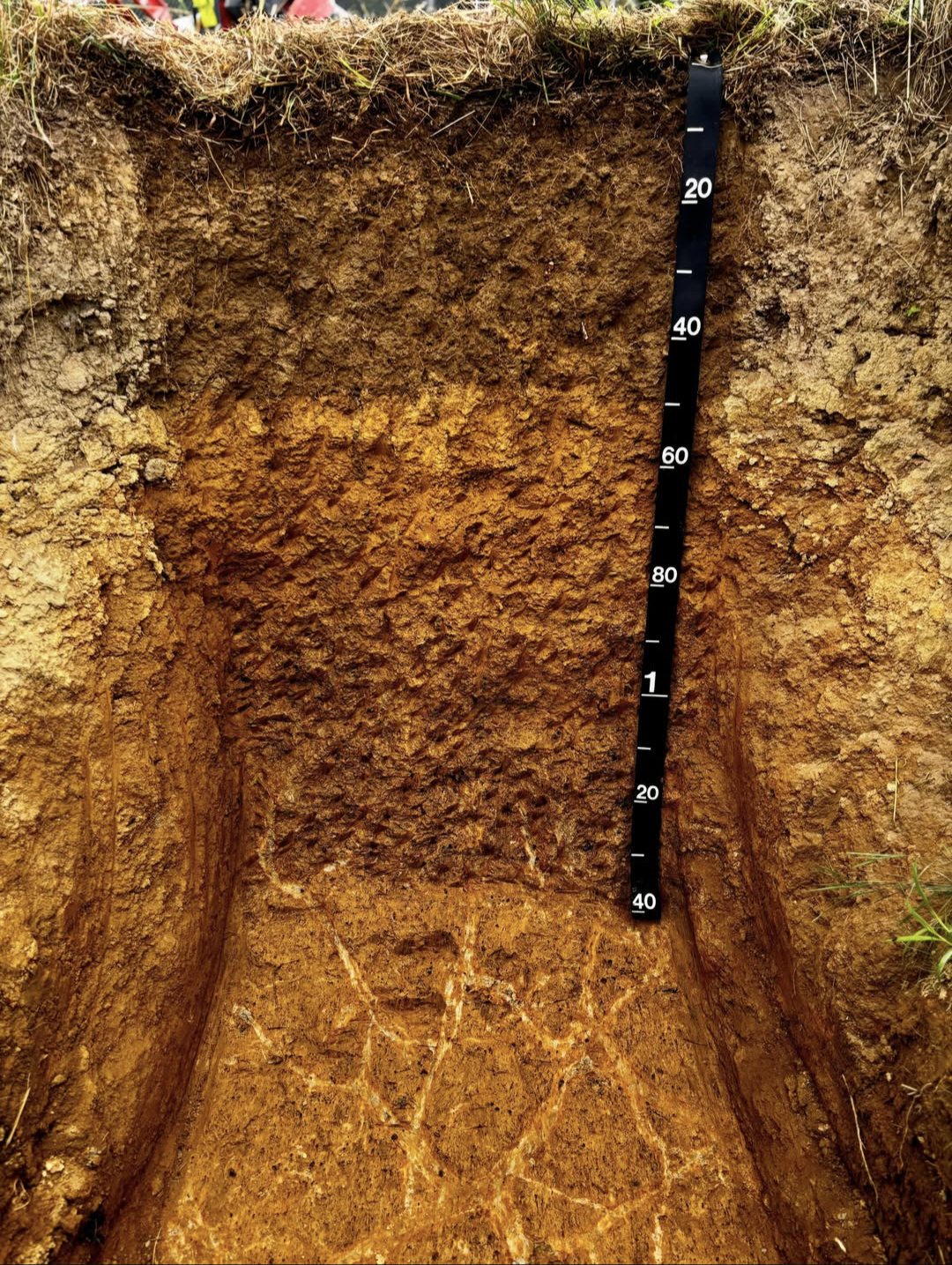
1


This is a great and publicly available book for those that are curious about soil science

2
 
 
3


Pine seedlings in a symbiotic partnership with soil fungi grew 80% larger and survived extreme heat better than those without.

4
5


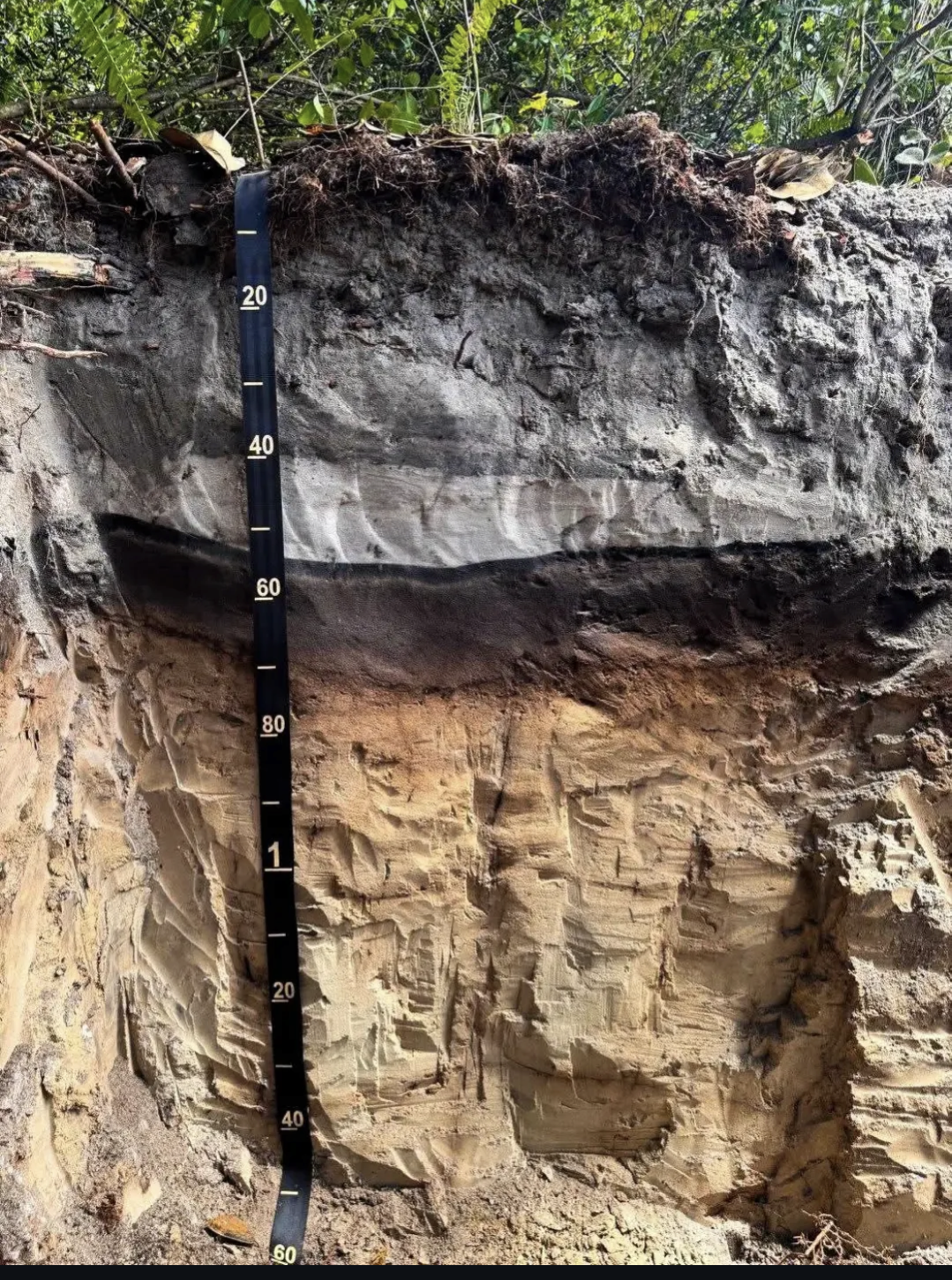
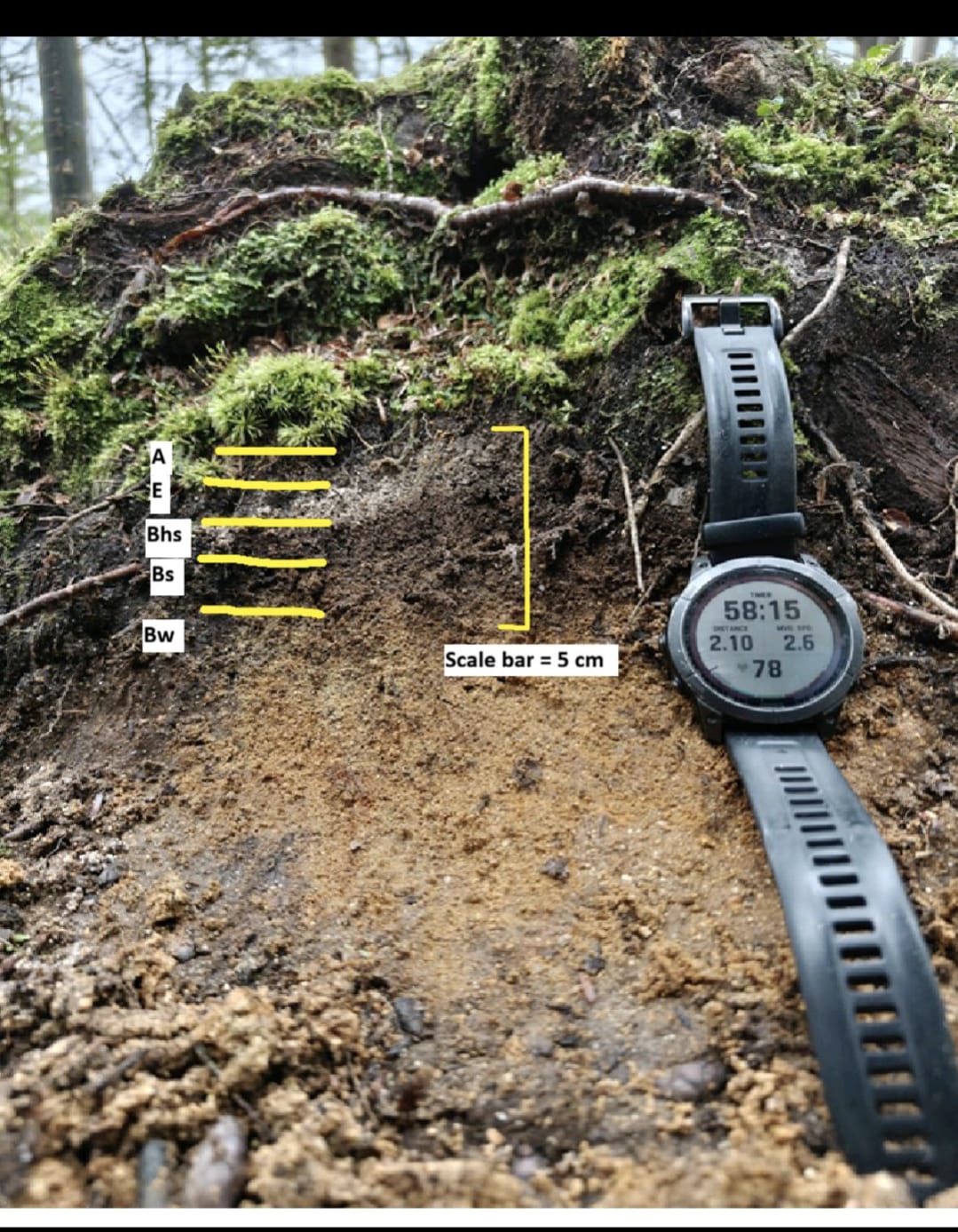
The gray horizon has been leached of iron and humic acids, which have been deposited in the middle of the profile
6


.... .... ....

I mean, i guess....

7


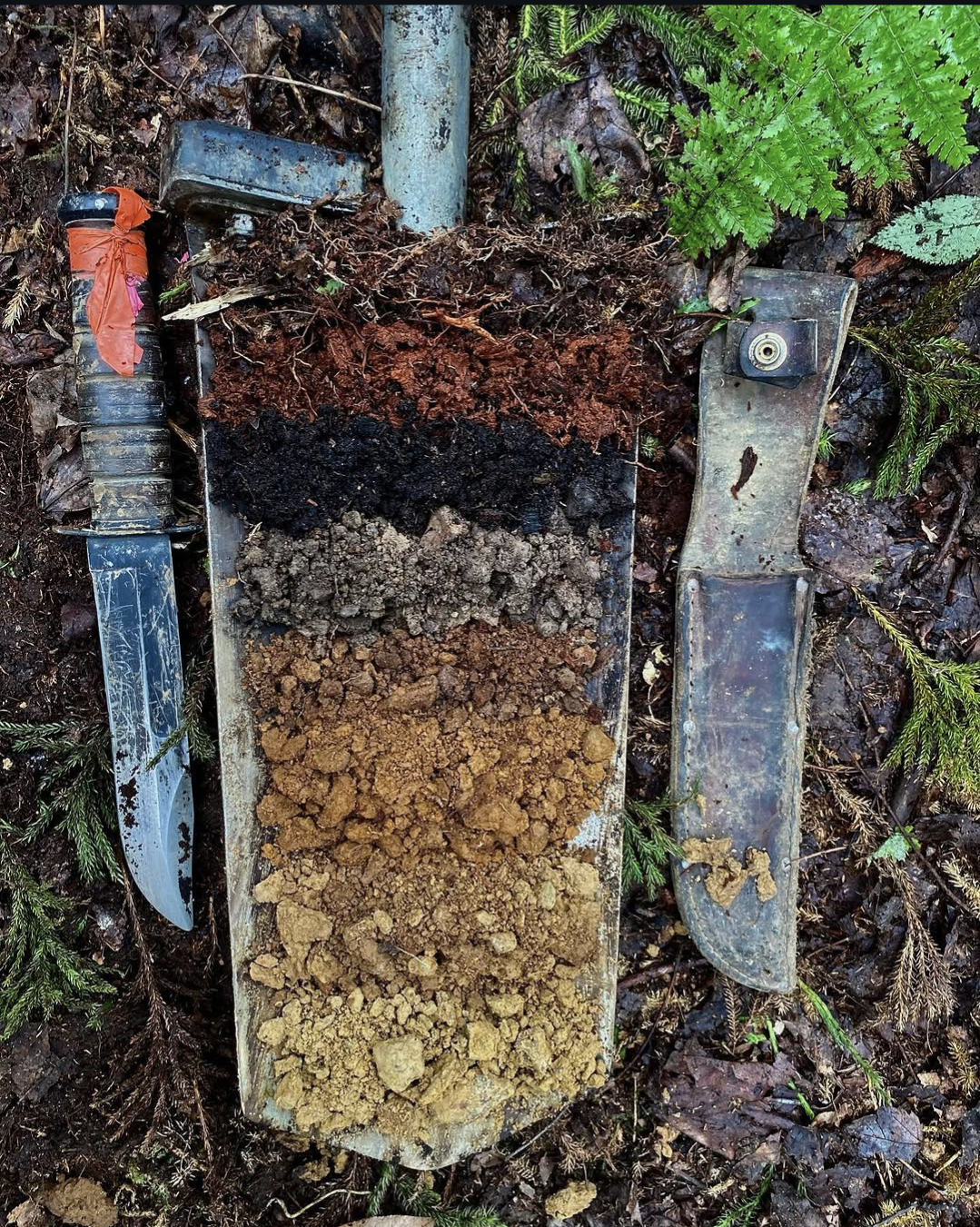
Pedologists often lay out soil from each horizon like this for great profile overviews, even though the horizons are thicker
8


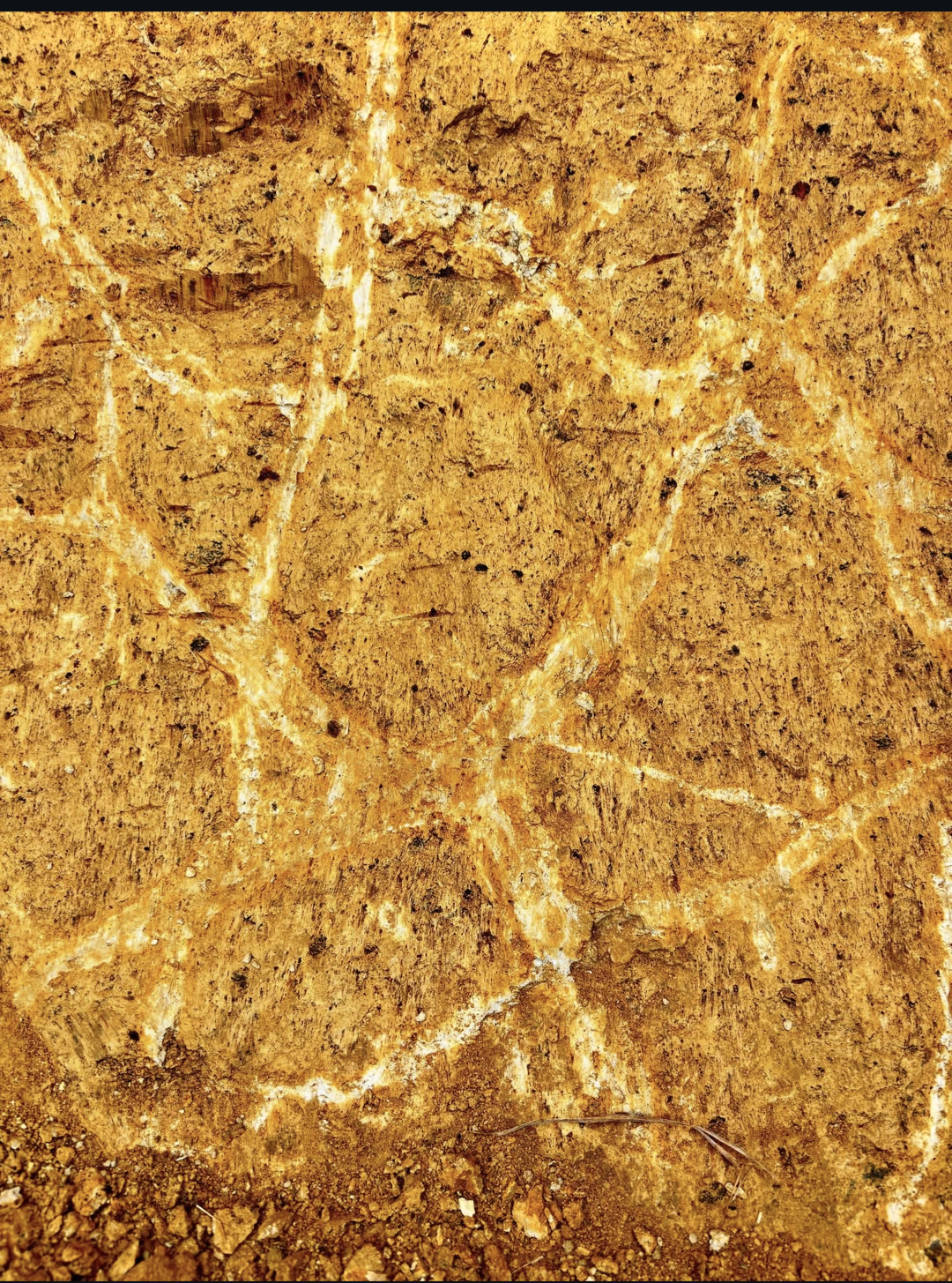
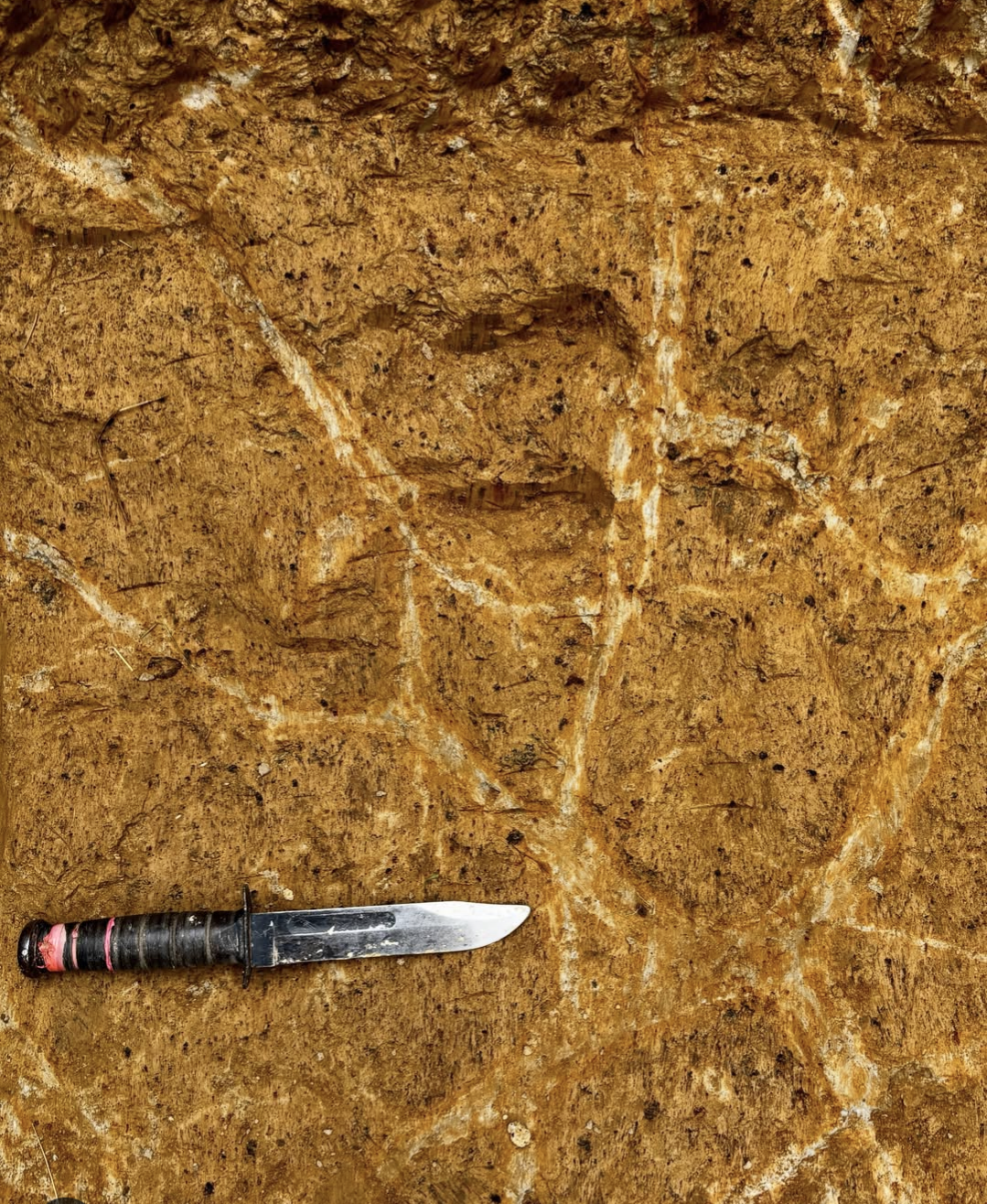
Check out the coarse prismatic structure of the fragipan (water impermeable layer). This is caused by movement of aluminum, iron, and clay and recementation from available silicon. Freeze thaw cycles also play a large role.
9
 
 
10
 
 
11
12


Fertilizer and fungicide applications are commonly used in lowbush blueberry cropping systems (Vaccinium angustifolium Aiton and Vaccinium myrtilloides Michaux) to enhance fruit yield. Such crop inputs can significantly affect soil fungi, a topic that is not well documented, even though these organisms impact the development and survival of lowbush blueberries in natural forest ecosystems. We evaluated soil fungal biomass and community structure in a commercial lowbush blueberry field located in Lac-Saint-Jean, Québec, Canada. Since 2017, mineral fertilizers and fungicide (Proline 480 SC®) have been applied once every 2 years. In-growth sandbags were incubated for 90 days during the 2019 and 2020 growing seasons to collect fungal hyphae biomass in vegetated and unvegetated areas. Soil samples were also collected to analyze the structure of the fungal community using next-generation sequencing. Our results showed that applying fungicide alone increased hyphal biomass in sandbags by 40%, whereas adding both fungicide and fertilizer or fertilizer alone did not change hyphal biomass compared to the control. The structure of the fungal community was only slightly affected by the applications of fungicide and fertilizer, with fungicide decreasing the relative abundances of plant pathogens and fertilizer negatively influencing saprotrophs. Low doses and infrequent applications could explain such weak effects. Among the 33 amplicon sequence variants that were positively associated with the presence of lowbush blueberry plants, eight Penicillium species, four Clavariaceae, two Serendipita species, and one ericoid mycorrhizal fungi (Oidiodendron maius) were identified.

13
2 mm or less (slrpnk.net)
submitted 4 months ago by to c/soilscience@slrpnk.net
 
 
14
15
 
 
16
17


Indigenous land conservation practices such as seasonal grazing and shifting cultivation recognised this vulnerability by allowing the vegetation and soil to recover. However, these were gradually eroded by colonial and postcolonial governance, which prioritised formal land tenure and permanent settlement but paid little attention to soil productivity and protection from erosion.

Ultimately, erosion control cannot be treated as a solely environmental problem.

18
 
 
19
Jealous (slrpnk.net)
submitted 10 months ago by to c/soilscience@slrpnk.net


Happy for you...

20


I recently took a job where I take soil flux samples on a regular basis. We're monitoring CO2 for the most part with a licor 850, but sometimes CH4 too with a licor 7810 iirc.

I don't really know what I'm doing. I'm going through the motions but I don't fully trust the data that's coming out. It looks right, but we have a custom built setup and can't use soil collars or the fancy fully automated licor domes. I tried performing a DIY leak test today and left more confused than when I started. Can anyone point me to some resources on proper sampling technique and equipment maintainance, or perhaps a proper way to perform a leak test, if any?

Thanks

21
 
 
22
 
 
23


This profile has ice wedges that melted you can see them in this second picture. Textures are sandy loam over loamy sand, but the wedges are filled in with silt or finer

24
 
 
25
Backyard Layers (mander.xyz)
submitted 11 months ago by to c/soilscience@slrpnk.net


I thought this community might enjoy seeing the layers i found while digging a pond in my yard. Depth is about 2 feet.

view more: next ›