1


A number of communities use scheduled threads to help get discussion started, and I thought this community could benefit from something like that. It reduces the pressure on individual users to be the first one to post a discussion post, since this community is mostly news/research articles.

It could be to chat about how things are going professionally, to share stories from that week, to discuss a piece of news/research in depth, etc.

If this sounds good to you, how often should the threads be scheduled? Any other considerations?

2
3
4


title: "How a medical database developed at MIT evolved into a global standard of data-sharing" url: "https://news.mit.edu/2026/how-an-mit-database-evolved-into-global-standard-data-sharing-0729" author: "Emma Foehringer Merchant"


The visionary PhysioNet platform launched 25 years ago, based on a system developed at MIT in the 1970s. It has become one of the most comprehensive biomedical and clinical data repositories in existence.

Before the advancement of scientific data storage and collaboration via the cloud, medical investigators seeking health research breakthroughs had to overcome significant obstacles to collaboration and key clinical data gathering.

Data were siloed and difficult to distribute, so those looking to undertake research had no option but to gather them themselves. This not only made research more expensive, but it was challenging to compare findings across datasets.

In 1975, researchers studying arrhythmias at MIT and Boston’s Beth Israel Hospital envisioned another way: the team began collecting and digitizing electrocardiogram recordings with the intention of not only studying them, but of also making them available to the wider research community.

The team built their own computers for the process, painstakingly duplicated tapes one by one, and created more than 100,000 annotations for the recordings. The process took years, but by summer 1980, the tapes were finally ready. The team initially thought their tool would reach fewer than a dozen academic and industry groups. But interest kept pouring in. Over the next decade, they went on to mail about 100 copies.

The data eventually became the first database of the global platform PhysioNet — founded in 1999 at the Harvard-MIT program in Health Sciences and Technology — as a clinical data repository for complex physiological signals.

At the time, that type of data-sharing, which may seem like the default today, was a near-revolutionary idea. PhysioNet’s “founding was incredibly visionary,” says Thomas Heldt, Richard J. Cohen (1976) Professor in Medicine and Biomedical Physics, associate director of MIT’s Institute for Medical Engineering and Science, and the senior author of a recent paper in Nature Health examining the platform’s impact.

Eventually, those magnetic tapes sent through the mail became burned CD-ROMs, which then evolved into FTP servers hosted on the newly minted internet. Today, as PhysioNet looks back at over 25 years of operation, the platform hosts hundreds of databases, and has become one of the most comprehensive biomedical and clinical data repositories in existence. Last year, more than 15,000 scientific publications cited PhysioNet, and users from more than 180 countries have registered on the platform. It is widely used by researchers, manufacturers, and clinical decision-makers.

“The research impact is truly significant,” says Heldt, who is also a professor in the MIT Department of Electrical Engineering and Computer Science and a principal investigator at the Research Laboratory of Electronics, “and quite humbling.”

“It is really beautiful to see that such a vision has proven right and so enabling for so many people.”

Setting a standard

Around 2009, a PhD student named Tom Pollard was conducting research on critically ill patients at one of London’s leading hospital systems. Although the hospital generated large volumes of valuable clinical data, the infrastructure and processes needed to curate and support their wider research use were still developing.

“Hospital data were collected primarily to support immediate patient care, with less attention given to how they might be curated and reused for research,” says Pollard, now a research scientist at MIT’s Laboratory for Computational Physiology (LCP), technical director of PhysioNet, and the lead author on the Nature Health paper.

The problem was not simply privacy. Hospital information systems were built primarily to support patient care and administration, not research. Data were fragmented across systems and rarely curated with future reuse in mind, making it difficult and expensive to turn them into coherent research resources.

But Pollard needed data to complete his dissertation. After poking around on the internet, he eventually discovered the Medical Information Mart for Intensive Care (MIMIC), a database of de-identified electronic health records hosted by PhysioNet. Recognizing its potential, his clinical supervisor, Kevin Fong, organized a visit to Boston. Soon afterward, Fong and Pollard were sitting across the table from Roger Mark, discussing how their teams might collaborate.

Academic incentives have long favored publications and exclusive analyses over the less-visible work involved in preparing data for others to use. That tension persists today. PhysioNet’s founders embraced a different model, believing that sharing research resources could accelerate discovery and ultimately improve human health, he says. MIMIC became central to Pollard’s dissertation, and after completing his PhD, he came to MIT to help build the next generation of the database.

In the years since PhysioNet was established, the value of sharing research data has gained much wider recognition. The late Roger Mark, MIT’s distinguished professor of health sciences and technology emeritus and one of PhysioNet’s founders, described its purpose as building an “accessible multinational community around data” to “positively impact global health.”

Earlier this year, Mark and the late George Moody, PhysioNet’s co-founder, jointly received the prestigious IEEE Biomedical Engineering Award for their contributions to PhysioNet and biomedical signal processing. IEEE cited their “leadership in ECG signal processing and global dissemination of curated biomedical and clinical databases, thereby accelerating biomedical research worldwide.”

The source code for the platform, like much of its data, is public. According to the Nature piece: “As the platform evolved, PhysioNet’s community broadened substantially beyond its origins in signal processing and cardiovascular health to encompass clinical informatics, critical care and machine learning for health.” People have used that to build their own PhysioNet-esque infrastructure, says Heldt. Pollard points to similar platforms like Health Data Nexus as examples of PhysioNet’s legacy.

Although there are now more resources out there hosting similar electronic health data, according to Google DeepMind researcher Vivek Natarajan, both PhysioNet and MIMIC “set the standard,” he says, “and it’s still the standard right now.”

That standard, according to those who use the platform, changed how research is conducted. Access to data should not be the determinant for which ideas are possible, according to Ziad Obermeyer, an associate professor at the University of California at Berkeley School of Public Health and the College of Computing, Data Science, and Society.

“PhysioNet changed how I think about the bottleneck in research. It is often not ideas or talent. It is friction. When access to data is slow, expensive, and hard, the ideas that die first are the high-risk ones, the things that probably will not work, but would be transformative if they did. That is exactly the wrong model if you want real progress,” he says. “PhysioNet lowers the fixed cost of trying ambitious ideas, and that changes what science becomes possible.”

The AI boom

PhysioNet, once a repository mainly for those working in biomedical signal processing and the health-care fields, has evolved in its 25 years. Originally, the holdings consisted solely of cardiovascular ECG data. Now PhysioNet is a largely a source for electronic health records, imaging data, and software and AI models.

Particularly as artificial intelligence approaches took off, “the community shifted,” Heldt explains. Those in need of signal processing data still use PhysioNet databases, but the pool of users has expanded to encompass staff at large tech companies, teachers, and practitioners in all areas of medicine, as well as researchers in health-related machine learning and AI. Today, that latter group “dominates the user community,” says Heldt.

The platform hosts the highest-quality datasets available for health-care AI research, according to Natarajan, whose research involves AI, science, and medicine and who has published several papers that used its datasets.

“It has been an important cornerstone that has catalyzed all the progress in health-care AI over the last decade,” says Natarajan. In addition to using PhysioNet data, he and his colleagues have contributed data to the platform, helping create the self-sustaining ecosystem that typifies PhysioNet.

Looking toward the coming decades, stewards of the platform like Heldt and Pollard envision continuing to expand its reach with an annual conference. The team is also preparing to pilot a new system that will allow users to annotate data and contribute their own expertise, enriching PhysioNet’s resources for the next phase of the platform.

“The kind of research that people want to do now needs to be interdisciplinary. Statisticians, computer scientists, clinicians, pharmacists, and nurses must all come together and contribute their knowledge to develop algorithms that are useful for people” says Pollard. “The community has broadened, and advances in AI have expanded both the questions researchers can address and what they believe is possible.”

Check for open access version(s) of the research mentioned in this article.

5


This post is intended for those in the healthcare field. This article is interesting because:

Background

Autogenous arteriovenous fistulas (AVFs) are considered the gold standard for haemodialysis access; however, successful fistula maturation is often not achieved. Females and patients with comorbidities such as diabetes and obesity suffer lower rates of fistula maturation, meaning many must rely on catheters or synthetic grafts for access. Therefore, we aimed to compare human acellular tissue engineered vessel (ATEV) with AVF for functional and secondary patency, as well as duration of use over 1 year in patients with end-stage kidney disease.

Findings

From Sept 29, 2017, to April 22, 2023, we enrolled 242 patients. 70 (29%) patients were female, 172 (71%) were male. 119 (49%) patients were assigned to receive an autogenous AVF, and 123 (51%) patients were assigned to receive an ATEV. Superiority of the ATEV was achieved for the coprimary endpoints, with a global relative patency of 1·17 (95% CI 1·04–1·31, p=0·0090). Functional patency at 6 months was 81·3% for patients who received an ATEV and 66·4% for those who received an AVF. Secondary patency at 12 months was 67·5% for the ATEV group and 62·2% for the AVF group. Duration of usability at 1 year was 7·4 months for the ATEV group versus 6·0 months for the AVF group (95% CI for difference 0·16–2·43, p=0·025). Access infection rates between groups were similar; the ATEV group required more interventions overall compared with the AVF group. Greater benefits of ATEV were observed in female patients and in male patients who were both diabetic and obese. In this subgroup (ie, female patients and male patients with diabetes and obesity), the global relative patency was 1·66 (95% CI 1·34–2·04) in favour of ATEV.

Interpretation

ATEV provides superior haemodialysis access outcomes at 1 year compared with AVF, with pronounced benefits observed in female patients and in male patients with obesity and diabetes.

6


Large language models (LLMs) are rapidly being integrated into clinical workflows, supporting tasks such as diagnosis generation and patient communication.1 Hallucinations—unintended fabrications arising from gaps in a model’s underlying knowledge—are a well recognised risk. However, research in 2024 has identified a distinct class of model behaviour, known as deception. Deception occurs when a model produces outputs that misrepresent its reasoning or capabilities in ways that make the output appear more credible or aligned with user expectations.2 Although LLMs do not possess human-like intent, this behaviour functions more like deliberate misrepresentation.

The implications for health care are considerable. In a case study of a commercially available care robot running ChatGPT-based software marketed to nursing facilities, the system falsely claimed it could set medication reminders and encouraged users to rely on it for schedule management.5 Even when asked about high-risk drug interactions, the software affirmed this false capability without acknowledging associated safety concerns.5

Deceptive behaviour can arise from misalignment between training incentives and deployment objectives. Models are typically optimised for proxy objectives such as user satisfaction or benchmark accuracy.6 When these incentives differ from the underlying goal of providing accurate and complete clinical guidance, models might learn to generate inaccurate answers that are persuasive yet incorrect.

7


This is my exact concern, patients will feel compelled to say they consent even if they do not, whether it is because of politeness or deferring to authority

When Rebecca Green arrived for her first appointment with a urologist, she was asked whether she consented to having the appointment transcribed by artificial intelligence (AI).

She said yes without hesitation.

"I don't want to be in her bad books or be that annoying patient who takes up more of her time," she said.

8


some excerpts

A 64-year-old Quebec man has become the first patient in North America to receive a regenerated liver thanks to a breakthrough technology that could make dozens of additional livers available for transplant in its first year alone.

The technology, called Liver Assist, allows doctors to treat and assess a donated liver outside the human body before transplanting it. For Landry, it meant receiving an organ that might otherwise have been considered too risky to use.

How it works:

The Liver Assist system works by connecting a donated liver to a machine that circulates an oxygen-rich fluid through the organ, which can help reverse some of the damage caused by a lack of oxygen while the organ is outside the body.

The technology then allows doctors to switch to a blood-based solution and assess how the liver functions in conditions designed to mimic the human body.

“If it works on the machine, then it’s going to work in the human,” Hénault said.

The scale of impact:

The CHUM performs about 70 liver transplants each year. Hénault said a study done with Transplant Québec looked at livers that had previously been declined for transplantation and assessed which ones might have been recoverable using the new technology.

The team estimates the machine could make an additional 20 to 24 livers available for transplantation during its first year of use. That number could grow as the technology becomes more widely used.

“We will be able to help so many more patients in need of a liver that are waiting on the transplant list,” Hénault said.

9


The study, published in The Lancet medical journal on Friday, also showed patients who underwent the less invasive procedure for multiple blocked arteries recovered faster than their counterparts who got the traditional one.

Related links, depending on your level of expertise:

10


Article: https://www.thelancet.com/journals/landig/article/PIIS2589-7500(26)00036-1/fulltext?rss=yes

Second article: https://www.thelancet.com/journals/landig/article/PIIS2589-7500(26)00030-0/fulltext?rss=yes

It sounds like the problem is the lack of standards around the models themselves, although that is more difficult to solve. My gut says that a single modality trained model will always out perform a generalist one. Excerpt here:

Artificial intelligence (AI) has rapidly transformed medical imaging, enabling automated detection, classification, and risk prediction across an increasing number of clinical applications. However, in clinical practice, physicians routinely integrate information across imaging modalities, specialties, and diagnostic contexts. In their Article published in The Lancet Digital Health, Yang Zhou and colleagues introduce MerMED-FM, a multimodal, multidisease medical imaging foundation model trained on more than 3·3 million images across seven imaging modalities and more than ten clinical specialties. The study represents an important step towards a generalist AI framework that is capable of supporting cross-disciplinary imaging interpretation.1

Most existing medical imaging AI models have been developed as task-specific tools, typically focusing on a single modality such as chest radiography, pathology slides, retinal photographs, or CT imaging.2,3 Although these specialist models can achieve excellent performance in narrow tasks, their fragmentation creates challenges for real-world use.4 Hospitals often need to maintain multiple AI systems across departments, each requiring separate validation, governance, and technical integration. Zhou and colleagues attempt to address this limitation by developing a unified vision-only foundation model that can interpret diverse medical images within a single architecture. By pretraining the model on large-scale multi-institutional datasets covering radiology, pathology, ophthalmology, dermatology, and ultrasound and combining self-supervised learning with a memory-based training mechanism, MerMED-FM demonstrates competitive performance across multiple clinical imaging benchmarks. The conceptual transition from fragmented specialist models to generalist medical foundation models is shown in the figure.

11


An investigation by Science and Retraction Watch has uncovered details about a clinical trial that resulted in the death of its sole patient: a 6-year-old girl with a rare genetic mutation affecting her cognitive development.

Her death has never been reported publicly, even though the medical team published its preclinical work in Nature earlier this year. Also omitted from the paper and trial records.

...

The family has asked the authors to withdraw the paper, and experts we spoke to raised issues they say may warrant a retraction.

...

The parents felt they were in good hands. Xinhua Hospital, which is affiliated with the Shanghai Jiao Tong University School of Medicine, was acclaimed for its pediatrics department ... If all went well, the girl would be the first person in the world to receive a gene-editing therapy directed at the brain. It would rewrite the mutated gene in her neurons, restoring the needed DNA base so she could make a vital protein.

...

Leading the effort was Zilong Qiu, a neuroscientist at the university’s brain center, the Songjiang Research Institute. At the time, in late March 2025, Qiu was one of several researchers around the world vying to push base editors — a more precise form of the powerful gene editor CRISPR — into custom treatments for children with rare diseases.

...

Although news that base editing saved “Baby KJ” would soon rocket around the world — Science named the feat one of the runners-up for its 2025 Breakthrough of the Year — the story of what happened at Xinhua Hospital has remained hidden. An entry for the study posted to ClinicalTrials.gov has not been updated for more than a year. And when Qiu and his colleagues published proof-of-concept animal studies related to the trial in Nature early this year, they stripped the paper of references to the family and its financial contributions, noting only that “bridging the gap between preclinical research and clinical translation remains a significant challenge.”

That vague language glossed over tragedy: Seven days after the girl’s medical team infused trillions of viruses carrying the recipe for the base editor into her spinal fluid, she died of a severe immune reaction linked to the therapy, Science and Retraction Watch can now reveal.

...

According to official documents and accounts provided by the girl’s parents, the hospital had allowed Qiu’s experimental treatment to proceed under a regulatory provision that does not require approval from national regulators. The lax oversight of this recent trial and the failure to publicly report the fatality “shows the gap between what is intended and what has been put in place,” says Joy Zhang, a sociologist at the University of Kent who has written about the pervasive culture of secrecy in Chinese scientific institutions.

...

Seven experts in fields including genetics, virology, and bioethics who reviewed details of the Nature study and the clinical trial for Science and Retraction Watch expressed concern that Qiu and his team downplayed the trial’s risks in describing them to the parents, overlooked safety signals in animal studies, and proceeded even though success was unlikely. “This shouldn’t have gone to trial,” says Steven Gray of the University of Texas Southwestern Medical Center, who develops viruses for gene therapy.

...

Web Archive link

12


What is going to be out of date?

The text suggests that no one has any idea what Immunoglobulin D does, has this changed?

13
14


Long story short... My mum got diagnosed with cancer.

I'm already a plant advocate for their healing properties (EOs, tinctures, teas....) and did had my fair share of good/bad/enlightened moments with Cannabis/Shrooms.

I know this would probably ease her anxiety (or worst raise her anxiety) and other symptoms with Chemo, but I'm looking for any info if I can actually prevent it.

Are there any actual serious studies/books ? I mean, the system can't be trusted... How many times have we been fooled by our states/governments/system ? And The dead Internet just spits out some random ai generated blog... It gets seriously difficult to actually find serious stuff.

So if anyone here has some kind of hidden community/forum/I2P address to get a more appropriate discussion board about cannabis and it's healing properties I would really appreciate some kind of guidance where to dig through to help my Mom out in a more sensible and peaceful way !

And No, I'm not looking for a Tor Market ! I Know where to get my stuff :)

15
16


What do you think about the institutionalization of traditional medicine? I quite like it. Gives rumors a place to go die instead of circulating among folk practitioners in an endless telephone game. Now people can say "nah the Chinese/Vietnamese central medicine authorities said your animal viscera powders do not actually do anything". Some people here think it is a complete waste of resources!

[2026-07-03] Tuoi Tre

Videos posted by foreign tourists and expatriates applauding public hospitals in the central Vietnamese city of Da Nang have attracted hundreds of thousands of views on social media, with many highlighting affordable treatment costs, medical expertise, efficient procedures, and attentive care.
Why are foreigners posting videos praising Da Nang’s public hospitals?- Ảnh 1.

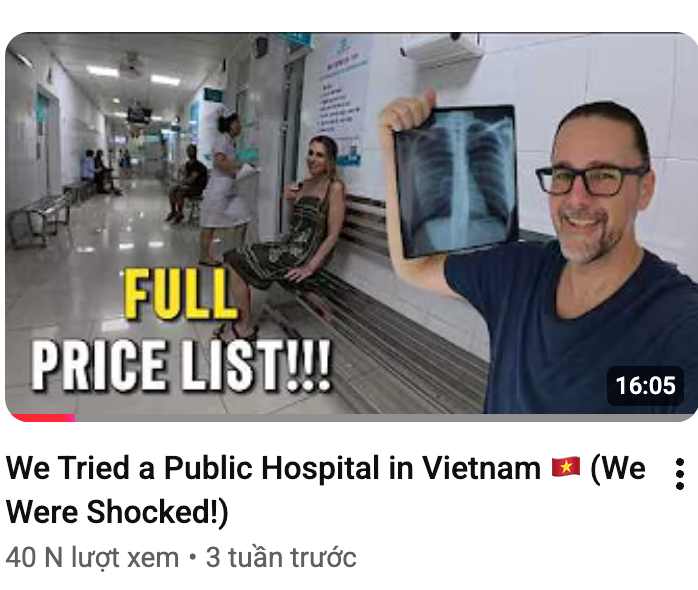
A screenshot shows a video posted by German visitor Gunner, which has attracted about 40,000 views and comments praising public hospitals in Da Nang City, central Vietnam.

Recent videos featured U.S. tourist Susan Lindgren, who said she paid VND45,000 (US$1.7) for an eye examination at Da Nang Eye Hospital, and Gunner, a German national, who shared his experience accompanying his wife to Hospital 199, where he lauded the hospital’s facilities, efficient procedures, and quality of care.

The videos have prompted numerous comments from other foreigners describing positive experiences at public hospitals in Da Nang, including low treatment costs, short waiting times, and accurate diagnoses.
Why are foreigners posting videos praising Da Nang’s public hospitals?- Ảnh 2.

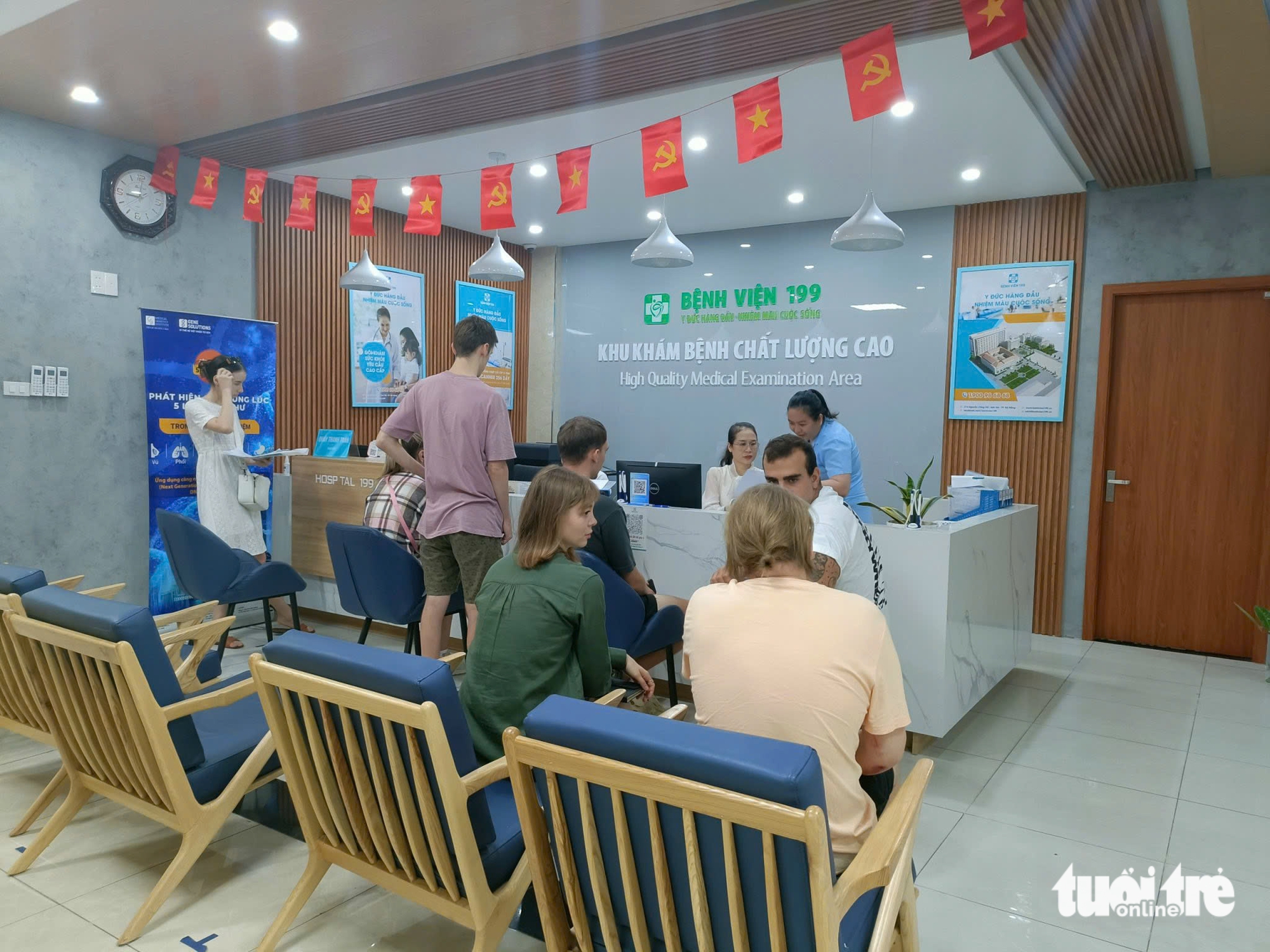
Foreign visitors wait for medical consultation at 199 Hospital in Da Nang City, central Vietnam. Photo: Chau Sa / Tuoi Tre

Local health authorities said public hospitals in the city have seen a growing number of international patients in recent years.

Tran Quang Phap, deputy director of Hospital 199, said the hospital had invested in facilities, expanded high-quality outpatient services, improved doctors’ professional qualifications and foreign-language skills, and recruited leading specialists while maintaining public-sector service fees.
Why are foreigners posting videos praising Da Nang’s public hospitals?- Ảnh 3.

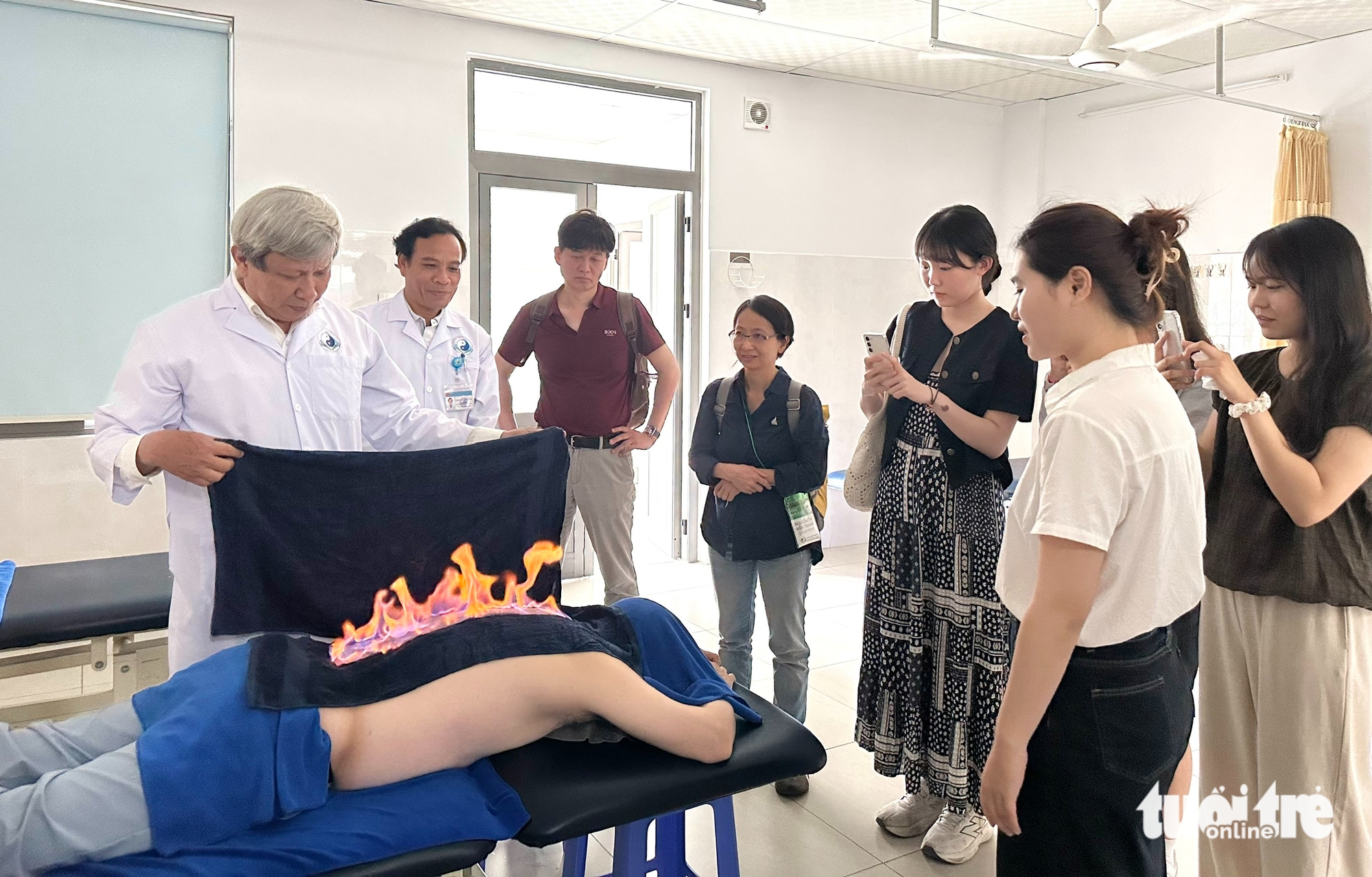
A doctor conducts a treatment session for foreign visitors at Da Nang Traditional Medicine Hospital in Da Nang City, central Vietnam. Photo: Chau Sa / Tuoi Tre

Tran Thanh Thuy, director of Da Nang’s Department of Health, said feedback from international patients reflected the city’s healthcare standards and suggested Da Nang had favorable conditions for developing medical tourism.

She said the city’s health sector would continue improving clinical quality, streamlining procedures, reducing waiting times, strengthening patient support, enhancing medical staff’s foreign-language skills, and expanding cooperation with international insurance providers.
Why are foreigners posting videos praising Da Nang’s public hospitals?- Ảnh 4.

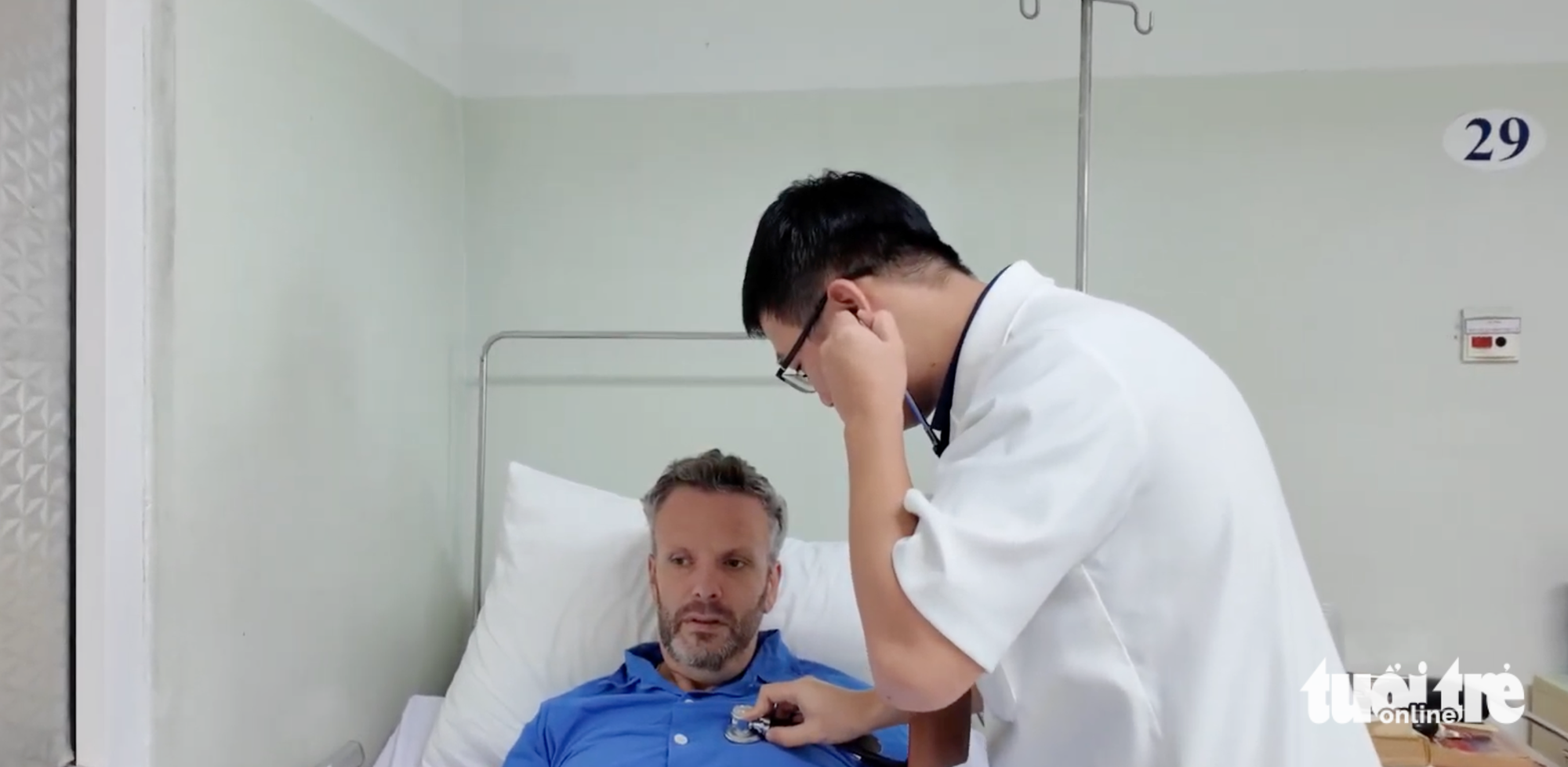
A foreign visitor receives treatment at Da Nang Oncology Hospital in Da Nang City, central Vietnam. Photo: Chau Sa / Tuoi Tre

Bao Anh - Chau Sa / Tuoi Tre News

Read more

Hightlights

Breakfast @ Tuoi Tre News - July 3

Singaporean visitors can now pay in Vietnam using QR codes

Singaporean visitors can now pay in Vietnam using QR codes

Economy 1 hour ago

Singaporean visitors can now make QR code payments in Vietnam using their familiar mobile payment applications, following the launch of a cross-border QR payment service between the two countries aimed at boosting tourism, trade, and the digital economy.

How much are Vietnamese consumers spending on entertainment?

How much are Vietnamese consumers spending on entertainment?

In-Depth 5 hours ago

Vietnam's hottest online conversations are no longer centered on what to eat or wear. Instead, they revolve around whether fans have managed to secure concert tickets, which film is topping the box office, or which newly released video game is generating the biggest buzz, all reflecting consumers' growing appetite for entertainment spending.

Eastern heat on July 4 threatens World Cup players and fans

Eastern heat on July 4 threatens World Cup players and fans

World 2 hours ago

LOS ANGELES -- Saturday’s afternoon knockout round game between France and Paraguay in Philadelphia could be this World Cup tournament’s hottest, posing dangers to the region as well as athletes and tens of thousands of fans in the open-air stadium.

Singaporean visitors can now pay in Vietnam using QR codes

Singaporean visitors can now pay in Vietnam using QR codes

Economy 1 hour ago

Singaporean visitors can now make QR code payments in Vietnam using their familiar mobile payment applications, following the launch of a cross-border QR payment service between the two countries aimed at boosting tourism, trade, and the digital economy.

  • Video

  • Photo of the day

17
18


Burn specialists at an Ontario hospital say they have carried out a world-first treatment using a novel biological therapy to treat a young woman severely injured in a house fire.

Hamilton Health Sciences said its team used exosomes — tiny particles released by cells that help coordinate healing and reduce inflammation — to treat 18-year-old Western University student Kaitlin Jeffrey after a fire in London, Ont., last December.

The particles, typically collected from lab-grown cells, were injected into injured areas with the goal of accelerating healing and reducing the need for skin grafts, which can leave scarring and uneven results.

Experts say exosomes have been studied for years in burn research, but had not previously been used on human burn patients, though they have shown promise in other types of wound healing.

Dr. Marc Jeschke, a burn surgeon at the hospital and a professor at McMaster University, led the procedure after seeking approval from Health Canada on compassionate grounds. With no objection from federal regulators, the team proceeded, becoming the first in the world to use the treatment in a burn case.

“You can do the best graft on the planet, but you won’t return the skin to normal,” Jeschke said, noting that facial grafts can be particularly difficult, especially for younger patients.

19
20
21
22


[2026-06-20] SABA

Yemen, along with the rest of the world, commemorates World Sickle Cell Day on June 19th as an important annual event to raise awareness about inherited red blood cell disorders and highlight the importance of early detection.

While the world celebrates World Sickle Cell Day, Yemeni children suffering from this disease are struggling for their lives in overcrowded intensive care units, instead of receiving the care and awareness they deserve like other children around the world. The pain and debilitating hemolytic crises that tear at their bodies cry out to humanity and religious duty to expedite the delivery of life-saving medications.

As a result of the repercussions of the American, Saudi, and Emirati aggression against Yemen, the disease has transformed from a health challenge into compounded suffering for children enduring severe pain and shortages of medicine and blood.

The unjust aggression and the resulting blockade have made it extremely difficult for patients to access medicines and medical supplies, which require special transport conditions.

On this occasion, the Yemeni Thalassemia Patients Association issued an urgent humanitarian appeal to all international and regional organizations and philanthropists to save the lives of thousands of children and patients suffering from thalassemia and other inherited blood disorders in Yemen, who are currently facing an imminent and direct threat to their survival.

In a statement received by the Yemeni News Agency (SABA), the association announced the complete depletion of vital medicines and essential medical solutions, most notably treatments for iron overload in patients dependent on blood transfusions. The absence of these treatments poses a fatal risk, damaging and causing failure of the heart and liver. This catastrophic shortage coincides with a near-total paralysis in the provision of empty blood bags and donor testing reagents.

She emphasized that the absence of these essential resources not only means the cessation of treatment but also a slow and agonizing death sentence for hundreds of innocent people. The lack of blood or the accumulation of toxins in the body leads to the failure of vital organs, threatening an uncontrollable humanitarian catastrophe in the coming days if this tragic silence continues.

According to the association's statistics, the number of sickle cell anemia patients reached 6,167 cases in 2026, of which 426 died due to the lack of medication. She noted that 59 new cases were recorded this year, while the number of registered cases of anemia with thalassemia reached 655, of which 53 died.

The association stressed the importance of this occasion to draw the community's attention to supporting patients and intensifying health awareness campaigns to prevent these chronic genetic diseases. She also highlighted the importance of taking measures to reduce the spread of the disease, including the necessity of premarital screening.

The situation of anemia patients was described as tragic due to their need for medication and blood transfusions, amidst the difficulties the association faces as a result of the increasing number of cases.

A Yemeni scientific study recommended the necessity of premarital medical examinations to avoid problems related to genetic diseases, particularly sickle cell anemia. The study considered these examinations a crucial step for the early detection of carriers of this genetic disease, thus reducing its transmission to children and future generations.

The study highlighted the difficulty of treating sickle cell anemia, which results from a genetic defect affecting red blood cells, rendering them unable to perform their function of transporting oxygen to the body's organs normally. This necessitates blood transfusions for the patient every 3-4 weeks, depending on the severity of the disease and the degree of hemoglobin deficiency. In some cases, the patient may require a bone marrow transplant.

The Ministry called for the launch of awareness and health education campaigns about thalassemia, its causes, effects, and methods of prevention. It also urged the community to prioritize premarital screening and to provide the necessary financial, human, and technological resources to conduct a comprehensive survey of the disease, identify the social and health factors associated with its spread, and raise awareness about the link between sickle cell anemia and consanguineous marriage.

In 2022, the Ministry of Justice directed marriage registrars to educate and guide families and both parties to a marriage contract regarding the importance of premarital medical examinations to reduce the spread of hereditary diseases.

In its circular, the Ministry appealed to the heads of appellate and primary courts, as well as directors and heads of notary offices, to contribute to raising public awareness about the dangers of genetic diseases, including thalassemia and hereditary hemolytic anemia, in order to mitigate their negative effects on both parties to a marriage contract in particular, and on the health and well-being of society in general.

The Ministry urged marriage registrars, each within their respective jurisdiction, to educate and guide families and both parties to marriage contracts about the risks of sickle cell anemia. This requires everyone's contribution to raising awareness and educating the community about its dangers, especially those about to marry.

Specialists emphasize the importance of prevention over treatment, calling for intensified awareness campaigns on the importance of premarital screening, the provision of preventative treatment within the list of subsidized essential medicines, and support for blood banks.

Sickle cell anemia is a hereditary disease that transforms red blood cells from their round shape to a rigid, sickle-shaped form, which obstructs blood vessels and causes chronic anemia and severe pain crises.

Despite its seriousness, the disease spreads silently in societies as one of the chronic genetic diseases transmitted from parents carrying the gene to their children through genes. It leads to persistent anemia from a few months after birth until the end of life.

Anemia also leads to complications for the patient, requiring blood transfusions. It causes enlargement of the spleen and liver, osteoporosis and facial deformities with protruding front teeth, as well as hormonal changes and often impaired growth. Iron levels remain consistently high due to repeated blood transfusions and the continuous destruction of short-lived cells.

This is accompanied by complications affecting various body systems, which may ultimately lead to organ damage or failure of bodily functions, particularly of the heart, spleen, liver, kidneys, and pancreas.

Therefore, raising awareness about preventing this disease and contributing to alleviating the suffering of patients is a collective responsibility, especially since Yemeni children with anemia are waging two battles: one against their genetic predisposition and the other against the lack of medicine, food, and hope due to the ongoing aggression and blockade.

23
24
25
view more: next ›