[–] 1 point 3 days ago* (12 children)

Carbohydrates and fibre aren't essential nutrients (I know it sounds crazy, but look it up, even the national academy of medicine agrees.) But try to even say this on here and watch the downvotes pour in. In fact, look at how many downvotes this comment is going to get.

  • source
  • [–] 2 points 5 days ago* (1 child)

    I'm not sure what you're trying to get at, since the description is clear. Perhaps you'd prefer to ascribe labels to them, such as "pro meat production lobby organization," instead?

    Also, since I've not mentioned any numbers, I won't be able to link them.

  • source
  • parent
  • context
  • [–] 2 points 5 days ago* (3 children)

    The ALEPH 2020 initiative was launched in 2020, with the support of an interdisciplinary group of internationally recognized experts. The ALEPH acronym refers to Animal-sourced foods and Livestock: Ethics, Planet, and Health. ‘Aleph’ is also the first letter of the Proto-Canaanite alphabet, which later morphed into the Greek 'Alpha' and Latin 'A'. Originally, the letter was derived from the West Semitic word for 'ox' depicted in a Proto-Sinaitic glyph, obtained from an Egyptian hieroglyph showing a bovine head. As such, it not only represented a vocal sound and scriptural element, but also notions of strength, vitality, fertility, and generosity. Throughout (pre)history, animals (hunted or domesticated) and animal-sourced foods have always held these connotations.

    Recently, however, there is a remarkable tendency to invert their original meaning, especially in the urban centres of high-income countries. Their consumption is increasingly being represented as unethical and harmful to both our health and the planet, to the point that some advocate a diet without or with only low amounts of animal source foods, and in some cases even the end of livestock farming.

    We argue that these astonishing claims are not only counter-intuitive but also that their scientific foundations are misinterpreted and presented out of context. By addressing the topics of ethics (animal health), sustainability (planetary health), and nutrition (human health), we claim that livestock and the foods derived thereof have an important role to play in future food systems.

    Here, for your convenience, the text on the page about what ALEPH is. Did you not look too far downwards?

  • source
  • parent
  • context
  •  

    Abstract

    Based on a large volume of observational scientific studies and many summary papers, a high consumption of meat and processed meat products has been suggested to have a harmful effect on human health. These results have led guideline panels worldwide to recommend to the general population a reduced consumption of processed meat and meat products, with the overarching aim of lowering disease risk, especially of cancer. We revisited and updated the evidence base, evaluating the methodological quality and the certainty of estimates in the published systematic reviews and meta-analyses that examined the association between processed meat consumption and the risk of cancer at different sites across the body, as well as the overall risk of cancer mortality. We further explored if discrepancies in study designs and risks of bias could explain the heterogeneity observed in meta-analyses. In summary, there are severe methodological limitations to the majority of the previously published systematic reviews and meta-analyses that examined the consumption of processed meat and the risk of cancer. Many lacked the proper assessment of the methodological quality of the primary studies they included, or the literature searches did not fulfill the methodological standards needed in order to be systematic and transparent. The primary studies included in the reviews had a potential risk for the misclassification of exposure, a serious risk of bias due to confounding, a moderate to serious risk of bias due to missing data, and/or a moderate to serious risk of selection of the reported results. All these factors may have potentially led to the overestimation of the risk related to processed meat intake across all cancer outcomes. Thus, with the aim of lowering the risk of cancer, the recommendation to reduce the consumption of processed meat and meat products in the general population seems to be based on evidence that is not methodologically strong.


    In this episode, Dr Paul Mason and co-host Alison dig into:

    • the rat studies behind the red meat–cancer scare
    • whether a vegan diet plus eggs stacks up
    • what a "normal" B12 and ferritin really tell you (and what they hide)
    • the strange case of high B6 on a carnivore diet
    • daily air-fryer chips and blood sugar,
    • what continuous glucose monitors actually measure.
    • low blood pressure
    • the shifting hypertension goalposts,
    • meal frequency,
    • ketones,
    • PPIs after heart attacks,
    • the real cause of gout,

    and the truth about the dying plant.

    Summary


    1. Red meat and cancer research

      • WHO cancer agency report claimed red meat causes cancer.
      • Six supporting studies cited; four from one research group.
      • Three rodent studies: animals pre-injected with a carcinogen ("rocket fuel") known to cause rodent bowel cancer, then fed red meat or derivatives
      • No rodents developed bowel cancer; only precancerous lesions.
    2. Vegan diets and B12

      • Debate on plant-only vs animal diets
    3. Eggs

      • Contain all building blocks for a complete organism
      • Cooking cut undigested egg protein from 35.1% to 5.7%, a six-fold reduction
      • Cook eggs well if sensitive; eggs suit lacto-vegetarians
    4. Iron deficiency

      • Ferritin is an acute phase reactant; infection raises it without adding iron
      • High ferritin with low usable iron is functional iron deficiency
      • Bacterial lipopolysaccharide injection dropped free serum iron about 50% within 2 hours
      • Dopamine, serotonin, and catecholamine synthesis require iron; the electron transport chain depends on it
      • Deficiency causes fatigue and cognitive symptoms
    5. Assessing inflammation

      • Markers: CRP, ESR, serum amyloid A, hepcidin
      • Negative acute phase reactants: albumin falls as ferritin rises
    6. Causes and treatment

      • Vegan or vegetarian diets lack heme iron; legume iron absorption is about 1 to 2%
      • Other causes: malabsorption and blood loss
      • Lactoferrin supplement, derived from breast milk, improves absorption and has antimicrobial activity
    7. Red cell distribution width (RDW)

      • Iron deficiency causes microcytic anemia
      • Earliest sign is widening of red cell size spread
    8. Vitamin B6

      • Deficiency and toxicity symptoms nearly identical
      • Gut microbes synthesize B6 and metabolize the amino acid serine
      • Nerve symptoms may come from serine deficiency, not high B6; serine supplemented case by case
    9. Folate

      • Low folate common; linked strains: Streptococcus thermophilus, Lactobacillus plantarum, Bifidobacterium infantis, Lactobacillus reuteri, Akkermansia muciniphila
    10. Food sequencing

      • Carbohydrates last lowers peak meal glucose by about one third
    11. HbA1c

      • Weighted toward recent glucose and affected by red cell lifespan
      • Glycation inhibitors matter; carnosine from red meat; carnosine supplementation lowered HbA1c and glycation damage in type 1 diabetics
    12. Continuous glucose monitors (CGM)

      • Good for trends, poor for absolute values; sensor sits in interstitial fluid with a diffusion delay
      • Hot showers cause spurious spikes
      • Dietary changes show within 24 hours; about 2 weeks to steady state; insulin or sulfonylurea users need close medical monitoring early
    13. Low blood pressure

      • Underactive thyroid: most common undiagnosed cause
      • Adrenal insufficiency: low aldosterone reduces sodium retention, blood volume, and pressure
    14. Hypertension overdiagnosis

      • Wrong cuff size inflates readings
      • JAMA 2023 study, 195 adults: regular cuff on extra-large arms read about 19.5 points high
    15. Meal frequency and protein

      • Frequent eating does not stabilize blood sugar
      • Areta protein dose and frequency study; four daily doses of whey isolate sufficed
      • Whey leucine triggers the mTOR pathway for muscle and bone
    16. Ketone monitoring

      • Frequent eating with carbs suppresses ketones
      • Keto-adapted people produce and use ketones at high, matched levels
    17. Proton pump inhibitors (PPIs)

      • Post-heart-attack dual antiplatelet therapy guidance adds a PPI for 12 months
      • Icelandic study: over half of patients continued the PPI past the intended stop date
    18. Gout and fructose

      • Sugar, not red meat, drives gout
      • Fructose metabolism depletes phosphate, raising uric acid
      • Over two soft drinks daily about doubles gout attack risk
     

    Bella Ma, better known as Steak and Butter Gal, is a Juilliard-trained musician, carnivore diet advocate, and founder of The Steak & Butter Gang.

    Summary


    I. Pre-Carnivore Health Background

    • Age 17, pianist, classical performer
    • Concerned about weight gain, concert dresses fitting tighter
    • Discovered Freelee the Banana Girl online
    • Adopted Raw Till 4 vegan diet (raw fruits/veggies until 4 PM, then cooked starches)
    • Initial weight loss from eliminating seed oils, takeout, fast food
    • Stayed vegan for 6 years due to community influence

    II. Health Decline on Vegan Diet

    • Lost period
    • Skin damage (cystic acne, eczema, psoriasis)
    • Brain fog
    • Accepted to Juilliard for master's degree despite diet
    • Performance suffered: anxiety attacks, memory slips on stage
    • Blood test revealed deficiencies in B12, vitamin D
    • Doctor advised supplementing or eating meat

    III. Transition to Carnivore

    • Inspired by Azra Conlu, KasumiKriss, Kelly Hogan
    • First bite: scrambled eggs in Kerrygold butter
    • Immediate sensation of "coming back to life"
    • Progression: eggs → ground beef → fatty steaks (ribeye, NY strip)
    • Full year of eggs, butter, ground beef, steaks

    IV. Appetite Evolution

    • Initial ravenous phase: up to 5 lbs beef/day, 48 eggs/day, 1 stick butter/day
    • Lasted ~1.5 years, began settling after 6 months
    • Natural progression: 5 meals/day → 4 → 3 → 2 meals/day → OMAD
    • OMAD phase lasted ~1 year
    • Eventually reached point of losing too much weight

    V. Weight Gain and Loss Timeline

    • Immediate weight gain on carnivore (3,000-5,000 calories/day)
    • Period returned within 3 months
    • Brain fog cleared within weeks
    • Weight gain continued for 6 months, then stabilized
    • Weight began dropping at 1 year
    • Lean physique emerged at 2 years
    • Year 3: experiments (raw organs, beef-only, ribeye-only, OMAD)
    • Year 4: began weightlifting, significant weight loss
    • Years 5-6: established workout routine
    • Year 7 (current): raw dairy emphasis

    VI. Raw Dairy Integration

    • Previously lactose intolerant (common in Asians)
    • Difference between raw and pasteurized dairy
    • Current consumption: cottage cheese, kefir, raw cheese, raw butter, raw cream
    • Tolerates raw dairy without flare-ups
    • Pasteurized dairy causes skin issues
    • Raw dairy helps build muscle, maintain healthy weight

    VII. High-Fat Carnivore Approach

    • Inspired by Dr. Elizabeth Bright
    • Initial protocol: 1 stick of butter/day
    • Fat-to-protein ratio: 1.5:1 to 2:1
    • Symptom of insufficient fat: irritability
    • Benefits: period return, fertility, feminine curves, reduced bloat
    • No tracking of macros; listens to body signals

    VIII. Ketosis and Blood Glucose

    • Assumes ketosis most of the time
    • Tested blood glucose during sardine fast: ~60
    • Tested ketones: ~1.5
    • Long-term carnivores become fat-adapted without need for tracking

    IX. Sardine Fast Experiment

    • Inspired by Dr. Boz
    • Mistake: ate 4 cans first meal → nausea for remaining 72 hours
    • Learned sardine satiation hits ~1 hour after eating
    • Future approach: start with 1 can
    • Did not experience intense mental clarity due to poor start

    X. Beef-Only Experiment

    • Inspired by Raymond Nazon, Mikhaila Peterson, Charlene and Joe Anderson
    • Included all beef cuts: ground beef, flanken short ribs, ribeye, NY strip, chuck roasts
    • Results: weight loss, intense mental clarity, glowing skin
    • Exited experiment due to no debilitating diseases

    XI. Raw Carnivore Experiment

    • Inspired by Emily Penton (healing MS)
    • One day of raw ribeye: 1 lb provided full satiation
    • Raw meat requires much smaller portions
    • Current trend among young people (looksmaxxing/facemaxxing)
    • Bella prefers seared meat for enjoyment

    XII. Raw Organs Experiment

    • Goal: heal cystic acne
    • Raw liver for 30 days straight
    • Disliked taste; froze and swallowed with coffee
    • Skin improved but not worth the suffering
    • Current solution: braunschweiger from US Wellness Meats

    XIII. Workout and Athletic Performance

    • Year 4: began weightlifting
    • Current: dumbbells, 1-hour sessions
    • Recovery challenges on strict carnivore
    • Husband thrives on carbs with intense athletic activity
    • Open to experimenting with carbs during potential pregnancy

    XIV. Common Newcomer Issues and Solutions

    • Muscle cramps (charley horses): electrolytes, salt, magnesium spray
    • Energy dips: adaptation period, don't undereat
    • Sugar cravings/voice: part of withdrawal
    • Irregular periods: adaptation phase
    • Sleep issues: increase fat intake, bedside butter trick
    • Raymond's priming protocol: 3 meals/day → 2 meals → OMAD → alternate-day fasting over 90 days

    XV. Fat Alternatives to Butter

    • Ghee (clarified butter, no lactose)
    • Tallow (beef fat, highest smoke point)
    • Suet (raw tallow, per Rebekah Heishman)
    • Lard (less inflammatory for some)
    • Duck fat
    • Fat from fatty meats

    XVI. Men vs. Women on Carnivore

    • Men lose weight faster and more immediately
    • Men tolerate advanced fasting better (Raymond's Level 3)
    • Women need to prioritize eating enough
    • Men withstand more physical stress while fasting

    XVII. Menopausal and Perimenopausal Women

    • Must prioritize high-fat carnivore
    • Cannot do OMAD (causes hot flashes)
    • Gentle priming recommended: grazing throughout day
    • Also beneficial for gastric bypass/Roux-en-Y patients

    XVIII. Bowel Movement Changes

    • Less frequent bowel movements (normal)
    • Constipation: electrolytes, more salt, magnesium, less cheese
    • Loose stools/diarrhea: cut fat temporarily, taper up slowly
    • Ox bile supplement for severe cases
    • Adaptation period: 30-90 days

    XIX. Supplements

    • Currently takes none (year 7)
    • Previously tried: vitamin D/K2 (Seattle), colostrum (1% improvement)
    • Iodine: tried once with Dr. Bright, planning for pregnancy
    • Ox bile: recommended for severe diarrhea cases

    XX. Electrolytes and Salt Journey

    • No-salt carnivore for 4 years (learned from Zeroing in on Health Facebook group)
    • Felt great without salt initially
    • Every salt experiment caused bloating, lethargy, puffiness
    • Began salting to taste after starting intense workouts (year 5-6)
    • Husband requires daily electrolytes
    • Bella considers her no-salt success an anomaly

    XXI. Typical Day (Current)

    • Wake 6-7 AM
    • Breakfast: 1 lb ground beef + 8 scrambled eggs in butter + 2-4 tbsp cold raw butter
    • Black coffee after breakfast only
    • Workout 1-2 PM
    • Dinner 4-6 PM: flash-seared steak (NY strip/ribeye/flanken short ribs), 1-2 lbs
    • Raw cottage cheese, raw kefir as dessert
    • No eating past 6 PM
    • Bed by 10 PM

    XXII. Dietary Variety

    • Seafood: raw oysters, sashimi, wild-caught salmon/tuna/yellowtail
    • Rare lamb from BillyDoe Meats (no gaminess)
    • Carnivore cake/pancakes for celebrations
    • No cheat meals with sugar/carbs/fruit in 7 years

    XXIII. Unexpected Benefits

    • No body odor (no deodorant, no perfume, no body wash)
    • Boundless energy
    • Mental health transformation: confidence, motivation, genuine happiness
    • Clear skin, high self-esteem
    • Creativity and mental clarity restored

    XXIV. Performance and Human Potential

    • Juilliard acceptance was willpower, not diet
    • Burned out on vegan diet
    • Carnivore enables effortless performance
    • Most people operate below potential due to brain fog from carbs/seed oils/processed foods

    XXV. Non-Dietary Healing Factors

    • Daily physical activity (adapted to ability level)
    • Journaling symptoms and progress
    • Mental health care
    • Community support

    XXVI. Cooking Fats by Application

    • Butter: medium heat, scrambles
    • Ghee: high smoke point, flash searing
    • Tallow: deep frying, no flavor
    • Raw butter: eaten cold to preserve enzymes/probiotics

    XXVII. Beverages

    • Black coffee (after breakfast only)
    • Sparkling water, water (all temperatures)
    • Raw kefir (dessert)
    • Bone broth (winter); "jiggly jello" from oxtail/chicken drumsticks in Instant Pot

    XXVIII. Food Sourcing Philosophy

    • Avoids grocery chains and conventional brands (Tyson)
    • Direct farm purchases: US Wellness Farms, Miller's Bio Farm, BillyDoe Meats, McCafferty Ranch
    • Interviews local farmers and butchers for insider knowledge
    • Supports American ranchers through content

    XXIX. Pregnancy Preparation

    • Plans higher-fat carnivore for fertility
    • Husband adjusting diet (currently eats takeout daily)
    • Iodine supplementation planned
    • Working with Dr. Bright
    • Timeline: ~1.5 years out

    XXX. Navigating Relationships

    • Husband: initially resistant, convinced through male carnivore figures (Dr. Baker, Dr. Chaffee)
    • Attending carnivore events helpful
    • Now husband is proactive about diet for baby's health
    • Family: passive approach works best
    • Mother: supportive of results
    • Father: pancreatic cancer survivor on keto for 8 years
    • Sisters: not interested, no health issues
    • Little brother (18): increasingly influenced

    XXXI. Transition Recommendations

    • Bella went vegan-to-carnivore overnight (personality-driven)
    • Recommends gradual transition for most: low carb → keto → carnivore
    • Avoids adaptation suffering (leg cramps, oxalate dumping, low energy)

    XXXII. Eating Out Strategies

    • Chinese hot pot: request water broth, order all meats
    • Brazilian steakhouses: all-you-can-eat picanha
    • Korean BBQ: avoid pre-marinated meats
    • Japanese: sashimi
    • Fast food: burger patties alone (In-N-Out, McDonald's, Five Guys)
    • Buffalo Wild Wings: chicken wings fried in beef tallow

    XXXIII. Lab Work and Health Markers

    • No recent labs (plans to do before pregnancy)
    • Plans CAC scan to demonstrate clean arteries

    XXXIV. Moving to Las Vegas

    • Routine adjusted for extreme heat
    • Morning/evening walks only
    • Prefers blue/rare flash-seared meats in summer
    • More chilled raw dairy
    • Earlier sleep/wake schedule

    XXXV. Getting Started Advice

    • Join a community (Steak and Butter Gang, HomeSteadHow, Kelly Hogan, Dr. Berry, Dr. Chaffee)
    • Hire a coach if preferred
    • YouTube search: [disease] + carnivore diet
    • Start a content channel to document journey and combat misinformation
    • Social media as positive force for health advocacy
     

    Studies of thousands of elderly patients have found the blood pressure associated with the longest life is about 129-130, a number many guidelines classify as stage 1 hypertension.

    Paul and Alison work through your comments from episode 1 and on Pauls' nutrition masterclass delivered to doctors.

    Summary


    1. Introduction

      • The Dr. Paul Mason Show, episode two.
      • Hosts: Allison and Dr. Paul Mason.
      • Headphones are worn to improve audio quality after feedback on the pilot episode.
      • Allison explains she is helping Paul share information after 25 years of friendship.
    2. Nutrition Masterclass for Doctors

      • Paul gave an online tutorial to sports and exercise medicine trainees.
      • The session lasted two hours.
      • It focused on distilling science and addressing falsehoods in mainstream medical education.
      • The goal was to help doctors provide evidence-based care.
    3. Comment on Apples and Potatoes Diet

      • A viewer suggested eating only apples and potatoes would produce the same results as low-carb diets if weight is lost.
      • Paul disagrees.
      • Complex carbohydrates are chains of glucose molecules.
      • Potatoes contain starch, which is a complex carbohydrate.
      • Apples contain fructose, which Paul calls more deleterious.
      • Digestion releases glucose into the bloodstream, raising blood sugar and insulin.
      • High glucose and insulin drive production of palmitic acid, a saturated fat in blood.
      • Glycemic instability affects brain function and weight gain.
      • Low-carb diets stabilize blood sugar and reduce hunger.
      • Ad libitum trials show spontaneous calorie intake drops when sugar and insulin are controlled.
      • Apples and potatoes do not address satiety.
      • Vegan and vegetarian diets lack substantive nutrition.
      • Missing nutrients include B12, heme iron, retinol, K2, omega-3 fatty acids, and complete proteins rich in leucine and methionine.
      • Short-term metabolic improvements may occur from calorie restriction, but long-term nutrient deficiencies will cause harm.
    4. Vitamin B12

      • B12 absorption requires an acidic stomach environment and intrinsic factor.
      • Absorption occurs in the ileum.
      • Pernicious anemia is a failure of B12 absorption.
      • Before injectable B12, pernicious anemia was universally fatal.
      • Animal foods are the only source of B12.
      • Paul questions how a diet requiring supplements to avoid death can be called the most healthful.
      • Reference ranges for B12 are often 95% confidence intervals based on the general population, not optimal levels.
      • One laboratory considers 135 to 650 adequate, but literature suggests levels below 400 are suspicious.
      • The elderly are at higher risk due to reduced stomach acid and proton pump inhibitor use.
      • B12 deficiency is linked to dementia, anemia, and impaired neurotransmitter synthesis.
      • Some patients diagnosed with dementia no longer met criteria after B12 supplementation.
      • Low B12 can cause depression and high cholesterol through molecular mechanisms.
      • Paul recommends annual B12 testing at minimum.
      • Supplements often do not require stomach acid for absorption.
      • Intrinsic factor deficiency may require injections.
      • Methylated B12 is preferred.
      • Hydroxocobalamin injections are acceptable.
      • Cyanocobalamin is considered less optimal.
      • Carnivore dieters often have B12 levels of 800 to 1000, which Paul says is healthy.
    5. Weight Loss and Blood Pressure Medication

      • A viewer reported losing 35 lbs, stopping blood pressure medication, and ending indigestion and sciatica.
      • Paul quotes JH from 1931: "The greatest danger to a man with high blood pressure lies in its discovery because then some fool is certain to try and reduce it."
      • The caveat is that 1931 treatments included bromides and mercury.
      • Modern blood pressure targets encourage prescribing anti-hypertensives.
      • A 2018 British Medical Journal prospective cohort study examined over 4,500 elderly Chinese people with a mean age of 92, including 825 centenarians.
      • The optimal systolic blood pressure was about 129 mmHg.
      • Lower and higher pressures increased risk.
      • Diastolic blood pressure was nearly meaningless as a risk factor for all-cause mortality in that study.
      • A UK study of females over 80 found lowest death risk with blood pressure between 120 and 139.
      • A Korean study of over 68,000 adults found optimal range between 130 and 139.
      • The American Heart Association would classify 129 as just below stage 1 hypertension.
      • Paul views 130 as fine and desirable for most people.
      • Very low systolic pressure increases death risk.
      • In the last three months of life, blood pressure under 120 is common; under 110 carries the highest risk.
      • The theory that lifelong elevated blood pressure is harmful lacks convincing data.
      • Evidence for blood pressure medication improving mortality in younger people is weak, even up to 160 mmHg.
    6. Deprescribing

      • A viewer commented that doctors are not interested in deprescribing.
      • Paul says deprescribing is hard and not taught in mainstream medical education.
      • Example: a diabetic on insulin who starts low-carb must have insulin reduced to avoid hypoglycemia.
      • Blood pressure medication must be reduced as blood pressure improves to avoid dizziness and falls.
      • Low blood pressure is more dangerous in the short term than moderately high blood pressure.
      • Doctors receive guidelines on starting drugs but not on stopping them.
    7. Proton Pump Inhibitors

      • PPIs reduce stomach acid and impair B12 absorption.
      • Rebound acid hypersecretion occurs after stopping PPIs.
      • The body upregulates acid production to compensate for PPI suppression.
      • Stopping PPIs suddenly causes acid secretion to spike.
      • 40% of healthy adults develop reflux symptoms after abrupt PPI cessation.
      • Doctors often misinterpret withdrawal as persistent disease and restart the drug.
      • Paul was taught PPIs were safe for indefinite use, but guidelines recommend short-term use.
      • Long-term PPI use is linked to dementia, osteoporosis, and pneumonia.
      • Deprescribing requires gradual tapering to reset acid secretion.
    8. Antidepressants and Deprescribing

      • Antidepressants are technically not addictive because tolerance does not require escalating doses.
      • Many patients experience withdrawal and cannot stop.
      • Dr. Mark Horowitz developed the Maudsley deprescribing protocol.
      • Antidepressant receptor occupancy follows a logarithmic curve.
      • Small doses at the end do disproportionate work.
      • Tapering should follow a logarithmic reduction, not a fixed percentage.
      • Tablets often do not come in small enough doses.
      • Compounding pharmacists can provide liquid formulations.
      • The process can take 12 months or longer.
      • Paul does not prescribe antidepressants.
    9. Informed Consent and Eminence-Based Medicine

      • A dentist commented that patients ignore lifestyle advice because other doctors contradict it.
      • Paul calls this eminence-based medicine, defined in a 1999 British Medical Journal article.
      • Medical decisions are justified by the seniority of the advisor rather than evidence.
      • Patients should ask doctors for the evidence behind recommendations.
      • Informed consent requires full and accurate information on risks and benefits.
      • Doctors often confuse absolute risk reduction with relative risk reduction.
      • Example: a risk dropping from 0.1% to 0.05% is a 50% relative reduction but only 0.05% absolute reduction.
      • Patients should ask for the actual paper or data, not just guidelines.
      • Number needed to treat and realistic benefits should be disclosed.
      • Some treatments, such as certain peptides, rely on preclinical animal or cell-culture research.
    10. Biofilms and H. pylori

      • A viewer compared microbial biofilms eating holes in stainless steel pipes to human abscesses.
      • Paul agrees.
      • Abscesses are acidic and have poor blood supply.
      • Antibiotics and local anesthetics often fail in abscesses due to acidity.
      • H. pylori was discovered by Barry Marshall and Robin Warren, who won the 2005 Nobel Prize.
      • Marshall infected himself, developed ulcers, and cured them with antibiotics.
      • Standard H. pylori therapy combines two antibiotics and a PPI, with a 70% to 80% success rate.
      • H. pylori may live inside Candida albicans, which shields it from immune cells and drugs.
      • Biofilm disruptors such as vitamin C and certain probiotics may improve treatment success.
      • Paul tests patients with reflux, bad breath, or epigastric tenderness.
      • Tests include urea breath test, fecal test, blood test, or biopsy.
      • Urea breath test results can be nuanced; borderline readings may indicate low-level H. pylori or other urease-producing microbes.
      • Second-line treatments include bismuth and fluoroquinolones, which have toxicities.
      • Antifungals such as amphotericin B lozenges or nystatin may help in resistant cases.
    11. LDL Cholesterol Causes

      • A viewer asked what else raises LDL besides underactive thyroid.
      • Paul treats high cholesterol as a symptom with root causes.
      • B12, folate, betaine, and choline are methyl donors.
      • Undermethylation of genes regulating cholesterol production raises cholesterol.
      • Underactive thyroid is associated with undermethylation.
      • H. pylori can cause nutrient malabsorption and low B12.
      • LDL is part of the innate immune response and binds bacterial toxins.
      • Chronic infection is the most overlooked contributor to elevated LDL.
    12. Water, Electrolytes, and Heart Palpitations

      • A 57-year-old viewer reported drinking 2 liters of water daily and having nighttime heart palpitations after starting carnivore.
      • Paul advises seeing a doctor for cardiac symptoms.
      • Drinking plain water can deplete electrolytes.
      • Low-carb and carnivore diets lower insulin, causing kidneys to excrete more sodium.
      • Reduced sodium lowers blood volume, which can reduce stroke volume and raise heart rate.
      • This is called keto flu or Atkins flu.
      • Paul recommends supplementing electrolytes, including sodium, when starting strict low-carb diets.
      • Magnesium loss can contribute to palpitations and arrhythmias.
      • Most magnesium is inside cells, so blood levels may not reflect total body status.
      • Beverage hydration index: adding electrolytes increases fluid retention.
      • Commercial electrolyte supplements often lack phosphate, calcium, and individualized ratios.
      • Iodized salt is good for iodine intake.
      • Paul prefers mined salt over sea salt due to concerns about microplastics and impurities.
      • Excessive iodine can cause the Wolff-Chaikoff effect and hypothyroidism.
      • Too much sodium increases urinary calcium loss.
      • Paul uses reverse osmosis filtered water to reduce microplastics, forever chemicals, and fluoride.
    13. Diet While Traveling

      • A viewer found it challenging to maintain diet during a month in Japan and gave up.
      • Paul says do not let perfect be the enemy of good.
      • He uses a hierarchy: some foods are non-negotiable, others are flexible.
      • In Korea, he avoided seed oils but ate some sweet potato.
      • Travel requires more planning, supermarket visits, and food preparation.
      • Example: roasting a chicken in the morning and packing it in a cooler for theme parks.
    14. Sugar Cravings and Dopamine

      • A viewer reported going full carnivore, losing cravings, and walking past bakery aisles without temptation.
      • Paul describes his own past sugar addiction, including Froot Loops, soft drinks, and up to six sugars in coffee.
      • Stabilizing blood sugar reduces hunger and hangry episodes.
      • Dopamine synthesis requires B12, iron, zinc, and low inflammation.
      • Improved nutrient status raises baseline dopamine and reduces cravings.
      • Ketones provide alternative brain fuel and improve energy.
      • Better sleep and stable glucose reduce comfort eating.
      • Leptin sensitivity improves when insulin is fixed.
      • Paul does not fast because he believes benefits mainly help those on poor diets.
      • He notes therapeutic fasting research by Dr. Matt Phillips for cancer.
      • Intense exercise may boost autophagy more effectively than fasting.
    15. MCT Oil

      • MCT oil can boost ketones therapeutically.
      • It may help conditions such as dementia by raising ketone levels.
      • Paul cautions against coconut oil due to phytosterols.
      • C8 or C10 MCT oil is preferred.
    16. Carbohydrates and Body Composition

      • A viewer asked whether 30 to 50 grams of carbs would slow muscle gain or fat loss on a high-meat diet.
      • Excess carbohydrates are converted to saturated fat via de novo lipogenesis.
      • The body stores about 400 grams of glycogen in muscles and 100 grams in the liver.
      • Glycogen stores deplete after 12 to 24 hours of fasting.
      • Exercise depletes glycogen faster.
      • Carbs consumed around training may refill glycogen without raising triglycerides.
      • Paul recommends continuous glucose monitors to observe individual responses.
      • A glucose spike that looks like something you would not want to sit on is probably excessive.
      • Bodybuilders with more muscle can tolerate more carbs than sedentary elderly people.
    17. Phytonutrients and Herbal Medicine

      • A viewer reported craving phytonutrients after going keto.
      • Paul states phytonutrients have no known role in mammalian physiology.
      • There is no recommended daily intake or deficiency syndrome for phytonutrients.
      • Some plant chemicals may have pharmacological effects, which makes them drugs rather than nutrients.
      • Polyphenols such as resveratrol show benefits in lab studies but not in humans.
      • Herbal medicine can have utility as pharmacological agents.
      • Examples: aspirin from willow bark, digoxin from foxglove, artemisinin, morphine from poppies.
      • Oregano oil has antimicrobial properties.
      • Berberine may lower cholesterol through antimicrobial effects.
      • Nattokinase may act as a biofilm disruptor.
      • Plant substances used as drugs require awareness of dosing and side effects.
    18. Boron Deficiency

      • A viewer raised boron deficiency as an important issue.
      • Boron is not classified as an essential nutrient, but Paul believes it should be.
      • Benefits include bone metabolism, reduced arthritis pain, parathyroid hormone regulation, vitamin D metabolism, and steroid hormone health.
      • Veterinarians and farmers recognize boron deficiency, such as hip problems in pigs.
      • Boron is the second most common deficiency Paul identifies in his patients.
      • High-rainfall areas leach boron from soil, affecting crops and animals raised there.
      • Testing is not covered by Medicare and is rarely done.
      • Common use cases for supplementation include low testosterone, osteoporosis, and osteoarthritis pain.
      • Dosing should be precise rather than a pinch.
    19. Protein and Kidney Health

      • A viewer claimed eating too much animal protein destroys kidneys.
      • Paul says this common belief is unproven and likely false for healthy kidneys.
      • High protein intake does not damage healthy kidneys.
      • A landmark study restricting protein in kidney disease patients found no benefit.
      • Higher protein intake is associated with lower risk of chronic kidney disease in observational studies.
      • Advising protein restriction causes sarcopenia and malnutrition.
      • Meat provides protein and most micronutrients.
      • The myth arose from animal models showing hyperfiltration after high-protein meals, but this is an adaptation, not damage.
      • Damaged kidneys leak protein into urine.
      • Restricting protein reduces urinary protein simply by lowering circulating protein, but it does not improve kidney health.
      • Paul does not restrict protein in kidney disease.
    20. Conclusion

      • Allison and Paul end episode two.
      • They encourage viewers to ask doctors for evidence and to seek informed consent.
     

    Dr Georgia Ede is a Harvard trained psychiatrist specialising in nutritional and metabolic psychiatry. She is the author of the book, ‘Change Your Diet, Change Your Mind: A powerful plan to improve mood, overcome anxiety and protect memory for a lifetime of optimal mental health’.

    Summary


    1. Metabolic Psychiatry and Root Causes
    • Many mental illnesses are driven by metabolic malfunction rather than mysterious chemical imbalances.
    • Three key root causes are brain inflammation, oxidative stress, and insulin resistance.
    • Over 90% of Americans have insulin resistance, which disrupts brain energy production.
    1. The Ketogenic Diet as Intervention
    • The ketogenic diet switches the brain's fuel from high-carb and high-insulin to low-carb and low-insulin.
    • This shift allows brain cells to heal and function more efficiently.
    • A study in Toulouse, France followed 31 inpatients with treatment-resistant bipolar, depression, or schizophrenia.
    • 43% of those patients achieved clinical remission.
    • 64% left the hospital on less psychiatric medication.
    • Personalization is essential based on metabolic health, gut function, and individual preferences.
    1. Ketosis and Mental Health
    • Ketosis is the state where the body burns fat and produces ketones, an efficient fuel for the brain.
    • Transitioning into ketosis can cause temporary headaches and discomfort known as "keto flu."
    • Easing into the diet and supplementing electrolytes can reduce this discomfort.
    • Processed foods are engineered to be addictive and unsatisfying.
    • Whole foods stabilize appetite hormones and break the cycle of constant craving and hunger.
    1. ADHD and Nutrition
    • Older European "few foods" studies showed 62-82% response rates in children with ADHD.
    • Some children showed a 70% cure rate within weeks.
    • Major health organizations do not currently recommend dietary changes for ADHD due to a lack of large-scale randomized control trials.
    • Two major studies at Oxford and the University of Michigan in 2025 will investigate the ketogenic diet for adults with ADHD.
    1. Practical Application
    • The benefit of dietary change comes mainly from subtracting harmful ingredients such as refined carbohydrates and vegetable oils.
    • Continuous glucose monitors and ketone meters help patients objectively track metabolic response.
    • Successful treatment works best as a team approach including a nutrition therapist, a prescribing doctor, and a coach or therapist.
     

    Is a plant-based diet the best for supporting metabolic health? Cardiologist Dr. Jaimela Dulaney spent years practicing plant-based nutrition before her own experience with insulin resistance, blood sugar swings, and endurance running led her to rethink what personalized nutrition can look like.

    In this episode, Dr. Bret Scher speaks with Dr. Dulaney about what changed her perspective, both personally and professionally.

    They cover:

    • How CGMs helped reveal unexpected blood sugar patterns
    • Why insulin resistance can show up even in active, normal-weight individuals
    • How Dr. Dulaney thinks about LDL cholesterol in the context of metabolic health
    • Why low-carb and ketogenic diets may help some people improve energy, recovery, and blood sugar stability
    • Why there may not be one “best diet” for every patient

    This conversation highlights the importance of listening to patients, tracking meaningful lab trends, and staying open to new evidence when personal experience and clinical outcomes begin to tell a different story.

    Summary


    I. Introduction and Background

    A. Dr. Jaimela Dulaney's Professional Credentials

    • Medical school: West Virginia University
    • Cardiology fellowship: University of Pittsburgh
    • As ultra-endurance athlete and cardiologist

    B. Original Practice Philosophy

    • Membership-based medical practice
    • Strictly plant-based nutrition focus
    • Emphasis on exercise and lifestyle interventions
    • Value on physical exam over algorithm-based "menu doctoring"
    • Individualized care approach

    II. Personal Journey: The Catalyst for Change

    A. Family History and Motivation

    • Strong family history of diabetes and cardiovascular disease
    • Grandparents died from complications related to these conditions
    • Personal desire to avoid similar diagnoses

    B. Athletic Pursuits and Dietary Approach

    • Marathon and ultra-endurance running career
    • Following standard plant-based, low-fat dietary advice
    • Belief this was the optimal approach for both health and performance

    C. Emerging Problems and Symptoms

    • Frequent energy "bonks" during training and racing
    • Debilitating fatigue after meals
    • Post-meal symptomatic crashes
    • Inability to effectively access fat stores despite high activity levels

    D. Observing Patient Patterns

    • Patients at healthy weight showing insulin resistance signs
    • Rising Hemoglobin A1C levels
    • Complaints of fatigue and abdominal weight gain
    • Recognition that high-carbohydrate intake was preventing metabolic flexibility

    E. Identifying Knowledge Gaps

    • Discovery of dangerously low DHA levels in patients avoiding fish
    • Recognition that insulin as a storage hormone was causing issues
    • Realization that her previous dietary assumptions might be flawed

    III. The Turning Point: Influences and New Information

    A. Key Influential Works

    • Dr. Tim Noakes: "The Lore of Nutrition"
    • Nina Teicholz: "The Big Fat Surprise"
    • Critical re-evaluation of plant-based dogma

    B. Initial Experimentation

    • Began low-carb fueling for ultra-running
    • Immediate results: no "bonks," improved energy
    • Surprising reduction in post-run muscle soreness

    IV. The Continuous Glucose Monitor (CGM) Revelation

    A. Concrete Data Acquisition

    • Used CGM to obtain precise metabolic feedback
    • Revealed significant glucose spikes from perceived "healthy" meals
    • Example: poke bowls with white rice causing major spikes

    B. Understanding Symptom Patterns

    • Identified correlation between glucose peaks and symptomatic crashes
    • Recognized that symptoms occurred during the drop after glucose spikes
    • Data challenged previous beliefs about which foods were truly healthy

    C. Personal Dietary Transformation

    • Transitioned from plant-based to low-carb/ketogenic approach
    • Re-introduced eggs, fish, and eventually meat
    • Maintained non-starchy vegetables (greens, broccoli, cauliflower)
    • Eliminated energy crashes and improved overall metabolic function

    V. Clinical Practice Transition

    A. Managing Change in Practice

    • Total transparency with patients about her evolution
    • Hosted "town halls" to explain reasoning
    • Presented own data and clinical observations
    • Framed change as adding "another tool in the toolbox"

    B. Patient Reception

    • Majority of patients appreciated willingness to evolve
    • Patients valued transparency and evidence-based approach
    • Many patients benefited from new dietary strategies

    C. Shift in Treatment Philosophy

    • From plant-based advocacy to individualized metabolic optimization
    • New approach: personalized rather than one-size-fits-all
    • Willingness to adapt based on individual patient responses

    VI. New Clinical Approach and Insights

    A. Metabolic Health Prioritization

    • Shift from LDL cholesterol focus to comprehensive metabolic health
    • Key markers now prioritized:
      • Fasting insulin levels
      • Triglyceride-to-HDL ratio
      • Hemoglobin A1C
      • Inflammation markers

    B. Insulin Resistance as Primary Driver

    • Recognition that insulin resistance is primary cardiovascular driver
    • Traditional cardiology often ignores this factor
    • Metabolic dysfunction occurs long before clinical diabetes diagnosis

    C. Individualized Care Philosophy

    • Medicine fails by treating patients as "average" rather than individuals
    • Importance of listening to patients beyond "normal" lab ranges
    • Need for early intervention using proper metabolic markers

    VII. Specific Clinical Recommendations

    A. Addressing LDL Concerns

    • For cardiologists worried about LDL rising on low-carb diets
    • Metabolic health improvements prioritized over LDL numbers
    • Willingness to monitor rather than blindly treat with medication
    • Focus on particle size and other cardiovascular risk markers

    B. Performance and Ketones

    • Experimentation with exogenous ketones for ultra-running
    • Performance benefits observed
    • ketone level requirements depend on patient goals:
      • Performance athletes vs. general metabolic health
    • Different approaches for different objectives

    VIII. Broader Professional Philosophy

    A. Evidence-Based Evolution

    • Importance of keeping an open mind
    • Willingness to follow actual data vs. theoretical frameworks
    • Learning from personal and patient experiences

    B. Avoiding Dietary Dogma

    • No "one size fits all" diet
    • Risk of dietary "religions" over patient-centered care
    • Need for flexibility and individualization

    C. Patient-Centered Care

    • Transparency about evolving understanding
    • Sharing personal data and experiences
    • Building trust through honesty about practice evolution

    IX. Conclusion and Key Takeaways

    A. Core Message

    • Metabolic health is foundational to overall cardiovascular health
    • Individual responses vary widely
    • Data-driven approach superior to theoretical adherence

    B. Professional Evolution

    • Demonstrates importance of scientific openness
    • Shows value of personal experimentation
    • Models evidence-based practice for other clinicians

    C. Resources and Further Information

    • Website: doctordulaney.com
    • Podcast: Jami Dulaney Wellness Podcast
    • Instagram: @Jaimeladulaney
     

    New results from first-of-its-kind randomized controlled trial on a ketogenic diet for schizophrenia and bipolar disorder with psychosis offer important insights into metabolic psychiatry and mental health treatment.

    In this interview, Dr. Bret Scher sits down with Dr. Julie Milder to walk through the study results, recently published in Schizophrenia Bulletin. As the first RCT in psychosis-spectrum conditions to publish in the peer-reviewed literature, it’s an important step toward understanding how metabolic interventions may play a role in serious mental illness.

    Key insights from the study:

    In the 1-month randomized portion of the trial, the ketogenic group showed significant improvements in metabolic health markers compared to diet-as-usual Psychiatric symptoms trended toward improvement, but were not statistically significant at 1 month Participants who opted into the ketogenic extension part of the study (4 total months of keto), saw improvements in depression, cognition, and positive and negative symptoms.

    In this video, Dr. Milder also breaks down important additional context about the limitations of the study, including the length of the randomized portion of the trial and the variance in dietary support between the two diet groups.

    This study adds to growing evidence linking metabolic health and psychiatric conditions and explores whether ketogenic therapy may play a role in addressing underlying mechanisms.


    A new RCT suggests ketogenic therapy can rapidly improve metabolic health in schizophrenia-spectrum and bipolar I disorders, and shows early signals of psychiatric improvement.

    In this video, Dr. Bret Scher breaks down this newly published study led by Dr. Judith Ford at UCSF: the first randomized controlled trial investigating ketogenic therapy in people with schizophrenia-spectrum disorders and bipolar-1 disorder with psychotic features.

    You’ll learn:

    How the study was designed (a 1-month randomized phase plus an optional 4-month single-arm extension) What changed at 30 days (clear improvements in metabolic markers; psychiatric outcomes showed trends that did not reach statistical significance in the randomized portion) What improved over longer follow-up in the extension phase (encouraging changes in metabolic health, cognition, and psychiatric measures) Why this matters for patients and families today, and what future, longer controlled trials need to confirm

    Published in Schizophrenia Bulletin and funded by the NIMH and Baszucki Group, this study adds to the growing literature on the potential benefit of ketogenic therapy for psychiatric disorders.

    These results indicate the need for larger, extended randomized controlled trials to test the safety and efficacy of ketogenic therapy in patients living with serious mental illness.

    Zero-carb Ice Cream (discuss.online)
     

    500 ml heavy cream (48%) 5 egg yolks

    Whisk until frothy, chill for an hour, then whisk again to evenly distribute ice crystals. Repeat until satisfactory ice cream texture is achieved.

    If ketogenic add berries and other condiments (vanilla paste, dark chocolate, coffee) to taste.

     

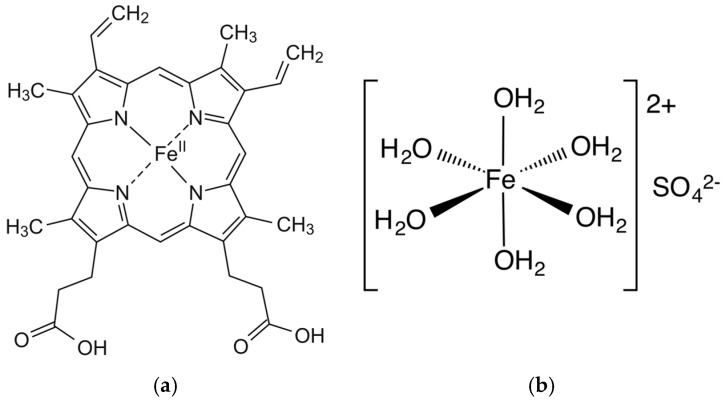
    Our body needs iron to carry oxygen, help enzymes work, and to regulate and maintain itself. Iron exists in two forms in the diet: heme iron, from animal foods such as meat and fish, and non-heme iron, found in plants and widely used in iron supplements.

    How well do we absorb iron?

    Heme iron is absorbed at about 25-30%, while non-heme iron is absorbed at about 3-5%.

    Does anything interfere with our ability to absorb iron?

    Heme iron seems to be mostly unaffected by dietary inhibitors. Non-heme iron is inhibited by phytates, polyphenols, calcium, and some forms of protein, but can also be enhanced by ascorbic acid and meat.

    Meat Factor

    Meat also contains a "meat factor" that enhances non-heme iron absorption from other foods.

    Improving absorption of non-heme iron using Vitamin C

    Ascorbic acid forms a chelate with insoluble non-heme iron in the low pH of the stomach, which persists and remains soluble in the alkaline environment of the duodenum. This greatly improves absorption.

    References:

    view more: next ›