1


Cancer progression is frequently accompanied by systemic inflammation and host-wide disturbances, including neuroinflammation-associated cognitive impairment, yet interventions that simultaneously target tumor growth and host dysfunction remain limited. Here we show that a ketogenic diet suppresses tumor growth while improving emotional and cognitive deficits in tumor-bearing mice. The diet elevates circulating and intratumoral uridine and enriches Flavonifractor plautii, a gut bacterium that contributes to host uridine availability. In tumor cells and patient-derived organoids, uridine cooperates with β-hydroxybutyrate to promote cytosolic DNA accumulation and activate cGAS–Sting signaling, consistent with enhanced antitumor immune activity. In parallel, ketogenic diet, uridine supplementation and F. plautii transplantation reduce systemic and hippocampal inflammatory readouts and improve neurobehavioral phenotypes. These findings identify a diet–microbiota–metabolite axis that links ketogenic metabolism to tumor immune signaling and reduced peripheral-to-brain inflammation in preclinical cancer models.

Full Paper - https://doi.org/10.1038/s41467-026-78868-0

2


Type 2 diabetes is often treated as a chronic, progressive disease, but Dr. David Unwin has spent years showing that, for many patients, remission is possible through low-carb nutrition and a different approach to care.

In this episode, Dr. Bret Scher speaks with Dr. Unwin about how his work as an NHS primary care physician changed after he began focusing on insulin resistance, carbohydrate intake, and the underlying drivers of type 2 diabetes rather than blood sugar alone.

Dr. Unwin shares how his approach to care evolved and discusses published real-world findings on type 2 diabetes remission among patients who chose a low-carb approach. He also explains why long-term maintenance became just as important as achieving remission in the first place, and how he uses continuous glucose monitors to support that process. He also describes his approach to behavioral support, including addressing food addiction.

generated summary

Before low-carb: diabetes care without remission

  • For 25 years, type 2 diabetes care focused on blood sugar prescriptions without investigating the causes; chronic disease care frequently misses underlying causes.
  • Repeat prescriptions dominated while patients developed ulcers, amputations and escalating medication regimens; the work became management of decline.
  • Before 2012, drug-free remission was absent in the practice; higher doses, additional drugs and eventually insulin were the usual progression.
  • An NHS low-carb programme later achieved remission in approximately half of participating patients, a major change from earlier outcomes. [1]
  • Severe dyslexia made medical training difficult despite a strong commitment to helping people; better patient outcomes renewed that purpose.

Publishing outcomes in a normal NHS surgery

  • The first 18-patient low-carb case series documented major improvements and triggered hostility among some dietitians, endocrinologists and doctors. [2]
  • Public heckling and hate mail led to baseline measurements, weekly follow-up, inclusion of poor outcomes and continuous programme audit.
  • These audits improved clinical methods; observational data follow actual patients, with similar work emerging in multiple countries.
  • A subsequent 186-patient NHS service evaluation found about 50% remission without expensive concierge care or a large dedicated team. [1]

How low-carb advice works

  • Norwood Surgery diet sheets and protocols are available in BMJ Nutrition papers; no single carbohydrate limit applies to every patient. [1][3]
  • With insulin resistance, glucose processing is impaired; lowering foods that raise blood sugar and increasing protein and healthy fats addresses this.
  • Research commonly defines low-carb as under 130 g/day, while the effective level depends on individual glucose response.
  • Goals and baseline HbA1c, weight, waist or CGM values guide reassessment; drug-free remission requires HbA1c under 48 mmol/mol (6.5%).
  • Initial remission or satisfactory weight and long-term maintenance are distinct challenges.

Maintenance through feedback and psychology

  • Longer participation at Norwood Surgery coincides with continued average HbA1c improvement; Jen Unwin's psychology input supports maintenance.
  • Progress checks around six weeks and immediate CGM feedback connect glucose spikes with recently eaten foods, without waiting three months.
  • The DiRECT programme achieved nearly 50% remission after one year, declining to approximately 12% after five years. [4]
  • Birthdays, Christmas, holidays, bereavement and stress contribute to lapses, and almost everyone eventually needs renewed support.
  • Persistent pressure to eat carbohydrates in the wider food environment makes ongoing support essential.

Food addiction and long-term adherence

  • Failure to ask about food addiction left it unrecognized alongside the absence of remission; questioning patients revealed substantial cravings for bread and other carbohydrates.
  • A food-addiction study connected addiction with a 670% greater likelihood of type 2 diabetes, making screening important. [5]
  • Jen Unwin's CRAVED questionnaire sometimes identifies carbohydrate addiction throughout groups of approximately 30 people with diabetes.
  • Severe mental-health symptoms can motivate sustained ketosis, while food addiction can interfere with ketogenic adherence, as Iain Campbell has observed.
  • Moderation of bread, potatoes and other problem foods can fail for affected patients; abstinence can be more effective.

Growing acceptance and visible glucose responses

  • An initially isolated and unpopular low-carb approach now has an international network, dozens of annual talks, thousands of attendees and continuing critics.
  • CGMs expose glucose responses; a small bowl of cereal doubles Unwin's blood glucose and causes illness in his own type 2 diabetes.
  • Some criticism attributes low-carb benefits entirely to weight loss, while other data indicate effects on diabetes beyond weight reduction.
  • Approximately 30 papers have been published by the team, alongside clinical learning shared across countries.

GLP-1 drugs: benefits, limits and combinations

  • Low-carb often lowers hunger and body weight; Isabella Cooper's work links nutritional ketosis to higher endogenous GLP-1. [6]
  • Unwin's roughly 15 years of GLP-1 prescribing include reduced cravings for ultra-processed foods and alcohol alongside severe adverse outcomes.
  • Two patients required intensive care: one nearly died of pancreatitis, and another needed removal of most of the bowel after stasis and necrosis.
  • A minimal effective GLP-1 dose for limited duration with a discontinuation plan addresses escalating doses, adverse effects and weight regain.
  • GLP-1 therapy offers an interval for reducing addictive foods and increasing protein, beyond simply decreasing portions of junk food.
  • One patient lost 1 kg over five years with a GLP-1 drug and 27 kg over two years with low-carb; efficacy varies for both approaches.
  • Real-world GLP-1 evidence indicates up to 50% discontinuation within two years, requiring plans beyond initial weight loss.
  • For severe food addiction and poorly controlled diabetes, combining CGM, GLP-1 therapy and low-carb with collaborative decisions can improve adherence.

Medication safety during carbohydrate reduction

  • Insulin, sulfonylureas and SGLT2 inhibitors need medication review as carbohydrates fall; practical clinician guidance is available in a published paper. [7]
  • With CGM and close support, initial insulin dose reductions of 50%, followed by further reductions, have enabled some long-term users to stop insulin.
  • SGLT2 inhibitors can cause euglycemic ketoacidosis, making hydration important on low-carb; doses are sometimes halved and eventually discontinued.
  • Glucose in urine can lead to severe thrush; metformin and GLP-1 drugs are compatible with low-carb without intrinsic hypoglycemia risk.
  • Individualized, clinician-led adjustments with monitoring are necessary.

The changing food environment

  • In earlier medical training, type 2 diabetes was uncommon and absent among patients younger than 60; it now affects younger people.
  • Limited genetic change over forty to fifty years implicates the changed food environment in the diabetes epidemic.
  • Changing the food environment and addressing underlying causes could make type 2 diabetes rare again without relying only on medication.
  • Low-carb is not appropriate for everyone, but ordinary NHS care has yielded remission, lower medication use and savings.

References

  1. [04:52] What predicts drug-free type 2 diabetes remission? Insights from an 8-year general practice service evaluation of a lower carbohydrate diet with weight loss — https://doi.org/10.1136/bmjnph-2022-000544
  2. [07:40] Low carbohydrate diet to achieve weight loss and improve HbA1c in type 2 diabetes and pre-diabetes: experience from one general practice — https://doi.org/10.1002/pdi.1835
  3. [11:14] Insights from a general practice service evaluation supporting a lower carbohydrate diet in patients with type 2 diabetes mellitus and prediabetes: a secondary analysis of routine clinic data including HbA1c, weight and prescribing over 6 years — https://doi.org/10.1136/bmjnph-2020-000072
  4. [15:32] 5-year follow-up of the randomised Diabetes Remission Clinical Trial (DiRECT) of continued support for weight loss maintenance in the UK: an extension study — https://doi.org/10.1016/S2213-8587(23)00385-6
  5. [18:19] Food addiction is strongly associated with type 2 diabetes — https://doi.org/10.1016/j.clnu.2023.03.014
  6. [26:21] Ketosis Suppression and Ageing (KetoSAge) Part 2: The Effect of Suppressing Ketosis on Biomarkers Associated with Ageing, HOMA-IR, Leptin, Osteocalcin, and GLP-1, in Healthy Females — https://doi.org/10.3390/biomedicines12071553
  7. [32:40] Adapting diabetes medication for low carbohydrate management of type 2 diabetes: a practical guide — https://doi.org/10.3399/bjgp19X704525
3
4


Dr. Tro Kalayjian is a board-certified Internal Medicine & Obesity Medicine Physician. He received his medical degree from Touro Medical College and completed his Internal Medicine Residency in the Yale New Haven Health System at Greenwich Hospital, serving as Chief Medical Resident during his time there.

He has published research on the topics of Achalasia, Binge Eating Disorder, Food Addiction, and Severe Hypertriglyceridemia. He has also worked on several clinical research projects, including; a study that demonstrated the statistically significant impact of a novel hospital-based safety initiative, a systemic review comparing treatment options for neuropathic pain and a clinical trial that established a relationship between post-exercise ABI and a positive nuclear stress test.

Dr. Kalayjian's therapeutic focus includes diabetes, obesity, hypertension, hyperlipidemia, metabolic syndrome and PCOS. His approach begins with intensive lifestyle changes including diet, exercise, improved sleep hygiene, as well as stress management, and mental health. He has achieved board certification in both Obesity Medicine and Internal Medicine with a focus on implementing lifestyle and dietary modifications whenever possible.

generated summary

Clinical mission — test medical dogma against patient outcomes

  • Tro Kalayjian reached 350 lb and experienced fatigue and pain; calorie counting was ineffective. He lost 150 lb with ketogenic eating, reconsidered conventional nutritional guidance and shifted his career toward chronic metabolic disease remission.
  • Kalayjian is an internal- and obesity-medicine physician, SMHP board member and Toward Health chief medical officer. The remote practice combines physicians, coaches, messaging, CGMs, connected scales, blood-pressure monitoring and individualized feedback, alongside general medicine, hormones, microbiome problems and cancer prevention.
  • Disease remission and medication deprescribing are explicit clinical goals. Continuous care operates between visits through repeated support and monitoring, while published clinical observations enable wider clinical use.
  • Institutional guidance is challenged through published observations that patients and clinicians can use when evaluating withheld care options. The studies were self-funded, conflicts and affiliations were disclosed, and one collaborator was employed by a pharmaceutical company.
  • Two recent studies examine AHA PREVENT-estimated cardiovascular risk and strong LDL reductions after ezetimibe among ketogenic patients. [1][2]
  • Other ketogenic clinical trials cover metabolic psychiatry, heart failure, weight loss and deprescribing, with further randomized results pending and a growing body of evidence.

Diabetes and triglycerides — metabolic improvement without major weight loss

  • The ADA focused on weight loss for diabetes improvement. In early clinical cases, HbA1c decreased from about 12% to 6% after four months of ketogenic eating and intermittent fasting, all diabetes drugs were stopped, and weight loss was only a few pounds; glycemia improved before substantial weight loss. The early data received little interest from the ADA and were subsequently published. [3]
  • The National Lipid Association warned against ketogenic diets in severe hypertriglyceridemia because high fat intake might elevate triglycerides and induce pancreatitis. The annual pancreatitis-risk estimates cited were 10% at 1,000 mg/dL and 50% at 5,000 mg/dL. [4]
  • Carbohydrate restriction lowers insulin and fasting triglycerides. A two-patient series found severe triglyceride values around 800–1,000 mg/dL or higher decreasing below 200 mg/dL within weeks of ketogenic eating and intermittent fasting, contrary to that contraindication. [5]

Food addiction and binge eating — dietary change with psychological support

  • Some psychiatrists and mental-health professionals associated restriction with worsening binge eating and equated keto or fasting with eating disorders. A 2020 case series found marked improvement in binge-eating and food-addiction symptoms when food addiction was still controversial. [6]
  • In a larger 2025 TOWARD cohort of about 50 people, approximately 40% experienced significant food-addiction symptom improvement and 34% experienced binge-eating symptom improvement during carbohydrate-restricted continuous care. [7]
  • The ketogenic care model combines coaching, group visits, biofeedback and psychological support. Its binge-eating improvement was similar in magnitude to published stimulant-drug effects; GLP-1 drugs may produce larger improvements, while underlying psychological concerns and nutritional adequacy remain important.
  • Jen Unwin's low-carbohydrate and psychoeducational work found sustained food-addiction improvement at one year, with possible two-year follow-up. Nutritional and psychosocial care were combined. [8]

Durable weight loss — continuous care and medication reduction

  • A six-month employer-wellness pilot published in 2022 was followed by a 2025 one-year study of 50 manufacturing employees. Average weight loss was 15.5%, similar in magnitude to semaglutide; unpublished 24-month clinic data showed nearly comparable weight loss. [9][10]
  • At one year, 80% continued losing weight, 82% remained engaged and 92% had lost at least 5% of initial body weight. These results support an employer-based scalable continuous-care approach combining diet with ongoing clinical support. [10]
  • About two medications per participant were stopped and eight were initiated across the cohort when needed. Medication management was individualized, with deprescribing an important outcome. [10]

PREVENT — the AHA's risk scorecard versus its dietary guidance

  • The AHA placed ketogenic diets in the lowest dietary-alignment tier in 2023. The ranking assessed compatibility with nutritional guidance on grains, fruit and fats, not outcomes from a clinical trial of this care model. [11]
  • The AHA introduced cardiovascular-kidney-metabolic (CKM) syndrome, which Kalayjian viewed as a renamed version of insulin resistance and metabolic syndrome, and called for disruptive CKM care models. The clinic evaluated its outcomes with the AHA risk calculator. [12]
  • PREVENT estimates 10- and 30-year probabilities of total cardiovascular disease, ASCVD and heart failure in people without known cardiovascular disease. Inputs include age, sex, blood pressure, total and HDL cholesterol, kidney function, diabetes, smoking and BMI, with optional HbA1c, urine albumin and social deprivation. These are calculated probabilities, not observed cardiovascular events. [13]
  • The intervention combined physician-led continuous care, remote monitoring, coaching, messaging, group support, specialized curricula, an app and AI-assisted clinical tools. Its ketogenic diet targeted fewer than 30 g of carbohydrate daily, limited grains, legumes, starches and fruit, favored animal proteins and fats, avoided seed oils and allowed olive oil, avocado oil, tallow, butter and coconut oil.
  • The cohort included 120 employees enrolled in 2022–2023; 91 reached about one year, around 90 had paired 10-year estimates and 73 qualified for 30-year calculations. Mean age was 52, and the 30-year findings were still unpublished. [1]
  • After one year, estimated 10-year total cardiovascular risk decreased 28%, ASCVD risk 29% and heart-failure risk 42%. These were relative changes in PREVENT risk calculations, not measured cardiovascular events. [1]
  • The risk changes persisted in sensitivity analyses holding medication use, diabetes status, cholesterol or kidney function constant, consistent with changes across multiple metabolic measures. [1]
  • Median weight decreased 12.2%, systolic blood pressure decreased 10.7%, HbA1c decreased 0.48 percentage points amid medication deprescribing, triglycerides also decreased and 13 participants achieved medication-free diabetes remission. [1]
  • Across separate publications, the 29% estimated ASCVD-risk reduction was similar to one-year bariatric-surgery findings, compared with roughly 15% for statins or semaglutide and about 13% for DASH. These were indirect, non-head-to-head comparisons, while surgery entailed much greater expense and invasiveness. [14]
  • The design was an observational before-and-after analysis, not a randomized dietary trial or a cardiovascular-events trial. The AHA PREVENT equations were applied to a ketogenic care model whose diet differs substantially from AHA guidance. [1]

LDL — two ways to manage ketogenic hypercholesterolemia

  • LDL is a major unresolved issue in ketogenic diets. A Soto-Mota and Ludwig meta-analysis associated larger LDL increases with lower BMI, with stable or decreased LDL more common at higher BMI. [15]
  • Earlier lean-mass hyper-responder research found that adding approximately 25–50 g of carbohydrate could substantially lower elevated LDL in some lean ketogenic patients, providing a dietary management option. [16]
  • A non-statin LDL-lowering option was investigated for people continuing ketogenic eating, including those with high cardiovascular risk or difficulties with statins. The statin concerns included muscle and liver effects, mitochondrial function, insulin resistance and potentially reversible cognitive symptoms.
  • Fourteen ketogenic patients with high cholesterol who used ezetimibe were examined, including 12 receiving monotherapy. Clinical assessments also included coronary calcium, genetic markers and cholesterol absorption or synthesis indicators such as campesterol, beta-sitosterol and lanosterol. [2]
  • Median LDL decreased from about 254 to 127 mg/dL, approximately two to three times the usual manufacturer-listed response. HDL remained broadly stable, and triglycerides decreased slightly with uncertain causation. [2]
  • Conventional genetic variants and sterol markers did not predict response. Low insulin increasing intestinal cholesterol absorption is a proposed mechanism for unusually large effects from ezetimibe's absorption blockade, not an established explanation. [2]
  • Marked ketogenic LDL elevation was uncommon in the clinic and concentrated among very lean people or those with major weight loss. Modest carbohydrate reintroduction and ezetimibe were two potential LDL-management options. [2][16]

Closing thesis — make observations reproducible

  • The studies form a strategy of publishing clinical findings to challenge established medical assumptions, improve disease remission and medication reduction, and expand options available for clinical evaluation.
  • Other clinics can calculate PREVENT scores, examine ezetimibe responses, compare findings and publish results. The SMHP's Journal of Metabolic Health has published a therapeutic carbohydrate-reduction consensus guideline, and collaboration can expand the evidence base. [17]

References

  1. [03:32] One-year change in PREVENT-estimated cardiovascular risk during telehealth metabolic care centered on a therapeutic ketogenic diet — https://doi.org/10.1016/j.ajpc.2026.102087
  2. [03:35] Increased LDL-C reduction with ezetimibe in ketogenic diet-induced hypercholesterolemia — https://doi.org/10.1186/s12944-026-03034-w
  3. [09:00] Treating Diabetes Utilizing a Low Carbohydrate Ketogenic Diet and Intermittent Fasting Without Significant Weight Loss: A Case Report — https://doi.org/10.3389/fnut.2021.687081
  4. [09:51] Review of current evidence and clinical recommendations on the effects of low-carbohydrate and very-low-carbohydrate (including ketogenic) diets for the management of body weight and other cardiometabolic risk factors: A scientific statement from the National Lipid Association Nutrition and Lifestyle Task Force — https://doi.org/10.1016/j.jacl.2019.08.003
  5. [10:42] Reversal of severe hypertriglyceridemia with intermittent fasting and a very-low-carbohydrate ketogenic diet: a case series — https://doi.org/10.1097/MED.0000000000000566
  6. [11:52] Treating binge eating and food addiction symptoms with low-carbohydrate Ketogenic diets: a case series — https://doi.org/10.1186/s40337-020-0278-7
  7. [12:47] TOWARD: a metabolic health intervention that improves food addiction and binge eating symptoms — https://doi.org/10.3389/fpsyt.2025.1612551
  8. [14:39] Low carbohydrate and psychoeducational programs show promise for the treatment of ultra-processed food addiction: 12-month follow-up — https://doi.org/10.3389/fpsyt.2025.1556988
  9. [15:13] A Company Is Only as Healthy as Its Workers: A 6-Month Metabolic Health Management Pilot Program Improves Employee Health and Contributes to Cost Savings — https://doi.org/10.3390/metabo12090848
  10. [15:16] TOWARD, a metabolic health intervention, demonstrates robust 1-year weight loss and cost-savings through deprescription — https://doi.org/10.3389/fnut.2025.1548609
  11. [17:22] Popular Dietary Patterns: Alignment With American Heart Association 2021 Dietary Guidance: A Scientific Statement From the American Heart Association — https://doi.org/10.1161/CIR.0000000000001146
  12. [18:14] Cardiovascular-Kidney-Metabolic Health: A Presidential Advisory From the American Heart Association — https://doi.org/10.1161/CIR.0000000000001184
  13. [19:24] Development and Validation of the American Heart Association's PREVENT Equations — https://doi.org/10.1161/CIRCULATIONAHA.123.067626
  14. [25:12] Reduced Risk of Cardiovascular Diseases After Bariatric Surgery Based on the New Predicting Risk of Cardiovascular Disease EVENTs Equations — https://doi.org/10.1161/JAHA.124.038191
  15. [26:58] Increased low-density lipoprotein cholesterol on a low-carbohydrate diet in adults with normal but not high body weight: A meta-analysis — https://doi.org/10.1016/j.ajcnut.2024.01.009
  16. [27:29] Elevated LDL Cholesterol with a Carbohydrate-Restricted Diet: Evidence for a "Lean Mass Hyper-Responder" Phenotype — https://doi.org/10.1093/cdn/nzab144
  17. [33:51] A Delphi consensus-based guideline for the implementation of therapeutic carbohydrate reduction in metabolic disorders — https://doi.org/10.4102/jmh.v9i1.152
5


Dr. David Unwin is GP based in Southport in the United Kingdom. After over 25 years of attempting to treat diabetes by conventional methods, Dr. Unwin was introduced to low carb nutrition through one of his patients and the website www.diabetes.co.uk

From this revelation, Dr. Unwin now ignores official advice and treats his patients with a low-carbohydrate diet. Since adopting the approach, his practice now spends £68,000 less each year on drugs for diabetes than is average for his area.

Dr. Unwin is the RCGP National Champion for Collaborative Care and Support Planning in Obesity & Diabetes, as well as a Clinical Expert in diabetes. In 2015 he won the North West NHS ‘Innovator of the Year Award’ and in 2016 he won the National NHS 'Innovator of the Year Award' for his work in treating diabetes with a low carbohydrate approach.

generated summary

Hope and diabetes remission

  • Continuous glucose monitors (CGMs) reveal glucose around the clock and make clinical work easier. A scientific advisory role with Abbott Laboratories is a conflict of interest. Hope, N=1 evidence, and sustaining improvements are central to diabetes care.
  • Chris had poorly controlled type 2 diabetes at about age 40, weighed 19–20 stone, and had hypertension and fatty liver. Relatives' amputations frightened him. British mortality modelling links each year of poorly controlled diabetes to a loss of roughly one-third of a year of expected life. [1]
  • Chris achieved long-lasting drug-free diabetes remission through carbohydrate restriction. After 25 years of GP work without such cases, the NHS practice achieved 159 remissions, 23% of its diabetes register, alongside about £370,000 in cumulative diabetes-drug savings. His case was published in the BMJ in 2015. [2]
  • Offering patients a choice between dietary change and lifelong medication changes the clinical conversation. Metformin can cause diarrhoea in about 30% of patients; nobody offered this choice in the Southport practice declined the lifestyle approach.
  • These changes provide hope for patients and renewed professional satisfaction for clinicians. Burnout had almost ended the GP's career in 2012, but outcomes like Chris's supported continuing clinical work at age 68.

Anecdotes, black swans, and clinical discovery

  • At a Swiss Re nutrition meeting in Zurich, academics dismissed and humiliated a woman who had lost weight and improved her blood pressure and mental wellbeing by reducing carbohydrate. Her individual experience had relevance and did not warrant dismissal as an anecdote.
  • One black swan disproves the universal hypothesis that all swans are white. Similarly, an N=1 case can overturn a universal clinical assumption; replication then establishes whether the outcome occurs again.
  • Chris was an early black swan for fatty liver: his ALT was abnormal for roughly a decade, from 2002 to 2012, then improved markedly after carbohydrate restriction. A low-fat diet is not the only dietary approach that can help fatty liver.
  • Another woman had abnormal GGT and ALT and non-alcoholic fatty liver disease for over eight years; specialists blamed her dietary fat or alcohol. After carbohydrate reduction for prediabetes, her liver tests normalized.
  • Liver-function tests sometimes improved within three weeks. A series of 95 low-carb patients, followed for nearly 13 months, had an average GGT improvement of about one-third and a before–after P value below 0.0001. [3]
  • Repeated measurements in a single person permit statistical testing: Christine Delon analysed Chris's 13 pre-intervention and 15 post-intervention liver results with a Wilcoxon rank-sum test using continuity correction and obtained a very small P value. A clinical anecdote with serial measurements is data.
  • Another patient had eight years of conventional diabetes care, changed diet in October 2020, and maintained six years of drug-free remission; mean HbA1c fell from about 65 to 44 mmol/mol with a very small P value. Further N=1 analyses are being assembled for publication.
  • Clinical curiosity is essential. An initially angry patient demonstrated the possibility of drug-free diabetes remission, while many clinicians overlook the causes of substantial changes achieved by their patients.
  • Other individual cases included reduced ankle swelling and discontinuation of furosemide. One man in his 80s, near death from heart failure and troubled by diuretics, could wash his car after two months of low carb, mow his lawn a month later, and lived for years.
  • Blood pressure fell so much during low-carb eating that standing caused light-headedness. Subsequent work with cardiologist Professor Adrian Brady examined blood pressure and cardiovascular-risk changes and led to a publication. [4]
  • A challenge concerning potential renal damage from higher protein intake prompted an audit of renal results. Kidney function improved over several years, leading to a publication on renal function during low-carb care. [5]

Evidence, trials, and real-world applicability

  • Results from randomized controlled trials often differed from outcomes in routine general practice. The standard evidence pyramid ranks expert opinion and cases below cohort studies, RCTs, and meta-analyses; this hierarchy was challenged in a BMJ Nutrition editorial. [6]
  • Thousands of weight-loss trials have consumed enormous resources—one search yielded roughly 28,000 results—while obesity has kept worsening. Academic funding incentives encourage more RCTs without necessarily solving clinical problems.
  • RCTs seek high internal validity by controlling variables and excluding complicated patients. Routine patients often have hypertension alongside depression, arthritis, hypothyroidism, reflux, and multiple medications; trial populations can therefore have weak external validity in everyday clinics.
  • Effective outcomes in ordinary clinics can be examined for replication in the UK, Australia, New Zealand, Germany, and North America and for plausible physiology. These are ways to establish external validity despite variation in specific interventions.
  • An evidence square gives trials a role in isolating mechanisms while giving scientific evidence, clinical experience, and patient experience equal importance without automatic hierarchy.
  • At the Zurich meeting, a senior academic responded to a question about clinicians contributing by saying academics must solve the problems first. Professor Roy Taylor subsequently apologised on behalf of academia, affirming the importance of clinician participation.
  • David Sackett's vision of evidence-based medicine integrates best research evidence, individual clinical expertise, and patient choice. It is not cookbook medicine, and rigid guidelines cannot erase clinical judgement or personal experience. [7]

Audits and practice-wide outcomes

  • Routine audits of baseline and follow-up data began because of concern that carbohydrate restriction might increase cardiovascular risk. Subsequent data showed favourable changes across all cardiovascular-risk measures monitored in the practice.
  • After an average of about 33 months, an audit found weight about 10% lower, HbA1c roughly one-third lower, total cholesterol about 10% lower, HDL about 9% higher, cholesterol ratio about 12% better, and LDL about 13% lower. Professor Roy Taylor was senior author on the published analysis. [8]
  • This NHS practice audit had an Altmetric score near 3,400 versus roughly 40 for an average paper and coverage from 26 news outlets. Routine clinical service audits need no ethics approval and are suitable for publication, including in the Journal of Metabolic Health.
  • In a newer unpublished analysis with Ben Bikman, the diabetes register contains 551 patients and average low-carb follow-up is 39 months. Roughly half chose low carb, half of those achieved drug-free remission, about 27% of the whole register is in remission, and those without remission still improved HbA1c by about 2%.
  • Average HbA1c reductions were compared: about 9 mmol/mol for dapagliflozin, 12 for metformin, and 21 for GLP-1 medicines. The low-carb group achieved about 21 mmol/mol, matching the GLP-1 figure; Tro Kalayjian has observed similarly strong lifestyle results.

Maintenance and ultra-processed food addiction

  • Initial success does not guarantee durability: one person's weight cycled repeatedly and ultimately rose from 90 to 136 kg. Long-term maintenance is the holy grail, with ultra-processed food addiction as a major obstacle.
  • John, a successful businessman with severe knee pain, could not qualify for urgently needed knee arthroplasty despite years of effort beginning in 2021. His wife found he got up at 4 a.m. to eat discarded bread crusts even with detergent on them; she later used bleach as a deterrent.
  • Warnings and persistent pressure were ineffective for John. Abstinence from bread, a CGM, and eventually a GLP-1 drug helped him qualify for and undergo knee arthroplasty and resume running his business.
  • About 30% of people with type 2 diabetes have food-addiction symptoms. [9] In group consultations run since 2013, every participant assessed with Jen's CRAVED questionnaire scored in its high range, supporting routine identification of addictive eating.
  • Direct questions can identify specific foods that are difficult to control, commonly bread, biscuits, or pizza. Patients often recognise these foods but may conceal them or respond defensively because abstinence feels threatening.
  • For addictive foods, moderation perpetuates the cycle, while abstinence is necessary, as with alcohol or nicotine. Continued support is important because addiction can be in remission while vulnerability persists.
  • Dietary change needs voluntary commitment and appropriate timing. Someone dealing with divorce or attending solely because of a spouse may be unready; patients can decline initially and return months or years later when willing to engage.
  • Addictive behaviours can shift among foods, alcohol, and cigarettes. Chris gave up bread, subsequently struggled with salted peanuts, and returned from a cruise drinking a bottle of red wine daily; with recurring support and a CGM, his fluctuating HbA1c reached its best result.
  • Rationalisations for addictive eating include earned rewards, restarting on Monday, keeping food for grandchildren, and prolonged holiday indulgence. Anger at abstinence can help identify a problem food, and moderation perpetuates the cycle.

Further cases of hope

  • Josh was 25, weighed 158 kg, had sleep apnoea, and had HbA1c of 57 mmol/mol. Before three months in South America, he received a low-carb information sheet and a CGM and used glucose readings to learn which foods to avoid.
  • Josh returned with HbA1c of 31 mmol/mol, subsequently lost 39% of his body weight, maintained drug-free diabetes remission, and ran a half-marathon. He achieved these outcomes without bariatric surgery or GLP-1 medication and learned to manage his health.
  • His December 2024 CGM trace stayed low. Low-carb eating commonly reduces hunger, and research links carbohydrate reduction with increased endogenous GLP-1 response.
  • Dave weighed 112 kg on his 60th birthday and had severe type 2 diabetes; a major change after 16 weeks was another black-swan case.
  • Another recent patient had HbA1c fall without drugs from 79 mmol/mol (9.4%) to 46 mmol/mol (6.4%) in eight weeks. Emerging practice data show eight weeks is the most common time to drug-free remission.
  • Billy ate ten Weetabix every morning with milk and sugar—equivalent in carbohydrate impact to 37 teaspoons of sugar. Changing that breakfast helped him manage diabetes and participate actively in his own care.

References

  1. [03:24] Estimating life years lost to diabetes: outcomes from analysis of National Diabetes Audit and Office of National Statistics data — https://doi.org/10.1097/XCE.0000000000000210
  2. [05:59] A patient request for some "deprescribing" — https://doi.org/10.1136/bmj.h4023
  3. [14:21] Can dietary carbohydrate restriction improve obesity and abnormal liver function? A general practice service evaluation looking at weight and gamma-glutamyl transferase results over 7 years — https://doi.org/10.1111/obr.13118
  4. [22:04] Substantial and Sustained Improvements in Blood Pressure, Weight and Lipid Profiles from a Carbohydrate Restricted Diet: An Observational Study of Insulin Resistant Patients in Primary Care — https://doi.org/10.3390/ijerph16152680
  5. [22:25] Renal function in patients following a low carbohydrate diet for type 2 diabetes: a review of the literature and analysis of routine clinical data from a primary care service over 7 years — https://doi.org/10.1097/MED.0000000000000658
  6. [24:23] Reducing overweight and obesity; so how are we doing? — https://doi.org/10.1136/bmjnph-2023-000836
  7. [31:47] Evidence based medicine: what it is and what it isn't — https://doi.org/10.1136/bmj.312.7023.71
  8. [36:07] What predicts drug-free type 2 diabetes remission? Insights from an 8-year general practice service evaluation of a lower carbohydrate diet with weight loss — https://doi.org/10.1136/bmjnph-2022-000544
  9. [46:07] The prevalence of food addiction and its association with type 2 diabetes: a systematic review with meta-analysis — https://doi.org/10.1017/S000711452500008X

6
triangle thing with sides (hackertalks.com)
submitted 2 weeks ago by to c/ketogenic@discuss.online
 
 
7


Objective: To evaluate the efficacy and safety of an Eastern Healthy Dietary Pattern (EHDP)-modified ketogenic diet in Chinese patients with obesity and polyendocrine metabolic ovarian syndrome (PMOS; formerly polycystic ovary syndrome [PCOS]) and to provide evidence for a culturally adapted nutritional intervention.

Methods:

This single-arm, self-controlled study enrolled 55 patients with PMOS and obesity (body mass index [BMI] ≥28 kg/m²) from the Clinical Nutrition Clinic of the Second Affiliated Hospital of Zhejiang Chinese Medical University between February 2024 and September 2025. Participants underwent a 12-week phased dietary intervention. Body composition, metabolic indices, reproductive hormones, and clinical symptoms were assessed before and after the intervention.

Results: During the intervention, blood β-hydroxybutyrate concentrations remained within the target range of 0.5-3.0 mmol/L and reached 1.24 ± 0.41 mmol/L at week 12, indicating good adherence. Mean body weight decreased by 9.97 kg (10.63%), body fat mass by 7.53 kg, and visceral fat area by 35.81 cm², whereas skeletal muscle mass decreased by 1.60 kg. The homeostasis model assessment of insulin resistance (HOMA-IR) decreased by 48.8%, and triglyceride concentrations decreased from 1.60 ± 0.91 to 1.08 ± 0.49 mmol/L. Alanine aminotransferase and aspartate aminotransferase concentrations also decreased significantly, whereas low-density lipoprotein cholesterol and small dense low-density lipoprotein cholesterol did not increase significantly. Total testosterone and luteinizing hormone concentrations decreased by 35.8% and 55.5%, respectively, and the luteinizing hormone/follicle-stimulating hormone ratio approached the normal range. Serum 25-hydroxyvitamin D increased from 17.86 ± 3.52 to 23.90 ± 4.12 ng/mL. Clinical symptoms improved, with no clinically significant adverse changes in the assessed safety parameters (all P > 0.05).

Conclusion: A 12-week EHDP-modified ketogenic diet was associated with improvements in body composition, metabolic indices, reproductive hormones, and clinical symptoms in Chinese patients with PMOS and obesity, without clinically significant safety concerns. This culturally adapted approach may offer a practical nutritional strategy for this population; controlled trials are warranted to confirm these findings.

Full Paper - https://doi.org/10.3389/fendo.2026.1948375

8


ADHD is often described as a problem with attention or hyperactivity, but psychiatrist Dr. Georgia Ede argues that the condition is much more complex, involving executive function, dopamine regulation, and potentially brain energy metabolism.

In this episode of Metabolic Mind, Dr. Bret Scher and Dr. Georgia Ede take a deeper look at ADHD, from how it is diagnosed and treated to emerging research on nutrition and glucose metabolism, including questions about ketogenic therapy

Dr. Ede draws on years of experience treating ADHD, including her time at Harvard University, Smith College, and the Hallowell Center. She explains why some people living with ADHD can focus intensely on things that interest them while struggling with everyday tasks, why stimulants can be so effective for some people, and where lifestyle strategies may fit alongside conventional care.

generated summary

Background and what ADHD is

  • Georgia Ede worked in college mental health for 13 years at Harvard and Smith and for over two years at the Hallowell Center, an ADHD specialty clinic. ADHD also occurs in her family.
  • The name Attention Deficit Hyperactivity Disorder is misleading because attention can be intense for interesting activities and hyperactivity occurs in only about half of cases. The difficulty is directing attention to the needed task at the needed time and sustaining it.
  • ADHD is a neurodevelopmental disorder beginning in childhood that affects executive function: motivation, decisions, planning, prioritization, task initiation, follow-through, boredom tolerance, and ordinary sustained-effort work.
  • Being distracted during math yet absorbed in Star Wars is compatible with ADHD. Attention varies with context; insufficient dopamine activity and brain energy during uninteresting tasks can hinder focus. Some behavioral problems are voluntary, but ADHD itself is not merely a choice.

Diagnosis and prevalence

  • No reliable laboratory diagnostic test exists. Symptom checklists alone have limited value, particularly when adults may rehearse criteria to access stimulants for academic advantage. Detailed childhood history and clinical judgment are more useful.
  • Inattention is the low-energy cluster: forgetfulness, procrastination, lost items, disorganization, overwhelm, poor listening, and daydreaming, often associated with girls and women. Hyperactivity is the high-energy cluster: fidgeting, restlessness, impatience, impulsivity, and disruptive behavior, more visible in boys and men. Mixed symptoms form the combined type.
  • Children must have at least six inattentive or hyperactive symptoms under the diagnostic checklist; childhood assignments, last-minute studying, messy rooms, forgotten tests, and repeated reminders give richer historical information.
  • ADHD has been diagnosed in more than 11% of US children and around 6% of US adults, and many childhood cases continue in adulthood. [1][2]

Why diagnoses may be rising

  • Higher diagnostic rates may reflect increased awareness and help-seeking together with actual increases. Potential environmental influences include stress, deteriorating diet, toxins, heavy metals, and prenatal exposures, with their relative contributions uncertain.
  • Dietary hypotheses have long included sugar and additives. Lower iron, zinc, and omega-3 fatty acid levels are more common in children with ADHD, consistent with possible nutritional involvement. [3][4]
  • Maternal type 1 and type 2 diabetes correlate with elevated ADHD risk in offspring, raising the possibility of a glucose-regulation component. Prenatal smoking and alcohol exposure are additional potential influences. [5]
  • Dopamine dysregulation affects reward, pleasure, motivation, and concentration in ADHD. The novelty and immediate gratification of social media attract dopamine-seeking attention; repeated scrolling may increase the stimulation required to maintain attention.

Burden, comorbidities, and strengths

  • ADHD ranges from minor challenges to serious impairment. High intelligence and motivation can coexist with difficulties meeting obligations, harming education, employment, relationships, self-esteem, and independence.
  • Divorce occurs at roughly twice the usual rate, with elevated risks of substance use, addiction, depression, anxiety, bipolar disorder, learning disabilities, accidents, and suicide. Multiple difficulties commonly coexist with ADHD.
  • Creativity, curiosity, humor, inventiveness, nonlinear thinking, and unusual conceptual connections can accompany ADHD. Stimulating or novel work is often a better match than a full day of repetitive paperwork.
  • Some adults reach diagnosis only later in life. Numerous interests can make sustained progress on a single pursuit difficult, creating a sense of being a late bloomer despite strong abilities.

Conventional care and stimulant medication

  • Cognitive behavioral therapy, ADHD coaching, skills development, and time management can help; stimulant drugs are among the most effective biological tools used in ADHD care.
  • Adderall, Ritalin, Dexedrine, and Vyvanse are examples of amphetamine- and methylphenidate-based stimulants. They boost dopamine and norepinephrine activity, often taking effect within an hour.
  • Non-stimulant medicines act on norepinephrine without the same dopamine-linked risks of misuse, tolerance, and addiction. They usually act more slowly and succeed less frequently than stimulants.
  • Stimulants can worsen anxiety, psychosis, or mania alongside ADHD. Combining them with other drugs is sometimes possible under careful monitoring but entails risk.
  • Stimulants can calm hyperactive ADHD through increased activity in brain regions governing inhibition and self-control, while a person without ADHD may feel accelerated. ADHD is also associated with measurable frontal-brain structural and glucose-use differences, independent of intelligence or effort.

External structure

  • Calendars, reminders, task lists, assignment schedules, and smaller work intervals with breaks, movement, or rewards supply useful external structure. They reduce functional demands without eliminating ADHD-related difficulty.
  • Some highly able students at Harvard and Smith needed two or three times the effort of peers to reach similar academic results; motivation and intelligence were not the limiting factors.

Few-foods dietary trials

  • European groups investigated restrictive few-foods or oligoantigenic diets among children with moderate to severe ADHD, including severe cases requiring hospitalization. [6][7][8]
  • Suspected dietary triggers, including chocolate, dairy, and nuts, were excluded. Meals mainly contained poultry, fruit, and vegetables, sometimes rice, apple juice, and dairy-free margarine; the diets were simpler, though not ideal.
  • Approximately 62-82% improved within a few weeks in these studies, and some children ceased meeting ADHD diagnostic criteria. Dietary components could therefore contribute to symptoms, although the responsible foods were not isolated. [6][7][8]
  • Severe restrictions are hard to implement for families, particularly when children eat at school. These barriers and the appeal of medication may contribute to limited interest in dietary research.

Brain energy and the metabolic hypothesis

  • In addition to dopamine and norepinephrine dysregulation, ADHD has links with brain inflammation, mitochondrial dysfunction, and disrupted energy production.
  • A 1990 National Institute of Mental Health PET study published in the New England Journal of Medicine found lower global and regional brain glucose metabolism in adults with hyperactivity since childhood, especially in premotor and superior frontal regions involved in attention and movement. [9]
  • ADHD is linked with approximately 50% higher likelihood of obesity and about twice the risk of type 2 diabetes; maternal diabetes provides another metabolic association. [5][10][11]
  • Associations and abnormalities in brain energy support a metabolic explanation, but clinical trials have not yet demonstrated that metabolic interventions improve ADHD symptoms.

What dietary changes look like clinically

  • At the Hallowell Center, Ede used whole-food and paleo-style diets and removed junk food before incorporating ketogenic therapy. For some younger people with limited metabolic dysfunction, those changes substantially improved attention and task completion.
  • Mental clarity and calm, usable mental energy are frequently among the earliest changes after starting ketogenic therapy, sometimes within days and ahead of improvement in other symptoms.
  • A woman with persistent difficulty maintaining her home began cleaning her bathroom at 6 a.m. without planning it. She was calm, not manic, and could initiate a long-delayed activity.

Drawbacks of stimulant medication

  • Stimulants can produce anxiety, irritability, muscle tension, restlessness, insomnia, and marked appetite suppression, especially concerning for children and underweight adults.
  • Their effects end when the drug wears off. Afternoon energy crashes can severely hinder functioning at work or while driving; some people experience diminished creativity.
  • Stimulants may create uncomfortable, wired energy, while exercise and metabolic approaches aim for calm concentration. Anxiety medicines may be added to counter stimulant effects; stimulants increase activity without correcting the underlying brain-energy and neurotransmitter dysregulation.

Environment, nutrition, and the Oxford trial

  • Cognitive behavioral therapy, coaching, exercise, and mindfulness remain options, as do stimulating occupations aligned with ADHD abilities, including emergency medicine, journalism, art, entrepreneurship, comedy, and carpentry.
  • Whole-food changes come first in Ede's dietary approach. Ketogenic therapy is worth exploring when difficulties persist at home or work, especially with coexisting metabolic or psychiatric problems.
  • Ally Houston has a leading role in an Oxford randomized controlled trial investigating ketogenic dietary therapy for adults with ADHD and depressive symptoms, with Ede acting as an adviser. Results are expected to address questions left unanswered by clinical experience. [12]

Ketone levels and glucose stability

  • One viewer cited feeling good at blood ketone levels of 4-7 mmol/L; no specific level has been established for ADHD, and most people do not reach that range.
  • Fluctuating or elevated glucose can disrupt brain chemistry, increase inflammation and oxidative stress, and impair attention. Some individuals improve through whole foods and carbohydrate restriction without ongoing ketosis.
  • Wearing a continuous glucose monitor for a couple of weeks can show the effects of different foods and guide changes that reduce excessive glucose elevations.
  • A greater brain-energy deficit from impaired glucose use may require higher ketone concentrations as additional fuel. Requirements vary with symptom severity, duration, the individual, and inflammatory dietary factors; the needed level cannot yet be predicted.

Ketosis and medication adjustments

  • Ketogenic therapy changes brain and body physiology sufficiently to affect psychiatric medications. Dietary changes of this kind can function as a substantial medical intervention.
  • In Ede's clinical experience, combining ketosis with stimulants may lead to excessive energy, anxiety, jitteriness, and appetite loss. These effects can indicate that a lower stimulant dose or discontinuation is possible because dietary effects overlap with medication effects.
  • Some patients take stimulants only when outside ketosis. In many cases, stimulants permit as-needed use or discontinuation without prolonged tapering, depending on individual circumstances.
  • Dietary and medication changes require coordination with a clinician experienced in metabolic therapy. Eric Westman's term "keto medicine" conveys the intervention's substantial physiological effects.

Final guidance

  • When attention is difficult, dietary quality is relevant regardless of whether ketosis is needed. Exercise, sleep, mindfulness, planning supports, and assistance managing demands are additional priorities.
  • ADHD is rooted in brain development, with signs usually occurring before age seven and diagnostic criteria requiring evidence before age 12. Brain anatomy and chemistry differ, making self-blame unwarranted while practical responsibility for finding useful supports remains.

References

  1. [08:47] ADHD Prevalence Among U.S. Children and Adolescents in 2022: Diagnosis, Severity, Co-Occurring Disorders, and Treatment — https://doi.org/10.1080/15374416.2024.2335625
  2. [09:02] Attention-Deficit/Hyperactivity Disorder Diagnosis, Treatment, and Telehealth Use in Adults — National Center for Health Statistics Rapid Surveys System, United States, October–November 2023 — https://doi.org/10.15585/mmwr.mm7340a1
  3. [11:15] Essential Trace Elements Zinc, Iron, Copper and Attention-Deficit/Hyperactivity Disorder in Children and Adolescents: A Systematic Review and Meta-Analysis of Case-Control Studies — https://doi.org/10.3390/nu18111797
  4. [11:15] Omega-3 fatty acid and ADHD: blood level analysis and meta-analytic extension of supplementation trials — https://doi.org/10.1016/j.cpr.2014.05.005
  5. [11:35] Maternal Gestational Diabetes Mellitus, Type 1 Diabetes, and Type 2 Diabetes During Pregnancy and Risk of ADHD in Offspring — https://doi.org/10.2337/dc18-0733
  6. [26:32] Controlled trial of oligoantigenic treatment in the hyperkinetic syndrome — https://doi.org/10.1016/S0140-6736(85)91206-1
  7. [26:32] Effects of a few food diet in attention deficit disorder — https://doi.org/10.1136/adc.69.5.564
  8. [26:32] Effects of a restricted elimination diet on the behaviour of children with attention-deficit hyperactivity disorder (INCA study): a randomised controlled trial — https://doi.org/10.1016/S0140-6736(10)62227-1
  9. [30:22] Cerebral glucose metabolism in adults with hyperactivity of childhood onset — https://doi.org/10.1056/NEJM199011153232001
  10. [31:22] Association Between ADHD and Obesity: A Systematic Review and Meta-Analysis — https://doi.org/10.1176/appi.ajp.2015.15020266
  11. [31:27] Risk of Type 2 Diabetes in Adolescents and Young Adults With Attention-Deficit/Hyperactivity Disorder: A Nationwide Longitudinal Study — https://doi.org/10.4088/JCP.17m11607
  12. [39:14] FAD - Food for ADHD and Depression (Oxford randomised controlled trial registry) — https://doi.org/10.1186/ISRCTN62698625
9


Alzheimer’s disease is usually discussed in terms of plaques, tangles, and genetics. Dr. Stephen Cunnane has spent years studying another piece of the puzzle: what happens when the aging brain can no longer use glucose efficiently, and whether ketones can help fill that energy gap.

In this interview, Dr. Bret Scher and Dr. Cunnane discuss the metabolic side of cognitive decline, including insulin resistance, brain glucose metabolism, and why metabolic health may play an important role in both prevention and treatment.

generated summary

Why prevention is central

  • Dementia, cognitive impairment, and Alzheimer's disease are increasingly prevalent and deeply feared because they can take away memory, thinking, independence, and the ability to relate to other people.
  • Medical training gives far more attention to pharmacology than to metabolic health, lifestyle, and prevention, and the medical system makes prevention difficult to integrate into routine practice.
  • Prevention is not miraculous, but hypertension, obesity, type 2 diabetes, cancer, and neurodegenerative disease can be pushed farther away by acting on modifiable risks earlier in life.
  • Type 2 diabetes can be "cured" through prevention even after medications and insulin have begun.

Brain metabolism from infancy to aging

  • The newborn brain is a "hybrid car": glucose and ketones are both normal fuels, ketones can supply about one-third of brain energy, and a healthy term infant's brain can consume about 75% of whole-body energy; premature or low-birthweight infants without adequate fat stores may therefore be vulnerable.
  • Adult ketone therapy is connected to this normal infant physiology, while the modern pattern of rarely moving in and out of ketosis differs from the glucose-and-ketone cycling that would have been common across human life, and loss of that fuel switching is part of the dementia problem.
  • Reduced brain glucose use in Alzheimer's disease has been known since early PET imaging, while George Cahill's 1967 fasting work established that ketones can become a major brain fuel during starvation. [1]
  • The glucose problem begins before diagnosed Alzheimer's disease, including in genetic and sporadic forms and in otherwise healthy aging, so it cannot be explained only by neurons dying late in the disease.

The brain energy problem in Alzheimer's disease

  • Aging together with carbohydrate-heavy diets, excess sugar, sedentary living, and insulin resistance can worsen low brain glucose use while suppressing endogenous ketone production, creating what amounts to chronic starvation of the brain.
  • Plaques, tangles, amyloid, and tau are central to Alzheimer's neuropathology, but clearing plaque does not by itself restore the brain energy needed to learn, store information, and recover memories.
  • Amyloid-directed drugs and metabolic approaches can be complementary; Alzheimer's disease is unlikely to be adequately addressed unless the brain energy deficit is addressed at the same time.

What the clinical trials show

  • Trials of exogenous ketones, MCT, and ketogenic diets include unblinded and randomized studies, with some small successes and many neutral or negative outcomes; most have lasted only 8-12 weeks, while Alzheimer's changes slowly and long-term dietary adherence is difficult.
  • Elizabeth Neal's ketogenic-diet randomized controlled trial in children with epilepsy demonstrates that such a diet trial can be done in neurology, although controlling diet in children is easier than maintaining a long ketogenic intervention in older adults. [2]
  • Matthew Phillips's randomized crossover trial in Alzheimer's disease improved quality of life and daily function on a modified ketogenic diet, while specific memory and cognitive measures did not significantly improve. [3]
  • Quality of life is often not measured, and attention, follow-up, group activity, and the sense that someone is caring for the participant can themselves produce a large placebo or control-group benefit.
  • In two major multidomain prevention interventions in people at risk of Alzheimer's disease, the control-group effect was about three-quarters of the beneficial effect, consistent with exercise, cognitive training, social contact, and active care improving people's lives.
  • Functional ability, communication with family and neighbors, and a better life matter more to patients than biomarker changes.

APOE4, disease stage, and heterogeneity

  • One ketone-product study found cognitive benefit that was markedly weaker in APOE4 carriers, making genotype a plausible modifier of response.
  • The roughly 40-versus-40, six-month MCT study in mild cognitive impairment found no APOE4 effect, but only about 10-12 APOE4 carriers were in each group, so the trial was not powered to settle that question. [4]
  • APOE4 is currently more useful as a research tool than a clinical decision tool: noncarriers are not protected, homozygous carriers have higher risk, and testing can create misleading reassurance even though risk can still be mitigated.
  • Prevention should start early because the same lifestyle risks also drive hypertension, obesity, cancer, and type 2 diabetes; severe type 2 diabetes is already occurring in teenagers, even to the point of kidney transplantation.
  • Advanced Alzheimer's disease is not automatically beyond help: for most severely affected people the effort or cost may no longer be worthwhile, yet periods of lucidity and benefit are seen anecdotally, so there is no justified MMSE cutoff below which trying is automatically futile.
  • Metabolic dysfunction is a contributing factor, not a guarantee that correcting metabolism will eliminate Alzheimer's disease; genetics, other diseases, infections, falls, head trauma, and concussion can all change the response.
  • Beta-amyloid changes can be seen after concussion in university athletes in their twenties and can still leave a fingerprint decades later, illustrating how brain injuries and other exposures can accumulate alongside metabolic risk.

A multidomain lifestyle strategy

  • Exercise, cognitive activity, sleep, stress, and metabolic health all matter, so multiple components are used because no single intervention has been shown to solve every case.
  • A four-component intervention also hedges against imperfect adherence; insulin control is a major constraint, and overnight fasting, possibly around 16 hours, should allow endogenous ketone production to occur.
  • Mild cognitive impairment changes slowly, so a statistically significant shift of one or two points on a memory test may not be clinically meaningful unless it changes daily life or quality of life.

Eric Sprott's funding and the new program

  • Eric Sprott's donation creates the opportunity to combine research with public and clinician outreach; at age 81 he feels healthier on a mainly keto-carnivore diet, his partner has followed a ketogenic diet for more than 20 years, and the goal is for people and doctors to act on preventable risk.
  • Useful action does not have to wait for another five years of research: refined carbohydrate can be reduced now, and exercise is important in part because it increases brain ketone uptake.
  • Cutting carbohydrate intake by about 50% is already useful but may not raise ketones much, so MCT is added to increase ketone availability without demanding a strict ketogenic diet.
  • A small retirement-home study showed that people in their eighties could sustain a reduced-carbohydrate diet while still receiving two smaller desserts a day by lowering the overall carbohydrate load, fruit juice, and soft drinks. [5]
  • The main multidomain project combines reduced carbohydrate, MCT, exercise, and an omega-3 supplement, alongside knowledge mobilization through Keto Celebration and education designed to change health-professional practice.

Type 2 diabetes as an actionable Alzheimer's risk

  • Prevention and slowing established disease are different goals, but type 2 diabetes is one of the top three or four modifiable risk factors for Alzheimer's disease and refined sugar intake is changeable.
  • UK and North American type 2 diabetes programs, including Virta Health and David Unwin, can eliminate medications and insulin; the more precise terms are "remission" or "reversal," not "cure."
  • Preventing or reversing type 2 diabetes does not guarantee prevention of Alzheimer's disease, but reducing a major risk factor should protect the heart, kidneys, and liver and is expected to delay memory problems: "forget Alzheimer's disease" and think below the neck.
  • "Type 3 diabetes" draws attention to brain insulin resistance, but it may also steer attention toward diabetes drugs alone; reduced carbohydrate could potentially be combined with GLP-1, SGLT, or other appropriate drugs.
  • Persistent medical resistance to reducing carbohydrate and sugar intake is the same century-long problem explored by Gary Taubes in Rethinking Diabetes. [6]

SPARCUS and the broader goal

  • SPARCUS is the Sprott Prevent Alzheimer Research Collaboration at the University of Sherbrooke, built around research and getting the public to take prevention seriously.
  • Clinician education can use CME, communities of practice, practitioner exchange, and the experience of patients who have succeeded with metabolic interventions.
  • Metabolic health, mental health, and cognitive health are moving toward the same connected field, and philanthropy from people such as Eric Sprott and the Baszucki family can help change research priorities and medical practice.

References

  1. [07:18] Brain Metabolism during Fasting — https://doi.org/10.1172/JCI105650
  2. [12:27] The ketogenic diet for the treatment of childhood epilepsy: a randomised controlled trial — https://doi.org/10.1016/S1474-4422(08)70092-9
  3. [13:18] Randomized crossover trial of a modified ketogenic diet in Alzheimer’s disease — https://doi.org/10.1186/s13195-021-00783-x
  4. [16:20] A ketogenic drink improves cognition in mild cognitive impairment: Results of a 6-month RCT — https://doi.org/10.1002/alz.12206
  5. [27:55] A reduced carbohydrate diet improves glycemic regulation in hyperglycemic older people in a retirement home: the SAGE study — https://doi.org/10.1139/apnm-2024-0277
  6. [34:52] Rethinking Diabetes — https://www.penguinrandomhouse.com/books/561552/rethinking-diabetes-by-gary-taubes/
10


Metabolic disorders represent a growing global health burden, with a high percentage of adults demonstrating some features of metabolic dysfunction. The Society of Metabolic Health Practitioners recognised the need for a consensus guideline for the implementation of therapeutic carbohydrate reduction (TCR), which is increasingly used in clinical practice. This document updates a 2019 expert panel-derived statement by incorporating new evidence and applying a formal consensus methodology. This guideline was developed using a structured Delphi consensus process with predefined agreement thresholds. The steering committee reviewed and expanded the 2019 document during an initial round (pre-Delphi, round 0), after which panel feedback informed substantial structural revision and integration of comments, resulting in a redrafted version that formed the basis for subsequent consensus rounds. Statement development was informed by a targeted, non-systematic review of human studies from research databases. Given the heterogeneous and evolving evidence base, no formal evidence grading framework was applied. After three rounds of feedback and iterations an anonymous survey was conducted. This Delphi consensus-based guideline provides practical, evidence-informed recommendations for the implementation of TCR in metabolic disorders. Consensus was achieved across key domains relating to the implementation of TCR in metabolic disorders. A whole foods TCR approach is nutritionally sufficient and may be tailored to a wide range of cultural and personal preferences, focusing on protein, healthy fats from whole foods, and vegetables. Therapeutic carbohydrate reduction is safe and effective for a range of metabolic disorders. Adaptation effects are generally mild, short-lived, and easily managed, and long-term adherence is both possible and enjoyable. Further research is required to refine application across diverse populations and clinical contexts.

Full guideline - https://doi.org/10.4102/jmh.v9i1.152

11


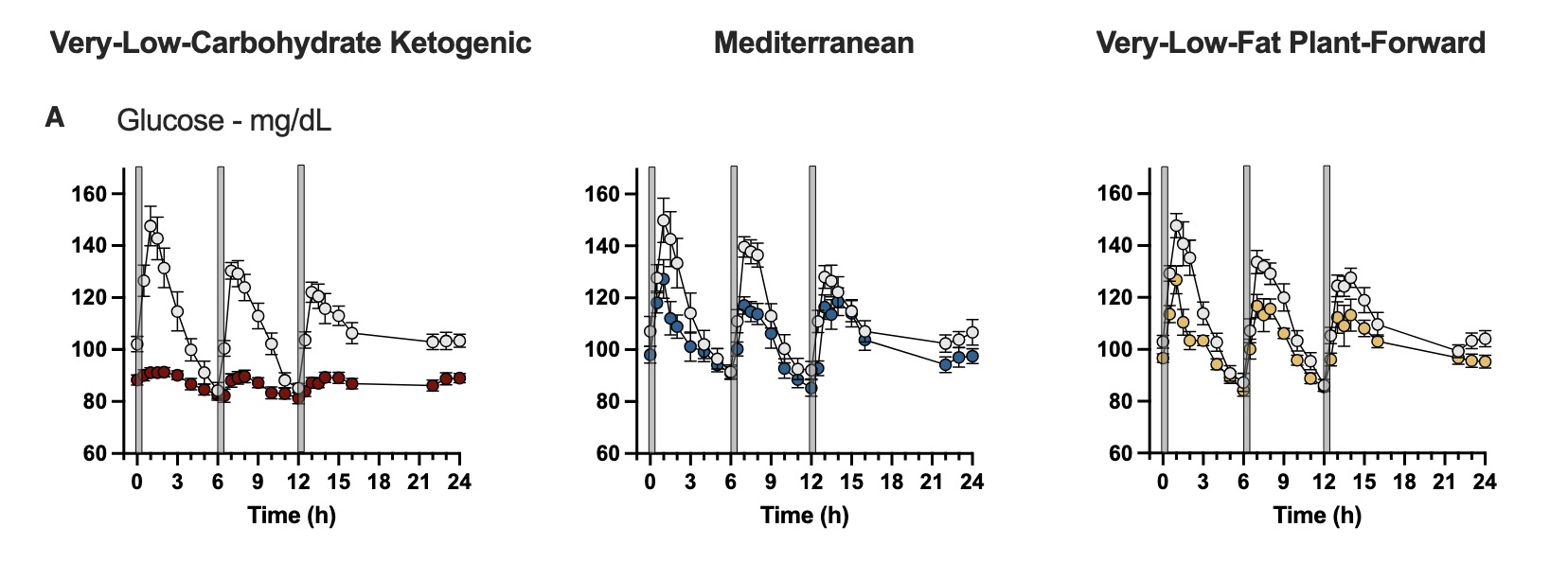
The influence of diet macronutrient content on the cardiometabolic effects of weight loss in people with metabolically unhealthy obesity (prediabetes and hepatic steatosis) has important clinical implications. We evaluated the cardiometabolic effects of moderate (∼10%) weight loss induced by three popular diets with markedly different macronutrient composition (very-low-carbohydrate ketogenic, Mediterranean, and very-low-fat plant-forward). Weight loss increased muscle insulin sensitivity by ∼50% in all groups but caused a two-to-three-fold greater increase in hepatic insulin sensitivity in the very-low-carbohydrate group than the other groups (p < 0.001). Intrahepatic triglyceride content, hepatic de novo lipogenesis, glycated hemoglobin, and 24-h serial plasma glucose and insulin decreased most in the very-low-carbohydrate group. There were no differences among groups in LDL-cholesterol, apolipoprotein B, or 24-h plasma triglyceride concentrations. These results demonstrate that a very-low-carbohydrate diet has greater cardiometabolic benefits, particularly in hepatic metabolic function, than matched 10% weight loss induced by a Mediterranean or very-low-fat diet in people with metabolically unhealthy obesity. This study was registered at ClinicalTrials.gov (NCT02706262).

Full Paper - https://doi.org/10.1016/j.cmet.2026.07.020

12


A red flag next to your LDL number can feel alarming, but LDL is only one part of a much larger cardiovascular risk picture. In this episode of Metabolic Mind, cardiologist and lipidologist Dr. Bret Scher explains how to read a cholesterol panel with more context and less fear. Dr. Scher walks through LDL, triglycerides, HDL, non-HDL cholesterol, ApoB, Lp(a), and the triglyceride-to-HDL ratio. He also explains how the 2026 cholesterol guidelines use the PREVENT risk calculator, where LDL targets currently stand, and why individual risk factors, metabolic health, family history, and direct measures of vascular disease can change the conversation.

generated summary

LDL in context

  • A red flag next to LDL tells you almost nothing about you. Some people dismiss LDL as unimportant; LDL is not unimportant. LDL and ApoB are part of the atherosclerotic process, but they need context.
  • LDL is not the whole story: the standard panel also gives triglycerides, HDL, total cholesterol, and non-HDL cholesterol, and reading LDL in isolation as good or bad captures only a fraction of the picture.
  • Potassium and hematocrit have ranges where a sufficiently abnormal value is dangerous largely independent of the individual. LDL is not like that; its meaning depends on the rest of the individual.
  • A healthy 32-year-old with no family history and a 72-year-old with two cardiac stents can both have LDL of 130 mg/dL with completely different clinical pictures, so LDL requires a conversation and broader evaluation.
  • The 2026 guidelines make LDL above 190 mg/dL an exception: it is high risk regardless of the individual and leads to medication because it is often associated with familial hypercholesterolemia (FH). [1]
  • FH is a genetic condition affecting roughly 1 in 250 people and increases cardiovascular risk at a young age. [2]
  • Data include people with LDL at that level who do not have heart disease and people who have high LDL without FH.
  • Even above 190 mg/dL, high LDL is not automatically high risk in the same way as potassium or hematocrit. The number warrants attention, a thoughtful conversation, further evaluation, and proper FH diagnosis; medication may still be appropriate, but high LDL does not automatically establish a genetic abnormality.

Triglycerides and HDL

  • Before LDL targets, triglycerides and HDL deserve attention because many patients have said their doctor never mentioned those numbers and only looked at LDL. Whether that is literally true matters less than the fact that it was the patient's experience, meaning that is mostly where the conversation went or did not go.
  • A laboratory may call triglycerides under 150 mg/dL normal, while 150 is normal for a metabolically unhealthy population here and triglycerides under 100 mg/dL are the preferred level; that goal is aggressive and important.
  • The triglyceride-to-HDL ratio matters even more, with a preferred level below 1.5. Published insulin-resistance cutoffs are usually around 2 to 3; the aim is optimal metabolic health, while "optimal" is tough to define and kind of squishy, and moving toward below 1.5 remains the goal.
  • The ratio does not behave the same for everyone: Black patients tend to have lower triglycerides at the same degree of insulin resistance, so the cutoff may need different interpretation and requires context, not an absolute threshold. [3]
  • Multiple trials of drugs that raised HDL failed to prevent heart attacks, but interpreting that as HDL not mattering is a misreading of the data. Failure of a drug to prevent heart attacks is not the same as HDL completely not mattering. [4]
  • Low HDL is a very reliable marker of metabolic dysfunction and still tracks with higher cardiovascular risk.
  • In the early cohort data, HDL was a better predictor of heart disease than elevated LDL. [5]
  • General HDL cutoffs are not below 40 mg/dL for men or 50 mg/dL for women.
  • Raising HDL with a drug that does nothing about the underlying metabolic dysfunction is very different from HDL rising because diet changed, exercise started, and visceral fat was lost. In the latter case, the rise signals that the underlying problem is getting better and will absolutely reduce cardiac risk.
  • Genetically very high HDL, around 90 mg/dL or higher for an entire life, is not necessarily beneficial; some people in that range have genetically high HDL that is actually dysfunctional. The number matters less than why the number is what it is. [6]

Lp(a), ApoB, and risk estimation

  • Lp(a) is not on the standard lipid panel, but the 2026 guidelines recommend that every adult have it measured at least once in a lifetime because it is a separate genetic risk factor that can refine overall cardiovascular risk. Even with its inclusion in the guidelines, patients may still need to ask their doctor specifically for it. [1]
  • In reality, the focus should be ApoB, not LDL. ApoB is still underused, while LDL is the most common lipid test on the standard lipid profile, so patients can ask their provider for ApoB.
  • The LDL number means almost nothing on its own.
  • The 2026 guidelines use the PREVENT risk calculator. [1][7]
  • The older Pooled Cohort Equations overestimated risk, so people were being told they were at higher risk than they actually were. [8]
  • There is a legitimate concern that medicine keeps moving the goalposts with lower thresholds to put more people on more medications, but PREVENT went in the opposite direction: its risk estimates came down, even though the targets continue to get lower. [8]
  • Risk calculators are evidence-informed estimates, not absolutes, and should spark a conversation without dictating care. Medical practice often breaks down at the last stage of translating a population-based estimate to the individual.
  • PREVENT uses age, blood pressure, BMI, kidney function, smoking, diabetes status, and the lipid profile; places the individual into low, borderline, intermediate, or high risk; adjusts for risk enhancers such as family history, obesity, lupus, rheumatoid arthritis, and other inflammatory conditions; and then gives a recommendation about whether LDL-lowering medication is used and how intensive it is. [1]

Imaging vascular disease

  • High LDL by itself does not cause heart attacks or strokes; arterial plaque causes heart attacks and strokes. LDL is not the disease; vascular disease is the disease.
  • For borderline and intermediate risk, the guidelines include coronary artery calcium (CAC) testing. A CAC score is a quick non-contrast CT that looks at calcium in the actual arteries and screens the individual for vascular disease beyond reliance on a population formula. [1]
  • CAC scans are not perfect, but for men over 40 and women over 45 they are a good test to refine cardiac risk. Coronary CT angiography is even better, although it is harder to obtain and is not included in the guidelines. [1]

LDL goals and medication decisions

  • The repeated focus on factors beyond LDL reflects that LDL is only a small part of the picture. LDL targets are more controversial because the goalposts have moved the most over the past few decades.
  • The 2026 guidelines set LDL under 100 mg/dL for borderline or intermediate risk, under 70 mg/dL for high risk or established heart disease, and under 55 mg/dL for very high risk; in reality, most patients with established heart disease end up with the under-55 target. High-risk patients also need at least a 50% reduction from baseline on top of hitting the goal. [1]
  • Those targets have continued to get lower and lower, but they are not completely made up: they come from studies showing fewer cardiovascular events at those levels.
  • Evidence-based targets still leave questions about absolute benefit at lower targets, diminishing returns, cardiac events versus all-cause mortality, which people benefit most, and whether higher drug doses produce more side effects.
  • Borderline risk with LDL 120 mg/dL but no plaque is a case for conversation, not a reflex prescription by any means.
  • Not everyone wants medication, and that is their right to choose. Some people value agency and bodily autonomy more, value current certainty over a future possibility, and for some the psychological burden of giving that up degrades quality of life; clinicians and guideline writers need to respect that because numerical guidelines do not capture it.
  • Coronary disease with LDL 65 mg/dL and multiple medications raises another important conversation about adding to growing polypharmacy for a small absolute event reduction to get below 55, not a reflex prescription.

Metabolic health and practical use

  • LDL by itself means nothing and needs context, and all of this takes a backseat to making sure metabolic health is being addressed.
  • Lowering LDL as far as possible while not aggressively addressing insulin resistance is like using scotch tape to plug a leaky dam: it may make someone feel better briefly, but it will not solve the problem.
  • Even the best LDL-lowering trials reduce cardiac events by only a small absolute amount and do not eliminate them, not even close, so other issues still need attention and metabolic health rises near the top.
  • This complexity is appropriate. Simplifying LDL to one number or equation that is simply good or bad does everyone a disservice; LDL is not a clear universal normal-or-abnormal value like potassium.
  • When a lab comes back flagged, do not panic and do not ignore it: look at the whole panel; ask about triglycerides, HDL, the triglyceride-to-HDL ratio, Lp(a), and ApoB; ask for the PREVENT score; and ask whether CAC or possibly coronary CT angiography makes sense.
  • People have more agency over their health than most realize, and access to more information can help them make better decisions than any one single number on a lab sheet can.

References

  1. [00:39] 2026 ACC/AHA/AACVPR/ABC/ACPM/ADA/AGS/APhA/ASPC/NLA/PCNA Guideline on the Management of Dyslipidemia: A Report of the American College of Cardiology/American Heart Association Joint Committee on Clinical Practice Guidelines — https://doi.org/10.1161/CIR.0000000000001423
  2. [02:43] Estimating the prevalence of heterozygous familial hypercholesterolaemia: a systematic review and meta-analysis — https://doi.org/10.1136/bmjopen-2017-016461
  3. [04:39] Should triglycerides and the triglycerides to high-density lipoprotein cholesterol ratio be used as surrogates for insulin resistance? — https://doi.org/10.1016/j.metabol.2009.07.027
  4. [04:56] Effect of HDL-Raising Drugs on Cardiovascular Outcomes: A Systematic Review and Meta-Regression — https://doi.org/10.1371/journal.pone.0094585
  5. [05:17] High density lipoprotein as a protective factor against coronary heart disease: The Framingham Study — https://doi.org/10.1016/0002-9343(77)90874-9
  6. [05:57] Rare variant in scavenger receptor BI raises HDL cholesterol and increases risk of coronary heart disease — https://doi.org/10.1126/science.aad3517
  7. [07:08] Development and Validation of the American Heart Association's PREVENT Equations — https://doi.org/10.1161/CIRCULATIONAHA.123.067626
  8. [07:15] Evaluation and Comparison of the PREVENT and Pooled Cohort Equations for 10-Year Atherosclerotic Cardiovascular Risk Prediction — https://doi.org/10.1161/JAHA.124.039454
13


Dr. Bret Scher speaks with registered dietitian Denise Potter about two widely debated approaches to nutrition. They explore how each can be evaluated when someone is considering a ketogenic diet to support psychiatric, neurological, or metabolic health.

Denise brings more than 30 years of clinical experience, including approximately 20 years working with medical ketogenic therapies. She explains the importance of risk-benefit analysis, how clinicians can assess potential nutrient gaps, and how lab testing, supplementation when indicated, and individualized support may help identify and manage potential risks.

This conversation offers a practical look at how different ketogenic approaches may be designed, monitored, and adjusted with individualized guidance and appropriate clinical support.

generated summary

Core premise

  • People can find health benefits through carnivore and vegan diets; the clinical goal is to support success while applying an appropriate risk-benefit analysis.
  • Nutrition and medicine often focus on side effects of ketogenic or carnivore therapy without the same risk-benefit comparison used for medications; metabolic therapies can have a much lower risk profile than many drugs.
  • A prominent nutrition researcher was quoted about LDL increases with a keto-like low-carbohydrate, high-fat diet saying the risks outweighed the benefits, while the benefits had not been assessed in that judgment.[1]
  • When these diets are used for a medical condition, an experienced healthcare professional is very important when available, and most foreseeable nutrient concerns can be tested, monitored, supplemented, or otherwise addressed.

Carnivore: clinical experience and risk-benefit case

  • Initial dietetic objections to carnivore centered on inadequacy and insufficient variety, but people were happy, felt better mentally and physically, and often lost weight, making a well-formulated carnivore-ketogenic diet worthy of reevaluation.
  • Carnivore and carnivore-ketogenic are not the same thing: someone can eat carnivore without being in ketosis, depending on protein intake and how the diet is formulated.
  • A person preparing to start ketogenic therapy had severe tardive dyskinesia from a psychiatric medication used years earlier, remained on three or four psychiatric medications plus another drug for the tardive dyskinesia, and struggled with the side effect continuously.
  • That case illustrates the risk-benefit comparison: potential nutrient deficiencies from dietary therapy need to be weighed against medication harms; people can sometimes use fewer medications or occasionally come off medications, although getting everyone off medication is not the goal.
  • A vitamin C deficiency or scurvy is easier to correct with supplementation than lifelong tardive dyskinesia.

Carnivore-ketogenic diet: ketosis and setup

  • Enough protein can supply glucose and reduce the need to make ketones, while elimination effects can still occur without ketosis and ketosis may add separate benefits.
  • A gradual transition can be useful; a common target is about a 1.5:1 fat-to-protein-plus-carbohydrate ratio, roughly 75-77% of calories from fat, with individual variation in the ratio needed for ketosis.
  • As a rough 1,700-1,800 kcal example, this can mean about five ounces of cooked protein at each of three meals with roughly two tablespoons of added fat per meal.
  • Carnivore can be logistically simple because there are fewer food choices and less calculation than in many ketogenic diets.
  • Scurvy is an obvious concern, yet people can remain carnivore for years without developing it; theories involve altered vitamin-C requirements, absorption, and competition, but good studies establishing why are absent.
  • Chicken liver supplies more vitamin C than beef liver, and a low-dose multivitamin or targeted supplement is an easy way to cover uncertain long-term gaps when tolerated.
  • Iodine can come from fish or iodized salt; pink or Himalayan salt is not an iodine source, and excessive high-dose iodine supplementation should be avoided. Sodium-potassium salt blends can also help with electrolytes.

Fiber, bowel function, and the microbiome

  • Standard fiber recommendations do not necessarily fit every ketogenic or carnivore patient: one patient used a very-low-fiber keto formula for more than 20 years with good gut health, and low-residue diets can help severe gastrointestinal problems.
  • A 10-patient Crohn's disease and ulcerative-colitis case series using carnivore-ketogenic therapy found clinical improvements in all 10 cases, with several patients remaining on the diet for five years or longer.[2]
  • Temporary carnivore can also function as an elimination approach; one family used it while healing gastrointestinal problems and later reintroduced foods they had previously been unable to tolerate.
  • Evidence used to justify fiber is generally generated in higher-carbohydrate dietary settings, so the same assumptions may not transfer unchanged to a ketogenic setting.
  • A bowel movement every three days is not constipation by itself when the person is comfortable, while daily bowel movements do not guarantee that stool is not being retained; symptoms and function matter more than frequency alone.
  • Magnesium can be useful when sleep, bowel function, or intake indicates a need.
  • Some carnivore reviews raise placebo effects as an explanation for benefits, but benefits persisting for years are difficult to reduce to a short-lived placebo response.[3]
  • A recent carnivore study found a gut microbiome that remained diverse but shifted in composition, reinforcing how immature the field is and how little certainty exists about one universally healthy microbiome.[4]
  • With gut health, the practical focus is whether the person is recovering and functioning well now, because microbiome science is still a "wild west."

Cancer, phytonutrients, and metabolic context

  • Red meat has an association with colorectal cancer, but much of that evidence is observational and depends on recalled diet; dietary context, processed meat, cooking methods, body weight, and metabolic health all matter.
  • A well-formulated carnivore-ketogenic plan here is not necessarily a giant steak diet: about five ounces of meat per meal can fit the target, while processed meat, charring, and foods eaten alongside meat can change the context.
  • U.S. prevalence figures of about 0.4% for colorectal cancer, 6-8% for serious mental illness, and more than 20% for any mental illness illustrate why the relative clinical priorities can differ.
  • The relevant comparison is not risk versus zero risk: serious psychiatric illness is common, psychiatric drugs can have major metabolic costs, and a carnivore-ketogenic diet may provide meaningful benefits that must be weighed against possible long-term harms.
  • Phytonutrients and antioxidants can be beneficial, but their absence is not by itself a reason to reject a therapy that is working; the balance can also change if the diet is temporary or metabolic health improves.
  • Most nutrition research outside keto is performed during carbohydrate metabolism, so physiological assumptions from that literature do not automatically transfer to ketosis.
  • Thyroid medication is one example where needs can change quickly during ketosis, making individualized monitoring more useful than assuming the usual recheck interval applies.
  • LDL is measurable and does not automatically disqualify the diet; when it rises substantially, a coronary-artery calcium scan can provide a low-level look at whether concern and further testing or cardiology evaluation are warranted.
  • The approach is to see whether LDL actually becomes an issue, monitor metabolic health, and escalate cardiovascular evaluation when the findings warrant it.
  • Psychiatric medications commonly cause weight gain and metabolic deterioration, while people with serious mental illness can die 10-20 years earlier, making metabolic consequences part of the same risk-benefit calculation.

Carnivore nutrients, bone health, and clinical support

  • "Nose to tail" is less important than nutrient variety: fish, poultry, beef, pork, and organs can all contribute, and a food-tracking app can reveal what is missing.
  • A colleague had a beef-only carnivore patient develop an essential-fatty-acid deficiency that resolved with omega-3 supplementation; grass-finished beef contains more omega-3 than grain-finished beef but far less than fish.
  • Vitamin E, vitamin K, and calcium also deserve attention; bone-in fish such as sardines can provide calcium, while calcium supplements have their own potential risks.
  • Bone health is not assured after five or ten years; DEXA scanning is standard in ketogenic epilepsy care, and DEXA after long-term carnivore use is an off-the-cuff idea that might be useful simply to make sure.[5]
  • Protein and physical exercise support bone health, and almost every nutrient or safety concern here has a practical way to measure, follow, check, or supplement.
  • Asking every patient to obtain a doctor's permission before keto can shift responsibility onto a clinician unfamiliar with the therapy; patients should inform their clinician, and genuine contraindications should be addressed.
  • For medical-condition use, guidance from a healthcare team remains important, but keto-experienced clinicians are scarce; the consensus guidelines from Georgia Ede and colleagues can help clinicians understand ketogenic metabolic therapy.[6]
  • An ideal team can include a keto-skilled physician, dietitian, health coach, or therapist, but access and affordability are real limitations, so training more professionals is necessary.

Vegan-ketogenic diet

  • Vegan diets are more medically accepted and better studied than carnivore, but their nutrient deficiencies are also well known and generally addressable, especially vitamin B12, iron, iodine, and vitamin D.
  • Removing processed fortified foods can reduce intake of nutrients that were being supplied through enrichment and fortification.
  • Ketogenic therapy can reduce folate intake when fortified carbohydrate foods are removed; whether this increases neural-tube-defect risk is uncertain, so women who could become pregnant should use supplementation as a simple precaution.[7]
  • Vitamin B12 supplementation is an absolute requirement on a vegan diet because deficiency can cause severe neurologic illness.
  • Ethical, religious, and cultural reasons to remain vegan should be respected; when veganism is only an experiment and is not helping, adding animal protein can be an option, as some patients in the IBD case series improved after moving from vegan to carnivore.[2]
  • Vegan-keto is harder to make ketogenic because plant protein sources bring more carbohydrate, so it often allows more carbohydrate and uses MCT oil or an MCT-style diet to support ketosis.
  • Plant proteins are generally less bioavailable and may not provide all amino acids in the same proportions as animal protein, so variety and repeated three-to-four-day food tracking can identify gaps.

Protein, omega-3s, and follow-up

  • Protein at 0.8 g/kg, the RDA, is a basement, not an ideal target, while WHO guidance can go somewhat lower; when a vegan patient is functioning well at the low end, the diet can remain while protein rises through beans, lentils, hemp, tofu, and other sources even as carbohydrate rises.[8]
  • Outcomes should include the condition being addressed as well as metabolic health, body composition, lean mass, and strength.
  • Vegan omega-3 intake needs attention because conversion of ALA to EPA and DHA is low; chia and flax can help, and an omega-3 supplement is often a sensible addition.
  • Iodine, calcium, and vitamin D overlap as possible gaps on both carnivore and vegan diets; at the restrictive ends of keto a modest multivitamin is often useful, and tracking at about 75% of most nutrients is generally sufficient.
  • Before or very early in ketogenic therapy, baseline labs are needed; repeat them after about three to four months and, when continuing, about every six to nine months, adding diet-specific tests such as B12, MMA, and zinc and thinking about DEXA after long-term use.
  • The central practical rule is to measure what can be measured, correct deficiencies that can be corrected, and work with a qualified professional especially when ketogenic therapy is used for a medical condition.

Closing point

  • Carnivore and vegan diets are too often handled as polarized absolutes; people can find health benefits with both approaches, both can have manageable deficiencies, and both can be designed as ketogenic therapies when ketosis is the goal.
  • A risk-benefit analysis should judge the whole intervention, including benefits, nutrient status, medication risks, metabolic health, and measurable adverse effects, without rejecting a diet because it does not fit a preferred dietary model.

References

  1. [04:53] 'Keto-like' diet may be associated with a higher risk of heart disease, according to new research — https://www.cnn.com/2023/03/05/health/keto-low-carb-high-fat-diets-heart-disease
  2. [19:39] Case report: Carnivore–ketogenic diet for the treatment of inflammatory bowel disease: a case series of 10 patients — https://doi.org/10.3389/fnut.2024.1467475
  3. [22:05] Carnivore Diet: A Scoping Review of the Current Evidence, Potential Benefits and Risks — https://doi.org/10.3390/nu18020348
  4. [23:37] Long-term adherence to the carnivore diet and its impact on the gut microbiota: a cross-sectional study — https://doi.org/10.1530/MAH-25-0015
  5. [40:17] Optimal clinical management of children receiving dietary therapies for epilepsy: Updated recommendations of the International Ketogenic Diet Study Group — https://doi.org/10.1002/epi4.12225
  6. [43:04] Awareness and best practices in using ketogenic therapy to treat serious mental illness: a modified Delphi consensus — https://doi.org/10.3389/fnut.2026.1749406
  7. [47:22] Low carbohydrate diets may increase risk of neural tube defects — https://doi.org/10.1002/bdr2.1198
  8. [51:43] Protein and amino acid requirements in human nutrition: report of a joint FAO/WHO/UNU expert consultation — https://iris.who.int/bitstream/handle/10665/43411/WHO_TRS_935_eng.pdf
14


What if the uterus is an end organ, responding to insulin and inflammation the same way the heart, kidneys, and liver do?

Dr. Andréa Salcedo is a board-certified OBGYN (DO, MPH, FACOG) and associate professor at Loma Linda University School of Medicine whose research and clinical practice, which she calls conscious gynecology, examine gynecologic disease through a metabolic lens.

In this episode she walks through the evidence that uterine fibroids share progenitor cells with atherosclerotic plaque, why she now teaches residents that fibroids are cardiovascular disease of the uterus, and how high insulin acts at the level of the brain stem to block ovulation. The conversation also covers her clinical observations on fasting insulin thresholds by body type, the renaming of PCOS to PMOS, what hormonal contraceptives do and do not treat, the role of chronic stress and adversity in gynecologic disease, and the four insulin-resistant transitions of a woman's life.

generated summary

Personal path to metabolic gynecology

  • Conventional gynecology can reduce heavy periods and fibroids to birth control and surgery without addressing why they developed.
  • Infertility can persist despite a normal workup; food changes alone may not help, while leaving a highly stressful job can be followed by conception.
  • Miscarriage followed by conception without an intervening period connects food, stress, inflammation, and reproduction.
  • Gestational diabetes can occur despite a lean body size; even a sliver of pancake can drive glucose to about 160.
  • Conscious gynecology links high insulin and inflammation with food, stress, sleep, environment, and other competing demands.

The uterus as a metabolic end organ

  • The uterus belongs in the end-organ model used for other metabolic disease, beyond reducing uterine disease to "female hormones." [2]
  • Uterine smooth-muscle biology and atherosclerotic plaque biology share features that connect fibroids with vascular disease. [3]
  • Uterine fibroids are cardiovascular disease of the uterus, with hypertension, diabetes, and visceral adiposity as important risk factors.
  • Metabolic care is not a magic bullet, and no studies show that a ketogenic or low-carbohydrate diet makes fibroids disappear.
  • Menstrual-cycle length, bleeding amount, and frequency can act as metabolic vital signs because they can change as hypertension, diabetes, and other metabolic problems develop.
  • Heavy bleeding can begin even when ultrasound looks normal because ultrasound shows gross structure, not microscopic endometrial and vascular function.
  • After the endometrium sheds, uterine muscle and blood vessels must constrict; impaired vascular function can prolong bleeding, and calcium-channel blockers can also lengthen periods.

Insulin, ovulation, and menstrual dysfunction

  • Structural pathways include the lining, fibroids, and polyps, while functional pathways include endocrine signals that alter ovulation and bleeding.
  • The hypothalamus senses whether the environment is safe for reproduction, and high insulin can interfere with ovulation when stress and metabolic pressure are high.
  • Prolonged irregular menstruation matters because persistent anovulation increases uterine-cancer risk.
  • A single fasting-insulin threshold is incomplete: women who store energy peripherally can have higher insulin, and cycles can stop when fasting insulin rises above about 20.
  • Clinical literature often uses about 10 as an optimal fasting-insulin value, but slender women can have insulin below 5 and still have metabolic disease.
  • The slender-phenotype ideas are clinical musings without data; these women can have endometriosis symptoms, diabetes, heart disease, fibroids, and low insulin despite a one-hour glucose around 200.
  • Pancreatic insufficiency or a personal fat threshold may be involved; "craft models" also enter the question, but whether those populations were separated by body habitus is uncertain.
  • Women with high insulin were about three times more likely to have heavy periods or menstrual problems in Salcedo's study; larger studies should separate fibroids, endometriosis, polyps, and BMI. [2]
  • Insulin is useful but not the whole picture: even when insulin is not high, damaging effects of hypoglycemia can remain, and HOMA-IR and similar measures may be better tests for a slender phenotype.

PMOS and a broader metabolic model

  • PCOS is now Polyendocrine Metabolic Ovarian Syndrome, or PMOS, a name that better reflects the multisystem metabolic problem. [1]
  • The Stein-Leventhal system is a two-of-three diagnostic system using hyperandrogenic signs, irregular periods, and polycystic ovaries; the syndrome can wax and wane and patients can be pigeonholed by the diagnosis.
  • The PMOS name legitimizes checking cardiovascular and metabolic risk markers such as lipids, CRP, and insulin, especially because gynecologists often function as a woman's main medical clinician.
  • PMOS is metabolically similar to a pre-diabetes warning condition; gestational diabetes can expose risk before later type 2 diabetes becomes obvious.
  • In Mexican-American women, gestational diabetes can progress to type 2 diabetes within roughly 10 years; that risk can motivate early metabolic action.
  • A metabolic model expands management beyond birth control and surgery to lifestyle changes, medications, and surgery based on each woman's capacity and resources.

Hormonal contraception and individualized care

  • Hormonal contraceptives use synthetic hormones at levels that suppress the brain-pituitary-ovary ovulation signal; steady exposure thins the endometrium and withdrawal bleeding is usually lighter.
  • Hormonal contraception is commonly used outside its approved indication for heavy menstrual bleeding, while the progesterone IUD is the hormonal contraceptive specifically FDA-approved for heavy menstrual bleeding.
  • The progesterone IUD has been credited with avoiding hysterectomy in about 86% of women, making it a major option for heavy bleeding.
  • Modern medicine and contraception remain necessary for some women, but others cannot use hormones or experience headaches, mood changes, depression, or libido changes.
  • A natural cycle normally includes an estrogen rise around ovulation, whereas ovulation suppression removes that cyclic pattern.

Inflammation, stress, trauma, and personalized care

  • The "inflammation circle" looks for drivers of inflammation and high insulin, including family history of diabetes, hypertension, or obesity, vitamins and supplements, sleep, and food aversions or intolerances.
  • Food aversions can connect with prior experiences, including aversion to red meat; other factors include smoking anything, especially marijuana or vaping as major inflammatory exposures, alcohol, nightshades or lectins, snoring as nighttime choking that raises blood pressure, and starch intake.
  • The assessment also includes anxiety, depression, safety at home, night or shift work, partner-relationship quality, and significant adversity or traumatic experiences.
  • Adversity and trauma activate the HPA axis; under chronic stress, adrenal levels can "putter out" and become less useful to measure, while sympathetic activation can keep fight-or-flight active.
  • When fight-or-flight stays active, glucose can stay up and insulin can stay up to maintain normal glycemia; investigative work identifies each person's triggers, and it is not just carbs.
  • A ketogenic diet does not fix everyone; once inflammatory triggers are understood, the plan can combine lifestyle, medications, and surgery.
  • Lifestyle tools include cod-liver oil for the gut microbiome, biosensors or continuous glucose monitors to identify glucose rises from food and stress, electrolytes, ketogenic or low-carbohydrate eating, avoiding foods such as nightshades, attention to sleep, and medications or surgery when needed.
  • Trauma therapy, including EMDR, can also be part of the personalized approach.
  • This is slow personal work and can take time, while still producing useful outcomes and satisfaction.
  • Physiological threat responses cannot simply be reasoned away; autonomic pathways need physiological work with good trauma therapy.
  • A couple of case write-ups involving near-resolution of endometriosis pain after this work are underway, but the data are still thin.
  • Reviews linking adversity with chronic disease show statistically significant associations even when the odds ratios are not large.

Perimenopause, menopause, and integrated women's health

  • Puberty, pregnancy, lactation, and perimenopause are normal transitions in which insulin resistance changes.
  • As estrogen falls around menopause, fat distribution shifts from hips and thighs toward the abdomen, increasing inflammatory visceral fat and insulin resistance; estrogen is metabolically protective.
  • The Women's Health Initiative tested whether estrogen plus progesterone protected against cardiovascular disease, using older postmenopausal women because heart attacks, strokes, and clots are rarer in younger women. [4]
  • Synthetic hormones given after women were already through the transition slightly increased clot risk in this setting, and the resulting fear of hormone therapy came from an interpretation of the study that was incorrect. [4]
  • Reproductive and metabolic health are inseparable from longevity; modern overload, comparison, work pressure, and constant stimulation can exceed what female biology can sustainably absorb.
  • Creating more space, reducing overload, slowing down, and being intentional can help women care for metabolic and reproductive health and give their symptoms greater biological validity and legitimacy.

References

  1. [01:12] Polyendocrine metabolic ovarian syndrome, the new name for polycystic ovary syndrome: a multistep global consensus process — https://doi.org/10.1016/S0140-6736(26)00717-8
  2. [01:24] The uterus is an end organ: a preliminary study of the association between abnormal uterine bleeding and hyperinsulinemia — https://doi.org/10.1097/GME.0000000000002548
  3. [12:22] Human atherosclerotic plaque cells and leiomyoma cells. Comparison of in vitro growth characteristics. — https://pubmed.ncbi.nlm.nih.gov/163592/
  4. [56:50] Risks and Benefits of Estrogen Plus Progestin in Healthy Postmenopausal Women: Principal Results From the Women's Health Initiative Randomized Controlled Trial — https://doi.org/10.1001/jama.288.3.321
15


Dr Deepa Mahananda graduated from Western Sydney University in 2012 and completed her junior medical officer training at Concord, Canterbury and Broken Hill hospitals. Her postgraduate qualifications include the Fellowship of the College of General Practitioners, Sexual Health & Family Planning Certificate and Diploma in Child Health (University of Sydney). She is passionate about teaching and is a Conjoint Lecturer with Western Sydney University.

Deepa currently works full time at Sydney Low Carb Specialists. She is passionate about using low carbohydrate nutrition for both optimal health and chronic disease management, especially in womens’ health and is leading an educational network for low carb practising GPs in Sydney. Dr. Mahananda is a Certified Ketogenic Nutrition Specialist, credentialed by the American Nutrition Association through its Board for Certification of Nutrition Specialists.

generated summary

Australasian Metabolic Health Society

  • AMHS was established in July 2023, has more than 200 members, and operates as an independent not-for-profit professional society across Australia, New Zealand, and the wider Australasian region.
  • AMHS is led by a board chaired by Professor Karen Dwyer, with advisors James Muecke, Rod Taylor, Gary Fettke, and Peter Brukner, plus a geographically broad scientific committee of clinicians, researchers, and academics.
  • The AMHS mission is to prevent and reverse disease by addressing root causes through the full spectrum of therapeutic carbohydrate reduction, alongside exercise, sleep, and emotional health.
  • AMHS does not accept sponsorship from ultra-processed food, pharmaceutical, or supplement companies; independence is essential for evidence-based, non-industry-influenced education.

The education gap

  • The core problem is a disconnect: low-carbohydrate and ketogenic therapies have a vast, established, high-quality evidence base, but translation into health-professional and university curricula is glacial.
  • Misconceptions that carbohydrate reduction is too hard, unsafe, a fad, or unsuitable for older people contribute to fragmented care; some health professionals have even disowned patients for raising it.
  • Conflicting advice from isolated multidisciplinary practitioners leaves patients caught in the middle and adds stress to their care.

RACGP CHECK

  • A case-based RACGP CHECK publication, developed over almost a year by Dr Ronald Schweitzer, Dr Louise Phillips, and Dr Liz Fraser, places therapeutic carbohydrate reduction in its integrative-medicine category and includes it as a first-line therapeutic option. [1]
  • The case centers on a patient with hyperinsulinemia, metabolic syndrome, fatty liver disease, and prior gestational diabetes; the unifying problem is carbohydrate intolerance, making carbohydrate reduction a crucial first-line option.

Education and advocacy

  • Monthly private Grand Rounds create a safe space for experts to share cutting-edge research and practical education, clinicians to share case studies, and participants to engage in open Q&A and debate.
  • Low Carb Foundations courses and a 10-module online course provide structured training, especially for dietitians, diabetes educators, nurses, and other health professionals.
  • AMHS publicly challenged South Australia's LiveLighter "toxic fat" campaign because it used calorie-in/calorie-out and "eat less and exercise more" messaging; its overt focus on obesity was body-shaming and wrongly pointed to self-control rather than hormonal balance. [2][3]
  • Persisting with 12-year-old nutrition advice while ignoring current science will not reduce chronic disease and risks making it worse. [3]
  • AMHS is also working with medical schools and partner organizations on university curricula and fit-for-purpose dietary guidelines, while supporting a draft guidance statement coordinated by Dr Laureen Lawlor-Smith. [4]
  • Diabetes Australia's article "What's better, butter or margarine?" prompted an AMHS open letter over saturated-fat portrayal, cardiovascular-risk links, nutrient density, and preference for ultra-processed foods over natural fat sources; the article was later amended. [5]

Member experiences

  • Aman, a final-year medical student, joined after seeing a friend improve with ketogenic metabolic therapy and valued the combination of open-minded debate, scientific depth, and practical education.
  • Counselor Vanessa Creedler used the Low Carb Foundations network in food-addiction work and found that collaboration with metabolically aligned practitioners transformed patient care.
  • GP Dr Eugene Khoo has seen patients with type 2 diabetes come off medication and also credits low carb with changing his own health after being overweight, unwell, and following bad advice.
  • Dietitian Cassidy Dotson moved from conventional guidelines and professional isolation into a collaborative network; her clients had better energy and reduced medication reliance.
  • Health coach Carla Carter applied Dr Alex Petrushevski's Grand Rounds session on homocysteine to a carnivore client; testing found high homocysteine, followed by B vitamins and a food-based approach. [6]
  • Clinical nurse consultant Philip L. has seen substantial improvements in wound, bowel, and bladder management among clients with neurological conditions, including people he had thought were untreatable.
  • Organized collaboration across health professions can break down silos and create real change in communities.

References

  1. [05:17] Integrative medicine — :contentReference[oaicite:0]{index=0}
  2. [09:03] Hard-hitting ads launched to tackle a weighty issue — :contentReference[oaicite:1]{index=1}
  3. [09:08] AMHS responds to South Australia's Live Lighter campaign — :contentReference[oaicite:2]{index=2}
  4. [10:42] Cardiovascular disease and metabolic health — :contentReference[oaicite:3]{index=3}
  5. [10:51] What's better, butter or margarine? — :contentReference[oaicite:4]{index=4}
  6. [14:17] Homocysteine and Methylation — :contentReference[oaicite:5]{index=5}
16


Starting college can change almost everything about your routine, including how, when, and what you eat. For students using ketogenic therapy as part of their mental health treatment, that transition can take some planning.

In this interview, Dr. Bret Scher speaks with licensed mental health counselor Nicole Laurent about how students using ketogenic therapy with clinical support can navigate a college setting, where dining halls, dorm rooms, busy schedules, social events, and limited budgets can all affect food choices.

generated summary

College transition and therapeutic keto

  • College can sharply reduce control over food and meals; when nutritional ketosis, therapeutic ketosis, or medical keto is helping a mental health condition, preparation before the transition and practical supports can maintain ketosis.
  • The Dorm Room Keto guide gives specific and big-picture ways to keep keto going in college, and many of the same ideas also help people who simply want to eat better. [1]

Nutrition and micronutrient screening

  • Medical education gives too little attention to nutrition in brain health; many people lack basic micronutrients needed for a healthy brain, good mood, and good cognitive function.
  • Many obvious micronutrient insufficiencies and deficiencies can be seen with basic blood work, so physicians and prescribers can learn simple functional nutrition and functional blood chemistry analysis without requiring a multidisciplinary team.
  • Useful tests include B12, B6, a carnitine panel for anybody doing a ketogenic diet, and vitamin D; lab ranges used to define nutrient sufficiency can be outdated, wrong, or miscalculated.
  • A recent B12 study found that a value around 500, commonly accepted as normal, can still be too low while nerve damage is occurring, so definitions of normal in the medical literature need updating. [2]

Feasibility and dorm-room options

  • Keto is doable and can also be affordable in many circumstances, and Mariela Glandt's work with low-income populations shows that limited budgets do not make it impossible. [3]
  • Advice from a doctor, dietitian, or other expert can make keto seem too hard for college and favor something more manageable even when that person has no experience with the situation; experience from people who have done it shows that it is doable.
  • Dorm appliance rules vary, but even where hot plates, air fryers, and pressure cookers are prohibited, a mini fridge, microwave, electric kettle, and blender can make keto workable.
  • No-cook options include deli meat with cream cheese, pickles, olives, cucumber, mayo, or dressing; cheese and nuts; Greek yogurt with berries; canned tuna or chicken with mayo and pickles; salads with pre-cooked meat; pre-cut vegetables with guacamole, cream cheese, or tahini; and good-quality hot dogs from convenience stores.

Dining halls, preparation, and practical support

  • College cafeterias commonly have salad bars and are more likely to offer plant-based options than low-carb or keto options, reflecting a nutritional bias; the salad bar can be supplemented with higher-fat and higher-protein foods such as canned tuna, canned chicken, and avocado mayo.
  • Cafeterias may also have single-serving dressing, nut-butter packets, and butter pats that can be taken back to the dorm when allowed and used later.
  • Maintaining nutritional ketosis for mental health requires preparation so meals do not catch someone off guard; some people plan a week at a time and others do not think that way, and both can work.
  • Preparing roughly three times as much food keeps extra meals in the mini fridge; friends with apartments or functioning kitchens can lend kitchen access, and people who care can help with meal prep, so asking for help and cooking together can work well.

Social pressure and disclosure

  • New peers may see different food choices as strange, and people can feel judged by someone eating differently even when it has nothing to do with them; questions, interrogation, or pushback can come from feeling uncomfortable, judged, threatened, or self-conscious.
  • This social reaction can happen at any age, including when an adult declines cake; it is not age-specific, but peer opinion can feel especially important in college-aged groups and can magnify the issue.
  • Affirming what other people are doing can calm the situation so they do not feel threatened, while an explanation can stay limited to what feels safe: "This is how I have to eat to feel good," "My brain doesn't work as well if I don't do this," or "I'm a biohacker and this is how my brain works best."
  • A full explanation about mental illness is not owed to someone who is not emotionally safe; openness can match the depth of the friendship, and keeping that information private is not inauthentic.

Using the food budget differently

  • Meal delivery may fit the budget after comparing it with existing spending on eating out, GrubHub, and prepared food; self-managed breakfast and lunch can leave room for a delivered dinner.
  • Where a school allows students to skip the meal-hall plan, that money can go toward a local meal-prep service or personal cook; low-carb or keto services may need a few rounds of adjustment to reach medical macros, and MCT oil can cushion a meal that comes with too many carbs when tolerated.

Mental health symptoms and first dietary steps

  • The KIND pilot trial in college students with major depressive disorder found a ketogenic intervention doable, safe, and seemingly effective for depression. [4]
  • College is a time when anxiety increases and more serious mental illness, a broader spectrum of psychiatric symptoms, and mental health disorders can emerge.
  • When mental health symptoms begin, a first step is asking whether the food is actually food or mostly highly processed food and moving to a whole-foods diet by pulling out highly processed foods.
  • Mental health difficulty in college is hard when students are there to perform, achieve, and connect; removing Doritos and sugar is easier than the symptoms already being experienced, and a dorm mate can help with different food choices or meal prep.
  • Not every mental health symptom requires ketogenic therapy; cleaning up ultra-processed foods, alcohol, and possibly drugs can help, and moving to whole foods is also the first step on the way to ketogenic metabolic therapy.

Maintaining a helpful ketogenic diet

  • When keto is already giving therapeutic benefits and well-being is better on it, college difficulty does not require giving it up; there are many ways to make it work, and people nearby, including unexpected sources of help, can assist.

References

  1. [01:03] Dorm Room Keto for Mental Health — https://mentalhealthketo.com/2025/04/17/dorm-room-keto-for-mental-health/
  2. [06:27] Vitamin B12 Levels Association with Functional and Structural Biomarkers of Central Nervous System Injury in Older Adults — https://doi.org/10.1002/ana.27200
  3. [08:24] Keto Offers Hope in the Bronx: Endocrinologist Uses Diet to Help Underserved Patients Recover Health — https://www.metabolicmind.org/resources/news-views/podcasts/metabolic-mind-podcast/keto-offers-hope-in-the-bronx-endocrinologist-uses-diet-to-help-underserved-patients-recover-health/
  4. [21:40] A pilot study examining a ketogenic diet as an adjunct therapy in college students with major depressive disorder — https://doi.org/10.1038/s41398-025-03544-8
17


In this episode of The Feldman Protocol, what does it take to recognize and address a compulsive relationship with food — and why does that recognition matter so much? Jen Unwin (clinical and health psychologist) joins Dave to explore the psychology of hope in medical settings, her personal history with carbohydrate-driven food behaviors, the evidence behind ultra-processed food addiction as a proposed clinical category, the WHO/ICD recognition process, GLP-1 medications as one potential tool, and why social context and proximity to trigger foods shape outcomes for so many people.

generated summary

Hope, clinical psychology, and solution focus

  • Clinical and health psychology work in physical-health settings showed that distress is not proportional to pathology; the meaning of a change for a person's future is central.
  • A businessman attacked with a machete remained hopeful about rebuilding his life and business even if he needed a wheelchair, while a war reenactor who lost an arm stayed optimistic because his friendships and reenactments could continue.
  • A shy joiner who lost only the tip of a finger became profoundly distressed because the injury threatened his imagined future, making hope and future interpretation central.
  • In the nun study, positive, hopeful emotional content in autobiographies written by young nuns was linked with better health and longer life decades later. [1]
  • In a very large older-adult sample, greater hopefulness predicted less medication and health-care use, less disease, and greater longevity. [2]
  • In prospective lower-limb amputation work, age, sex, and amputation factors were poor predictors of adjustment, while hope was the best predictor of mood, quality of life, and rehabilitation. [3]
  • Solution-focused practice asks about best hopes, the preferred future, strengths, and what is already working; it gives clinicians a practical way to build hope without scolding people or simply giving advice.
  • Research across mental health, education, and social work links solution-focused practice with greater resilience to work stress and burnout.
  • Combining solution-focused psychology with low-carbohydrate nutrition transformed David's general practice, and an academic background led to systematic data collection and publication of the outcomes.

My own food history and the addiction model

  • Jen was obsessed with sweets and refined carbohydrates from childhood, was overweight as a teenager, and grew up where dieting and baking were both common.
  • John Briffa's Escape the Diet Trap provided a low-carbohydrate explanation centered on insulin and sugar; after about eight difficult days without those foods, mental clarity returned and hunger became minimal.
  • That freedom was not sustained consistently when keto cookies, cakes, and other recreated foods entered the diet, because foods that maintained the same relationship could still be overeaten.
  • Bitten Jonsson's Diet Doctor material on sugar addiction made the addiction model fit the experience: the problem involved both nutrition and the relationship with sugar and refined carbohydrates, leading to real whole foods as nature intended.
  • Dave Feldman's history with French fries shows food noise bargaining with rules: after years without fries, exceptions expanded from travel to restaurants until fries were back whenever the rule permitted them.
  • Addiction is intelligent people doing stupid stuff; abstinence from personal trigger foods can remove constant internal negotiation in the same way that complete abstinence can simplify recovery from alcohol, cigarettes, or drugs.
  • Food differs because eating is necessary, so each person has to identify foods that trigger loss of control; for many people these are ultra-processed foods, refined grains, and sugar, while vulnerability exists on a continuum.

Children, reward, and addictive learning

  • Food can become a child's first self-soothing drug because children usually cannot access nicotine, alcohol, or illicit drugs, while sugar is everywhere and is routinely used as a reward.
  • Research on adverse childhood experiences links childhood adversity with a greater likelihood of later addictive problems, including problematic relationships with food.
  • Chris van Tulleken ate a diet that was about 80% ultra-processed food for a month and had brain MRI scans before and after; new connections formed between reward areas and habit or automatic-behavior areas, and those connections were still there six months later. [4]
  • A developing, highly neuroplastic brain can wire these reward-and-habit pathways strongly, making repeated exposure to highly rewarding foods especially important in children.
  • Once an addictive pattern is wired, stopping one substance or behavior can expose another: people giving up sugar can suddenly increase scrolling, shopping, or another compulsive behavior.
  • After bariatric surgery, a proportion of people develop a new alcohol-use disorder, another example of an addictive process moving to a different outlet.

Recognition and the case for ultra-processed food addiction

  • Ashley Gearhardt developed the Yale Food Addiction Scale, which applies addiction criteria to eating behavior and is widely used in research. [5]
  • The first application to the World Health Organization was rejected because there was no consensus, too little intervention evidence, existing obesity and eating-disorder categories, and concern about confusion.
  • A Delphi process involving 40 experts and two workshops answered the consensus objection; 37 reached consensus, with the terminology ultra-processed food addiction and, in ICD language, ultra-processed food use disorder. [6]
  • Food addiction is not the same thing as obesity: a meaningful proportion of people who meet food-addiction criteria are normal weight or underweight, while many people with obesity do not meet the criteria.
  • Food addiction overlaps with binge-eating disorder and bulimia but not completely, so forcing everyone into obesity or existing eating-disorder categories misses people whose core problem is addiction.

Intervention data and recovery programs

  • An unfunded citizen-science intervention with Sweet Sobriety and Leva Sockerfri used roughly ten weeks of online education, real whole low-carbohydrate food, addiction education, planning for social situations, and relapse prevention.
  • Yale Food Addiction Scale scores, CRAVED symptoms, and Warwick-Edinburgh mental wellbeing were measured; the initial pre-post paper and the 12-month follow-up found large improvements, with 62% of completers in remission at the end and benefits maintained over follow-up. [7][8]
  • Tro Kalayjian's metabolic-clinic data show that a metabolic health intervention can reduce food-addiction and binge-eating symptoms. [9]
  • Ellen Bennett's Liberate program has produced similarly strong improvements using an online, peer-supported psychoeducational program. [10]
  • Susan Peirce Thompson's Bright Line Eating program has six-year follow-up data for an abstinence-based food-addiction recovery approach. [11]
  • These are early intervention data, and the field needs direct comparisons between approaches; a direct comparison between this program and a properly delivered ketogenic approach would test which model works better.
  • Guido Frank's ketogenic-therapy work in adults with anorexia nervosa provides a proof-of-concept example that nutritional ketosis can be studied even in a population where people have been very cautious about it. [12]
  • Formal recognition can unlock research funding, clinician training, and services for people who currently fall between obesity, eating-disorder, and addiction systems.

Clinical systems, industry, and the recovery environment

  • Doctors, eating-disorder services, and addiction services are often not trained to recognize food addiction, and an "all foods fit" approach can be disastrous for someone whose problem is loss of control around specific foods.
  • The situation is roughly where smoking was 60 or 70 years ago: the harm was visible, but it was socially normalized, minimized, and difficult to escape because the product was everywhere.
  • The food industry also resembles tobacco in obscuring addiction; Michael Moss's Hooked documents companies using brain scans and reward responses while formulating foods, and major tobacco companies later owned large food businesses. [13]
  • The low-fat era intensified this by removing fat from products and adding sugar for palatability while teaching people to fear foods such as butter and fatty meat and favor "heart-healthy" grain-based products.
  • A residential recovery environment can remove cues, provide real whole very-low-carbohydrate food, exercise, community, and enough time for the early withdrawal period to pass before people return to their usual environment.
  • Recovery still has to work at home, where cues and social pressure return; ongoing fellowship and support matter because old addictive pathways can reactivate quickly.

Classification, terminology, and diagnosis

  • Food addiction, sugar addiction, refined-carbohydrate addiction, and ultra-processed food addiction are overlapping names for the problem; for formal classification, ultra-processed food addiction currently has the strongest evidence base.
  • Refining a food changes the speed and concentration with which rewarding substances reach the body and brain, much as extracting concentrated substances from plants changes their addictive potential.
  • The practical diagnostic axis is behavioral: cravings and compulsions, tolerance, neglect of other activities, loss of control over amount, withdrawal, and continuing despite harm.
  • The CRAVED tool mirrors these addiction features and gives a compact way to identify the pattern.

How common it is and who is vulnerable

  • A study of retired elite athletes using the Yale Food Addiction Scale found a striking level of food-addiction problems after retirement, around two-thirds, especially around carbohydrate-rich foods that had been part of high-volume training. [14]
  • Across the general population, food addiction is around 14%, so it does not affect everyone but is far from rare. [15]
  • Food addiction is associated with about a 6.7-times higher likelihood of type 2 diabetes. [16]
  • Food addiction is also associated with mental-health problems, with a figure of about 2.6 times higher.
  • The number of affected adults in the United Kingdom is therefore in the millions, and prevalence may be a little higher in children.
  • The host's "bingery hypothesis" is that episodes of extreme bingeing may cause acute, unnoticed vascular injury that accumulates over time; it is explicitly a hypothesis, not an established finding.

Recovery in daily life

  • Lionel Sanders moved from drug addiction into extreme exercise and became an Ironman champion, then later entered "sugar rehab" after heavy carbohydrate loading left him waking at night to eat granola bars; the outlet changed, but the addictive pattern remained.
  • Creative repetitive activities such as knitting, crochet, and sewing can be calming and absorbing, and evidence links repetitive, meditative activity with better mental wellbeing.
  • Jen's old pattern included thinking about carbohydrates from morning to night, secret eating, and foods such as butter and sugar, condensed milk, and peanut butter; peanut butter is still kept out of the home because it can restart the food noise.
  • Giving up a trigger food can involve real grief: one retreat participant held a funeral for a particular chocolate bar because it had functioned as comfort, reward, and companionship.
  • Social pressure is often surprisingly strong, with other people urging someone in recovery to have "just a little" of the very food they are trying to abstain from.

Caffeine, GLP-1 drugs, and behavior change

  • Dave Feldman's lipid self-experiments included people with unexpectedly high triglycerides and an N-of-1 investigation in which filtered versus unfiltered and caffeinated versus decaffeinated coffee were tested; triglycerides fell only when coffee stopped.
  • Jen's caffeine withdrawal became obvious when a coronary calcium scan required skipping coffee: the headache disappeared almost immediately after caffeine, and after tapering off there were about two weeks of chest pressure and panic-like sensations.
  • GLP-1 drugs can be useful for severe cases, but they should be paired with addiction knowledge, nutrient-dense food, and habit change so that people are not simply eating smaller amounts of the same nutrient-poor diet.
  • David has used very-low-dose oral semaglutide as a bridge for some difficult cases while working on behavior and food quality, using the same broad logic as a medication bridge in another addiction.
  • Bariatric surgery also shows why behavior still matters: after about two years, a proportion of people begin regaining weight if the underlying food relationship and environment have not changed.

Nutrient density and prevention

  • In residential work, women who had chronically eaten too little protein often became much less hungry when enough protein and nutrient-dense food were supplied.
  • Ty Beal's nutrient-density paper shows how dramatically foods differ in the amount needed to obtain key micronutrients: roughly 7 grams of liver three times a day versus about 4 kilograms of refined grains at each meal. [17]
  • Food addiction can be easier to prevent than to manage for life, making children and adolescents the current priority: parents, schools, and young people need to understand how repeated exposure to highly rewarding food can shape behavior before the pattern becomes entrenched.

References

  1. [00:22] Positive emotions in early life and longevity: findings from the nun study — https://doi.org/10.1037/0022-3514.80.5.804
  2. [00:23] The role of Hope in subsequent health and well-being for older adults: An outcome-wide longitudinal approach — https://doi.org/10.1016/j.gloepi.2020.100018
  3. [00:24] A prospective study of positive adjustment to lower limb amputation — https://doi.org/10.1177/0269215509339001
  4. [00:59] UCL academic follows ultra-processed food diet for BBC documentary — https://www.ucl.ac.uk/news/2021/may/ucl-academic-follows-ultra-processed-food-diet-bbc-documentary
  5. [01:04] Preliminary validation of the Yale Food Addiction Scale — https://doi.org/10.1016/j.appet.2008.12.003
  6. [01:08] Toward consensus: using the Delphi method to form an international expert consensus statement on ultra-processed food addiction — https://doi.org/10.3389/fpsyt.2025.1542905
  7. [01:14] Low carbohydrate and psychoeducational programs show promise for the treatment of ultra-processed food addiction — https://doi.org/10.3389/fpsyt.2022.1005523
  8. [01:14] Low carbohydrate and psychoeducational programs show promise for the treatment of ultra-processed food addiction: 12-month follow-up — https://doi.org/10.3389/fpsyt.2025.1556988
  9. [01:15] TOWARD: a metabolic health intervention that improves food addiction and binge eating symptoms — https://doi.org/10.3389/fpsyt.2025.1612551
  10. [01:16] A feasibility and acceptability study of Liberate: an online, peer-supported, psychoeducational intervention for ultra processed food addiction — https://doi.org/10.3389/fpsyt.2025.1620372
  11. [01:16] Six-year follow-up of an abstinence-based, food addiction recovery approach to weight management — https://doi.org/10.3389/fpsyt.2025.1584201
  12. [01:17] Symptom impact and safety of ketogenic therapy in adults with anorexia nervosa: a feasibility trial — https://doi.org/10.1038/s43856-026-01644-0
  13. [01:30] Hooked: Food, Free Will, and How the Food Giants Exploit Our Addictions — https://www.penguinrandomhouse.com/books/246273/hooked-by-michael-moss/9780812987133/
  14. [01:52] Investigation of Retired Elite Athletes' Food Addiction — https://doi.org/10.23751/pn.v23i4.11156
  15. [01:53] Prevalence of food addiction determined by the Yale Food Addiction Scale and associated factors: A systematic review with meta-analysis — https://doi.org/10.1002/erv.2878
  16. [01:53] Food addiction is strongly associated with type 2 diabetes — https://doi.org/10.1016/j.clnu.2023.03.014
  17. [02:37] Priority Micronutrient Density in Foods — https://doi.org/10.3389/fnut.2022.806566
18


Studies of thousands of elderly patients have found the blood pressure associated with the longest life is about 129-130, a number many guidelines classify as stage 1 hypertension.

Paul and Alison work through your comments from episode 1 and on Pauls' nutrition masterclass delivered to doctors.

Summary


  1. Introduction

    • The Dr. Paul Mason Show, episode two.
    • Hosts: Allison and Dr. Paul Mason.
    • Headphones are worn to improve audio quality after feedback on the pilot episode.
    • Allison explains she is helping Paul share information after 25 years of friendship.
  2. Nutrition Masterclass for Doctors

    • Paul gave an online tutorial to sports and exercise medicine trainees.
    • The session lasted two hours.
    • It focused on distilling science and addressing falsehoods in mainstream medical education.
    • The goal was to help doctors provide evidence-based care.
  3. Comment on Apples and Potatoes Diet

    • A viewer suggested eating only apples and potatoes would produce the same results as low-carb diets if weight is lost.
    • Paul disagrees.
    • Complex carbohydrates are chains of glucose molecules.
    • Potatoes contain starch, which is a complex carbohydrate.
    • Apples contain fructose, which Paul calls more deleterious.
    • Digestion releases glucose into the bloodstream, raising blood sugar and insulin.
    • High glucose and insulin drive production of palmitic acid, a saturated fat in blood.
    • Glycemic instability affects brain function and weight gain.
    • Low-carb diets stabilize blood sugar and reduce hunger.
    • Ad libitum trials show spontaneous calorie intake drops when sugar and insulin are controlled.
    • Apples and potatoes do not address satiety.
    • Vegan and vegetarian diets lack substantive nutrition.
    • Missing nutrients include B12, heme iron, retinol, K2, omega-3 fatty acids, and complete proteins rich in leucine and methionine.
    • Short-term metabolic improvements may occur from calorie restriction, but long-term nutrient deficiencies will cause harm.
  4. Vitamin B12

    • B12 absorption requires an acidic stomach environment and intrinsic factor.
    • Absorption occurs in the ileum.
    • Pernicious anemia is a failure of B12 absorption.
    • Before injectable B12, pernicious anemia was universally fatal.
    • Animal foods are the only source of B12.
    • Paul questions how a diet requiring supplements to avoid death can be called the most healthful.
    • Reference ranges for B12 are often 95% confidence intervals based on the general population, not optimal levels.
    • One laboratory considers 135 to 650 adequate, but literature suggests levels below 400 are suspicious.
    • The elderly are at higher risk due to reduced stomach acid and proton pump inhibitor use.
    • B12 deficiency is linked to dementia, anemia, and impaired neurotransmitter synthesis.
    • Some patients diagnosed with dementia no longer met criteria after B12 supplementation.
    • Low B12 can cause depression and high cholesterol through molecular mechanisms.
    • Paul recommends annual B12 testing at minimum.
    • Supplements often do not require stomach acid for absorption.
    • Intrinsic factor deficiency may require injections.
    • Methylated B12 is preferred.
    • Hydroxocobalamin injections are acceptable.
    • Cyanocobalamin is considered less optimal.
    • Carnivore dieters often have B12 levels of 800 to 1000, which Paul says is healthy.
  5. Weight Loss and Blood Pressure Medication

    • A viewer reported losing 35 lbs, stopping blood pressure medication, and ending indigestion and sciatica.
    • Paul quotes JH from 1931: "The greatest danger to a man with high blood pressure lies in its discovery because then some fool is certain to try and reduce it."
    • The caveat is that 1931 treatments included bromides and mercury.
    • Modern blood pressure targets encourage prescribing anti-hypertensives.
    • A 2018 British Medical Journal prospective cohort study examined over 4,500 elderly Chinese people with a mean age of 92, including 825 centenarians.
    • The optimal systolic blood pressure was about 129 mmHg.
    • Lower and higher pressures increased risk.
    • Diastolic blood pressure was nearly meaningless as a risk factor for all-cause mortality in that study.
    • A UK study of females over 80 found lowest death risk with blood pressure between 120 and 139.
    • A Korean study of over 68,000 adults found optimal range between 130 and 139.
    • The American Heart Association would classify 129 as just below stage 1 hypertension.
    • Paul views 130 as fine and desirable for most people.
    • Very low systolic pressure increases death risk.
    • In the last three months of life, blood pressure under 120 is common; under 110 carries the highest risk.
    • The theory that lifelong elevated blood pressure is harmful lacks convincing data.
    • Evidence for blood pressure medication improving mortality in younger people is weak, even up to 160 mmHg.
  6. Deprescribing

    • A viewer commented that doctors are not interested in deprescribing.
    • Paul says deprescribing is hard and not taught in mainstream medical education.
    • Example: a diabetic on insulin who starts low-carb must have insulin reduced to avoid hypoglycemia.
    • Blood pressure medication must be reduced as blood pressure improves to avoid dizziness and falls.
    • Low blood pressure is more dangerous in the short term than moderately high blood pressure.
    • Doctors receive guidelines on starting drugs but not on stopping them.
  7. Proton Pump Inhibitors

    • PPIs reduce stomach acid and impair B12 absorption.
    • Rebound acid hypersecretion occurs after stopping PPIs.
    • The body upregulates acid production to compensate for PPI suppression.
    • Stopping PPIs suddenly causes acid secretion to spike.
    • 40% of healthy adults develop reflux symptoms after abrupt PPI cessation.
    • Doctors often misinterpret withdrawal as persistent disease and restart the drug.
    • Paul was taught PPIs were safe for indefinite use, but guidelines recommend short-term use.
    • Long-term PPI use is linked to dementia, osteoporosis, and pneumonia.
    • Deprescribing requires gradual tapering to reset acid secretion.
  8. Antidepressants and Deprescribing

    • Antidepressants are technically not addictive because tolerance does not require escalating doses.
    • Many patients experience withdrawal and cannot stop.
    • Dr. Mark Horowitz developed the Maudsley deprescribing protocol.
    • Antidepressant receptor occupancy follows a logarithmic curve.
    • Small doses at the end do disproportionate work.
    • Tapering should follow a logarithmic reduction, not a fixed percentage.
    • Tablets often do not come in small enough doses.
    • Compounding pharmacists can provide liquid formulations.
    • The process can take 12 months or longer.
    • Paul does not prescribe antidepressants.
  9. Informed Consent and Eminence-Based Medicine

    • A dentist commented that patients ignore lifestyle advice because other doctors contradict it.
    • Paul calls this eminence-based medicine, defined in a 1999 British Medical Journal article.
    • Medical decisions are justified by the seniority of the advisor rather than evidence.
    • Patients should ask doctors for the evidence behind recommendations.
    • Informed consent requires full and accurate information on risks and benefits.
    • Doctors often confuse absolute risk reduction with relative risk reduction.
    • Example: a risk dropping from 0.1% to 0.05% is a 50% relative reduction but only 0.05% absolute reduction.
    • Patients should ask for the actual paper or data, not just guidelines.
    • Number needed to treat and realistic benefits should be disclosed.
    • Some treatments, such as certain peptides, rely on preclinical animal or cell-culture research.
  10. Biofilms and H. pylori

    • A viewer compared microbial biofilms eating holes in stainless steel pipes to human abscesses.
    • Paul agrees.
    • Abscesses are acidic and have poor blood supply.
    • Antibiotics and local anesthetics often fail in abscesses due to acidity.
    • H. pylori was discovered by Barry Marshall and Robin Warren, who won the 2005 Nobel Prize.
    • Marshall infected himself, developed ulcers, and cured them with antibiotics.
    • Standard H. pylori therapy combines two antibiotics and a PPI, with a 70% to 80% success rate.
    • H. pylori may live inside Candida albicans, which shields it from immune cells and drugs.
    • Biofilm disruptors such as vitamin C and certain probiotics may improve treatment success.
    • Paul tests patients with reflux, bad breath, or epigastric tenderness.
    • Tests include urea breath test, fecal test, blood test, or biopsy.
    • Urea breath test results can be nuanced; borderline readings may indicate low-level H. pylori or other urease-producing microbes.
    • Second-line treatments include bismuth and fluoroquinolones, which have toxicities.
    • Antifungals such as amphotericin B lozenges or nystatin may help in resistant cases.
  11. LDL Cholesterol Causes

    • A viewer asked what else raises LDL besides underactive thyroid.
    • Paul treats high cholesterol as a symptom with root causes.
    • B12, folate, betaine, and choline are methyl donors.
    • Undermethylation of genes regulating cholesterol production raises cholesterol.
    • Underactive thyroid is associated with undermethylation.
    • H. pylori can cause nutrient malabsorption and low B12.
    • LDL is part of the innate immune response and binds bacterial toxins.
    • Chronic infection is the most overlooked contributor to elevated LDL.
  12. Water, Electrolytes, and Heart Palpitations

    • A 57-year-old viewer reported drinking 2 liters of water daily and having nighttime heart palpitations after starting carnivore.
    • Paul advises seeing a doctor for cardiac symptoms.
    • Drinking plain water can deplete electrolytes.
    • Low-carb and carnivore diets lower insulin, causing kidneys to excrete more sodium.
    • Reduced sodium lowers blood volume, which can reduce stroke volume and raise heart rate.
    • This is called keto flu or Atkins flu.
    • Paul recommends supplementing electrolytes, including sodium, when starting strict low-carb diets.
    • Magnesium loss can contribute to palpitations and arrhythmias.
    • Most magnesium is inside cells, so blood levels may not reflect total body status.
    • Beverage hydration index: adding electrolytes increases fluid retention.
    • Commercial electrolyte supplements often lack phosphate, calcium, and individualized ratios.
    • Iodized salt is good for iodine intake.
    • Paul prefers mined salt over sea salt due to concerns about microplastics and impurities.
    • Excessive iodine can cause the Wolff-Chaikoff effect and hypothyroidism.
    • Too much sodium increases urinary calcium loss.
    • Paul uses reverse osmosis filtered water to reduce microplastics, forever chemicals, and fluoride.
  13. Diet While Traveling

    • A viewer found it challenging to maintain diet during a month in Japan and gave up.
    • Paul says do not let perfect be the enemy of good.
    • He uses a hierarchy: some foods are non-negotiable, others are flexible.
    • In Korea, he avoided seed oils but ate some sweet potato.
    • Travel requires more planning, supermarket visits, and food preparation.
    • Example: roasting a chicken in the morning and packing it in a cooler for theme parks.
  14. Sugar Cravings and Dopamine

    • A viewer reported going full carnivore, losing cravings, and walking past bakery aisles without temptation.
    • Paul describes his own past sugar addiction, including Froot Loops, soft drinks, and up to six sugars in coffee.
    • Stabilizing blood sugar reduces hunger and hangry episodes.
    • Dopamine synthesis requires B12, iron, zinc, and low inflammation.
    • Improved nutrient status raises baseline dopamine and reduces cravings.
    • Ketones provide alternative brain fuel and improve energy.
    • Better sleep and stable glucose reduce comfort eating.
    • Leptin sensitivity improves when insulin is fixed.
    • Paul does not fast because he believes benefits mainly help those on poor diets.
    • He notes therapeutic fasting research by Dr. Matt Phillips for cancer.
    • Intense exercise may boost autophagy more effectively than fasting.
  15. MCT Oil

    • MCT oil can boost ketones therapeutically.
    • It may help conditions such as dementia by raising ketone levels.
    • Paul cautions against coconut oil due to phytosterols.
    • C8 or C10 MCT oil is preferred.
  16. Carbohydrates and Body Composition

    • A viewer asked whether 30 to 50 grams of carbs would slow muscle gain or fat loss on a high-meat diet.
    • Excess carbohydrates are converted to saturated fat via de novo lipogenesis.
    • The body stores about 400 grams of glycogen in muscles and 100 grams in the liver.
    • Glycogen stores deplete after 12 to 24 hours of fasting.
    • Exercise depletes glycogen faster.
    • Carbs consumed around training may refill glycogen without raising triglycerides.
    • Paul recommends continuous glucose monitors to observe individual responses.
    • A glucose spike that looks like something you would not want to sit on is probably excessive.
    • Bodybuilders with more muscle can tolerate more carbs than sedentary elderly people.
  17. Phytonutrients and Herbal Medicine

    • A viewer reported craving phytonutrients after going keto.
    • Paul states phytonutrients have no known role in mammalian physiology.
    • There is no recommended daily intake or deficiency syndrome for phytonutrients.
    • Some plant chemicals may have pharmacological effects, which makes them drugs rather than nutrients.
    • Polyphenols such as resveratrol show benefits in lab studies but not in humans.
    • Herbal medicine can have utility as pharmacological agents.
    • Examples: aspirin from willow bark, digoxin from foxglove, artemisinin, morphine from poppies.
    • Oregano oil has antimicrobial properties.
    • Berberine may lower cholesterol through antimicrobial effects.
    • Nattokinase may act as a biofilm disruptor.
    • Plant substances used as drugs require awareness of dosing and side effects.
  18. Boron Deficiency

    • A viewer raised boron deficiency as an important issue.
    • Boron is not classified as an essential nutrient, but Paul believes it should be.
    • Benefits include bone metabolism, reduced arthritis pain, parathyroid hormone regulation, vitamin D metabolism, and steroid hormone health.
    • Veterinarians and farmers recognize boron deficiency, such as hip problems in pigs.
    • Boron is the second most common deficiency Paul identifies in his patients.
    • High-rainfall areas leach boron from soil, affecting crops and animals raised there.
    • Testing is not covered by Medicare and is rarely done.
    • Common use cases for supplementation include low testosterone, osteoporosis, and osteoarthritis pain.
    • Dosing should be precise rather than a pinch.
  19. Protein and Kidney Health

    • A viewer claimed eating too much animal protein destroys kidneys.
    • Paul says this common belief is unproven and likely false for healthy kidneys.
    • High protein intake does not damage healthy kidneys.
    • A landmark study restricting protein in kidney disease patients found no benefit.
    • Higher protein intake is associated with lower risk of chronic kidney disease in observational studies.
    • Advising protein restriction causes sarcopenia and malnutrition.
    • Meat provides protein and most micronutrients.
    • The myth arose from animal models showing hyperfiltration after high-protein meals, but this is an adaptation, not damage.
    • Damaged kidneys leak protein into urine.
    • Restricting protein reduces urinary protein simply by lowering circulating protein, but it does not improve kidney health.
    • Paul does not restrict protein in kidney disease.
  20. Conclusion

    • Allison and Paul end episode two.
    • They encourage viewers to ask doctors for evidence and to seek informed consent.
19


Ketogenic and low-carbohydrate diets often focus on a specific carbohydrate target: keep your net carbs under 30 grams. But as registered dietitian and certified diabetes educator Franziska Spritzler demonstrates in this presentation from Metabolic Health Summit, a carbohydrate target is not a therapy. Effective implementation means a full assessment of medical history, medications, labs, food preferences, lifestyle, and the motivation that will carry a patient through year one and beyond.

Spritzler specializes in low-carbohydrate and ketogenic nutrition and has extensive experience helping people use these approaches to improve metabolic health. she walks through the practical decisions clinicians face: when a ketogenic diet is warranted versus a more flexible low-carbohydrate approach, why she recommends 1.2 to 1.8 grams of protein per kilogram rather than the RDA's 0.8, how to manage medication adjustments for patients at risk of hypoglycemia or hypotension, and how to handle electrolytes, carbohydrate counting, sweeteners, and plant-based variations without losing the patient along the way.

Questions Answered in This Episode:

• What actually separates a ketogenic diet from a low-carbohydrate diet, and when does the difference matter? • Why is the protein RDA too low for long-term metabolic health, and what range does Spritzler recommend instead? • Who should avoid ketogenic diets entirely, and why are most contraindications manageable with closer supervision? • How should medications be monitored and adjusted when a patient begins carbohydrate restriction? • Should patients count net carbs or total carbs, and why are packaged "net carb" labels unreliable? • Can a ketogenic diet be done as a vegetarian or vegan?

A practice-tested blueprint for turning carbohydrate restriction from a prescription into a therapy patients can sustain.

generated summary

Defining ketogenic and low-carbohydrate therapy

  • A ketogenic diet is high in fat, moderate in protein, and very low in carbohydrate, with the purpose of reaching nutritional ketosis beginning at about 0.5 mmol/L beta-hydroxybutyrate; for most people this means less than about 30 g net carbohydrate per day.
  • Net carbohydrate here means total carbohydrate minus fiber naturally occurring in foods. A ketogenic diet can include meat, fish, eggs, cheese, non-starchy vegetables, smaller amounts of berries, nuts and seeds, and minimally processed fats and oils.
  • A low-carbohydrate diet is more flexible in fat and protein and generally provides about 30-100 g net carbohydrate per day, with beta-hydroxybutyrate below 0.5 mmol/L. It can include everything in a ketogenic diet plus more starchy vegetables, medium-sugar fruits, beans, legumes, and sometimes grains, but it may not be as effective for some conditions.

Assessment before changing the diet

  • A full assessment before dietary intervention includes current and past medical problems, family history, medications and supplements, diet and weight history, previous keto or low-carb experience, food preferences, allergies or sensitivities, and a three-day food record.
  • The assessment also includes lifestyle factors such as eating out, travel, cooking, physical activity, family and social support, short- and long-term goals, and especially the underlying "why" that can maintain commitment when motivation falls.
  • Baseline labs usually include a comprehensive metabolic panel, complete blood count, HbA1c, standard lipid panel, sometimes advanced lipoprotein markers, vitamin D, and fasting insulin for most people who are not taking insulin.

Protein and carbohydrate targets

  • The protein RDA of 0.8 g/kg/day may prevent outright deficiency, but it is not enough for optimal long-term metabolic health. Plant and animal protein are not equivalent in essential-amino-acid content and bioavailability, so more plant protein is needed to reach the same protein quality.
  • Protein needs become more important with aging because muscle becomes less efficient at incorporating essential amino acids, and inadequate protein during weight loss or low activity can increase lean-mass loss. Preserving muscle supports metabolic health, strength, function, and quality of life.
  • A practical protein range is 1.2-1.8 g/kg of actual or ideal body weight, especially using ideal weight when BMI is over 30, with about 1.5 g/kg often in the middle of the useful range. For a 145-pound or 66-kg target weight, that is roughly 79-119 g protein per day, with about 100 g in the middle.
  • The carbohydrate RDA of 130 g/day is based on the brain's glucose requirement under conditions where the brain runs exclusively on glucose. The brain can use ketones for part of its energy, and the liver can make the glucose still needed by the brain and other tissues even when dietary carbohydrate is very low.
  • A low-carbohydrate diet up to about 100 g/day can improve weight, blood sugar, blood pressure, and other metabolic outcomes. For epilepsy, Parkinson's disease, certain cancers, some mental-health disorders, and some insulin-resistant conditions, a ketogenic or very-low-carbohydrate level may be more useful or necessary.
  • There are no head-to-head trials of 20 g versus 60 g carbohydrate, while clinical experience, patient experience, and the larger body of variable-carbohydrate research support lower carbohydrate intake as more effective for reversing type 2 diabetes, prediabetes, and other insulin-resistant conditions.

Nutritional ketosis and keto-adaptation

  • Phinney and Volek defined nutritional ketosis as beta-hydroxybutyrate beginning around 0.5 mmol/L and reaching about 3 mmol/L, sometimes higher after exercise. The useful level is individual: some people have appetite, craving, mental, or physical benefits at the low end, while others need 1-2 mmol/L or higher.
  • Ketosis can begin within a few days, but keto-adaptation is slower. Full adaptation to using ketones and fatty acids as major fuel sources can take several months or longer.

Contraindications and starting the diet

  • Most people can safely follow a ketogenic diet, but people with inborn errors of fatty-acid metabolism cannot, and acute intermittent porphyria in genetically susceptible adults can be triggered by very-low-carbohydrate intake because it interferes with heme synthesis.
  • Many other potential contraindications can still be managed with dietary adjustment, closer clinical supervision, medication titration, and coordination with specialists.
  • Anorexia nervosa was traditionally viewed as a contraindication, but a pilot study combining a ketogenic diet with ketamine under psychiatric supervision found improvements in women's relationship with body image and food; more research is needed before routine implementation. [1]
  • The person and clinician work as a team because this is the person's journey. Some people want to enter ketosis rapidly, while someone coming from a very high-carbohydrate, processed-food diet may do better reducing carbohydrate gradually to limit keto-flu symptoms.
  • Low-carb and ketogenic diets can be sustained for years, with long-term use allowing for bumps, life changes, and periods when the diet needs adjustment without being abandoned.

Type 2 diabetes

  • Type 2 diabetes involves hyperinsulinemia, insulin resistance, elevated glucose and fatty acids, and progressive beta-cell dysfunction. Diabetes can be diagnosed with HbA1c at least 6.5%, fasting glucose at least 126 mg/dL, or random glucose at least 200 mg/dL with symptoms; prediabetes includes HbA1c 5.7-6.4% or fasting glucose 100-125 mg/dL.
  • There is substantial evidence for ketogenic and low-carbohydrate diets in type 2 diabetes. Recent randomized-trial meta-analysis shows a dose-response in which lower carbohydrate intake produces greater improvements in glycemic control and weight. [2]
  • Virta Health's two-year study had 74% retention at that point, more than half of participants had reversed their type 2 diabetes, and about three-quarters of the ketogenic group had lost at least 5% of body weight. [3]
  • For someone seeking reversal of type 2 diabetes, a very-low-carbohydrate intake around 20-30 g/day is recommended. Anyone taking glucose-lowering or blood-pressure medication that can produce hypoglycemia or hypotension needs home monitoring and prompt medication adjustment with the prescribing clinician; routine labs are typically repeated every three to six months.
  • The 2015 case was a man in his late 50s who thought he had prediabetes and hypertension, but his HbA1c was 6.7%, his fasting glucose was above 120 mg/dL, and triglycerides were elevated. He was taking an antihypertensive plus diuretic, had started low carb on his own, wanted to lose about 20 pounds, and was tired with muscle cramps.
  • His carbohydrate stayed below 30 g/day, protein was aimed at the moderate-to-high end of the range, and fat was used to satiety without a fixed fat target. Because his medication retained potassium and he was also restricting salt, potassium-heavy salt products were avoided, modest sodium was used, blood pressure was monitored closely, and magnesium glycinate was added for cramps.
  • By February 2016 his HbA1c had fallen to 5.7%, triglycerides were normal, muscle cramps were gone, he had lost 20 pounds, hunger was low, and he felt mentally stronger and calmer while enjoying the diet.
  • His HbA1c stayed about 5.6-5.8% through December 2019, then later rose into roughly the 6.0-6.7% range after major family stress, job loss, and a less strict low-carb diet with more snacking, dark chocolate, and extra carbohydrate. He kept the 20-pound weight loss and became motivated to tighten the diet again before starting metformin.

Type 1 diabetes

  • Type 1 diabetes is an autoimmune disease that destroys pancreatic beta cells, and people with type 1 diabetes still require insulin regardless of diet unless a cure becomes available. Diagnostic glucose criteria are the same as type 2 diabetes, with pancreatic autoantibodies helping identify type 1 disease.
  • The research base is smaller because type 1 diabetes is much less common, but the higher-quality research supports carbohydrate reduction for better glycemic control and other improvements, including weight loss when needed.
  • The TypeOneGrit survey of roughly 300 adults and children following Dr. Richard Bernstein's very-low-carbohydrate approach at about 30 g/day found an average HbA1c just under 5.7% and a glucose standard deviation around 28 mg/dL, with very narrow glucose variability in this community. [4]
  • Fewer carbohydrates make insulin dosing more predictable. If a bowl of rice estimated at 45 g carbohydrate is wrong by 20%, the insulin mismatch can be large; if cauliflower rice contains about 5 g carbohydrate, the same percentage error is only about 1 g and is much less likely to change the insulin dose.
  • People eating fewer carbohydrates use less mealtime insulin and may also need less basal insulin. Clinician support is important for insulin adjustment, although many people with type 1 diabetes have had to learn to adjust doses themselves because their clinicians do not support very-low-carbohydrate diets.
  • Home monitoring means frequent glucose checks, especially when the diet is changing, CGM to see trends and head off highs or lows, ketone monitoring when using ketogenic therapy, and the same routine laboratory follow-up as type 2 diabetes except fasting insulin.
  • The 2014 case was a man in his mid-40s who had recently started insulin and a ketogenic diet after a type 1 diabetes diagnosis. His HbA1c fell from 12.5% to 5.5%, his home glucose was mostly in the 80s to low 100s, and he needed only very small basal insulin doses during the honeymoon phase.
  • The honeymoon can last up to about a year in many people, and case studies indicate that very-low-carbohydrate diets may prolong it. This client tracked food, macronutrients, insulin, and glucose in detail; his successful diet remained unchanged, glucose and ketones were monitored closely, and he carried rapid-acting glucose for hypoglycemia even on tiny basal doses.
  • His LDL-C later rose from 137 to 224 mg/dL and ApoB reached 150 mg/dL, a pattern now recognized as classic lean-mass hyper-responder physiology. Because he wanted to stay ketogenic without a statin, keto-compatible fiber from avocado, berries, nuts, and seeds was increased and some butter and cream were reduced, followed by periodic lab checks.
  • About seven years later he was still doing well, eating somewhat more carbohydrate because he is very active and finds it easier to sustain, using small bolus doses after a honeymoon that lasted about two years, and rotating similar meals to make insulin responses predictable. His LDL-C and ApoB remained somewhat high but acceptable to him and his doctor, and his CGM time in range was about 98%.

Polycystic ovary syndrome

  • PCOS is an endocrine disorder in reproductive-age women involving genes, chronic low-grade inflammation, androgen excess, impaired reproductive-hormone balance, and in most women hyperinsulinemia and insulin resistance. Effects can include excess facial or body hair, scalp hair loss, deeper voice, acne, ovulatory dysfunction, irregular periods, infertility, and often central obesity.
  • PCOS is commonly managed with metformin for insulin sensitivity, spironolactone for androgen effects, and birth-control pills for menstrual regulation. Diagnosis requires two of three findings after other disorders are excluded: clinical or biochemical hyperandrogenism, ovulatory dysfunction, or polycystic ovaries on ultrasound.
  • Women with PCOS often have higher testosterone and luteinizing hormone and lower progesterone and sex-hormone-binding globulin. The keto and low-carb studies are small, but meta-analyses of randomized trials support improvements in weight and hormonal balance, including insulin.
  • A study followed 12 women with PCOS and overweight or obesity after none became pregnant in an IVF cycle. They then used a ketogenic diet for about 14 weeks before another IVF cycle, after which two-thirds became pregnant and carried to term and all improved their weight and hormonal balance. [5]
  • Either ketogenic or low carbohydrate can be used, and the transition can be fast or slow. Monitoring focuses on symptoms such as ovulation, hunger, energy, and mental well-being, with metabolic and reproductive labs repeated about every three to six months.
  • The 2015 case was a 33-year-old woman with lean PCOS, years of irregular periods and infertility, a prior successful IVF pregnancy, and a recent failed second IVF cycle. She was taking 500 mg metformin daily, eating a very high-carbohydrate diet with frequent sweets, sometimes eating frozen yogurt for dinner, and wanted to conceive naturally without more IVF.
  • The plan started slowly below 100 g carbohydrate per day, kept protein up, allowed fat to appetite, included both starchy and non-starchy vegetables, encouraged fatty fish and some red meat, kept healthy snacks available, and minimized sweets; she also changed her sweetened coffee creamer.
  • Her period returned by April, she conceived naturally by June, and she carried a healthy baby to term while continuing the diet. Lower carbohydrate or ketosis may be needed by some women with PCOS, but under 100 g/day was enough for her.

Practical resources and ketone monitoring

  • Individualized recommendations can be paired with simple resources for what a healthy plate looks like, the best protein, fat, and carbohydrate sources, how to use leftovers, and how to eat out.
  • Food tracking is especially useful at the beginning because people often underestimate or overestimate carbohydrate, protein, and fat. Cronometer can also track micronutrients, while KetoDiet and Carb Manager are other low-carb-focused options; long-term tracking is optional unless the person finds it useful.
  • Ketone monitoring can confirm ketosis and help identify the beta-hydroxybutyrate level at which a person feels best. Blood beta-hydroxybutyrate is the gold-standard method; breath meters and urine strips are other options but have weaker evidence behind them.

Electrolytes and keto-flu symptoms

  • When insulin falls on a ketogenic diet, people lose fluid and electrolytes, which can contribute to dizziness, fatigue, muscle cramps, and the general keto-flu feeling. Hydration and mineral intake continue to matter after the initial transition.
  • Roughly 3-7 g sodium per day from food plus added sodium or salty foods is used when appropriate. Congestive heart failure, uncontrolled hypertension, and chronic kidney disease require individualized sodium guidance from the medical provider.
  • Potassium is widely available in keto-friendly animal and plant foods such as meat, fatty fish, greens, avocado, nuts, and seeds, so many people can meet their needs from food.
  • Magnesium is harder to obtain in large amounts from food; the target is roughly 320-400 mg/day, with supplementation such as magnesium glycinate or Slow-Mag when needed.

Net carbohydrate and packaged keto foods

  • The classic ketogenic definition of net carbohydrate is total carbohydrate minus fiber naturally occurring in food, because that fiber is not digested and absorbed into the bloodstream in the same way as digestible carbohydrate.
  • Packaged keto products often subtract added processed fibers and sugar alcohols from total carbohydrate, but some of these ingredients can be partly digested, absorbed, and raise blood glucose. An avocado's natural fiber subtraction is not equivalent to assuming every added fiber or sugar alcohol in a packaged bar has no glycemic effect.
  • Whole foods are the main focus, with naturally occurring fiber subtracted. For processed foods with added fiber and sugar alcohols, at least half of those carbohydrates are generally counted, with erythritol as an exception.
  • Newer fiber formulations may behave differently, and some people do not see a glucose rise, but anyone who needs a very strict ketogenic therapy should test their own glucose because individual responses can differ.

Sweeteners

  • Sweetener use depends on the person and the sweetener. The listed sweeteners generally have minimal effects on blood glucose, insulin, and by extension ketones in studies, but results vary across studies and individuals.
  • Allulose is a preferred sweetener because many randomized trials have found increased incretin hormones and lower glucose, including in type 2 diabetes, but a randomized controlled trial in people with type 2 diabetes did not find those glucose or incretin benefits. [6]
  • Research on sweeteners and the gut microbiome is mixed: some studies find adverse microbiome or glucose-regulation effects and other randomized trials do not find that relationship.
  • Some people do best avoiding some or all sweeteners because they trigger cravings, hunger, or other side effects. Others can use small amounts regularly without problems, and that flexibility may help sustain nutritional ketosis.

Vegetarian and vegan ketogenic diets

  • A vegetarian or vegan ketogenic diet is possible, but it is harder than an omnivorous ketogenic diet because adequate protein has to be reached while carbohydrate remains low. Lacto-ovo vegetarian keto is easier because eggs and cheese provide protein without much carbohydrate, whereas whole plant protein sources also bring digestible carbohydrate.
  • A vegan ketogenic diet may require more coconut oil or MCT oil to maintain ketosis, and micronutrient supplementation is essential on a fully plant-based diet. With careful planning, both vegetarian and vegan ketogenic meal patterns can be constructed.

Empowerment and long-term self-efficacy

  • The final goal is not only teaching someone how to follow the diet but helping them feel capable of doing it after the clinical work ends. People need different levels of reassurance, accountability, contact, and independence, so support should match the person.
  • The client or patient has to remain an active participant because they will make the long-term decisions about food and how to handle real-life situations. Guidance remains available without making the person dependent on the clinician.
  • Motivation is usually high at the beginning when hunger falls, glucose improves, and weight is coming down, but enthusiasm can fade. Returning to the original "why" reconnects the diet to the health outcome that mattered enough to begin.
  • Perfect glucose or a perfectly predictable rate of weight loss are unrealistic expectations. The useful focus is on controllable actions: food and beverage choices, movement, stress management, mindset, and attitude.
  • Everyone slips sometimes. Failures become learning opportunities by reviewing what happened as a team and building a strategy for the next time a similar situation occurs.

References

  1. [18:23] Ketogenic diet and ketamine infusion treatment to target chronic persistent eating disorder psychopathology in anorexia nervosa: a pilot study — https://doi.org/10.1007/s40519-022-01455-x
  2. [21:05] Dose-dependent effect of carbohydrate restriction for type 2 diabetes management: a systematic review and dose-response meta-analysis of randomized controlled trials — https://doi.org/10.1093/ajcn/nqac066
  3. [21:16] Long-Term Effects of a Novel Continuous Remote Care Intervention Including Nutritional Ketosis for the Management of Type 2 Diabetes: A 2-Year Non-randomized Clinical Trial — https://doi.org/10.3389/fendo.2019.00348
  4. [27:50] Management of Type 1 Diabetes With a Very Low-Carbohydrate Diet — https://doi.org/10.1542/peds.2017-3349
  5. [38:45] Adding a ketogenic dietary intervention to IVF treatment in patients with polycystic ovary syndrome improves implantation and pregnancy — https://doi.org/10.1016/j.reprotox.2023.108420
  6. [49:04] Short-term effects of allulose consumption on glucose homeostasis, metabolic parameters, incretin levels, and inflammatory markers in patients with type 2 diabetes: a double-blind, randomized, controlled crossover clinical trial — https://doi.org/10.1007/s00394-023-03205-w
20


Australasian Metabolic Health Society's Grand Round July 2026 Chaired by Dr Gary Fettke

Dr David Unwin FRCGP works at the Norwood NHS Surgery in Southport near Liverpool, UK where he has helped care for a practice of 9700 people since 1986 as a family doctor. To date 157 of his patients with T2 diabetes have achieved drug-free remission. This gives a remission rate of 50% at 30 months duration of those choosing a lower carb diet. This equates to a remission rate of over 20% of the diabetic population of the entire practice. One of the best results for any clinic in the world.

For the past few years, he has been a UK Royal College of General Practitioners expert clinical advisor on diabetes. David was also elected to fellowship of the college for his work in the training of trainee general practitioners. As a result of his interests in both better communication with patients and Type 2 diabetes he was made Royal College of General Practice National Champion for Collaborative Care and Support Planning in Obesity & Diabetes in 2015.

In 2016 he was the proud UK National winner of the NHS Innovator Of The Year Award for published research into lifestyle changes; working with patients’ personal health goals as an alternative to drug therapy in type 2 diabetes –so that his GP practice has saved £370,000 on drugs for diabetes since 2018. As part of this he has also published over 30 research papers into improving blood pressure, lipid profiles, renal function and liver function by improving diet by reducing carbohydrate, especially sugar while increasing protein and healthy fats. His teaspoon of sugar infographics have now been translated into thirty five languages and have been downloaded millions of times. In 2021 one of his papers published in BMJ Nutrition(1) was voted as ‘paper of the year’ by the International Academy of nutrition educators. His 2023 BMJ Nutrition paper on the low carb diet in T2 diabetes(2) is the most popular paper ever published by that journal.

With his psychologist wife Dr Jen Unwin he has presented to large audiences all over the world (Florida, Minnesota, California, Denver, New Zealand, Poland, Zurich, London, Glasgow and Edinburgh)

generated summary

The epidemic and the practice

  • Roughly the same 10,000 people were cared for over 40 years, while type 2 diabetes increased about tenfold and began affecting people in their twenties as well as older adults.
  • Since low-carbohydrate groups began in 2013, the team has reached 159 cases of drug-free type 2 diabetes remission; about half of the patients choose this approach, while the others receive approaches suited to them.
  • David Unwin is a scientific adviser to Abbott on continuous glucose-monitor education and access, not on promoting drugs, and CGM is central to helping people understand their own food responses.
  • Andrew began with an HbA1c of 81 mmol/mol, reached 51 with low-carbohydrate eating and CGM, and drifted more than once; he then achieved remission over about four years with 16% weight loss, while his cholesterol-to-HDL ratio fell from 15.

Why glycaemic control matters

  • Each year with HbA1c above 58 mmol/mol costs about 100 days of life, so average control can mean losing roughly a third of life expectancy, with especially serious consequences when type 2 diabetes begins young. [1]
  • Diabetes increases cardiovascular and stroke risk and is associated with eight forms of cancer; insulin resistance and hyperinsulinaemia connect diabetes with those cancers, making prevention important.
  • Retinopathy, nephropathy, neuropathy, and microalbuminuria all rise as HbA1c worsens, and a 10% HbA1c improvement such as 65 to 54 is associated with a 45% lower risk of microvascular complications. [2]
  • Remission matters because the goal is normal blood glucose without medication; average control is inadequate when better control can prevent cumulative damage.

Prevention and early remission

  • In the 2020 prediabetes evaluation, none of 71 people choosing a low-carbohydrate approach developed type 2 diabetes over about 22 months, and 93% reached normal HbA1c. [3]
  • Drug-free remission occurred in 77% of people who began within the first year of type 2 diabetes, compared with 51% after five years, so delay makes remission harder. [4]
  • Chronological age is not the decisive issue: the oldest remission patient was about 92, and resolving poorly controlled diabetes relieved polyuria and made daily life at home easier.
  • Metabolic age matters, and prevention or early action is easier, faster, and more practical than waiting for prolonged hyperglycaemia to damage metabolic function.

How type 2 diabetes develops

  • HbA1c measures average blood sugar over about three months, but high glucose can damage the endothelial glycocalyx within hours, so glucose spikes and time in range matter as well as the average. [5]
  • Insulin lowers blood glucose by moving glucose into cells; when excess carbohydrate is not used for energy, it becomes triglyceride and fat, particularly in the abdomen and liver.
  • Liver fat drives insulin resistance and hyperinsulinaemia, while pancreatic fat reduces insulin production; this twin process can progress for years before glucose control finally breaks down. [6]
  • Reducing carbohydrate and weight can improve insulin sensitivity and pancreatic function, but remission is the right word because old habits can bring diabetes back; bariatric surgery, GLP-1 drugs, and low-carbohydrate eating reduce intake by different routes.

Making carbohydrate visible

  • Productive consultations turn a problem into a puzzle: the food causing the glucose rise is identified without blame or negativity, and collaborative work keeps patients engaged in finding their own solution.
  • Starch is sugar in metabolic terms, so bread, rice, potatoes, pasta, cereal, fruit juice, and other starchy or sugary foods belong in explanations of glycaemic consequences.
  • A 150 g serving of boiled rice has approximately the glycaemic effect of just over 10 teaspoons of sugar; brown rice improves it by about one third, while salad, courgettes, meat, fish, eggs, and full-fat dairy barely raise CGM glucose. [7]
  • The entire five-litre bloodstream contains only about one teaspoon of glucose, while a banana can supply five or six teaspoons, making CGM feedback and teaspoon-of-sugar infographics immediately understandable.

Practice outcomes and cardiovascular risk

  • In the 186-patient low-carbohydrate cohort followed for nearly three years, average weight fell 12%, HbA1c improved, triglycerides fell 35%, total cholesterol fell 12%, and the cholesterol-to-HDL ratio improved by 2%. [4]
  • Blood pressure also improved despite substantial deprescribing of antihypertensive drugs, so the visible result understates the physiological improvement. [8]
  • Every cardiovascular marker routinely measured in the British health service improved despite higher intake of eggs, butter, cheese, red meat, protein, and fats within the low-carbohydrate approach.
  • OpenPrescribing data have kept Norwood Avenue the lowest-cost local practice for diabetes drugs, with an estimated cumulative saving of £373,000 against the local average, although the practice receives none of it to fund the service.

CGM, relapse, and maintenance

  • A latte doubled David Unwin's glucose to 11 mmol/L and impaired his thinking; cereal with banana and raisins doubled it and then produced an insulin-driven low with hunger and agitation, while a low-carbohydrate meal left it flat.
  • CGM should be used earlier, before people become ill enough to need insulin, because it rapidly reveals problem foods; the average time to drug-free remission is about eight weeks and is planned for a forthcoming paper.
  • Dan has maintained remission for years after identifying bread, rice, and potatoes with one CGM; another patient achieved remission three times over ten years, and a patient whose HbA1c reached 120 brought it down after identifying biscuits.
  • Relapse usually means the person has left the diet and needs help returning, not that the diet has failed; unexpected HbA1c and weight patterns can signal insulin deficiency, pancreatic cancer, or misclassified type 1 diabetes; monthly group consultations for 30 or more people provide affordable long-term support.

Ultra-processed food addiction

  • Repeated regain was once called "carb creep," but ultra-processed food can be seriously addictive for many people, like alcohol or nicotine, and ignoring addiction allows long-term results to deteriorate.
  • Moderation does not work for everyone with carbohydrate addiction: one biscuit becomes ten, and intelligent people continue eating foods they know damage their health.
  • Yale Food Addiction Scale data show a strong association between food addiction and type 2 diabetes, with affected people 6.7 times more likely to have type 2 diabetes. [9]
  • Food addiction is a promising target for preventing type 2 diabetes in younger people, and Jen's CRAVED tool offers a way to screen for it.

References

  1. [13:04] Estimating life years lost to diabetes: outcomes from analysis of National Diabetes Audit and Office of National Statistics data — https://doi.org/10.1097/XCE.0000000000000210
  2. [17:37] The relationship of glycemic exposure (HbA1c) to the risk of development and progression of retinopathy in the Diabetes Control and Complications Trial — https://doi.org/10.2337/diab.44.8.968
  3. [18:05] Insights from a general practice service evaluation supporting a lower carbohydrate diet in patients with type 2 diabetes mellitus and prediabetes: a secondary analysis of routine clinic data including HbA1c, weight and prescribing over 6 years — https://doi.org/10.1136/bmjnph-2020-000072
  4. [19:30] What predicts drug-free type 2 diabetes remission? Insights from an 8-year general practice service evaluation of a lower carbohydrate diet with weight loss — https://doi.org/10.1136/bmjnph-2022-000544
  5. [21:31] Loss of endothelial glycocalyx during acute hyperglycemia coincides with endothelial dysfunction and coagulation activation in vivo — https://doi.org/10.2337/diabetes.55.02.06.db05-1103
  6. [23:55] Type 2 diabetes: etiology and reversibility — https://doi.org/10.2337/dc12-1805
  7. [29:18] It is the glycaemic response to, not the carbohydrate content of food that matters in diabetes and obesity: The glycaemic index revisited — https://doi.org/10.4102/jir.v1i1.8
  8. [37:55] Substantial and Sustained Improvements in Blood Pressure, Weight and Lipid Profiles from a Carbohydrate Restricted Diet: An Observational Study of Insulin Resistant Patients in Primary Care — https://doi.org/10.3390/ijerph16152680
  9. [49:16] Food addiction is strongly associated with type 2 diabetes — https://doi.org/10.1016/j.clnu.2023.03.014
21


Background/Objectives: Glucagon-like peptide-1 receptor agonists (GLP-1 RAs), particularly semaglutide, have demonstrated efficacy for weight loss in obesity; however, up to 40% of weight lost may derive from lean body mass. The ketogenic diet independently improves insulin sensitivity and promotes fat oxidation while preserving lean tissue. This study aimed to describe changes in body composition, insulin sensitivity, and cardiometabolic markers in patients who followed a personalized ketogenic dietary protocol while receiving low-dose semaglutide over a 6-month insulin resistance reversal program. Methods: Seven analyzed adults (six female, one male) with overweight or obesity (baseline BMI 25.6–47.2 kg/m2) participated in a clinician-supervised 6-month program combining a whole-food ketogenic diet with semaglutide (≤1.0 mg/week). Body composition and fasting metabolic markers were assessed at 1, 3, and 6 months. Results: Mean total weight loss was 21.9 kg, of which a mean of 92% was attributable to BIA-estimated fat mass. Skeletal muscle mass was largely preserved as measured by BIA (mean loss 1.2 kg), and one patient gained lean tissue. Fasting insulin declined by a mean of 15.6 µIU/mL. Visceral fat decreased by a mean of 37.0%. Six of seven patients showed reductions in high-sensitivity C-reactive protein. Triglycerides decreased in six of seven patients, and HDL cholesterol increased in all seven. LDL cholesterol responses were heterogeneous. Conclusions: In this small, uncontrolled case series, combining a ketogenic diet with low-dose semaglutide was associated with substantial fat loss, apparent preservation of lean mass as measured by BIA, and improvements in insulin sensitivity and cardiometabolic markers. Because the semaglutide dose and dietary protocol were individualized to each patient’s response, the program illustrates a personalized approach to insulin resistance. These preliminary findings are hypothesis-generating and warrant confirmation in controlled prospective studies.

Full Paper - https://doi.org/10.3390/jpm16060313

22


So not sure if this works for this comm or not, but I found it interesting. It's an older article tho.

Basically reviews research on the possible health benefits of the ketogenic diet. They found found evidence that keto helps with weight loss, appetite control, abdominal fat, blood sugar, triglycerides, and insulin needs in people with diabetes. Pretty much what you all have already been saying.

It also talks about possible effects on gut bacteria, inflammation, gene activity, cardiovascular health, and cancer treatment.

Some of those areas are still experimental, especially cancer, where keto is being studied as a possible addition to standard treatment.

I'm still new to it all, but this is interesting stuff.

23


Dr Georgia Ede is a Harvard trained psychiatrist specialising in nutritional and metabolic psychiatry. She is the author of the book, ‘Change Your Diet, Change Your Mind: A powerful plan to improve mood, overcome anxiety and protect memory for a lifetime of optimal mental health’.

Summary


  1. Metabolic Psychiatry and Root Causes
  • Many mental illnesses are driven by metabolic malfunction rather than mysterious chemical imbalances.
  • Three key root causes are brain inflammation, oxidative stress, and insulin resistance.
  • Over 90% of Americans have insulin resistance, which disrupts brain energy production.
  1. The Ketogenic Diet as Intervention
  • The ketogenic diet switches the brain's fuel from high-carb and high-insulin to low-carb and low-insulin.
  • This shift allows brain cells to heal and function more efficiently.
  • A study in Toulouse, France followed 31 inpatients with treatment-resistant bipolar, depression, or schizophrenia.
  • 43% of those patients achieved clinical remission.
  • 64% left the hospital on less psychiatric medication.
  • Personalization is essential based on metabolic health, gut function, and individual preferences.
  1. Ketosis and Mental Health
  • Ketosis is the state where the body burns fat and produces ketones, an efficient fuel for the brain.
  • Transitioning into ketosis can cause temporary headaches and discomfort known as "keto flu."
  • Easing into the diet and supplementing electrolytes can reduce this discomfort.
  • Processed foods are engineered to be addictive and unsatisfying.
  • Whole foods stabilize appetite hormones and break the cycle of constant craving and hunger.
  1. ADHD and Nutrition
  • Older European "few foods" studies showed 62-82% response rates in children with ADHD.
  • Some children showed a 70% cure rate within weeks.
  • Major health organizations do not currently recommend dietary changes for ADHD due to a lack of large-scale randomized control trials.
  • Two major studies at Oxford and the University of Michigan in 2025 will investigate the ketogenic diet for adults with ADHD.
  1. Practical Application
  • The benefit of dietary change comes mainly from subtracting harmful ingredients such as refined carbohydrates and vegetable oils.
  • Continuous glucose monitors and ketone meters help patients objectively track metabolic response.
  • Successful treatment works best as a team approach including a nutrition therapist, a prescribing doctor, and a coach or therapist.
24


So I'm training for a swim competition that is coming up next year, and maybe some half-marathons before then. But keto science is slightly confusing to me.

Would trying keto be any benefit to me? Seems like primitive man was basically keto from what I know, so our body is kinda made to be ok with it, right?

I'm not overweight, I'm tall and lean already. I'm pretty much just gonna jump and try it to see how I feel, but was wondering what thoughts you all had on it for athletes.

Thanks guys!!

(Oh and a shoutout to my serial downvote stalker, if ya follow me here. Hi. :) )

25


Is a plant-based diet the best for supporting metabolic health? Cardiologist Dr. Jaimela Dulaney spent years practicing plant-based nutrition before her own experience with insulin resistance, blood sugar swings, and endurance running led her to rethink what personalized nutrition can look like.

In this episode, Dr. Bret Scher speaks with Dr. Dulaney about what changed her perspective, both personally and professionally.

They cover:

  • How CGMs helped reveal unexpected blood sugar patterns
  • Why insulin resistance can show up even in active, normal-weight individuals
  • How Dr. Dulaney thinks about LDL cholesterol in the context of metabolic health
  • Why low-carb and ketogenic diets may help some people improve energy, recovery, and blood sugar stability
  • Why there may not be one “best diet” for every patient

This conversation highlights the importance of listening to patients, tracking meaningful lab trends, and staying open to new evidence when personal experience and clinical outcomes begin to tell a different story.

Summary


I. Introduction and Background

A. Dr. Jaimela Dulaney's Professional Credentials

  • Medical school: West Virginia University
  • Cardiology fellowship: University of Pittsburgh
  • As ultra-endurance athlete and cardiologist

B. Original Practice Philosophy

  • Membership-based medical practice
  • Strictly plant-based nutrition focus
  • Emphasis on exercise and lifestyle interventions
  • Value on physical exam over algorithm-based "menu doctoring"
  • Individualized care approach

II. Personal Journey: The Catalyst for Change

A. Family History and Motivation

  • Strong family history of diabetes and cardiovascular disease
  • Grandparents died from complications related to these conditions
  • Personal desire to avoid similar diagnoses

B. Athletic Pursuits and Dietary Approach

  • Marathon and ultra-endurance running career
  • Following standard plant-based, low-fat dietary advice
  • Belief this was the optimal approach for both health and performance

C. Emerging Problems and Symptoms

  • Frequent energy "bonks" during training and racing
  • Debilitating fatigue after meals
  • Post-meal symptomatic crashes
  • Inability to effectively access fat stores despite high activity levels

D. Observing Patient Patterns

  • Patients at healthy weight showing insulin resistance signs
  • Rising Hemoglobin A1C levels
  • Complaints of fatigue and abdominal weight gain
  • Recognition that high-carbohydrate intake was preventing metabolic flexibility

E. Identifying Knowledge Gaps

  • Discovery of dangerously low DHA levels in patients avoiding fish
  • Recognition that insulin as a storage hormone was causing issues
  • Realization that her previous dietary assumptions might be flawed

III. The Turning Point: Influences and New Information

A. Key Influential Works

  • Dr. Tim Noakes: "The Lore of Nutrition"
  • Nina Teicholz: "The Big Fat Surprise"
  • Critical re-evaluation of plant-based dogma

B. Initial Experimentation

  • Began low-carb fueling for ultra-running
  • Immediate results: no "bonks," improved energy
  • Surprising reduction in post-run muscle soreness

IV. The Continuous Glucose Monitor (CGM) Revelation

A. Concrete Data Acquisition

  • Used CGM to obtain precise metabolic feedback
  • Revealed significant glucose spikes from perceived "healthy" meals
  • Example: poke bowls with white rice causing major spikes

B. Understanding Symptom Patterns

  • Identified correlation between glucose peaks and symptomatic crashes
  • Recognized that symptoms occurred during the drop after glucose spikes
  • Data challenged previous beliefs about which foods were truly healthy

C. Personal Dietary Transformation

  • Transitioned from plant-based to low-carb/ketogenic approach
  • Re-introduced eggs, fish, and eventually meat
  • Maintained non-starchy vegetables (greens, broccoli, cauliflower)
  • Eliminated energy crashes and improved overall metabolic function

V. Clinical Practice Transition

A. Managing Change in Practice

  • Total transparency with patients about her evolution
  • Hosted "town halls" to explain reasoning
  • Presented own data and clinical observations
  • Framed change as adding "another tool in the toolbox"

B. Patient Reception

  • Majority of patients appreciated willingness to evolve
  • Patients valued transparency and evidence-based approach
  • Many patients benefited from new dietary strategies

C. Shift in Treatment Philosophy

  • From plant-based advocacy to individualized metabolic optimization
  • New approach: personalized rather than one-size-fits-all
  • Willingness to adapt based on individual patient responses

VI. New Clinical Approach and Insights

A. Metabolic Health Prioritization

  • Shift from LDL cholesterol focus to comprehensive metabolic health
  • Key markers now prioritized:
    • Fasting insulin levels
    • Triglyceride-to-HDL ratio
    • Hemoglobin A1C
    • Inflammation markers

B. Insulin Resistance as Primary Driver

  • Recognition that insulin resistance is primary cardiovascular driver
  • Traditional cardiology often ignores this factor
  • Metabolic dysfunction occurs long before clinical diabetes diagnosis

C. Individualized Care Philosophy

  • Medicine fails by treating patients as "average" rather than individuals
  • Importance of listening to patients beyond "normal" lab ranges
  • Need for early intervention using proper metabolic markers

VII. Specific Clinical Recommendations

A. Addressing LDL Concerns

  • For cardiologists worried about LDL rising on low-carb diets
  • Metabolic health improvements prioritized over LDL numbers
  • Willingness to monitor rather than blindly treat with medication
  • Focus on particle size and other cardiovascular risk markers

B. Performance and Ketones

  • Experimentation with exogenous ketones for ultra-running
  • Performance benefits observed
  • ketone level requirements depend on patient goals:
    • Performance athletes vs. general metabolic health
  • Different approaches for different objectives

VIII. Broader Professional Philosophy

A. Evidence-Based Evolution

  • Importance of keeping an open mind
  • Willingness to follow actual data vs. theoretical frameworks
  • Learning from personal and patient experiences

B. Avoiding Dietary Dogma

  • No "one size fits all" diet
  • Risk of dietary "religions" over patient-centered care
  • Need for flexibility and individualization

C. Patient-Centered Care

  • Transparency about evolving understanding
  • Sharing personal data and experiences
  • Building trust through honesty about practice evolution

IX. Conclusion and Key Takeaways

A. Core Message

  • Metabolic health is foundational to overall cardiovascular health
  • Individual responses vary widely
  • Data-driven approach superior to theoretical adherence

B. Professional Evolution

  • Demonstrates importance of scientific openness
  • Shows value of personal experimentation
  • Models evidence-based practice for other clinicians

C. Resources and Further Information

  • Website: doctordulaney.com
  • Podcast: Jami Dulaney Wellness Podcast
  • Instagram: @Jaimeladulaney
view more: next ›