[–] [S] 2 points 4 months ago (11 children)

That's an interesting philosophy. Does it extend to all carnivores on the planet? I.e would we go out and destroy all carnivores, so herbivores never get killed? What about herbivores that kill, but don't eat? Like hippos

Where do you draw the line on life that should not be hunted? Or kept captive? Feed animals obviously, Worms, crickets and birds for crops? then pets, symbiotic bacteria, captive mitochondria... Where do you draw the line on captivity?

  • source
  • parent
  • context
  • [–] 5 points 4 months ago (1 child)

    If I find the content interesting, I'll read it, if I find the author interesting, I'll read it, if a friend recommends it, I'll read it.

    It's not much effort to read, you can always stop reading and put the book away. If it's not worth your time. Libraries are great for this, pick up a book. Read a little bit. Decide if you want to keep reading...

  • source
  • [–] [S] 3 points 4 months ago

    A nice short article that articulates the human condition well!

    ...people frequently argue that humans should, essentially, eat the plants and skip the herbivores. But these arguments frequently ignore the equally fundamental fact that most plant biomass is inedible to humans. They also ignore the fact that the amount that is edible is of significantly lower nutritional quality.

  • source
  • [–] [S] 1 point 4 months ago

    Thanks for looking at Zoe's lecture! Thats really nice of you! I appreciate it. I'll respond to some of your points inline below.

    Nutritional argument..... On B12, it’s often supplemented into the feed of factory-farmed animals if I remember correctly, and EPA/DHA can be found in algae, as that’s how fish get it in the first place.

    Fair enough, you do you! But if a diet is impossible to satisfy on natural whole foods, then the diet can't argue it is the most historically matched to human evolution.

    Animal argument.... in our current system, a good chunk of our land use goes to feed for farm animals

    She addresses this, but I'll recap - ruminants should just eat grass, not non-edible human crops, they are fed those crops because they are cheap and to fatten up the animal (while making it sick), which isn't great.

    Animal argument.... living vegan would lead to a reduction in overall land use

    Technically yes, because the land used for ruminants isn't crop land.. but the current crop land would not yield more human food - animals are getting the waste products of that system, taking the animals out just leaves the waste.

    Animal argument.... if we want to consume as much meat as a society as we currently do, doing it in an industrial fashion is kinda the only realistic option, as free-roaming animals would need much more space.

    I think you will find most zero carb carnivores more or less agree with you - the industrial farming system is barbaric and needs to change. Animals in their natural environments are the most ethical and healthy.

    The planet argument... stopping the methane from cows through a different diet is much simpler than attempting a worldwide extermination of termites, cockroaches, etc. And that it gets dismissed in climate reports is also pretty weird, since natural sources of methane are taken into account.

    The core problem is the analysis of carbon emissions from animal sources makes huge assumptions, but more importantly doesn't look at the entire biocycle of a cow. A cow is not a net producer of carbon - it's inputs are just grass and water - any carbon it emits is coming from the grass and water. Looking at just the outputs of a cow's life it looks like a carbon polluter, but if you account for the inputs, its neutral, and if the cow is living in its natural habitat it's a carbon capture device. Cows eating grass cause the grass to sequester carbon in its root system, increasing soil health.

    We can't isolate a single part of a single system in isolation and claim it's a bad thing, we have to look at the entire lifecycle.

  • source
  • parent
  • context
  • [–] [S] 3 points 4 months ago

    This was actually quite good, a little slow to start going over ground keto heads know well, by the second act I was invested - especially WRT the Noakes trial.

  • source
  • [–] [S] 3 points 4 months ago (2 children)

    Saying something is from an LLM isn’t an argument of the statements.

    Look at what you wrote, tell me truly you wrote that from the top of your head in a few minutes? Your statements were already answered in the lecture posted, so you didn't engage with the post or content.

    just because something is or seems to be llm generated does not itself mean the statement is false or true.

    The point is if your not even involved enough to form your own arguments and read the sources, why should I as a human spend my time looking at your generated output? Anything I say in response you wont read either, just like you didn't give the lecture your time. It's not reasonable to burn human time on machine generated content.

    You’re free to link to something that refutes the environmental impact of meat production.

    I did, its the lecture this post is about. your welcome.

    I guess we can go through and start questioning the methodology they used if you want to actually have a discussion.

    With a human, yes, I'd love a discussion with someone who engages in good faith.

  • source
  • parent
  • context
  • [–] [S] 3 points 4 months ago* (5 children)

    What was the argument?

    It's in the video! your earlier comment feels like a fast-llm generated what-about-ism, which isn't great for a actual discussion, also just dropping 3 "link" at the bottom doesn't really inform well. Next time ask your LLM to format using lemmy markdown and footnote syntax.

    The green house gas argument makes assumptions about inputs into cattle, doesn't account for soil sequestration and ruminants in their natural environment being part of a net neutral biocycle.

    Humans will have an impact regardless, but we can do a lot to substantially reduce that impact from where it is currently.

    YES! We need to make people healthy, sick people ARE VERY EXPENSIVE. Metabolic heath should be the number one goal, even before 'optimizing' renewable agriculture. There are nearly a billion type 2 diabetes globally.... we have lots of work to do.

  • source
  • parent
  • context
  •  

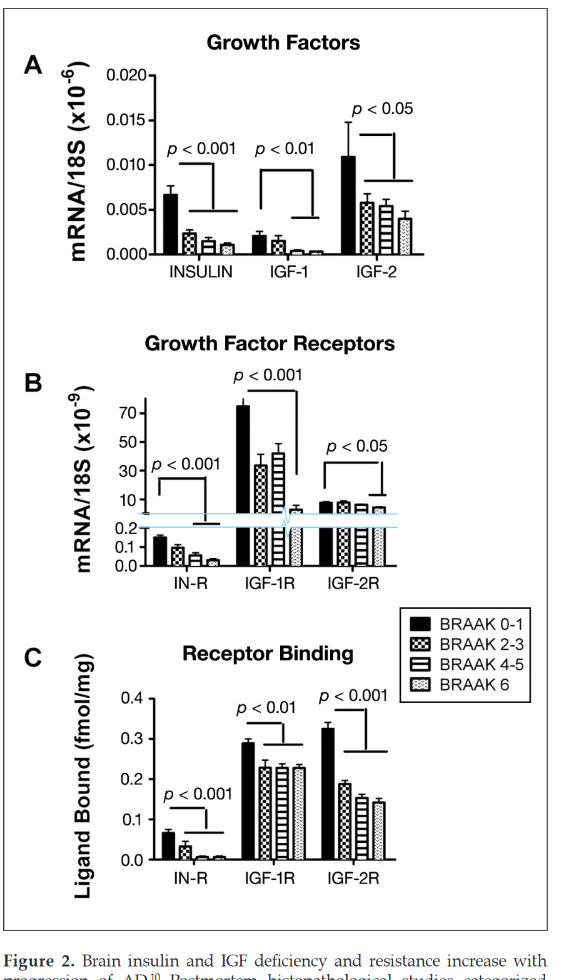
    Alzheimer's disease (AD) has characteristic histopathological, molecular, and biochemical abnormalities, including cell loss; abundant neurofibrillary tangles; dystrophic neurites; amyloid precursor protein, amyloid-β (APP-Aβ) deposits; increased activation of prodeath genes and signaling pathways; impaired energy metabolism; mitochondrial dysfunction; chronic oxidative stress; and DNA damage. Gaining a better understanding of AD pathogenesis will require a framework that mechanistically interlinks all these phenomena. Currently, there is a rapid growth in the literature pointing toward insulin deficiency and insulin resistance as mediators of AD-type neurodegeneration, but this surge of new information is riddled with conflicting and unresolved concepts regarding the potential contributions of type 2 diabetes mellitus (T2DM), metabolic syndrome, and obesity to AD pathogenesis. Herein, we review the evidence that (1) T2DM causes brain insulin resistance, oxidative stress, and cognitive impairment, but its aggregate effects fall far short of mimicking AD; (2) extensive disturbances in brain insulin and insulin-like growth factor (IGF) signaling mechanisms represent early and progressive abnormalities and could account for the majority of molecular, biochemical, and histopathological lesions in AD; (3) experimental brain diabetes produced by intracerebral administration of streptozotocin shares many features with AD, including cognitive impairment and disturbances in acetylcholine homeostasis; and (4) experimental brain diabetes is treatable with insulin sensitizer agents, i.e., drugs currently used to treat T2DM. We conclude that the term “type 3 diabetes” accurately reflects the fact that AD represents a form of diabetes that selectively involves the brain and has molecular and biochemical features that overlap with both type 1 diabetes mellitus and T2DM.

    Full Paper - https://doi.org/10.1177/193229680800200619


    A combination of ketogenic diet and voluntary exercise ameliorates anxiety and depression-like behaviors in Balb/c mice

    abstractThe positive effects of both ketogenic diet (KD) and regular voluntary exercise on anxiety and depression behavior have been recently reported in rodent animals, but the effects of pairing a KD with exercise on depression and anxiety are unknown. In this study, we aimed to investigate the effects of combination of KD and regular voluntary exercise on anxiety and depression-like behavior in Balb/c mice. We've demostrated that anxiety and depression levels decreased in KD-exercised (KD-Ex) mice. β-hydroxybutyrate (BHB) levels increased while glucose, insulin levels and LDL/HDL ratio decreased in KD-Ex mice. There was a negative correlation between BHB and the time spent in the closed arms of elevated plus maze (EPM) or the time spent in periphery walls of open field test (OFT) and the immobility time in forced swim test (FST) which all of them are indicators of low depression and anxiety levels. There was a positive correlation between LDL/HDL ratio and the time spent in the closed arms of EPM or the immobility time in FST. The immobility time in FST was positively correlated with insulin while the mobility time in FST was negatively correlated with glucose. In conclusion, these results suggest that decline in anxiety and depression-like behaviors resulted from KD with regular voluntary exercise may be associated with increased BHB levels and decreased LDL/HDL ratio and insulin or glucose levels. Further research is necessary for our understanding of the mechanisms by which pairing a KD with voluntary exercise influences brain and behavior.

    Fasting or the short-term consumption of a ketogenic diet protects against antipsychotic-induced hyperglycaemia in mice

    abstractAntipsychotic (AP) medications, such as olanzapine (OLZ), are used in the treatment of schizophrenia and a growing number of 'off-label' conditions. A single dose of OLZ causes robust increases in blood glucose within minutes of treatment. The purpose of the current study was to investigate whether interventions that increase circulating ketone bodies (fasting, β-hydroxybutyrate (βHB), ketone esters or a ketogenic diet (KD)) would be sufficient to protect against the acute metabolic side effects of OLZ. We demonstrate that fasting or the short-term consumption of a KD protects against OLZ-induced hyperglycaemia, independent of alterations in whole-body insulin action, and in parallel with a blunted rise in serum glucagon. Interestingly, the effects of fasting and KDs were not recapitulated by acutely increasing circulating concentrations of ketone bodies through treatment with βHB or oral ketone esters, approaches which increase ketone bodies to physiological or supra-physiological levels, respectively. Collectively, our findings demonstrate that fasting and the short-term consumption of a KD can protect against acute AP-induced perturbations in glucose homeostasis, whereas manipulations which acutely increase circulating ketone bodies do not elicit the same beneficial effects. KEY POINTS: Antipsychotic medications cause rapid and robust increases in blood glucose. Co-treatment approaches to offset these harmful metabolic side effects have not been identified. We demonstrate that fasting or the consumption of a short-term ketogenic diet, but not treatment with β-hydroxybutyrate or oral ketone esters, protects against acute antipsychotic-induced hyperglycaemia. The protective effects of fasting and ketogenic diets were paralleled by reductions in serum glucagon, but not improvements in whole-body insulin action.


    Complete remission of depression and anxiety using a ketogenic diet: case series

    abstractBackground: There is little data that describe the use of ketogenic metabolic therapy to achieve full remission of major depression and generalized anxiety disorder in clinical practice. We present a retrospective case series of three adults with major depression and generalized anxiety disorder with complex comorbidity, treated with personalized ketogenic metabolic therapy, who achieved complete remission of major depression and generalized anxiety disorder and improvements in flourishing, self-compassion, and metabolic health.

    Methods: Three adults, ages 32–36, with major depression, generalized anxiety, other anxiety disorders, and comorbid psychiatric conditions were treated for 12–16 weeks with personalized whole food animal-based ketogenic metabolic therapy (1.5:1 ratio) in a specialized metabolic psychiatry practice. Interventions included twice-weekly visits with an experienced ketogenic registered dietitian; daily photo journaling and capillary blood BHB/glucose/GKI monitoring; virtual groups; family/friends support; nature walks and talks several times per week, and community building. Successful adoption of the ketogenic diet was defined as the achievement and maintenance of capillary BHB ≥ 0.8 mmol/L and GKI < 6. Remission was assessed by GAD-7 and PHQ-9, and quality of life was assessed subjectively and with validated scales for flourishing and self-compassion. Metabolic health was assessed by laboratories/biometric measures.

    Results: Two patients achieved remission of major depression (PHQ-9 ≤ 4) and generalized anxiety (GAD-7 ≤ 4) within 7 weeks of therapeutic nutritional ketosis; one required 12 weeks. Anxiety responded and remitted more quickly than major depression. Flourishing and self-compassion increased steadily. Patients lost 10.9 to 14.8% of their initial body weight within 12 weeks and improved metabolically; one achieved optimal metabolic health.

    Conclusion: Complete remission of major depression and generalized anxiety disorder occurred within 7–12 weeks of therapeutic nutritional ketosis during treatment with a personalized animal-based ketogenic diet (ratio 1.5:1) in adults with complex comorbid depression and anxiety engaged in a specialized metabolic psychiatry program.

    Ketogenic metabolic therapy in the remission of chronic major depressive disorder: a retrospective case study

    abstractBackground: There is limited evidence describing the use of ketogenic metabolic therapy (KMT), also known as a ketogenic diet (KD), to achieve full remission of treatment-resistant major depressive disorder (MDD) in real-world clinical settings. This case study examines a 47-year-old woman with lifelong treatment-resistant MDD who achieved complete remission of depressive symptoms and improved functioning through a ketogenic diet.

    Methods: The patient engaged in KMT with a 1.5:1 macronutrient ratio under the supervision of a treatment team consisting of a medical professional, psychotherapist, and ketogenic-informed nutrition professional through an online program that provided both individual and group support. Interventions included dietary modifications, micronutrient supplementation, and participation in a group coaching program. Outcomes were assessed using validated tools for symptom severity, including PHQ-9 for depression and GAD-7 for anxiety, at baseline, 2 months, and 4 months post-intervention. Qualitative data on patient experiences and functional improvements were also collected.

    Results: The patient achieved remission of MDD within 8 weeks of initiating KMT, with PHQ-9 scores decreasing from 25 (severe depression) at baseline to 0 at 2- and 4-month assessments. GAD-7 scores decreased from 3 (minimal anxiety) to 0 over the same period. Qualitative findings revealed significant improvements in emotional regulation, energy levels, and cognitive function.

    Conclusion: This case study demonstrates the potential of KMT as a non-pharmacological intervention for achieving full remission in treatment-resistant MDD. These findings suggest further research to evaluate feasibility, efficacy, and broader applicability in diverse clinical settings.

    The Ketogenic Diet for Refractory Mental Illness: A Retrospective Analysis of 31 Inpatients

    abstractBackground and hypothesis: The robust evidence base supporting the therapeutic benefit of ketogenic diets in epilepsy and other neurological conditions suggests this same metabolic approach may also benefit psychiatric conditions.

    Study design: In this retrospective analysis of clinical care, 31 adults with severe, persistent mental illness (major depressive disorder, bipolar disorder, and schizoaffective disorder) whose symptoms were poorly controlled despite intensive psychiatric management were admitted to a psychiatric hospital and placed on a ketogenic diet restricted to a maximum of 20 grams of carbohydrate per day as an adjunct to conventional inpatient care. The duration of the intervention ranged from 6 to 248 days.

    Study results: Three patients were unable to adhere to the diet for >14 days and were excluded from the final analysis. Among included participants, means and standard deviations (SDs) improved for the Hamilton Depression Rating Scale scores from 25.4 (6.3) to 7.7 (4.2), P < 0.001 and the Montgomery-Åsberg Depression Rating Scale from 29.6 (7.8) to 10.1 (6.5), P < 0.001. Among the 10 patients with schizoaffective illness, mean (SD) of the Positive and Negative Syndrome Scale (PANSS) scores improved from 91.4 (15.3) to 49.3 (6.9), P < 0.001. Significant improvements were also observed in metabolic health measures including weight, blood pressure, blood glucose, and triglycerides.

    Conclusions: The administration of a ketogenic diet in this semi-controlled setting to patients with treatment-refractory mental illness was feasible, well-tolerated, and associated with significant and substantial improvements in depression and psychosis symptoms and multiple markers of metabolic health.


    Is this proof keto will fix your problem? No. Is this suggestive that a free, no-downside, self-administered eating pattern is worth a try? Yes.

    About 1/2 times per week there is a post on lemmy roughly asking "How do I fix anxiety or depression at home/without a doctor/without meds"

    I highly encourage people to look at the emerging research coming from metabolic mind https://www.metabolicmind.org/resources/science/research/ specifically investigating metabolic health with brain health.
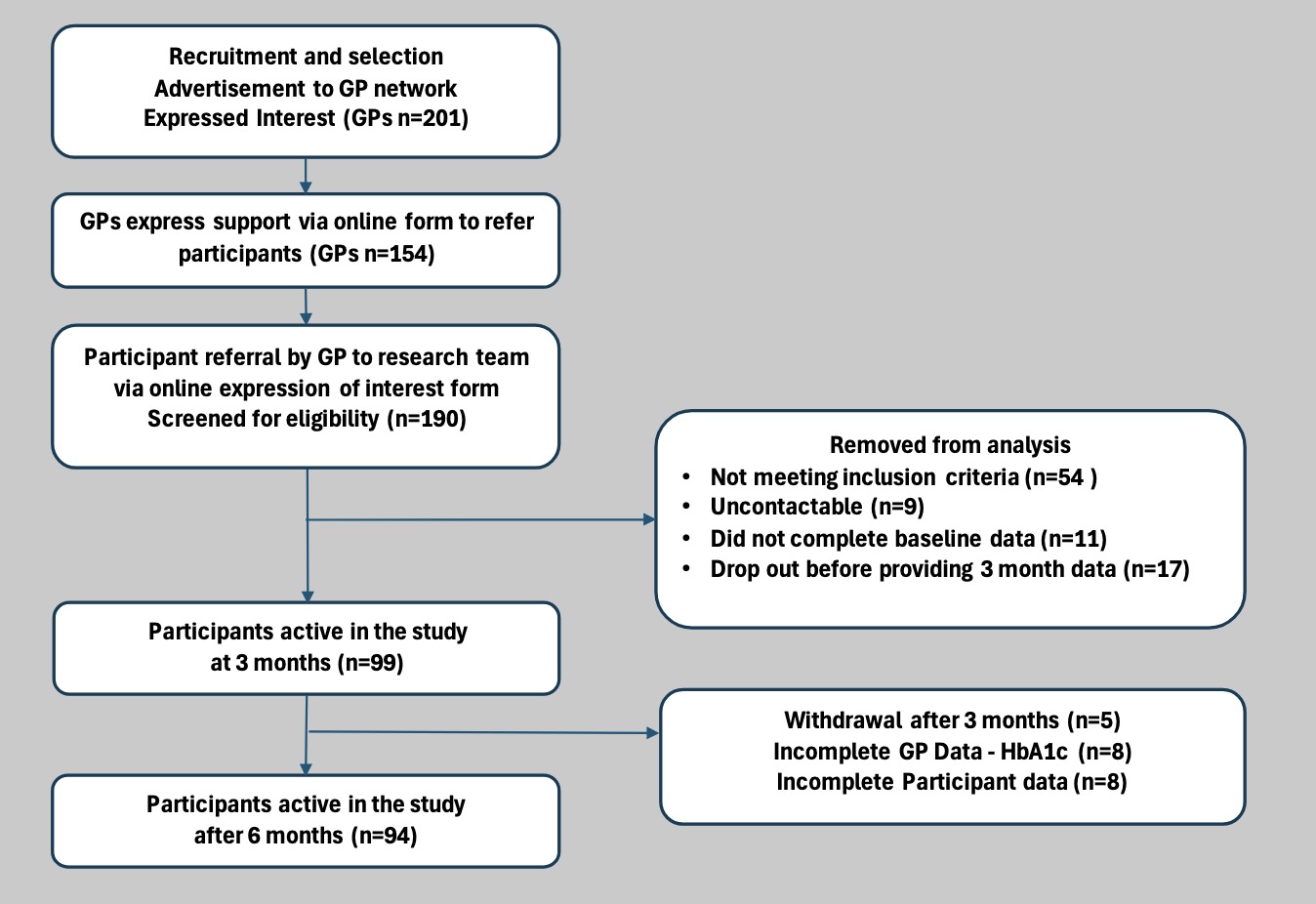
     

    Aim: Mobile health (mHealth) applications have been reported to be effective in improving glycaemic control and cardiometabolic health, but mainly as part of shorter-term intervention studies. The aim of this study is to examine the effect of the ongoing Defeat Diabetes mHealth low-carbohydrate diet (LCD) intervention on clinical markers and cardiometabolic risk after 6 months of intervention.

    Methods: Data were collected via primary care physicians as part of routine T2D monitoring. These included HbA1c (primary outcome), blood pressure, blood lipids, and markers of kidney and liver function. Anthropometrics, as well as changes in the prescription of diabetes, hypertension, and dyslipidaemia medication, were also recorded. Calculated variables, total cholesterol to HDL-c, triglyceride to HDL-c, and waist to height ratios, were analysed to examine changes in cardiometabolic risk profile. Three-day food records were used to assess dietary intake and intervention adherence. Univariate regression models examined changes from baseline to 6 months.

    Results: Ninety-four participants remained in the study out of the ninety-nine at baseline (mean age 59 ± 11 years, 55 females). After 6 months of intervention, there were significant reductions in HbA1c by −1.0% (95% CI: −1.3 to −0.6), as well as in the liver enzymes ALT (−9.3 U/L 95% CI −16.3 to −2.4) and GGT (−18.8 U/L 95% CI: −31.4 to −6.3) across the cohort. In addition, there was a significant reduction in cardiometabolic risk, as measured by the calculated variables and a decrease in waist circumference (−4.6 cm 95% CI: −8.9 to −0.2).

    Conclusions: People with T2D receiving LCD education and resources through the Defeat Diabetes mHealth app (version 3.3.8) improved their glycaemic control after 6 months of intervention. Cardiometabolic risk profile and liver function also showed significant improvement. These findings indicate that the use of an LCD digital app is a valuable adjunct in the management of T2D.

    Full Paper - https://doi.org/10.3390/nu17060937

    For context, here is their published protocol for telehealth: https://doi.org/10.3390/nu15092153


    Dr Peter Brukner OAM, world-renowned sports physician and founder of Defeat Diabetes and SugarByHalf, shares how a low-carb, healthy-fat diet transformed his own health, reversing type 2 diabetes and shedding excess weight.

    Dr. Brukner dives into:

    • The growing evidence for low-carb diets in managing chronic diseases
    • Why our dietary guidelines need to change
    • The role of sunlight and vitamin D in health
    • The challenges doctors face implementing nutritional changes in clinical practice
    • How reducing sugar could radically improve public health

    Whether you’re managing diabetes, looking to lose weight, or simply curious about the link between nutrition and health, this conversation is packed with practical insights.

    summerizer

    Summary

    The podcast episode features Professor Peter Brookner, a former renowned sports doctor with extensive experience in elite sports teams, who transitioned to focus on nutrition and diabetes, particularly through low-carb, high-fat dietary approaches. Initially skeptical, Brookner shares his personal journey from being pre-diabetic and overweight to reversing his metabolic issues by adopting a low-carb, healthy fat diet. He explains how this lifestyle change led to significant health improvements, including weight loss, better energy, and reversal of fatty liver. Brookner became an advocate for low-carb nutrition, co-founding the Defeat Diabetes program aimed at helping Australians manage and reverse type 2 diabetes through dietary changes. The program includes educational resources, meal plans, and support, and has shown promising results in clinical studies involving general practitioners and patients.

    Throughout the conversation, Brookner criticizes conventional dietary guidelines, particularly the longstanding low-fat, high-carb recommendations, which he argues have contributed to the rising prevalence of obesity and type 2 diabetes. He highlights the powerful influence of the food and pharmaceutical industries in maintaining the status quo and discusses the cultural and institutional resistance within the medical profession towards low-carb approaches. Brookner also touches on the broader impact of diet on chronic diseases, including mental health and neurological conditions, and advocates for a more natural, whole-food-based lifestyle, including sensible sun exposure for vitamin D.

    He expresses cautious optimism about emerging shifts in dietary recommendations globally, referencing movements like the US “Maha” movement and ongoing research challenging current paradigms. Brookner discusses the carnivore diet as a more extreme, but potentially effective, low-carb option especially for autoimmune conditions, while emphasizing the importance of open-mindedness in nutrition science. His overall message is that type 2 diabetes is a disease of carbohydrate intolerance and that dietary carbohydrate restriction offers a straightforward and effective way to manage and even remit the disease. The episode closes with discussion of the challenges in changing public and professional understanding but expresses hope and determination to continue spreading awareness.

    Highlights

    • 🥓 Professor Peter Brookner’s personal transformation reversing pre-diabetes through a low-carb, high-fat diet.
    • 📚 The influence of politics and industry on dietary guidelines, challenging the low-fat orthodoxy.
    • 💪 Defeat Diabetes program’s success in helping thousands manage and reverse type 2 diabetes.
    • 🍳 The carnivore diet as a potential therapeutic approach for autoimmune and metabolic conditions.
    • 🧠 Emerging evidence linking diet to mental health and neurological diseases.
    • ☀️ Advocating natural lifestyle factors such as sun exposure for overall health.
    • 💉 Critique of conventional diabetes management and over-reliance on medications like insulin.

    Key Insights

    • 🔬 Personal Experimentation as Catalyst for Change: Brookner’s journey highlights the power of self-experimentation (n=1) in challenging entrenched medical assumptions. His transition from sports medicine to diabetes nutrition underscores the importance of personal experience alongside scientific evidence in driving innovation. This also illustrates how professionals can remain blind to their own health risks until confronted with data and new paradigms.

    • 🥩 Low-Carb, High-Fat Diets Address Root Cause of Type 2 Diabetes: Brookner asserts that type 2 diabetes is fundamentally a disease of carbohydrate intolerance. The standard high-carb, low-fat diet exacerbates the problem by promoting hyperglycemia and insulin resistance. His experience and clinical data from the Defeat Diabetes program reinforce that carbohydrate restriction normalizes blood sugar and insulin levels, enabling remission rather than mere symptom management.

    • 🏥 Resistance Within Medical and Nutrition Professions: Despite accumulating evidence, many healthcare professionals remain wedded to outdated low-fat dietary dogma. This resistance is partly due to rigid medical education systems emphasizing rote learning, institutional inertia, and fear of challenging industry-supported orthodoxies. Such systemic barriers slow progress and deny patients effective care.

    • 💰 Food and Pharmaceutical Industry Influence: The enduring low-fat paradigm is heavily influenced by commercial interests. The food industry’s use of hidden sugars and processed carbohydrates drives addiction and chronic disease, while pharmaceutical companies profit from ongoing disease management rather than prevention or reversal. This creates a conflict of interest that hinders public health advances and skews research priorities.

    • 🧠 Diet’s Impact Beyond Diabetes—Mental and Neurological Health: Emerging research links dietary patterns to mental illnesses (bipolar disorder, depression, anxiety) and neurodegenerative diseases (Parkinson’s, Alzheimer’s, epilepsy). Brookner’s anecdotal and wider clinical observations suggest that dietary interventions, especially ketogenic and low-carb diets, can significantly improve these conditions, opening new frontiers for integrative medicine.

    • 🌞 Holistic Health Requires Natural Lifestyle Practices: Beyond diet, Brookner emphasizes the underestimated benefits of natural sunlight for vitamin D synthesis and nitric oxide production, which influence overall health and disease prevention. Modern lifestyle trends of sun avoidance and excessive use of processed foods disrupt these natural processes, contributing to widespread deficiencies and chronic illness.

    • ⚖️ Quality of Life Over Longevity Alone: Brookner distinguishes between lifespan and healthspan, advocating for lifestyle changes that maximize not just years lived but the quality of those years. His own improved health in his 70s, compared to earlier decades, illustrates that dietary and lifestyle changes can reverse damage and enhance vitality well into older age.

    • 🥚 Reevaluating Nutritional Dogmas—Saturated Fat and Cholesterol: The episode challenges the long-held belief that saturated fat and dietary cholesterol cause heart disease, citing evidence that these fears are unfounded. Foods like butter, eggs, meat, and fish provide vital nutrients and have been unfairly demonized, leading to misguided public health policies and worsening metabolic health.

    • 🔄 Dietary Flexibility and Individualization—Carnivore and Beyond: While endorsing low-carb diets broadly, Brookner acknowledges that stricter regimens like the carnivore diet can be beneficial, especially for autoimmune conditions. This highlights the need for personalized nutrition approaches and openness to diverse dietary models rather than one-size-fits-all prescriptions.

    • 📈 Encouraging Results from Clinical Studies and Real-World Programs: The Defeat Diabetes program’s success in clinical trials involving general practitioners and patients demonstrates that structured, evidence-based low-carb interventions can be effectively integrated into mainstream healthcare. This model shows promise for scalable public health strategies addressing the diabetes epidemic.

    • 🚫 The Challenge of Changing Public and Professional Mindsets: Despite robust evidence and success stories, Brookner underscores the uphill battle against skepticism, misinformation, and commercial interests entrenched in dietary guidelines and healthcare practices. Progress requires persistent advocacy, education, and shifts in policy to prioritize prevention and cure over symptom management.

    • 🌍 Global Relevance and Hope for Future Policy Change: While focused on Australia, Brookner connects local efforts to international movements such as the US Maha movement and the reassessment of saturated fat guidelines. These shifts signal potential for broader transformation in nutrition science and public health policy worldwide, though progress is slow and contested.

    • 💡 Empowerment Through Education and Accessible Resources: Providing practical tools like meal plans, cooking demos, and supportive communities empowers individuals to take control of their health. The Defeat Diabetes subscription model reflects an affordable, scalable solution to widespread metabolic disease, emphasizing prevention and remission through informed lifestyle choices.

    • 💉 Reducing Reliance on Medications and Insulin: The conversation cautions against the common medical approach of escalating drug therapy for diabetes without addressing dietary causes. Significant reductions or elimination of insulin use are possible with carbohydrate restriction, mitigating side effects and improving patient quality of life.

    • 🧩 Interconnectedness of Chronic Diseases and Lifestyle Factors: The discussion reveals how obesity, diabetes, cardiovascular disease, mental health disorders, and neurological illnesses share common roots in diet and lifestyle. Addressing these factors holistically offers a more effective path to reducing the burden of chronic disease than fragmented medical interventions.

    • 🙌 Importance of Humility and Willingness to Change: Brookner’s narrative stresses that healthcare professionals must be willing to admit past errors and update their practices based on emerging evidence. This intellectual humility is crucial for advancing patient care and public health.

    Conclusion

    Professor Peter Brookner’s insights provide a compelling critique of conventional dietary wisdom and medical approaches to type 2 diabetes and chronic disease. His personal and professional journey underscores the transformative potential of low-carb, high-fat nutrition, combined with natural lifestyle practices, to reverse metabolic dysfunction and improve overall health. Despite systemic resistance, industry influence, and entrenched beliefs, Brookner’s work with the Defeat Diabetes program and advocacy efforts offer hope and practical pathways for individuals and healthcare systems confronting the global diabetes epidemic. The episode encourages open-mindedness, evidence-based practice, and persistent education to reshape nutritional health paradigms for better outcomes worldwide.

     
    • Red meat is a nutrient dense food providing important amounts of protein, essential amino acids, vitamins, and minerals that are the most common nutrient shortages in the world, including vitamin A, iron, and zinc.
    • Despite claims by the World Health Organization (WHO) that eating processed meat causes colon cancer and red meat probably causes cancer, the observational data used to support the claims are weak, confounded by multiple unmeasured factors, and not supported by other types of research needed for such a conclusion. Although intervention studies are designed to test the validity of associations found in observational studies, two interventions of low-fat, low-meat diets in volunteers that failed to find a benefit on cancer were not considered in the WHO decision.
    • It is likely that the association of red-meat consumption with colon cancer is explained either by an inability of epidemiology to detect such a small risk or by combinations of other factors such as greater overweight, less exercise, lower vegetable or dietary fiber intake, and perhaps other habits that differentiate those who eat the most meat from those who eat the least.

    Full Paper - https://doi.org/10.1093/af/vfy009

    Is Rust functional? [Blog] (academy.fpblock.com)
     

    What is functional programming?

    I’ve answered this question in at least one talk in the past, but to my recollection I haven’t done so in blog post form yet. I don’t believe there is any universally agreed upon definition of what makes a language “functional.” To demonstrate:

    Is Javascript functional? Many people successfully leverage higher-order functions, and functions are first class values. Also, by this metric, even C is a functional programming language (though it lacks closures).

    Haskell is a purely functional programming language, since all functions are pure. Instead of allowing effects to occur in functions, we create actions which, when run, perform these effects. And then we use the type system to distinguish these effects from pure values. Is that the bar for functional programming? If so, many presumably functional languages like OCaml wouldn’t meet the bar, so that’s not great.

    I’ve seen people call XSLT a functional programming language since it’s declarative. But most users of functional programmers would be surprised to use a functional programming language where it’s difficult and/or impossible to create user-defined functions.
    

    Great read on the boarder of functional paradigm vs pure functional languages (Where is Haskell on this scale?)


    Category Theory is one of the most abstract branches of mathematics. It is usually taught to graduate students after they have mastered several other branches of mathematics, like algebra, topology, and group theory. It might, therefore, come as a shock that the basic concepts of category theory can be explained in relatively simple terms to anybody with some experience in programming.

    That's because, just like programming, category theory is about structure. Mathematicians discover structure in mathematical theories, programmers discover structure in computer programs. Well-structured programs are easier to understand and maintain and are less likely to contain bugs. Category theory provides the language to talk about structure and learning it will make you a better programmer.

    Author website https://bartoszmilewski.com/

    Full Book:

    https://github.com/hmemcpy/milewski-ctfp-pdf

    https://github.com/hmemcpy/milewski-ctfp-pdf/releases/download/v1.3.0/category-theory-for-programmers.pdf


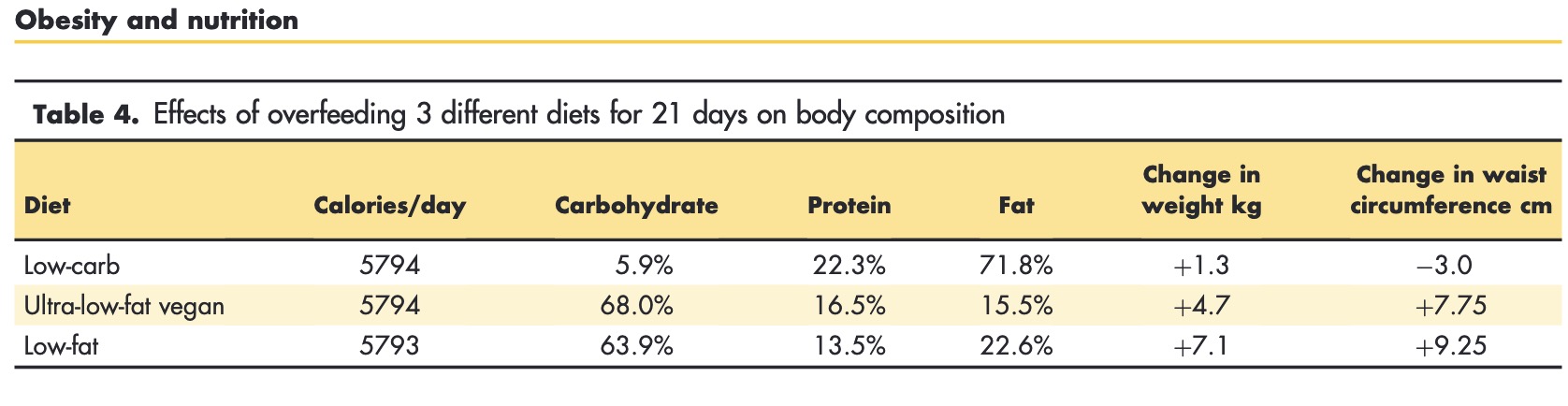
    Purpose of review - Quality or quantity of food has been at the heart of the diet debate for decades and will seemingly continue for many to come unless tightly controlled studies are conducted. To our knowledge, there has never been an overfeeding study comparing the effects of multiple diets.

    Recent findings - This study reports a case study of an individual who ate 5800 Calories per day of 3 different diets for 21 days at a time. The 3 different diets were low-carb, low-fat, and very-low-fat vegan. The weight gain over 21 days was 1.3 kg for low-carb, 7.1 kg for low-fat, and 4.7 kg for very-low-fat vegan.

    Summary - In this n-of-1 study, consuming 5800 Calories/day of 3 different diets for 21 days did not lead to the same amount of weight gain. Further research should be conducted on how the human body gains weight with an emphasis on how different foods affect physiology. If these findings are replicated, there would be many ramifications for obesity treatment and healthcare guidelines.

    Full Text: https://doi.org/10.1097/MED.0000000000000668

    Ben Bikman brought up this study, and made a nice summary slide for it


    Dr. Benjamin Bikman earned his Ph.D. in Bioenergetics and was a postdoctoral fellow with the Duke-National University of Singapore in metabolic disorders. He is currently a professor of pathophysiology and a biomedical scientist at Brigham Young University in Utah.

    Dr. Bikman's professional focus as a scientist and professor is to better understand chronic modern-day diseases, with a special emphasis on the origins and consequences of obesity and diabetes, with an increasing scrutiny of the pathogenicity of insulin and insulin resistance. He frequently publishes his research in peer-reviewed journals and presents at international science meetings.

    Dr. Bikman has long been an advocate of a ketogenic diet in light of the considerable evidence supporting its use as a therapy for reversing insulin resistance. His website InsulinIQ.com promotes dietary clarity, healing, and freedom through evidence-based science about insulin resistance. Employing cell-autonomous to whole-body systems, Dr. Bikman's recent efforts have focused on exploring the intimate associations between the metabolic and immune systems.

    Low Carb Down Under

    summerizer

    Summary

    The talk explores the intricate biology of fat cells (adipocytes) and their critical role in obesity and insulin resistance, emphasizing that understanding fat cell behavior is essential to addressing metabolic disease rather than focusing solely on total fat mass. The speaker, an insulin resistance scientist, explains that fat mass can increase through hypertrophy (fat cells grow larger) or hyperplasia (new fat cells are created). Hypertrophic fat cells become dysfunctional—they reach a physical size limit, become hypoxic due to poor oxygen supply, and turn pro-inflammatory, contributing to insulin resistance and systemic metabolic disease. This dysfunction is central to the "common soil" hypothesis, which suggests insulin resistance is the root cause of many chronic diseases.

    The concept of the "personal fat threshold" is introduced, which is an individual’s capacity to expand fat cells or create new ones before insulin resistance develops. This threshold varies genetically and ethnically, explaining why some populations develop insulin resistance at lower fat levels than others. For example, South Asians tend to have fewer but larger fat cells compared to Caucasians, making them more prone to insulin resistance despite similar fat mass.

    The talk further discusses the hormonal regulation of fat cells, primarily focusing on insulin’s pivotal role in fat cell growth and metabolism. Insulin promotes fat storage by increasing glucose and lipid uptake into fat cells and inhibiting lipolysis (fat breakdown). Without insulin, fat cells cannot grow, even if energy (calories) is abundant, highlighting the endocrine theory of obesity beyond simple calorie balance. Conversely, lowering insulin levels increases fat breakdown and energy expenditure, sometimes leading to weight loss even under conditions of high calorie availability.

    The speaker critiques many diet studies for conflating calorie restriction with insulin reduction, making it difficult to distinguish between the caloric and endocrine theories of obesity. They call for hypercaloric studies that vary only macronutrient composition to better understand the differential effects on fat cell growth and insulin sensitivity.

    Finally, the talk addresses specific populations and conditions: the metabolic impact of menopause (declining estrogen leads to reduced fat turnover and more visceral fat accumulation), ethnic differences in fat cell number and size, and how insulin resistance and inflammation are intertwined. The speaker also touches on type 1 diabetes management, criticizing the conventional advice to consume high carbohydrates while injecting insulin, which exacerbates insulin resistance and causes metabolic instability.

    Highlights

    • 🔬 Fat cell hypertrophy leads to hypoxia, inflammation, and insulin resistance.
    • ⚖️ Personal fat threshold explains individual and ethnic differences in insulin resistance risk.
    • 🧬 Insulin is essential for fat cell growth; without it, fat cells do not enlarge even with excess calories.
    • 🔥 Lowering insulin increases fat breakdown and metabolic rate, causing fat loss even with high energy intake.
    • 🍽️ Most diet studies confound calorie and insulin effects, making it hard to isolate the role of insulin in obesity.
    • 🌍 Ethnic groups differ in fat cell size and number, influencing susceptibility to metabolic disease.
    • ♀️ Menopause causes loss of estrogen’s protective effect on fat metabolism, increasing visceral fat and metabolic risk.

    Key Insights

    • 🧪 Fat Cell Hypertrophy and Disease Mechanisms: Enlarged fat cells reach a physical size limit, causing hypoxia due to insufficient capillary proximity. This leads to pro-inflammatory cytokine release, worsening systemic insulin resistance and contributing to chronic diseases. The fat cell is not merely a passive storage depot but an active participant in metabolic health. Understanding this cellular pathology shifts focus from weight alone to fat cell health.

    • 🎯 Personal Fat Threshold and Genetic/Ethnic Variation: Each individual has a personal fat threshold determined by their ability to create new fat cells (hyperplasia). Once this threshold is surpassed, hypertrophy and insulin resistance ensue. Ethnic differences, such as the smaller, more numerous fat cells in Caucasians versus fewer, larger fat cells in South Asians, explain why some populations develop diabetes and metabolic disease at lower BMI. This insight demands personalized approaches to obesity and metabolic disease risk.

    • 💉 Endocrine Control of Fat Cell Growth via Insulin: Insulin is the critical hormonal signal required for fat cell expansion, regulating both nutrient uptake (glucose and lipids) and preventing fat breakdown. Fat cells surrounded by abundant energy but lacking insulin do not grow, debunking purely caloric theories of obesity. This highlights insulin’s dual role in energy storage and resistance development, reinforcing the endocrine theory of obesity.

    • 🔥 Metabolic Effects of Insulin Suppression: Lowering insulin enhances lipolysis and increases metabolic rate, resulting in fat loss despite continued calorie availability. This phenomenon is seen in type 1 diabetes before insulin therapy and explains the metabolic advantage of low insulin states. It also suggests that insulin-lowering interventions could be more effective for weight loss and metabolic health than calorie restriction alone.

    • 📉 Limitations of Calorie-Restricted Diet Studies: Most dietary intervention studies unintentionally reduce insulin by lowering calories, especially carbohydrates, confounding interpretations between caloric restriction and insulin effects on weight loss. The speaker argues that to properly test diet effects, hypercaloric feeding studies varying only macronutrient ratios are needed, as demonstrated in a unique case study showing greater fat gain on high-carb versus low-carb hypercaloric diets.

    • ♀️ Estrogen’s Role in Fat Metabolism and Menopause Effects: Estrogen promotes higher fat turnover and subcutaneous fat storage, protecting women metabolically despite higher fat mass. Menopause reduces estrogen, slowing fat turnover and increasing visceral fat accumulation, similar to male fat distribution patterns, which increases metabolic risk. Additionally, fat cell number declines with age, further exacerbating fat cell hypertrophy and insulin resistance if diet and metabolism are not adjusted.

    • 🔄 Interplay of Inflammation and Insulin Resistance: Inflammatory signals directly impair insulin signaling in fat and muscle cells, creating a vicious cycle where hypertrophic fat cells release pro-inflammatory cytokines, worsening insulin resistance. This crosstalk between immune activation and metabolic regulation is fundamental to chronic disease progression and highlights the need for anti-inflammatory strategies alongside metabolic interventions.

    Additional Notes

    • The speaker critiques current medical advice for type 1 diabetes patients encouraging high carbohydrate intake with insulin injections, which can worsen metabolic control and increase insulin resistance. A low carbohydrate approach may improve glycemic stability but is underutilized due to entrenched guidelines and commercial interests.
    • Hormonal regulation is emphasized as the primary determinant of fat cell behavior, with insulin being the key hormone for fat storage and growth; energy availability alone is insufficient.
    • The talk underscores that fat cell size and function, not just total fat mass, are major determinants of metabolic health, shifting the paradigm toward cellular and molecular understanding of obesity.
    • The endocrine theory of obesity, focusing on insulin’s regulatory role, is presented as a more explanatory framework than the traditional caloric balance model.

    This comprehensive exploration reveals that tackling obesity and insulin resistance requires a nuanced understanding of fat cell biology, hormonal regulation—especially insulin—and the personal, genetic, and environmental factors influencing fat cell growth and function.

    view more: ‹ prev next ›