[–] 3 points 3 months ago (2 children)

Its a reasonable starting point!

The evidence also suggests that eating a high-fat diet improves lipid profiles by lowering low-density lipoprotein (LDL),

they clearly havent heard of LMHRs!

it's a pretty good review paper, not to biased, i haven't seen it before - thank you for sharing it. i'll read it in detail later.

ah yes, of course they have to address our good friend Hall..... that guy has really confused things.

It is interesting that while current scientists are unwilling to consider these dietary recommendations due to the lack of long-term evidence, the entire United States adopted the current dietary guidelines based mainly on an epidemiological study done by Ancel Keys

hahah fucking shots fired.

  • source
  • [–] 3 points 3 months ago

    Right, the Paleo theory is we spent 3 million years evolving to match that lifestyle so your bodies systems are attuned to hunting and fasting, so our repair routines wait for periods of ketogenic metabolism before they kick into gear.

    Then we can talk about autophagy which waits for periods of no foods to do even more cellular repair.

  • source
  • parent
  • context
  • [–] [S] 7 points 3 months ago* (2 children)

    Just to clarify, what do you mean by “hidden”? It’s been having the options -P, -ProfileManager , -profile for decades now.

    Yeah, that is a pain in the butt - you wouldn't use that in a normal workflow. Plus you couldn't tell which window was in which profile! you needed a extension to give the windows labels, but they still got mixed in the taskmanager/dock etc.. it wasn't really usable in normal multiprofile concurrent workflows. As proof, your example firefox profile manager is empty!

    As a motivational example right now I have 25 profiles, for 25 services I use, and i swap between them all the time.

  • source
  • parent
  • context
  • [–] [S] 3 points 3 months ago* (1 child)

    Although I’ve cheated a bit, the home layer is nixos native pretty much but qbittorrent runs as docker network layer because I really didn’t want to fuck that part up :D

    That is the beauty of nixarr, they already prefucked it, so it's done out of fucks!

    I've aggressively been monitoring the nixos vm, and nothing is leaking at all. Qubes would be a fun way to do it too, but ain't nobody got time for that.

    so you nest the VPNs A(B()) or you run them in parallel A()+B()? I suppose parallel. I had but this on my test network so it was A(B()) for awhile (test network is forced over a vpn), but now I'm pretty happy with vlan firewall +A()+B() based on namespaces and packet tagging in the kernel.

  • source
  • parent
  • context
  • [–] 2 points 3 months ago

    There is controversy that's true. But as far as all of my reading has gone it is quite healthy. But regardless, the simple fact is fat and protein is digested by the stomach, and the other stuff isn't. If you're using an ostomy bag, that other stuff just goes into the bag. So it's not doing your body any good. So carnivore is especially appropriate for people on ostomy bags.

    A high fiber diet with an ostomy bag is just filling the bag up very quickly with gas.

  • source
  • parent
  • context
  • [–] 2 points 4 months ago

    This is very similar to what metafilter does, you have to buy an account to participate. People with skin in the game act better. You don't get it refunded. But I think philosophically this is similar and we can take lessons from it. I think it's valuable

  • source
  • [–] 6 points 4 months ago

    The structural purpose of prior authorizations is to add friction and reduce authorizations and spending.

    Ai is a tool that can do that! Tons of friction and wasted time guaranteed

  • source
  •  

    In this episode, Dave sits down with Peter Ballerstedt, a retired forage agronomist and ruminant nutritionist known as "Don Pedro the Sod Father of the Ruminati," who brings a unique agricultural perspective to metabolic health discussions. Ballerstedt shares his 2007 transformation after reading Gary Taubes' book and how it led him to bridge agricultural science with the low-carb community. The conversation examines environmental arguments around animal agriculture, presents data on greenhouse gas emissions (12% animal vs 10% plant agriculture), explores the limitations of converting grassland to cropland, discusses the evolution of dietary guidelines since the 1970s, and examines Ballerstedt's concept of a "ruminant revolution" to address both human malnutrition and environmental concerns.

    summerizer

    Summary: “The Hidden Truth about Cows and Climate Change – TFP #010 | Peter Ballerstedt, PhD”

    Context & Guest

    • Guest: Peter Ballerstedt, PhD (forage agronomist; background in grazing systems, forage science, and ruminant agriculture).
    • Focus: Ruminant agriculture’s role in nutrition, ecology, and climate; protein quality; land use; soil and carbon dynamics; common misconceptions about cattle and climate.

    Key Themes

    • Ruminants & Human Nutrition

      • Animal-source foods supply essential, highly bioavailable nutrients that are sparse or poorly available in staple cereals.
      • Cereals dominate global protein tonnage but are poor-quality protein sources compared with animal-source foods.
      • Crude protein estimates from plant foods can be inflated by non–amino-acid nitrogen (e.g., nitrate), overstating true protein content available to humans.
      • Protein “quality” matters in addition to quantity; differences in amino acid patterns and digestibility change the effective nutrition delivered.
    • Land Use & “Marginal” Lands

      • Large areas used by agriculture are non-arable or “marginal” (e.g., steep slopes, thin soils, altitude, drought/low rainfall) and not suitable for tillage/cropping.
      • Ruminants convert forages grown on such lands—inedible to humans—into nutrient-dense food, enabling food production without competing for prime cropland.
    • Grazing, Soils, and Ecosystem Services

      • Well-managed grazing can improve ground cover, root mass, water infiltration, and soil structure.
      • Manure and urine return nutrients to soils; ruminant–forage systems participate in nutrient cycling.
      • Pasture systems differ from annual tillage-based systems in disturbance patterns and can help maintain or improve soil function when managed appropriately.
    • Carbon & Methane Framing

      • Emissions discussion often conflates short-lived methane with long-lived CO₂.
      • The timescales and biogenic cycling of methane differ from fossil CO₂; the framing used affects perceived impact.
      • Modeled long-range climate projections carry lower confidence than immediate, observed conditions; choice of model and assumptions drives conclusions.
    • Dietary Shifts vs System-Level Levers

      • Recently discussed assessments (e.g., from global bodies) indicate that voluntary personal dietary change is among the least impactful strategies for achieving sectoral emissions targets in animal agriculture compared with other system-level interventions.
      • Proposals to “remove animal products” imply replacing them with plant products that must match the nutrient delivery—this is a small set of options with practical agronomic constraints (where and how those replacements would be grown).
    • Historical Nutrition Narratives

      • Greenland Inuit/Eskimo “paradox” is referenced: early observations of low heart disease despite a high-fat diet led to a fish-oil–centric explanation; however, much of the fat intake was from mammals, not fish.
      • Takeaway presented: long-standing narratives about dietary fat sources and cardiovascular risk were shaped by selective interpretation of early observations.
    • Forage Agronomy Basics (Explained Accessibly)

      • Forage crops: plants (grasses/legumes/forbs) grown to be eaten by ruminants; distinct from seed/grain crops.
      • Feed analysis pitfalls: nitrogen-based crude protein vs true amino-acid content; implications for ration formulation and human-food analogies.
    • Systems Thinking & Trade-offs

      • Agriculture is multi-dimensional: nutrition, ecology, economics, and culture intersect.
      • Policies should consider definitions/denominators used in metrics; changing denominators or category buckets can invert conclusions.

    Specific Points & Examples

    • Animal-source foods deliver nutrients (vitamins, minerals, essential amino acids) in forms and densities difficult to match with cereals alone.
    • Wheat noted as a large global protein contributor by mass but a “poor” protein source in quality terms.
    • Soil health and productivity depend on management; grazing practices can be net beneficial in many contexts when tailored to local conditions.
    • Large shares of agricultural land unsuitable for crops can still produce food via ruminants, avoiding direct competition with cropland.

    Practical Implications Stated in the Video

    • Eliminating ruminants would require credible, agronomically feasible plant replacements capable of delivering equivalent nutrients at scale.
    • When evaluating climate strategies in livestock, prioritize high-yield levers over low-impact voluntary diet shifts if the goal is measurable sectoral reductions.
    • Interpret claims about livestock emissions with appropriate understanding of methane’s biogenic cycle vs fossil carbon’s accumulation.

     

    Bioengineering professor Annelise Baron reveals why carnivore works so effectively and how to turn off disease.

    https://bioengineering.stanford.edu/people/annelise-barron

    Dr. Barron is a chemical and biological engineer with a keen interest in systems-level analyses of the mechanisms of complex human diseases. She was trained in chemical engineering at the University of Washington (B.S., 1990) and U.C. Berkeley (Ph.D., 1995, mentored by Prof. Harvey W. Blanch), and was a Pharmaceutical Chemistry postdoc with Prof. Ken A. Dill (UCSF) and Dr. Ronald N. Zuckermann (Chiron Corp.). She has served on the faculty at Stanford since 2007, and prior to that, worked on the Chemical & Biological Engineering faculty of Northwestern University in Evanston, IL for 10 years (1997-2007). Dr. Barron has been awarded the NIH Pioneer Award via the NIH National Institute on Aging (2020), the Oskar Fischer Award (2022), the Presidential Early Career Award for Scientists & Engineers (PECASE) through NIH / NHGRI (1999), the Beckman Young Investigator Award (1999), and the Camille Dreyfus Teacher-Scholar Award (1998), among other awards. Dr. Barron was the youngest scientist ever to serve on the Scientific Advisory Committee to the Director of the NIH, under Dr. Elias Zerhouni. She has more than 177 publications and a current H-index of 58 (Web of Science, All Databases, Barron Annelise E), and is a co-founder and serves on the advisory boards of 5 different biotechnology companies. She is proud to be 1/4 Quechua (the Native American people of Bolivia), 1/4 Spanish, 1/4 Swedish, 1/4 English, and 100% American.

    summerizerTitle: Bioengineering Professor Reveals How Carnivore “Turns Off” Disease

    Participants

    • Host: Dave
    • Guest: Prof. Anelise (bioengineering), age 56

    Guest Background & Starting Point

    • Lifelong academic/research background in bioengineering.
    • Long history of health problems including severe psoriasis, chronic inflammation, pain, metabolic symptoms, and dental/gum issues.
    • Previously tried standard dietary advice with poor results.

    How She Found Carnivore

    • Discovered carnivore through online interviews and community anecdotes.
    • Began a strict elimination approach: primarily beef, eggs; water and salt. Removed sugars, refined carbohydrates, and most plant foods.

    Personal Results Reported

    • Rapid and sustained remission of psoriasis and chronic inflammation.
    • Marked reductions in pain and overall symptom burden.
    • Improved metabolic markers and body composition (described qualitatively).
    • Better dental/gum health and fewer oral issues.
    • Increased emotional stability and stress tolerance.
    • Benefits strengthened with tighter adherence (fewer carbohydrates/plant foods).

    Core Mechanistic Claims (as stated in the video)

    • Sugar/High Glucose → Suppresses innate antiviral defenses.
      • High-glucose environments can downregulate cellular antiviral programs; removing dietary sugar helps “turn them back on.”
    • Hidden Lab Artifact: High-Glucose Media
      • Many in-vitro studies use high-glucose culture media, potentially masking innate antiviral/immune behaviors that appear under low/no-glucose conditions.
    • Viral Triggers & Chronic Disease
      • Many chronic diseases have infectious/viral components (e.g., herpesviruses, Epstein–Barr virus).
      • When innate antiviral immunity is suppressed (e.g., by high sugar), latent/chronic infections can drive pathology (brain, nerves, gut, skin).
    • Oral Pathogens & Systemic Disease
      • Gum disease/bleeding gums and pathogens (e.g., gingivalis) are linked with orodigestive cancers and neurodegeneration.
      • Improved oral health reported after dietary change; posited to reduce systemic inflammatory/oncogenic burden.
    • Cancer & Metabolism
      • Tumor cells favor glycolysis; restricting sugar/carbs shifts cellular energetics and may disadvantage pathogens/tumor processes.
    • Innate Immune Sensors
      • Pattern-recognition pathways (e.g., TLRs; “receptor 9” mentioned) may behave differently under low-glucose states, revealing immune functions not seen in high-glucose conditions.

    Dietary Pattern & Practical Notes

    • Baseline: ruminant meat (beef emphasized), eggs; water and salt.
    • Optional: small additions like cheese/butter were mentioned, but stricter carnivore produced stronger benefits.
    • Carbohydrate reintroductions (including honey/sweets) were associated with symptom return.
    • Fasting is discussed as synergistic with carnivore for immune/metabolic reset.

    Conditions & Case Mentions (from discussion)

    • Psoriasis: cleared substantially on strict carnivore.
    • Metabolic issues (diabetes risk, weight): improved with carbohydrate restriction.
    • Neuro/immune themes: multiple sclerosis, neurodegeneration, and chronic viral hypotheses discussed in the framework of antiviral immunity and sugar restriction.
    • Orodigestive cancers: linked conceptually to oral pathogens and diet.

    Implementation Philosophy

    • Treat carnivore as a therapeutic elimination diet to identify triggers.
    • Prioritize nutrient-dense animal foods; minimize sugars/refined carbs/plant irritants.
    • Use strict adherence to test causality; loosen only after stable remission.
    • Monitor oral health as a window into systemic inflammation/infection.

    Open Questions & Research Directions (as posed in the video)

    • How much do high-glucose lab conditions distort immunology results?
    • Which diseases are most responsive to carbohydrate restriction via antiviral/immune pathways?
    • What is the dose-response between small carb reintroductions and symptom recurrence?
    • Can controlled trials validate the proposed sugar-immunity-infection axis across dermatologic, neurologic, and oncologic conditions?

    Takeaways (as presented)

    • Removing sugars/refined carbs and adopting a strict carnivore template can “turn on” antiviral defenses and “turn off” chronic disease processes for some individuals.
    • Symptom improvements (skin, pain, metabolic, oral health) are closely tied to adherence and carbohydrate avoidance.
    • The guest frames carnivore/very-low-carb nutrition as an immune/metabolic therapy rather than merely a weight-loss diet.


    A modern endemic of metabolic health

    summerizer

    Summary — “Insulin resistance with Dr. Dhand”

    What insulin resistance is

    • Insulin lowers blood glucose by signaling cells (via insulin receptors) to take in glucose.
    • With frequent, repeated insulin spikes (e.g., constant snacking, high sugar/refined-carb eating), receptors become less responsive.
    • The body compensates by secreting more insulin (hyperinsulinemia), which drives a vicious cycle.
    • Insulin resistance typically develops years—sometimes decades—before fasting glucose or HbA1c rise.

    Why it matters

    • Linked to common chronic conditions, including heart disease, autoimmune conditions, some cancers, and widespread “everyday” illnesses.
    • Chronically high insulin is pro-inflammatory and promotes fat storage and weight gain.

    How to detect earlier (as discussed)

    • Check fasting insulin alongside fasting glucose (not routinely done in many places).
    • From fasting insulin and glucose, a calculation can be done to estimate insulin resistance (host notes people can find this online).
    • Relying on fasting glucose/HbA1c alone detects the problem late in its course.

    Major drivers (described)

    • Dietary pattern: Excess refined carbohydrates and sugars; frequent eating/snacking leading to constant insulin spikes.
    • Low activity/sedentary lifestyle.
    • Poor sleep and chronic stress (cortisol discussed as a factor).
    • Social/cultural shifts toward larger quantities of food and continuous eating.

    Nutrition guidance (practical points given)

    • Minimize carbs and sugars; aim to avoid constant grazing.
    • Optimize protein intake: A general minimum target mentioned is ~1 g protein per kg body weight per day (example given: 75 kg person ≈ 75 g/day).
    • Plate rule: “Half protein, half antioxidants,” where antioxidants are colorful vegetables.
    • Plant protein options: Legumes (beans, peas, lentils), nuts, and seeds also provide fiber that supports the microbiome.
    • Time-restricted eating: Many people succeed with a 6–8 hour eating window (e.g., first meal ~11–12, last meal ~18–19). Spend most of the day in a fasted state so insulin stays low; adapt gradually.
    • Alcohol awareness: Track intake—people are often surprised by how high it is.

    Physical activity (practical points given)

    • Start moving even if currently inactive; walking is a valid starting point.
    • Resistance/weight training is emphasized; alternate upper body, lower body, and core work. Even light weights help.
    • Movement and training also reduce stress and improve other aspects of life.

    Sleep & stress

    • Going to bed slightly hungry can become tolerable as the body adapts to a restricted window.
    • Use tools that lower cortisol and stress: exercise, meditation, warm bath, laughter/comedy, time with loved ones—whatever is personally effective.
    • Small, repeatable “wins” build momentum and better habits.

    Big-picture mindset

    • Modern culture normalizes constant eating and ultra-processed, sugar-dense foods; reversing this requires intentional habits.
    • Prioritize fundamentals (food quality/quantity, protein, vegetables, movement, sleep, stress management) and build small, sustainable wins.


    I use a Cloudray MOPA fiber laser to make diffraction gratings, multi-color images from bitmaps, and almost-holograms on stainless steel sheets. I inspect the gratings with an electron microscope, and also create images made from diffraction grating "pixels" where each pixel has controllable pitch and angle.

    summerizer

    Summary: Making Diffractive/Structural-Color Patterns on Stainless Steel with a MOPA Fiber Laser (Applied Science)

    What’s demonstrated

    • A method to produce vivid, angle-dependent colors and diffractive effects on stainless steel using a MOPA fiber laser engraver.
    • Two related effects:
      1. Structural color via thin-film oxide thickness on stainless steel (destructive/constructive interference filters parts of the spectrum).
      2. Diffraction grating patterns by engraving closely spaced scan lines with controlled pitch.

    Key ideas & mechanisms

    • MOPA architecture = Master Oscillator Power Amplifier: precise control of pulse rate and per-pulse energy, enabling repeatable surface modification.
    • Color formation (stainless steel):
      • Laser heating grows a controlled oxide layer of specific thickness.
      • The oxide acts as a thin film: wavelength-dependent interference removes portions of the spectrum; the remaining light produces a perceived color.
    • Diffraction grating:
      • Parallel engraved lines with sub-wavelength to few-micron pitch diffract light; the grating period sets the observed color at a given view angle.
      • Varying the pitch across the artwork steers colors to the viewer.

    Practical setup & workflow

    • Uses a galvo-style fiber laser marker with motorized Z/auto-focus (depth gauge measures work distance; Z-axis motor sets focus).
    • LightBurn is used to assign settings per color/layer and to import SVG artwork.
    • Typical approach:
      1. Run a material test (color chart) holding everything constant except pulse frequency, mapping frequency to resulting colors on the same stainless stock.
      2. In LightBurn, assign layers in the SVG to the tested frequency “swatches” to place specific colors.
      3. For diffractive images, generate toolpaths that vary line spacing (pitch) as a function of position; import the resulting vectors to engrave.

    Parameters (as shown/mentioned)

    • Pulse frequency strongly affects outcome; examples include sweeps around ~100 kHz, ~200 kHz, ~300 kHz, up to ~800 kHz.
    • Power kept modest for interference-color passes (example given: ~20% power for color work), higher power reserved for cutting.
    • Speed/spacing:
      • For oxide color: speed mainly balances heat input with frequency and power.
      • For grating effects: scan speed plus pulse repetition determine effective line spacing; fine control of the pitch is crucial.

    Observations & results

    • The same stainless coupon shows distinct, reproducible colors at different frequencies when other settings are held constant.
    • Angular dependence is strong for both oxide-color and diffractive pieces; colors shift with viewing and lighting angles.
    • Complex images can be produced by pitch-modulated gratings; despite simple input art, interference of multiple passes/regions can make patterns look intricate.
    • Photographing the pieces is tricky because color is view-angle sensitive; small angle changes can alter perceived hue/intensity.

    Tips, constraints, cautions

    • Start with low power and increase gradually to avoid excessive heat-affected zones or surface damage.
    • Maintain consistent focus (motorized Z/depth gauge helps); small defocus changes color and grating efficiency.
    • Keep parameters consistent across tests (same alloy, finish, focus, environment) so color charts map reliably to final art.
    • For grating work, ensure stable galvo timing and predictable step spacing; small timing errors accumulate into visible artifacts.

    Software/data handling

    • Large vector files (tens of MB SVGs) were handled; LightBurn managed big inputs reliably.
    • Simple scripts were used to compute position-dependent grating pitch so the “right” color is diffracted toward the viewer across the image.

    Limitations noted

    • View-angle sensitivity: results are spectacular in person but hard to capture consistently in photos.
    • Tuning required for photo-realistic halftones; more experimentation needed to balance oxide color vs. grating effects without unintended interactions.


    The EAT-Lancet Commission recently released their updated "Planetary Health Diet" and preemptively labeled a number of health experts who pushed back as “mis-influencers.”

    Dr. Georgia Ede was one of those health experts labeled and in this episode of the Metabolic Mind podcast, she joins Dr. Bret Scher to unpack the many flaws of the EAT-Lancet 2.0 report.

    At Metabolic Mind, we believe optimal human nutrition begins with asking the right scientific questions—starting with what’s healthiest for the brain and body, then considering sustainable solutions.

    Human and planetary health are too complex for one-size-fits-all solutions—and if such a diet existed, we wouldn’t uncover it through untested epidemiological guesswork.

    summerizer

    Video Summary — EAT-Lancet “Planetary Health Diet” & “Misinfluencer” Campaign

    Context

    • The video discusses the EAT-Lancet “Planetary Health Diet” (PHD)—its goals and scientific basis—and a new “misinfluencer” campaign launched around the forthcoming EAT-Lancet 2.0 update.
    • Guest: Dr. Georgia Ede (named in the campaign) responds to the label and critiques the report’s methods and conclusions.

    What EAT-Lancet Proposes (as described in the video)

    • A global dietary pattern intended to be healthy for humans and environmentally sustainable by 2050.
    • Core recommendation: minimize or eliminate animal-source foods; emphasize grains, legumes, nuts, with supplements and fortified processed foods filling nutritional gaps.

    Methodological Concerns Raised in the Video

    • Heavy reliance on nutrition epidemiology (observational associations) rather than:
      • Randomized controlled trials
      • Clinical experiments
      • Human biology/mechanistic evidence
    • Evidence that would challenge or nuance conclusions is dismissed, excluded, or downplayed.
    • The report’s broad, universal prescription is questioned given heterogeneity in human needs and contexts.

    Nutrient Adequacy & Supplementation (quotations/paraphrases from the report cited in the video)

    • The report acknowledges shortfalls for at least four key nutrients on the recommended pattern:
      • Calcium, **Vitamin B12, Iron, Iodine
    • States that B12 intake is already low globally and would be further reduced without optimization.
    • Advises supplementation and fortified processed foods to cover gaps.
    • The video emphasizes that these nutrients are most easily—or sometimes only—reliably obtained from animal foods.

    Populations of Concern (as stated in the video)

    • The report itself flags risks for:
      • Women, children, malnourished/impoverished populations, and older adults.
    • The video stresses heightened vulnerability for women and children, who may be more likely to adopt such guidance and more susceptible to nutrient deficits.

    Risk Framing

    • The video characterizes the recommended diet as “incredibly risky” if broadly prescribed, due to:
      • Dependence on supplements/fortification
      • Potential nutrient insufficiencies
      • Lack of strong experimental evidence underpinning sweeping global recommendations

    Environmental Framing

    • The video argues it’s overly simplistic to label animal agriculture as inherently worse and plant agriculture as inherently better for the environment.
    • Notes industrial production of both plant and animal foods raises distinct environmental concerns not fully addressed by the report.

    “Misinfluencer” Campaign (as described in the video)

    • Ahead of EAT-Lancet 2.0, an organized communications effort labeled critics as “misinfluencers.”
    • Georgia Ede (guest) was listed; the video says the campaign names people and claims but does not substantively rebut their specific arguments.
    • The campaign is presented as an attempt to discredit dissent rather than engage with evidence.

    Protein & Brain Health (discussion points)

    • The video raises concerns about adequacy of high-quality protein (and specific fatty acids) for brain development and function within the recommended pattern.
    • Emphasizes biological needs that may not be fully met without animal-source foods or targeted supplementation.

    Bottom Line from the Video

    • A single global diet prescription is portrayed as unsupported by robust experimental evidence and potentially unsafe for many, especially vulnerable populations.
    • The video calls for higher-quality evidence (RCTs, clinical and mechanistic studies) and nuanced, context-specific guidance rather than one-size-fits-all recommendations.

    Referenced Paper(s) with DOI


    In this video, Dr. Nick Norwitz MD PhD breaks down how major nutrition studies — including those published in Science Advances, Nature Medicine, and Circulation — distort the data and mislead the public about ketogenic and low-carb diets.

    From “low-carb” groups eating 40% of calories from carbs, like a Reese’s Peanut Butter Cup, to rodent studies fed processed lard and soybean oil, to the infamous Nature Medicine trial with a fatal flaw that made it “Worse than useless,” this video a masterclass in how bad science twists the truth.

    TLDW: If papers have an agenda they end up with gymnastics like saying a reese's peanut butter cup is keto.... which it isnt... Even if something is published we still have to apply critical thinking, trust but verify, and ask about contexts.

    summerizer

    Video Summary: Low-Carb/Ketogenic Diet Evidence vs. Common Misrepresentations

    Core Message

    • Media headlines and some academic papers frequently misrepresent or overstate findings that appear to undermine low-carb/ketogenic diets.
    • These distortions discourage patients and clinicians despite evidence that low-carb approaches can benefit type 2 and type 1 diabetes.
    • Careful reading of methods and figures often reveals problems (misclassification, poor diet formulation, invalid comparisons, or design flaws).

    Case Study 1 — “Ketogenic diet causes insulin resistance/obesity” (mouse paper)

    • A 2025 Science Advances paper claimed a ketogenic diet caused worsening glucose regulation and other harms in mice.
    • Video’s critique:
      • Animal model & generalizability: Findings are in a specific mouse model, not humans; appetite control and metabolic regulation differ fundamentally.
      • Internal inconsistency: Even Figure 1 shows outcomes (e.g., body fat gain vs. controls) that complicate the headline narrative when inspected closely.
      • Takeaway: Mouse data were publicized as if they overturn human clinical evidence for low-carb diets; they do not.

    Referenced paper (from the video):

    • A long-term ketogenic diet causes hyperlipidemia, liver dysfunction, and glucose intolerance from impaired insulin secretion in mice. Science Advances (2025). https://doi.org/10.1126/sciadv.adx2752

    Case Study 2 — 2021 metabolic-ward crossover trial (Nature Medicine)

    • A 2021 Nature Medicine randomized, inpatient, ad libitum crossover trial compared a plant-based low-fat diet vs. an animal-based ketogenic diet.
    • Public messaging framed it as strong evidence against the carbohydrate-insulin model, with high-profile endorsements.
    • Video’s critique (why the trial’s conclusions were misleading):
      • Diet formulation issues: The so-called “animal-based ketogenic” diet menu composition (e.g., “fried chicken on salads,” etc.) did not reflect a well-formulated ketogenic diet as typically practiced for metabolic health.
      • Crossover design without adequate adaptation: Rapid diet switching can produce carryover effects; metabolic and hormonal adaptations require time. Short periods bias results against low-carb/keto when no keto-adaptation phase is allowed.
      • Outcome interpretation: Reported differences in ad libitum energy intake were over-interpreted; design/implementation flaws undercut the headline claims.
      • Ongoing controversy: Despite the methodological concerns, the paper has not been retracted.

    Referenced paper (from the video):

    Common Patterns of Distortion Highlighted

    • Observational misclassification: “Low-carb” exposure defined via food-frequency questionnaires or composite scores rather than actual carbohydrate percent, leading to misleading comparisons.
    • Inadequate keto adaptation: Short trials or abrupt crossovers ignore physiologic adaptation, biasing against ketogenic arms.
    • Headline amplification: Press and social media spread simplified narratives that obscure methodological caveats.

    Practical Implications (as stated in the video)

    • Patients may be discouraged from trying dietary approaches (e.g., well-formulated low-carb/keto) that could substantially improve glycemic control.
    • Clinicians might hesitate to recommend low-carb strategies due to high-visibility but methodologically weak or misinterpreted findings.

    Bottom Line

    • Evaluate study design, diet formulation, population/model, and figures before accepting headline claims that “debunk” low-carb/ketogenic diets.
    • The cited mouse paper and the 2021 metabolic-ward trial do not invalidate evidence that properly implemented low-carb/ketogenic diets can benefit metabolic health.


    Dr. Bikman explores the often-overlooked but metabolically vital glycocalyx—a carbohydrate-rich layer coating nearly every cell in the human body. Far from being just a structural feature, the glycocalyx influences nutrient absorption, immune response, vascular function, inflammation, and even how fat cells grow and behave.

    Ben explains how this sugar-rich matrix is built from glycoproteins and glycosaminoglycans and how it's found in tissues like the gut, blood vessels, and fat cells, each playing unique roles. In the gut, it controls nutrient permeability and helps block pathogens. In blood vessels, it regulates nitric oxide release, controls protein leakage, and reduces the risk of clotting or atherosclerosis. And in fat cells, it influences cell growth, fuel handling, and inflammation.

    Importantly, metabolic dysfunction—especially hyperglycemia—can severely damage the glycocalyx. While internal glucose helps build it, high glucose levels outside cells act like a “demolition crew,” triggering oxidative stress, inflammation, and glycation, all of which degrade this critical barrier.

    Ben urges us to keep blood glucose in check, not only for insulin balance but also to protect this unsung hero of cell biology. The glycocalyx is a gatekeeper for metabolic health, and its degradation may be one root cause of diseases like diabetes, leaky gut, atherosclerosis, and insulin resistance.

    summerizer

    Video Summary: The Glycocalyx (“cell armor”) and Metabolic Health

    What the Glycocalyx Is

    • A thin, sugar-rich protective layer (“armor”) that coats the outside of virtually every cell and lines all blood vessels.
    • Built from carbohydrate-decorated molecules (e.g., proteoglycans and glycosaminoglycans like chondroitin sulfate) forming a hydrated, gel-like mesh.

    Core Functions

    • Barrier & Filtration: Helps maintain vessel integrity, limits unwanted leakiness, and prevents edema by controlling what stays in the bloodstream vs. what moves into tissues.
    • Anti-Adhesive Surface: Reduces unnecessary sticking of cells and particles to vessel walls, supporting smooth blood flow.
    • Shear Sensing & NO Production: Transmits blood-flow shear forces to the endothelium, promoting nitric oxide (NO) signaling that relaxes vessels and supports healthy circulation.
    • Selective Transport: Helps regulate exchange of water, ions, and nutrients; contributes to keeping “the right things in the right places.”
    • Metabolic Signaling Context: Interacts with hormones and nutrients (including insulin-related signaling) in ways that influence tissue nutrient delivery and insulin sensitivity.

    Why It Matters for Metabolic Health

    • A well-maintained glycocalyx supports:
      • Stable vascular permeability (less inappropriate leakage/swelling).
      • Healthy microcirculation (better nutrient and oxygen delivery).
      • Improved insulin sensitivity (more effective metabolic signaling).

    What Harms the Glycocalyx

    • Hyperglycemia & Glycation: Elevated glucose spikes promote glycation of proteins within/around the glycocalyx, degrading its structure.
    • Oxidative Stress & Inflammation: Reactive species and inflammatory signals thin or fragment the layer, increasing permeability and disrupting signaling.
    • Downstream Consequences of Damage: Greater leakiness and edema, impaired NO signaling and vessel relaxation, increased adhesion at the vessel wall, worse microvascular flow, and reduced insulin sensitivity.

    Tissue Examples & Mechanistic Notes

    • Vascular Endothelium: The endothelial glycocalyx modulates shear sensing → NO → vessel relaxation; when thinned, vessels stiffen and flow deteriorates.
    • Adipose Tissue Microvasculature: Integrity of the local glycocalyx influences nutrient and hormone access to fat cells; damage here contributes to dysfunctional fat tissue behavior and systemic insulin resistance.

    Practical Takeaway (from the video’s framing)

    • Protecting and restoring the glycocalyx is presented as foundational for vascular and metabolic health: keep glucose excursions and inflammatory/oxidative insults in check to preserve this “cell armor.”


    Medeterrian eating has the most publications, but Keto has the most RCTs (randomized control trials)...

    So when people say Medeterrian is the most published that's fair, but also it's fair to say Keto is the most studied.

    Doing some digging, here are the RCTs I could find... but this is super messy, I'm just trying to see the total RCT trials, but not all the papers from those trials. So if a single trial gets 11 papers I just try to count it once.

    Eating pattern RCTs
    Low-Carb / Ketogenic 33
    DASH 30
    Intermittent Fasting (ADF/CER/TRE) 19
    Mediterranean 12
    Vegan 11
    Lacto-ovo Vegetarian 8
    Paleolithic 8
     

    Why are so many people suddenly walking away from the carnivore diet? Sarah Franklin and I break down the truth behind the trend.

    If you’ve ever felt confused or frustrated about “doing carnivore the right way,” this episode will give you some clarity.

    TLDW: This is the insulin stimulation issue we have discussed before. Eating enough protein at one time to stimulate enough insulin periodically is the key.

    summerizerTitle: "Why is everyone QUITTING CARNIVORE?!"

    Participants:

    • Host Courtney Luna
    • Sarah Franklin — nutritionist, 7 years carnivore; prior work in pharmaceutical industry with training in diabetes/cardiology at the International Diabetes Center.

    Core Question:

    • Are people quitting because “carnivore is the problem,” or because of unresolved root causes and common implementation mistakes?

    Key Points From Sarah Franklin:

    • Many who “feel better adding carbs back” may be masking unresolved issues rather than fixing root causes.
    • Frequent pattern observed: undereating protein despite being on a meat-based diet; ramping up protein capacity often takes time.
    • Early keto messaging overemphasized fat; chronically low insulin (from very low glucose exposure) can paradoxically keep blood sugar higher since insulin’s job is to lower blood glucose.
    • The body can derive glucose from meat via gluconeogenesis; therefore, “needing carbs” is not a given.
    • Fasting is often misapplied: some who struggle on carnivore are actually over-fasting (or still fasting) and then blaming carnivore.
    • Meal timing matters: eating earlier aligns with higher insulin sensitivity and circadian rhythms; long late-day fasting windows may work against hormones.
    • Hydration & electrolytes: carbs retain water; adding carbs can make people feel better quickly due to hydration and electrolytes rather than carbohydrate necessity. More protein intake requires more water; inadequate electrolytes/water can drive symptoms.
    • Fat leanness: staying “super-lean” or consistently choosing very lean cuts can cause issues; appropriate dietary fat is part of making carnivore sustainable.
    • Fructose consideration: even without a blood glucose spike, fructose can drive visceral fat (liver-directed metabolism); lack of a glucose spike ≠ lack of harm.
    • Biomarkers can mislead:
      • Blood work (glucose/ketones) is variable across the day.
      • HbA1c may appear higher in some carnivores potentially due to red blood cell longevity (mentioned as a possibility; not presented as certain).
      • Emphasis on assessing visceral fat/internal health rather than only labs.
    • Symptom-led troubleshooting over diet-label changes:
      • Examine what and when you’re eating, total protein, fat level, hydration/electrolytes.
      • Consider stress, sleep, and broader endocrine context (adrenals, thyroid, sex hormones) — blood sugar regulation is upstream in the cascade.
      • Digestive support/gut issues and individualized adjustments may be needed.
    • “Feeling better” after carb reintroduction does not necessarily mean carbs are the solution; could reflect hydration/electrolyte changes or temporary relief rather than addressing the root problem.

    Named Individuals/References (as discussed in-video):

    • Mentions of community figures and perspectives, including:
      • Nutrition with Judy (Judy Cho)
      • Dr. Paul Saladino (noted early views)
      • Dr. Sean O’Mara (visceral fat focus)
    • No specific scientific papers or DOIs are cited in the discussion.

    Actionable Themes (as stated by the guest):

    • Prioritize adequate protein and appropriate fat.
    • Avoid misapplied or excessive fasting while blaming the diet.
    • Align meal timing with circadian insulin sensitivity (earlier eating).
    • Ensure hydration/electrolytes scale with protein intake.
    • Focus on visceral fat and internal health, not just fluctuating lab numbers.
    • Address root causes (stress, sleep, hormones, digestion) rather than switching diets at the first sign of discomfort.


    Today we talked heavily on ketogenic diet, creatine, brain trauma, sporting performance, the processed foods industry, suppression of voices and even Boeing airlines

    Ok, this isn't the normal science focused podcast, it's a bunch of lads riffing with Chaffee acting as the content referee, but they do go into the bad science, as well as the normal mitochondria and autophogy mechanisms.

    The 49:00 mark is when they go into the bad science.

    summerizer

    Video Summary — “#243 - Dr Anthony Chaffee - Carnivore King - Ketogenic Diet”

    Who/Context

    • Guest: Dr. Anthony Chaffee (physician known for advocating carnivore/ketogenic diets).
    • Format: Long-form conversation focused on physiology, metabolism, and practicalities of a meat-based ketogenic diet.

    Core Claims & Rationale

    • Carnivore/Ketogenic basics: Emphasizes meat, eggs, and animal fats; very low carbohydrate intake to maintain nutritional ketosis.
    • Metabolic framing: Argues many chronic conditions are driven by hyperinsulinemia and metabolic dysfunction; ketogenic/carnivore approaches aim to lower insulin, stabilize glucose, and reduce systemic inflammation.
    • Plant defense chemicals: Asserts that plants contain bioactive compounds (toxins/antinutrients) that can irritate the gut or immune system in susceptible people; contrasts this with animal foods as “species-appropriate” and nutrient-dense.
    • Mitochondria & cancer metabolism: Highlights the idea that cancer is fundamentally a metabolic/mitochondrial disease (Warburg hypothesis), discussing aerobic glycolysis (“Warburg effect”) and experiments suggesting mitochondrial health influences malignant behavior.
    • Epidemiology vs interventions: Critiques observational nutrition studies (e.g., large cohort questionnaire studies) for confounding/recall bias; stresses preference for randomized/interventional evidence and mechanistic plausibility.
    • Seed oils & processed foods: Recommends avoiding industrially processed foods and seed oils; favors ruminant fats/tallow and minimally processed animal foods.

    Health Topics Discussed

    • Weight & metabolic health: Reports frequent observations of fat loss, improved glycemic control, and satiety on ketogenic/carnivore diets.
    • Autoimmune & GI issues: Discusses anecdotal/clinical observations of symptom improvements (e.g., IBD/Crohn’s) when eliminating trigger foods and carbohydrates.
    • Lipids: Notes that LDL responses can vary; places greater emphasis on triglycerides, HDL, insulin sensitivity, and inflammatory markers within a broader metabolic context.
    • Neurologic/brain energy: Mentions ketones as an efficient brain fuel; touches on autophagy and mitochondrial support when carbohydrate restriction reduces insulin/mTOR signaling.
    • Athletics & performance: Shares examples/anecdotes of endurance performance on low-carb/carnivore approaches once adapted.

    Practical Guidance Mentioned

    • Transition/adaptation: Expect a 2–4 week adaptation (“keto-adaptation”); prioritize electrolytes (salt) and adequate dietary fat to avoid low-energy symptoms.
    • Food choices: Center meals on ruminant meats (beef/lamb), eggs, and animal fats; keep carbohydrates minimal.
    • Satiety & meal frequency: Eat to satiety; many naturally drift toward fewer meals without forcing fasting.
    • Lifestyle add-ons: Sleep, stress management, and sunlight/time outdoors are encouraged as supportive factors.

    Common Objections Addressed

    • “Red meat & cancer/heart disease” headlines: Attributes much of the fear to observational studies and confounding; argues mechanistic/clinical data don’t support blanket restrictions for everyone.
    • “Fiber is essential” claim: Suggests fiber is not universally required and can be problematic for some individuals with GI issues; emphasizes individualized responses.

    Referenced Papers (with DOI)

    • Otto Warburg — “On the Origin of Cancer Cells” (1956, Science) — foundational paper proposing a metabolic/mitochondrial basis of cancer.
      DOI: 10.1126/science.123.3191.309


    TLDR: Is it crazy to put a big TV on the floor for a couch battle station so that my eyes at couch height are at the top of the TV on the floor?

    Context: I got a good price (buddy doing a clearance sale) on a 100" (254cm) hisense tv, so I want to setup a couch battle station.

    I've always been near sighted, and I want to use this as a opportunity to move my display farther away from me. So put the 4k TV on the ground on the other side of the room, sit on the couch with a wireless keyboard / mouse and be productive.

    When I'm sitting on the couch my eyes are about 120cm (~50in) from the ground, and putting the TV on the ground puts the top of the screen at 131cm (88in).

    Anyone else doing a on-the-ground tv setup?

    What quality of life add-ons can you suggest?


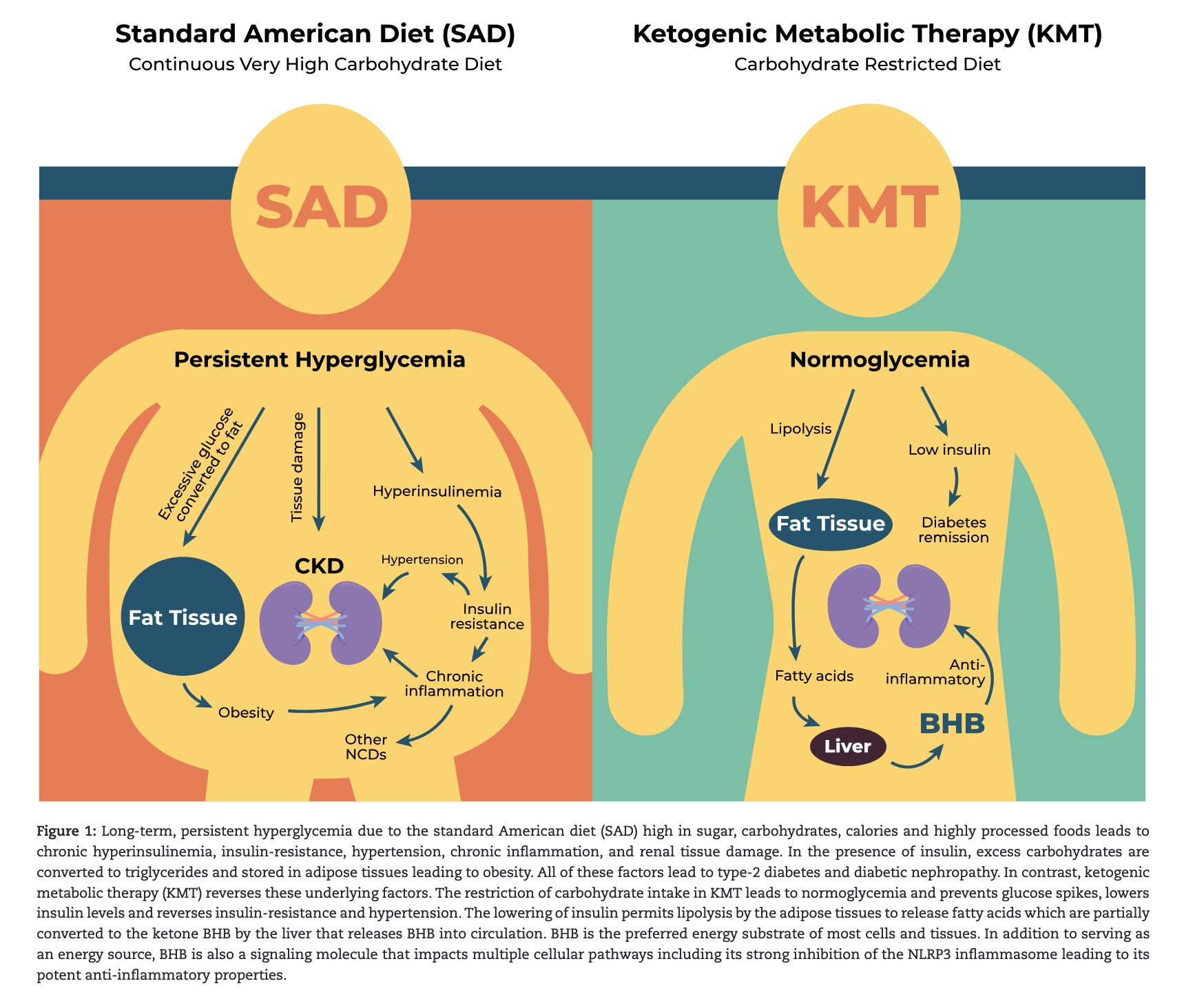
    Ketogenic metabolic therapy (KMT) is a medical nutrition therapy to address certain health and disease conditions. It is increasingly used for many non-communicable diseases that are rooted in abnormal metabolic health. Since chronic kidney disease (CKD) is commonly caused by overnutrition leading to hyperglycemia, insulin resistance and diabetes mellitus, the carbohydrate restriction inherent in KMT may offer a therapeutic option. Numerous studies have found that various forms of KMT are safe for individuals with CKD and may lead to improvement of renal function. This is in contrast to the current standard pharmacological approach to CKD that only slows the relentless progression towards renal failure. Kidney care providers, including physicians and dietitians, are usually not aware of non-standard dietary interventions, including KMT, and often criticize KMT due to common misconceptions and uncertainty about the underlying science, including the common misconception that KMT must involve high protein or meat consumption. This review article discusses the rationales for using KMT, including plant-dominant KMT, for treatment of CKD, clarifies common misconceptions, summarizes the results of clinical studies and discusses why KMT is emerging as an effective medical nutrition therapy (MNT) to consider for patients with kidney disease. KMT, including its plant-dominant versions, can expand a practitioner's kidney health toolbox and will likely become a first-line therapy for CKD in certain CKD-associated conditions such as obesity, metabolic syndrome and polycystic kidney disease.

    Full Paper: https://doi.org/10.1093/ckj/sfad273

    view more: ‹ prev next ›