Boo.
comments
comment on
Fixing a boot heel (the inside one)
comment on
Fixing a boot heel (the inside one)
Another downside to living in rural america, the closest cobbler is over an hour away from me.
comment on
Fixing a boot heel (the inside one)
A lot of stuff I DIY, but I don't mess with shoes (been working on my feet all my life), and a good cobbler is worth it, not just because of the expertise, but because its something that can't get enshitified this day and age and like supporting them.
comment on
Fixing a boot heel (the inside one)
E6000 craft epoxy is my go to for show repairs. Or fixing antique light globes the tile guy broke. Or reattaching magnets inside starter motors. It's versatile stuff.
comment on
Fixing a boot heel (the inside one)
GP glue is good for all things leather
its that old school, get high if you smell it too long stuff
comment on
Fixing a boot heel (the inside one)
They are amazingly comfortable, if they fit in the shoe. Dr Scholl's has machines in some stores, you stand on it and it determines the best insoles for you.
comment on
Fixing a boot heel (the inside one)
Goop is freakin' magic. Holds like nothing else, I've encountered exactly ONE material it doesn't stick to (some kind of plastic), it's really strong, and the crazy part - it's completely REMOVEABLE.
I could be a spokesman for them, I've never used another glue like it.
I've glued door seals on a car, handles on coffee mugs, hard drives to the case on a desktop that didn't have another mount, refrigerator/microwave handles, laptop cases, name it - I've probably used it there.
comment on
Fixing a boot heel (the inside one)
Oh, yeah, those don't look comfortable. I've a low instep, so I bought some cork insoles. Little more expensive but very nice.
comment on
Fixing a boot heel (the inside one)
I'd use the shoegoo.
decent (sort of thick gel type) double sided tape might hold for (guess) a few thousand steps.
comment on
Fixing a boot heel (the inside one)
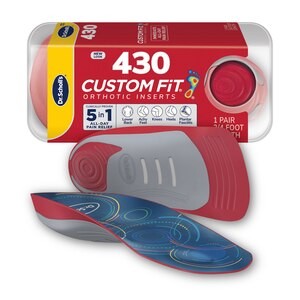
I have great insoles, sadly with these boots they raise my heel up so much it makes my feet hurt. I do not wear them long enough in most circumstances to need the insoles.
comment on
Fixing a boot heel (the inside one)
After I posted I started to wonder if rubber cement would work, or if the Heat and moisture from my foot would mess with it.
But this looks like a good choice of glue, not one I have ever used. Interested in checking it out.
comment on
Fixing a boot heel (the inside one)
The kind of glue was the biggest question.
comment on
Fixing a boot heel (the inside one)
Few dabs of clear gorilla glue (not the super glue, not the foaming stuff either) will do it. Remember to wipe with a damp rag first. Make sure to slide it around to even it out. Then get ya some good boot insoles. Those make life better!
comment on
Fixing a boot heel (the inside one)
Goop.
They make a version for shoes, but I'm pretty sure all the versions are the same.
Nice thing about Goop is the removeability - since it's like a really thick rubber cement, you just peel it off.
I've glued shoe soles back on with it.
Edit: Looks like they don't make a shoe version, but the regular works well for shoes.
The marine version has an additive for UV.
comment on
Fixing a boot heel (the inside one)
I'd glue it but if I expected to remove it again I wouldn't use a lot of glue
In demo videos they move pretty fast. I wonder if high heat quickly can melt the inner sides to be bonded without melting the outer surfaces. Small pieces and corners were also hard to manipulate, I wonder if with a big sheet it's easier to keep even tension/placement.
I think more distance and more patience would have yielded a better result, but this looks dandy.
Big Wood?
Oh! I know this! Yes its cheap. But a few years ago, Industry pushed really hard to get OSB fire code compliant for tall builds. That's why.
Rather than banning raw OSB, the modern building codes including updates under the International Building Code (IBC) and the National Building Code of Canada (NBC) implemented strict "Fire-Resistance Assembly" and adopted new rules for use of fire resistant treatments and build parameters for it.
The main advantage that plywood has is that it generally tolerates getting wet and drying out better, especially at edges and seams and around fasteners. So while it still will have a vapor barrier and some kind of external cladding in front of it, it's used in my soggy neck of the woods instead of OSB just because it better tolerates moisture and humidity. Or it might just be a local code thing -- maybe Big Wood is lining the pockets of your local city hall officials :)
comment on
Expanding my laptops HDD capacity
The Apple user's mind cannot comprehend this...
comment on
Expanding my laptops HDD capacity
Mandatory HELL YEA
What a great and creative idea! I love reusing things like this, and it makes me happy to see others doing the same. I hope the kids enjoy the craft! :)
This is a great idea
Hell yeah. Love a simple solution and repurposed materials
view more:
next ›