Yeah, I got Les Moxon's HF Antennas For All Locations, but despite saying it's not much math in the intro it's a lot of dense theory and not very clearly organized. I should get the classic!
Let's not insult the mentally handicapped, at least one of whom I know and votes very sensibly. Turns out it's not that hard to see through BS and pick kind people if that's what you want.
The problem is greed and cruelty, not mental capacity.
Real Scar energy from those other two.
Bummer, I was thinking of playing with their headband because it seemed to have nice APIs. Never mind, not gonna opt my brainwave data into your training set.
A solar storm can change a satellite’s orbit by changing the atmosphere around it. When energy from the Sun heats Earth’s upper atmosphere, the gas expands, increasing resistance along some orbital paths. A planned Swiss mission will investigate that connection by observing the Sun and the atmosphere from the same spacecraft.
The May 2024 Gannon geomagnetic storm exposed the operational consequences. An analysis published in the Journal of Spacecraft and Rockets documented thousands of satellites maneuvering after enhanced drag caused altitude losses. Such widespread adjustments complicate tracking and collision avoidance, because predicted encounters must be reassessed using the spacecraft’s changed trajectories.
Interesting complications!
I kind of forgot how hopeless I'd become, I was prepared for nothing to change. There's so much to fix, but it's such a weight lifted that we have the ability to get going.
Oo, cool!
I don't know enough to edit and make more antennas. But suggestions for more defaults / things I have questions about:
- Moxon antenna
- Slim Jim antenna
- Dipole with ends draped down, folded; inverted V, etc — if there were an easy way to bend the antennas that'd be fun
- Different materials nearby: chunk of metal, your head, ground plane at different heights
- Vertical with and without ground radials
Why do they do reasonable things with their mouths here, but in other strips posted they seem to be shouting/ghasping constantly?
A big part of ham ratio for me is figuring out the antenna and signal propagation — having a QSO is a nice proof that I got the system working. How much does QSO1 work out-of-the-box?
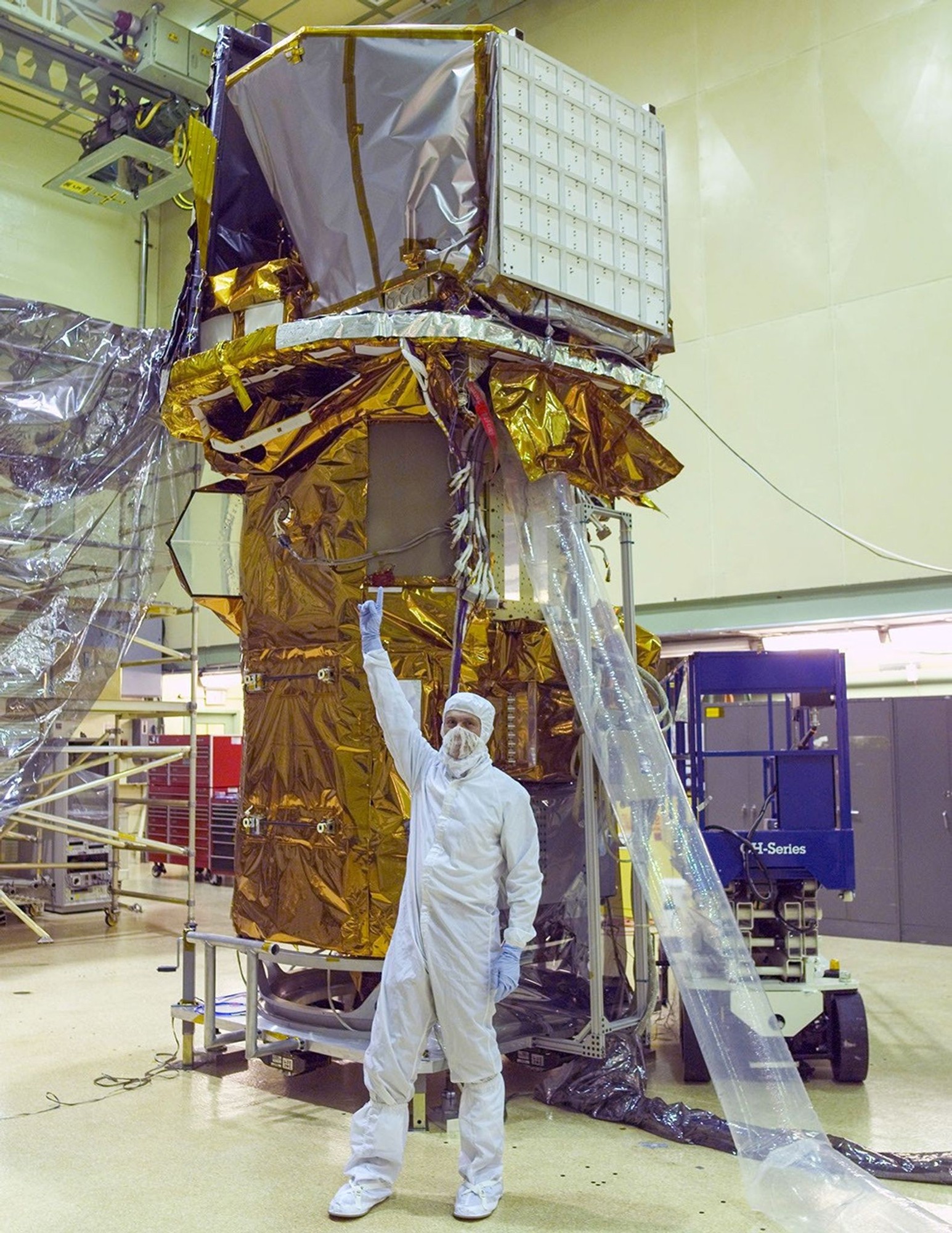
Swift team mourning yet full of gratitude for the observations the telescope made during its 22 years in orbit. Swift blasted off on Nov. 20, 2004, to search for some of the biggest explosions in the universe: gamma ray bursts and supernovas.
NASA's article is more informative: 2-year primary mission.
“Swift was designed as a satellite dedicated to studying gamma-ray bursts, outbursts that came and went so quickly that no one could target them with large telescopes to learn more,” said S. Bradley Cenko, the mission’s principal investigator at NASA’s Goddard Space Flight Center in Greenbelt, Maryland. “Swift needed to detect and locate gamma-ray bursts, communicate their position to other observatories, and then swing its telescopes around to image the burst locations before their afterglows faded out. This typically took Swift about a minute to do.”
Non-zero y axis on both sides. Nice to see the matched change, but hard to tell quite how dramatic or not it is.
Mix:
- 215g AP flour (1-1/2c)
- 15g granulated sugar (1T)
- 2t baking powder
- 1/2t salt
Add and mix:
- 163g milk (I used Oatley full fat) (2/3c)
- 2 eggs
- 1T vegetable oil (I actually forgot this and they came out fine)
Fry in:
- 2 large apples, cored, peeled, and sliced (3c, 325g)
Fry in 375⁰F (190⁰C) oil for 6 minutes. At 5 minutes, some larger ones were still a little raw in the middle. Shallowly fill a cooking spoon, maybe 1/4c each.
When fresh from the oil, roll in:
- 1/2c granulated sugar
- 2T cinnamon

Very easy to make and delicious. Pretty filling too, I mixed up a double recipe but only cooked half which made 10, and three of us are two apiece and were full.
The only question is, do I file them under "muffins", "fruit bread", "cake & pie", or "cookies"?

From King Arthur's recipe. Hot water and high hydration result in a very soft, extensible dough; lots of flour on the rolling pin and counter are essential.
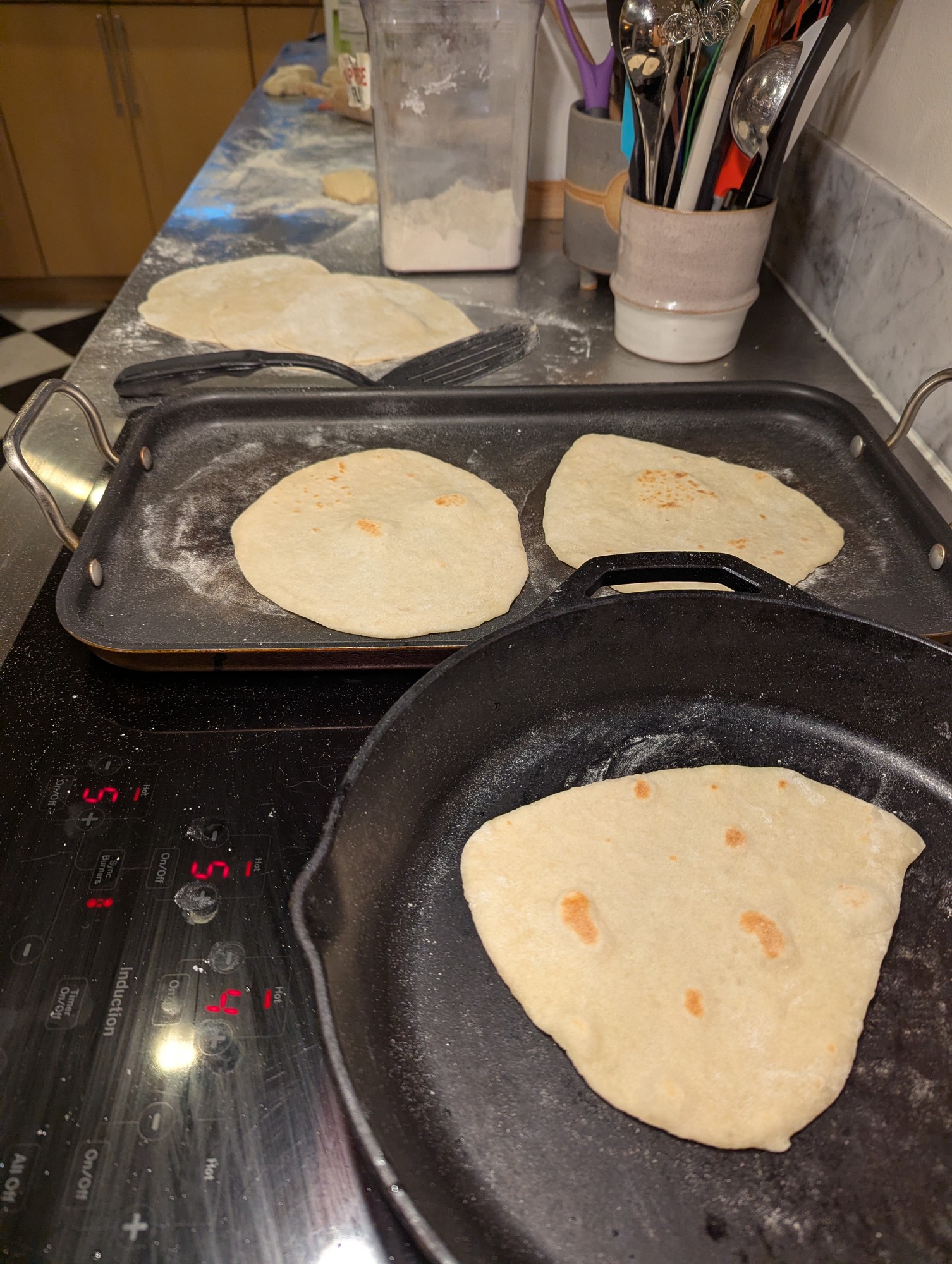
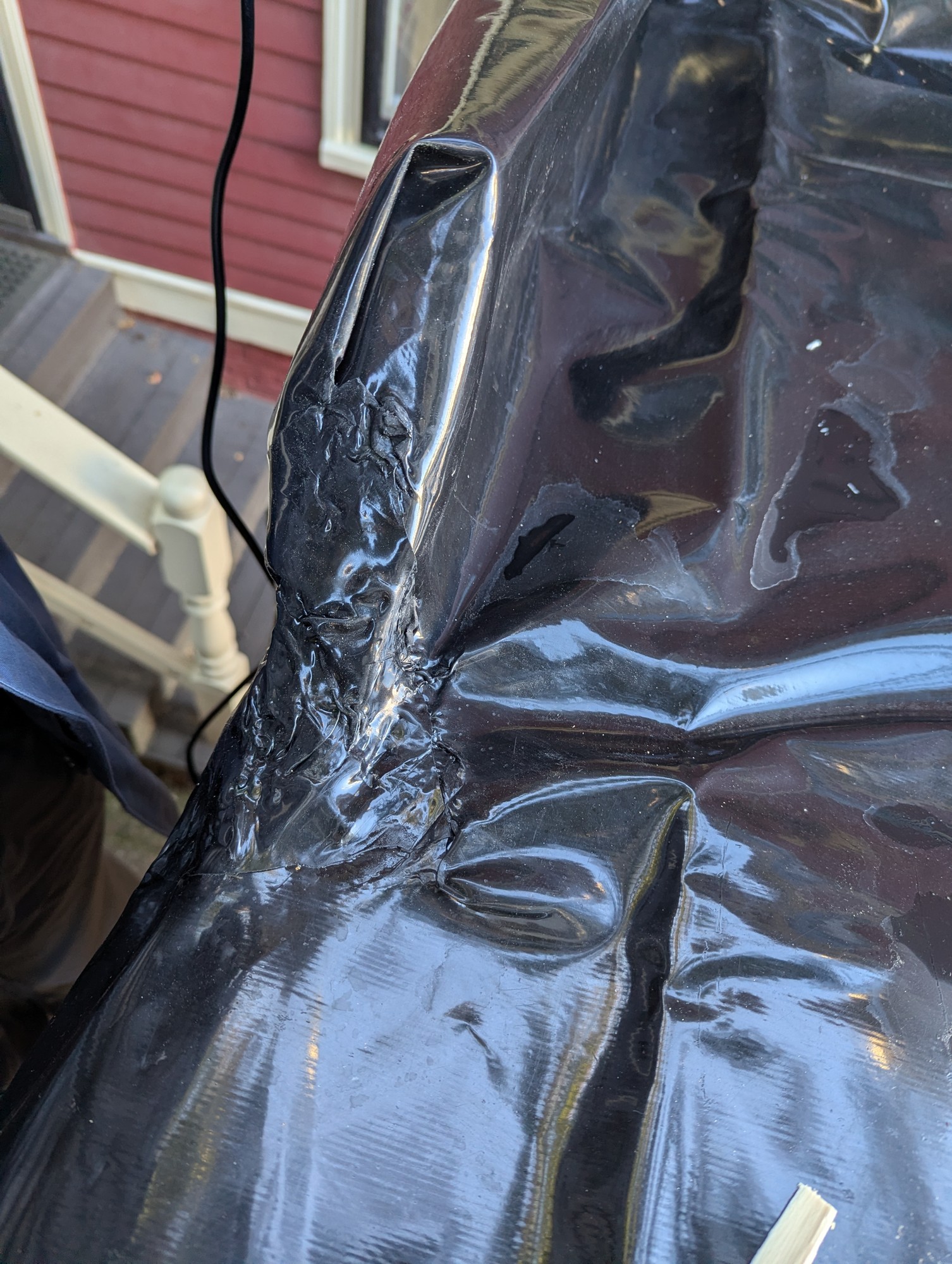
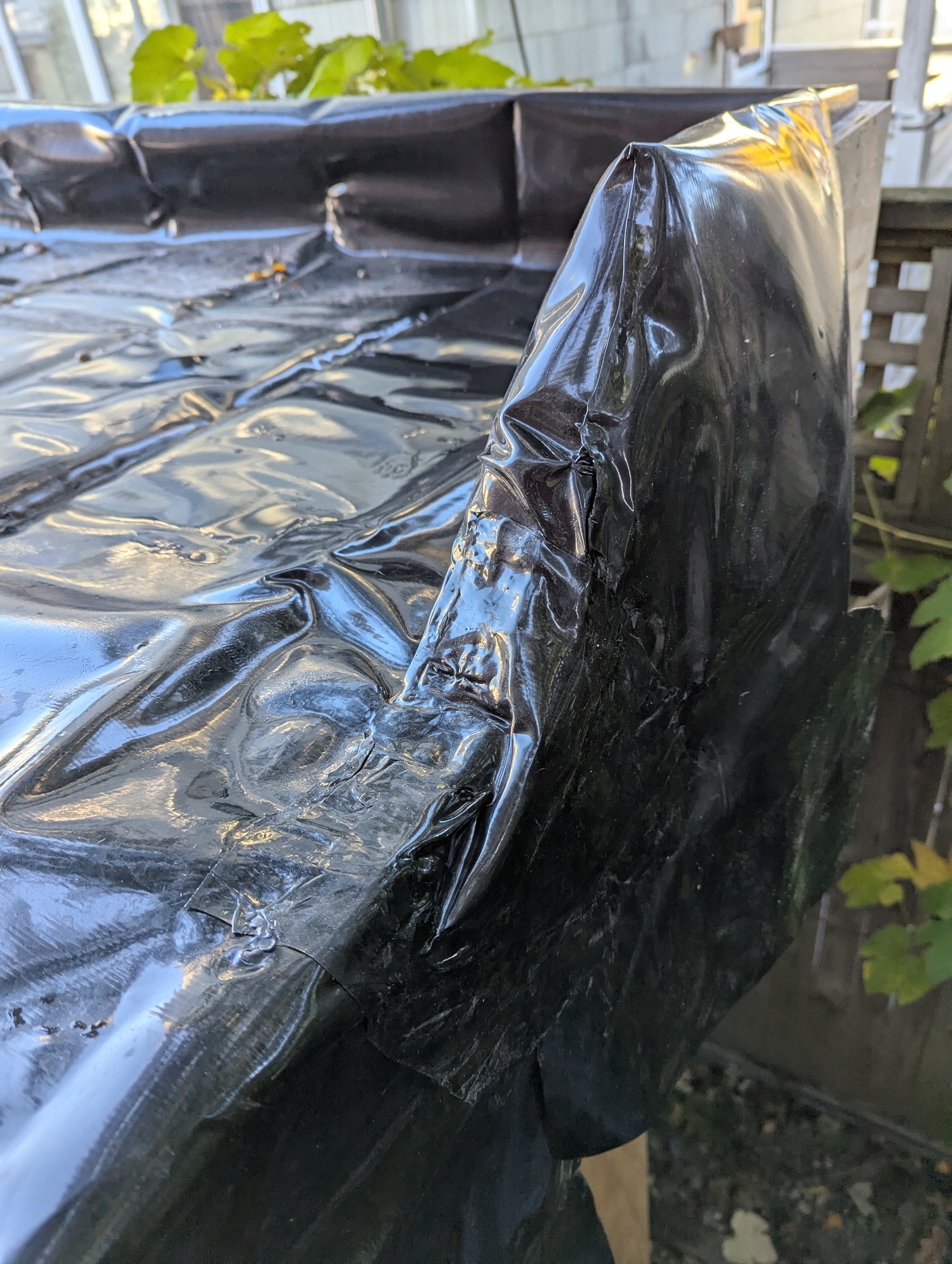
I needed to work around a corner of a shed green roof I'm building in a way that couldn't just be folded. Online sources say you need a specialized heat gun for HDPE welding (and that glues won't adhere).
I tested a weld on a scrap:
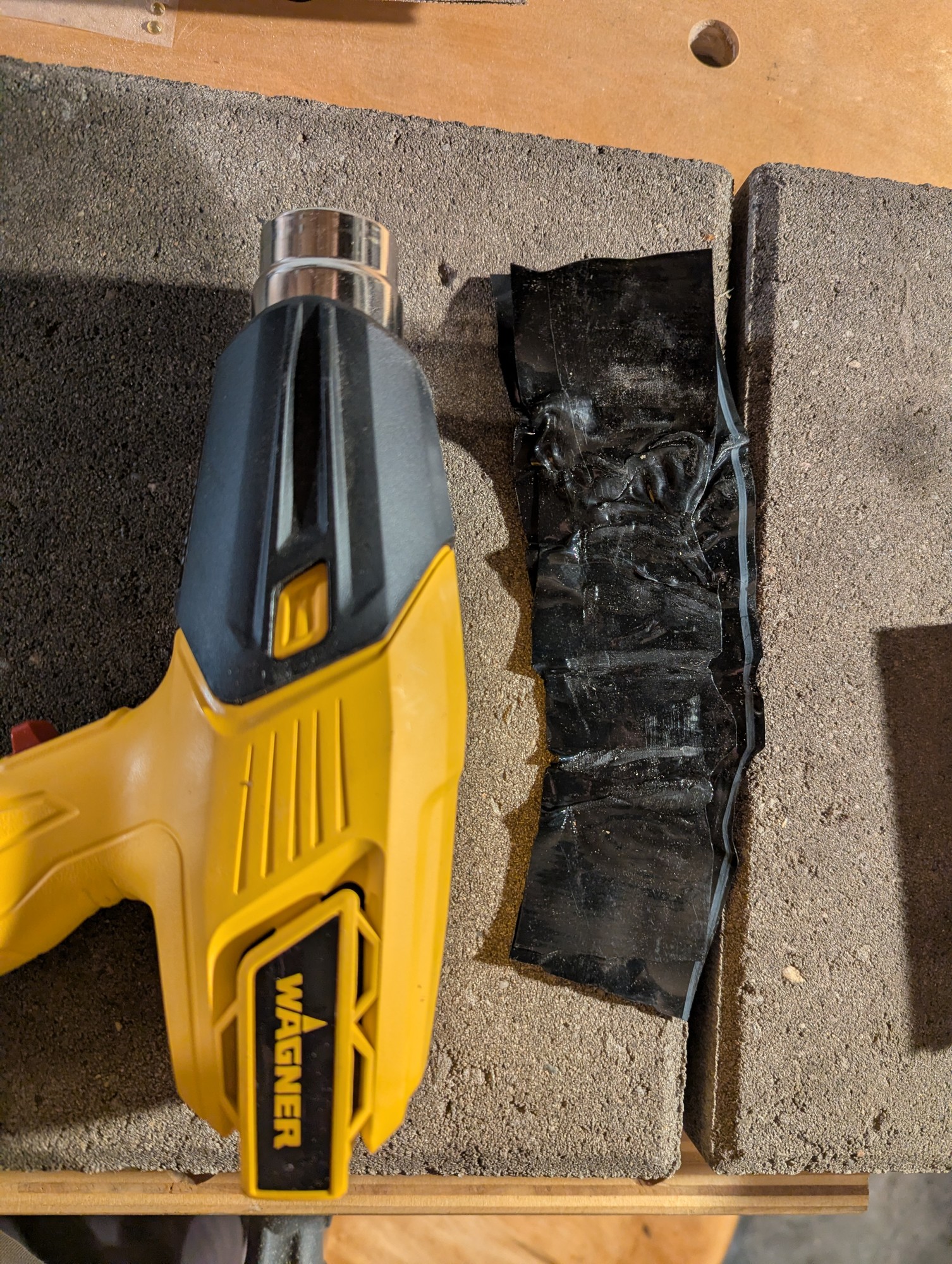
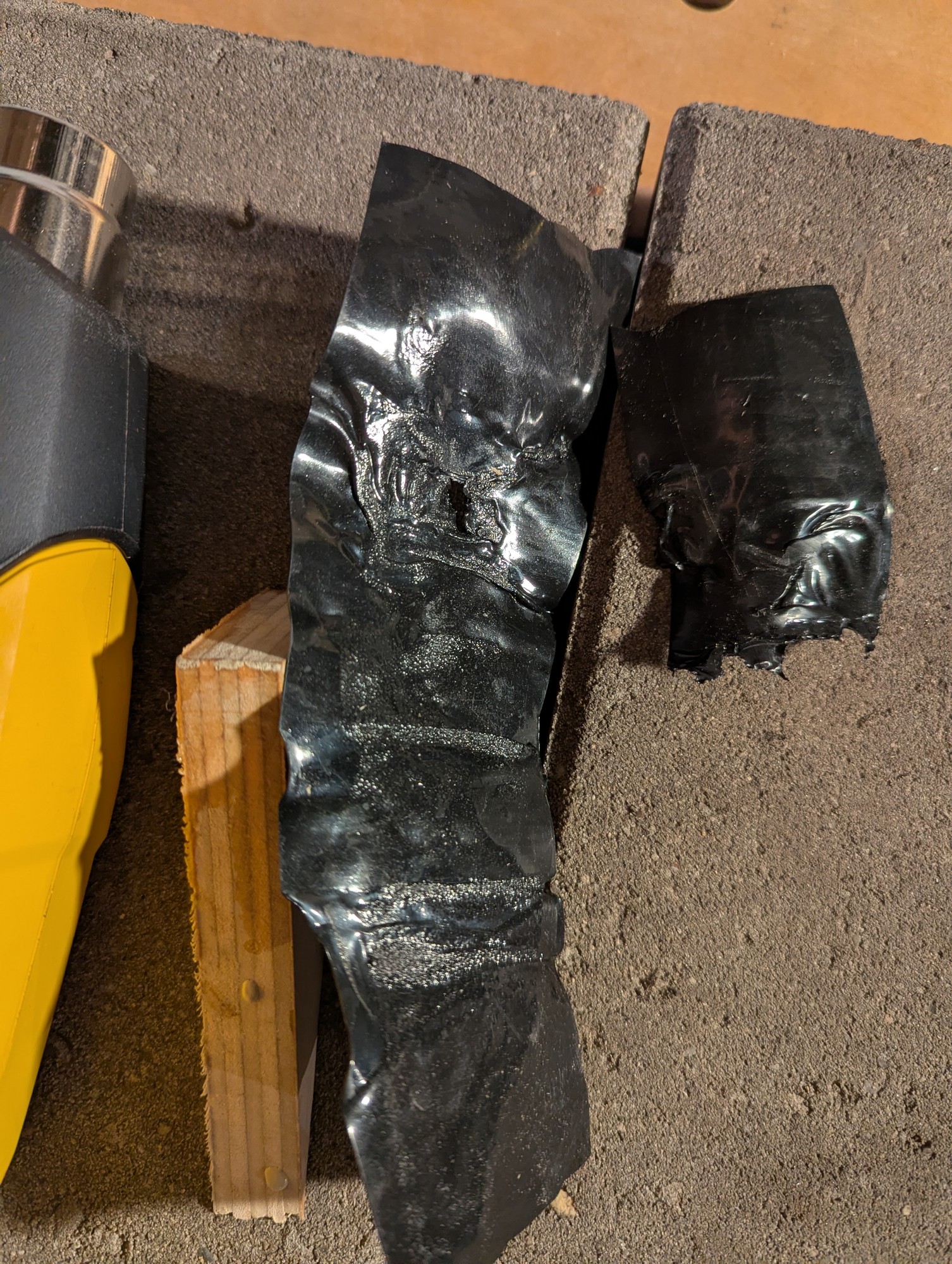
It stuck well enough to tear the material around the joint.
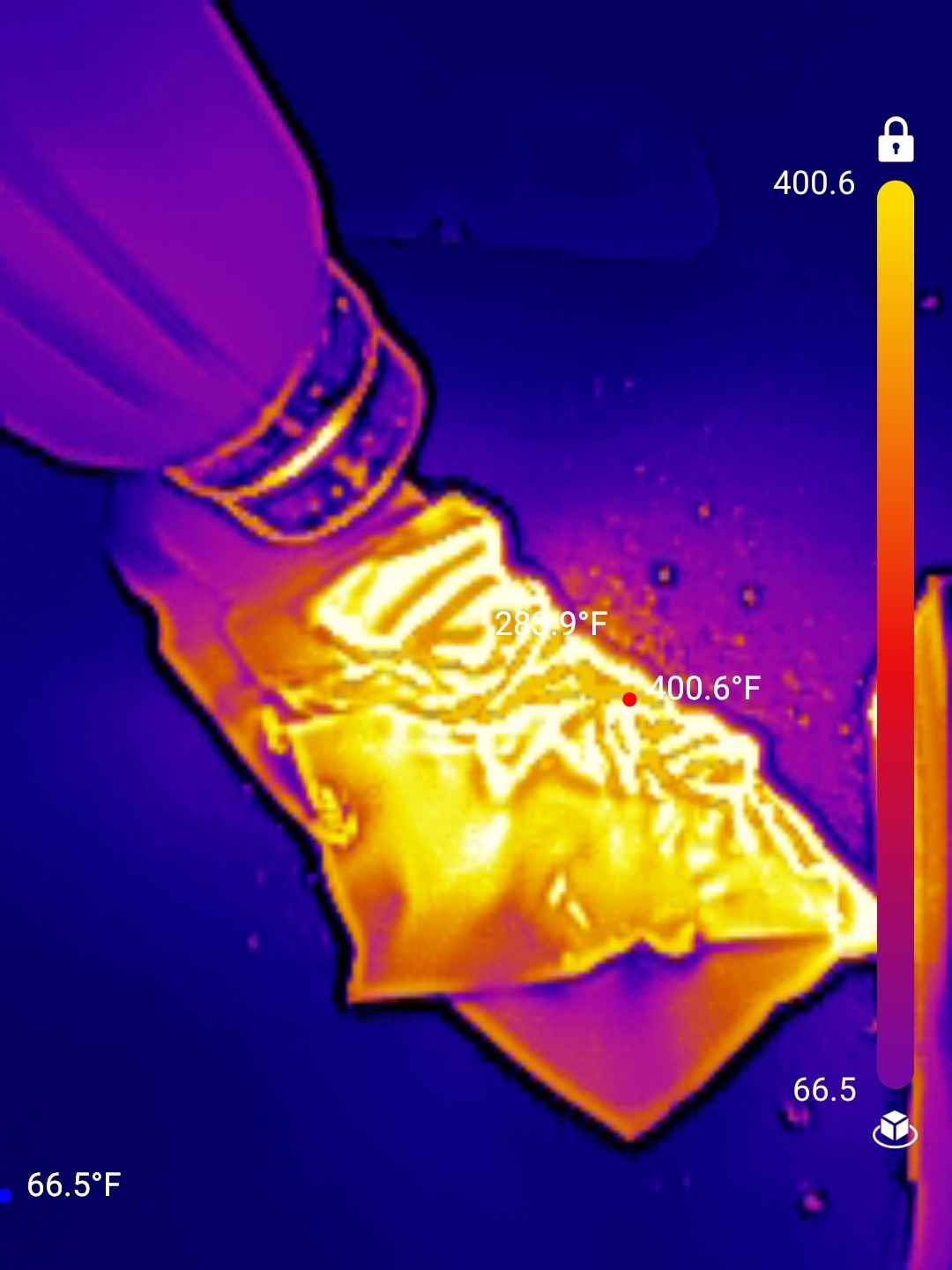
The heat gun got it up to about 400⁰F (204⁰C), plenty to make it sticky but also easy to buckle, melt, and tear.
I can see that a specialized tool would be easier, but for a small, low tension/wear, non-critical area, this worked fine. I think it will keep significant water from seeping into the corner.
I'm building a shed, and want a large single door on the end. It's 47" wide by 74" high (roughly 4'x6' or 120cm x 180cm), framed like a regular house door would be (header of two 2x boards with plywood sandwiched; joist and trimmer on each side). I'd like the door to avoid sagging, and also be strong enough so when kids inevitably climb on it that's fine too.
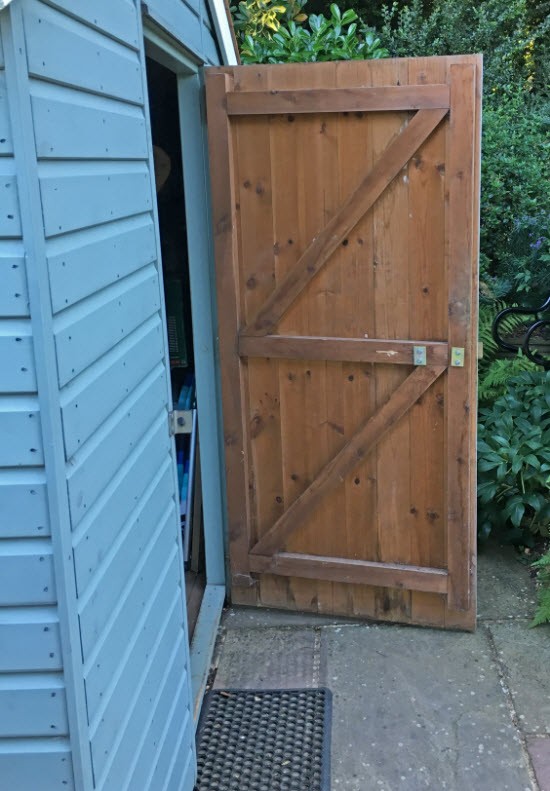
I see lots of patterns for shed doors, for example (from secrets-of-shed-building) the zig zag, with a pair of triangles bearing weight down to the hinge edge:
Or (from artofit but are they the new pinterest or something?) the high single diagonal:
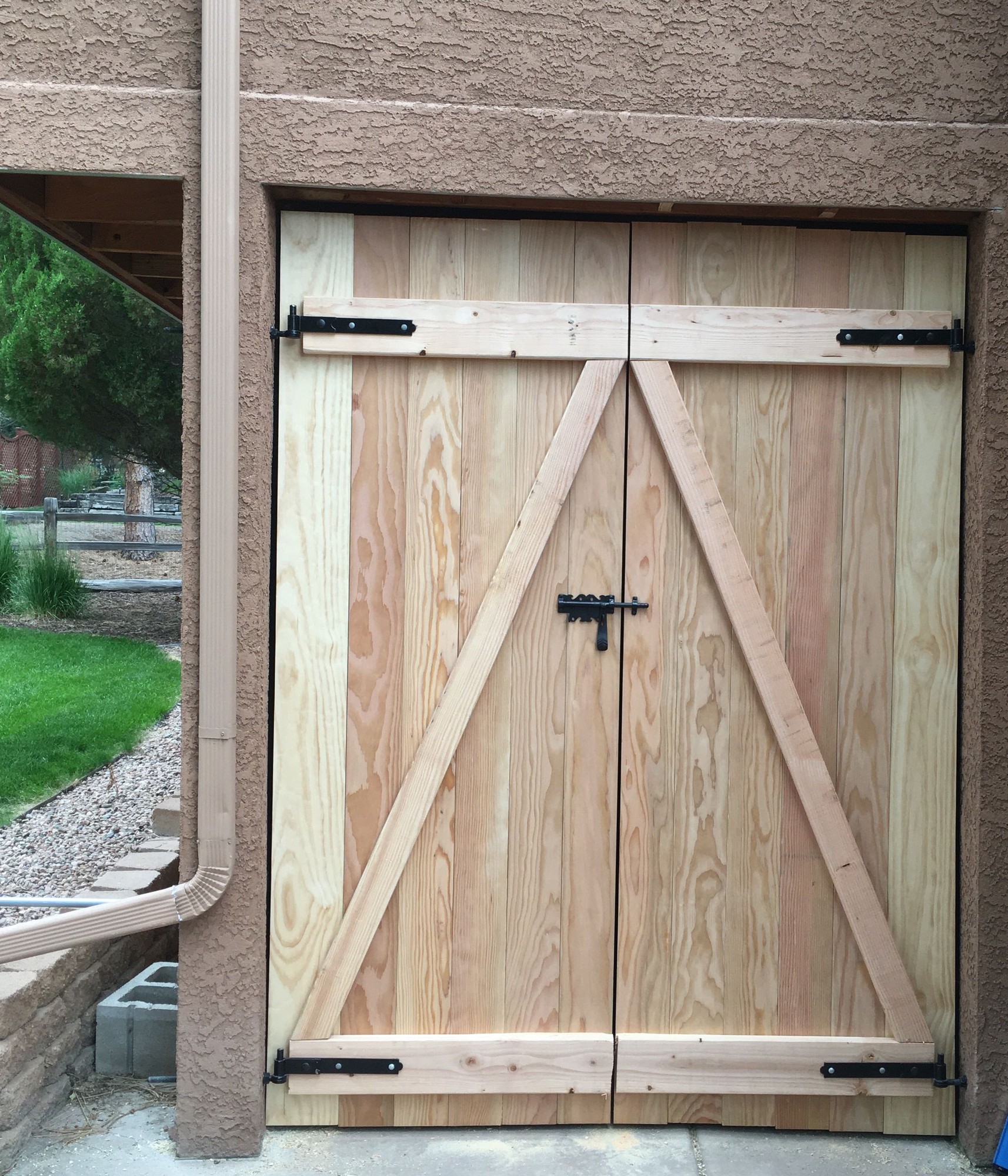
Or rectangles, or exes on the lower or both halves. Does the variety mean it doesn't really matter?
The shed has plywood sheathing, and I'm planning to have a single panel of plywood sheathing on the door, does that provide enough shear stiffness?
And I'll probably use 2x4 framing on the back/inside of the door, maybe lap joints for fun though most people seem to just do butt joints, probbly flat against the door though I see some folks putting the 2x4s edge against the door like they're just framing more wall.
Any experience with sagging or successful doors very welcome, or structural theory to apply here! Thanks in advance.
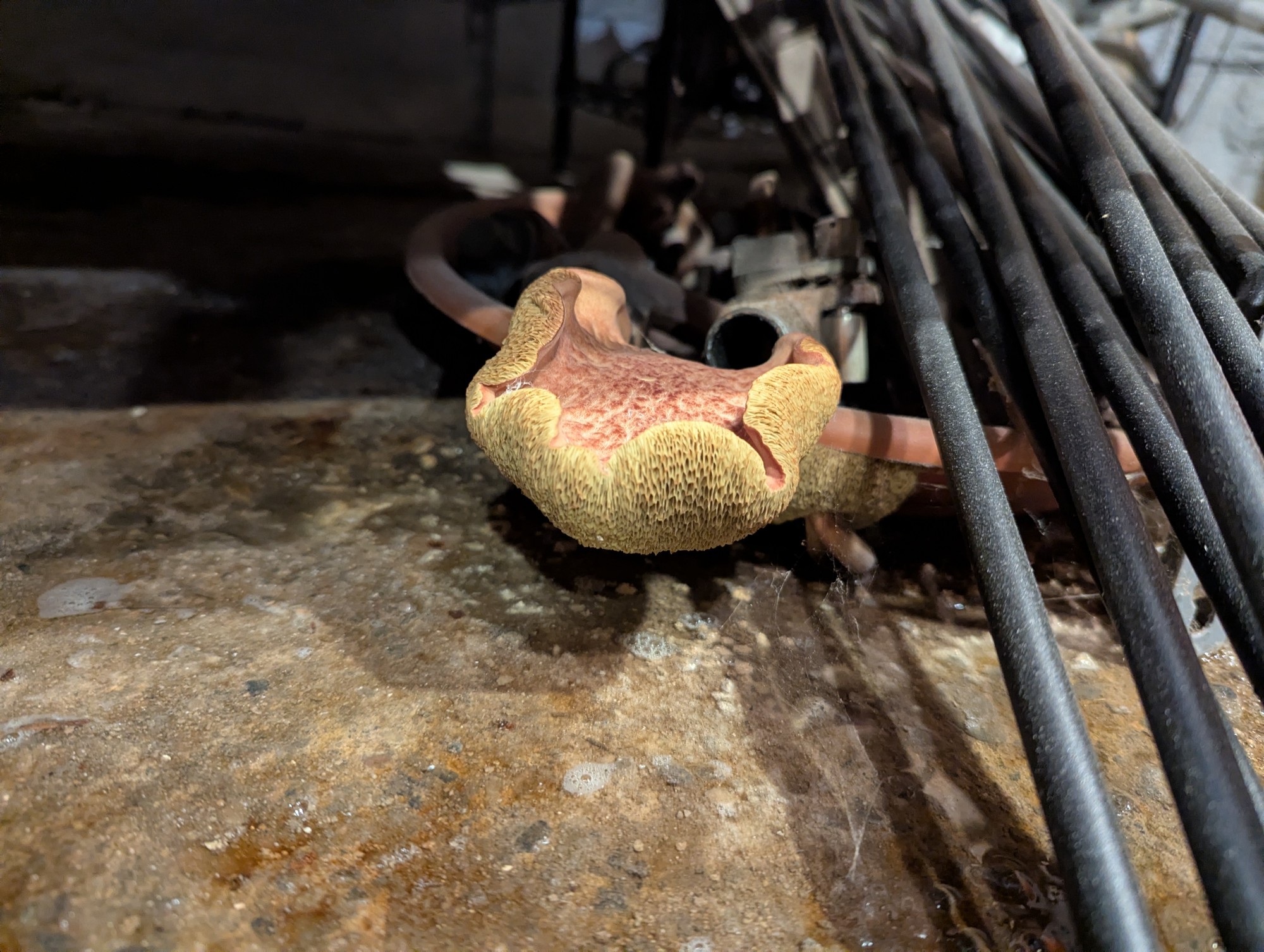
Every now and then after a big rain these crop up in my basement. No obvious cracks or anything where they pop out of the unfinished concrete floor. I try to dispose of them without too much opportunity to shake of spores, and then douse the floor with bleach, but I also admire their ability to grow with no apparent nutrients.
Probably not really necessary given how shallow it is, but I had fun hand chiseling a very slight birdsmouth for some shed rafters. After some practice (and sharpening), I could get most of the material in one cut. Demos I saw all used a circular saw, so thought I'd share something different.

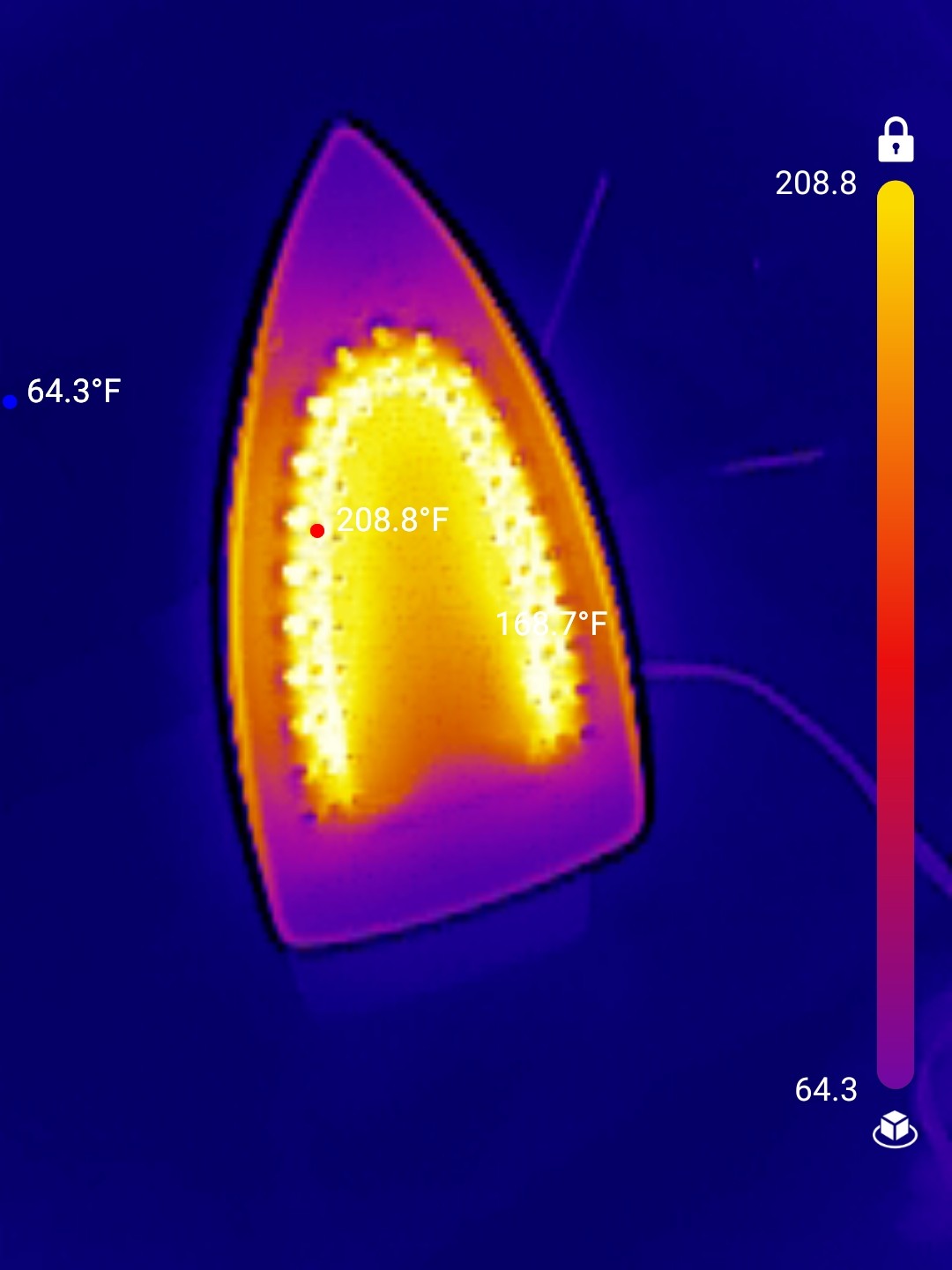
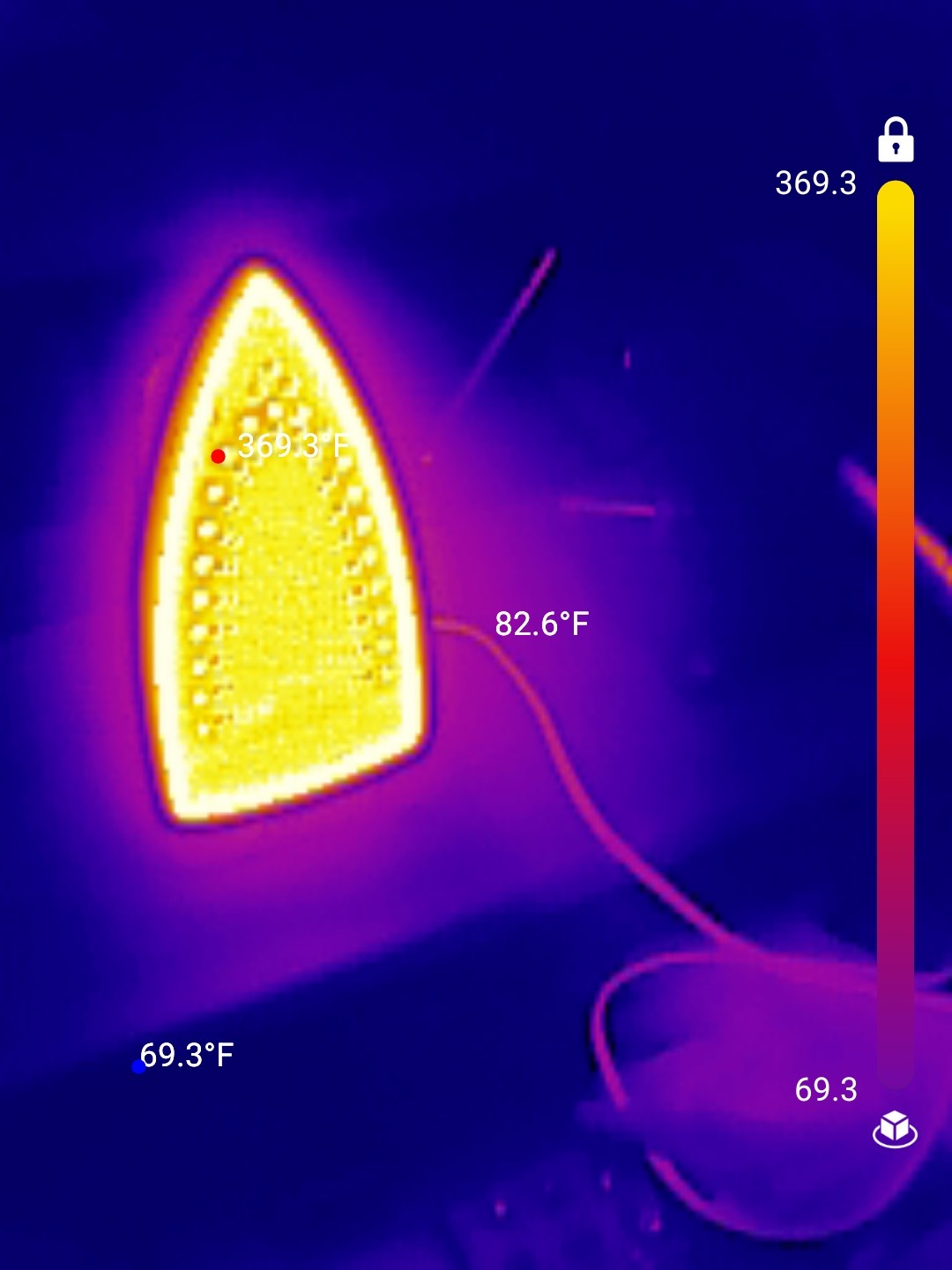
Iron just starting to warm (above) and ready (below).
Freshly ironed shape (below), and the paper it was ironed on (main post).
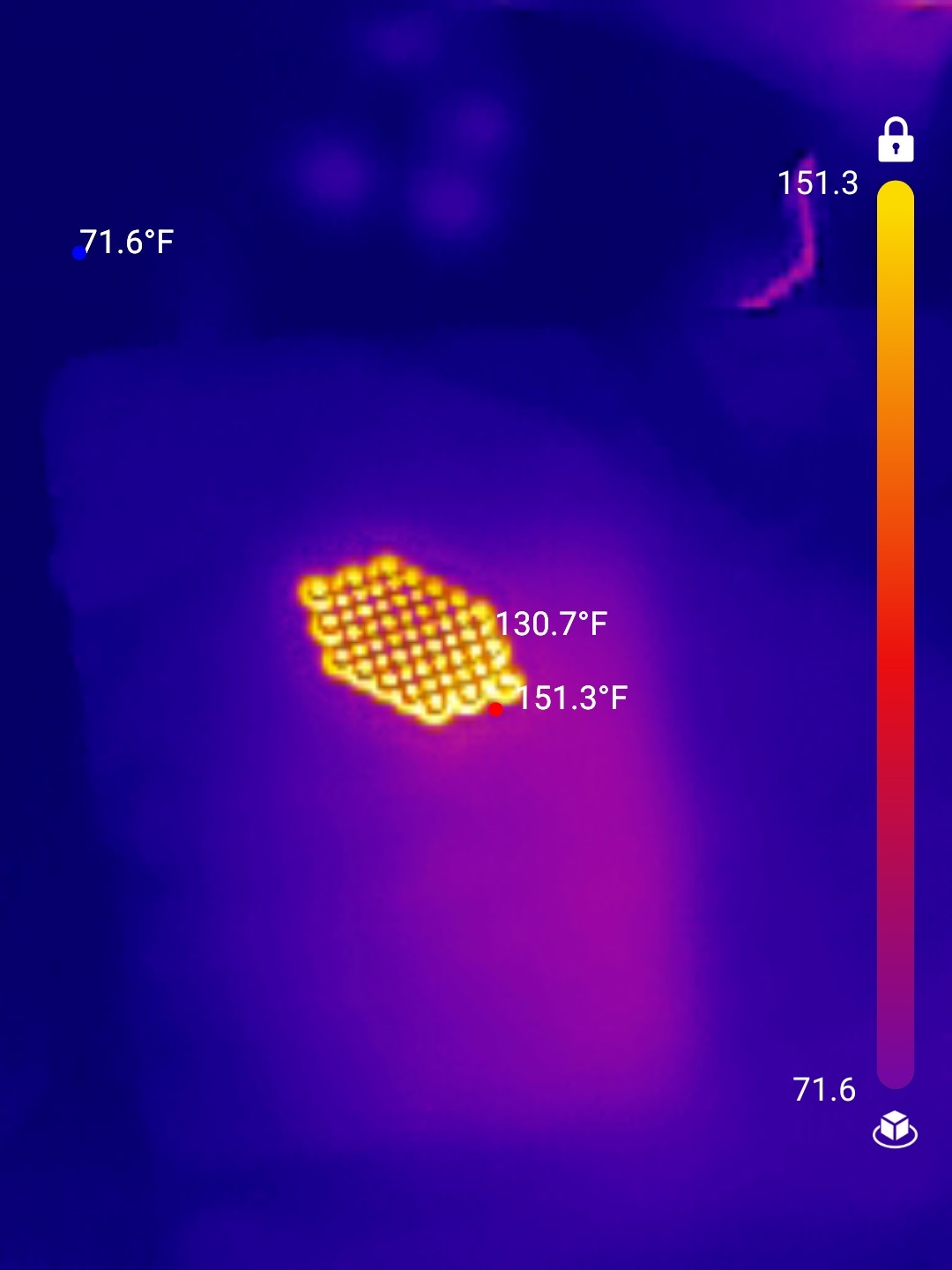
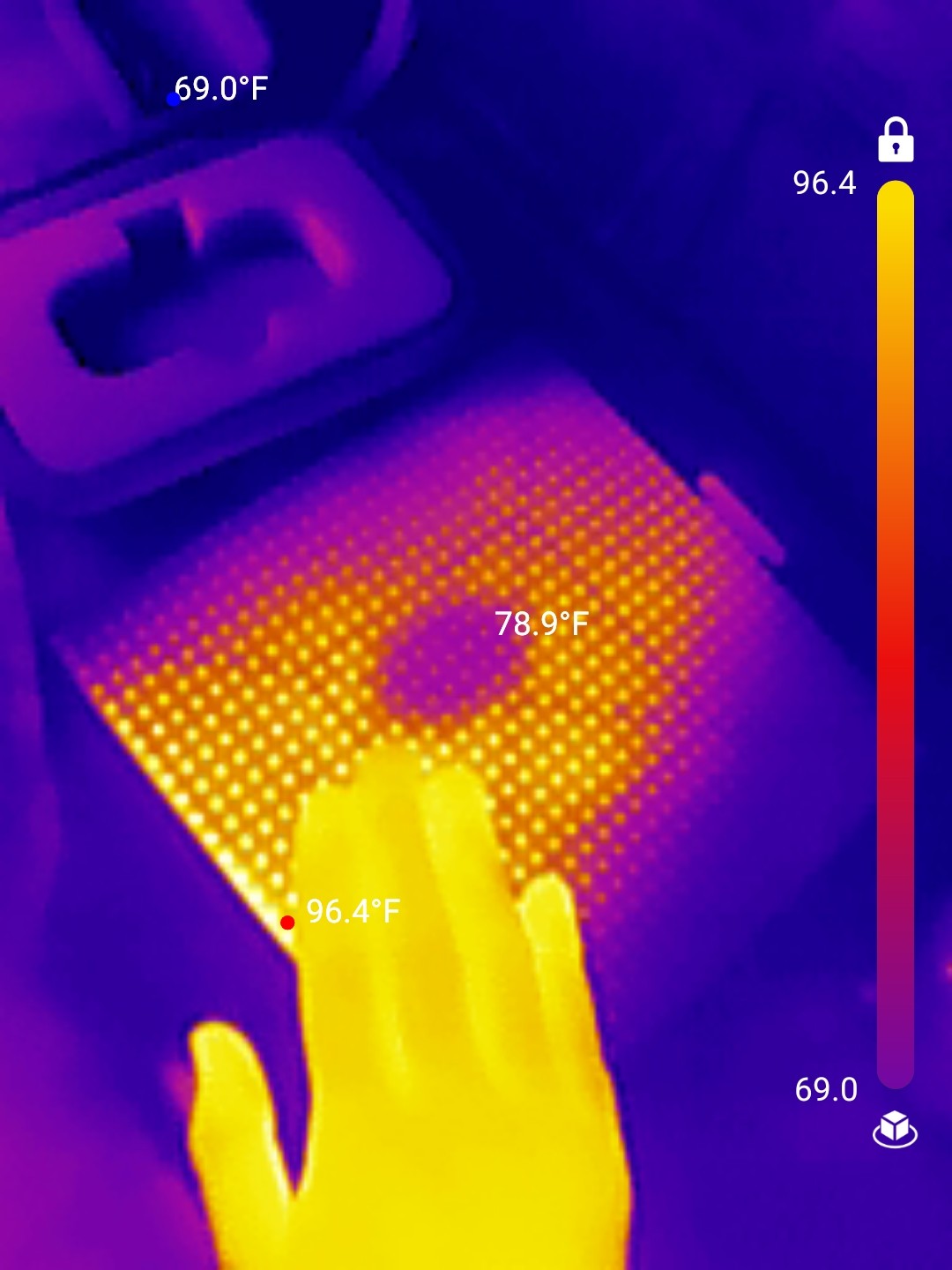
I'm working on a shed at home and, as I was ordering materials, found that OSB / chip board is much cheaper than plywood.
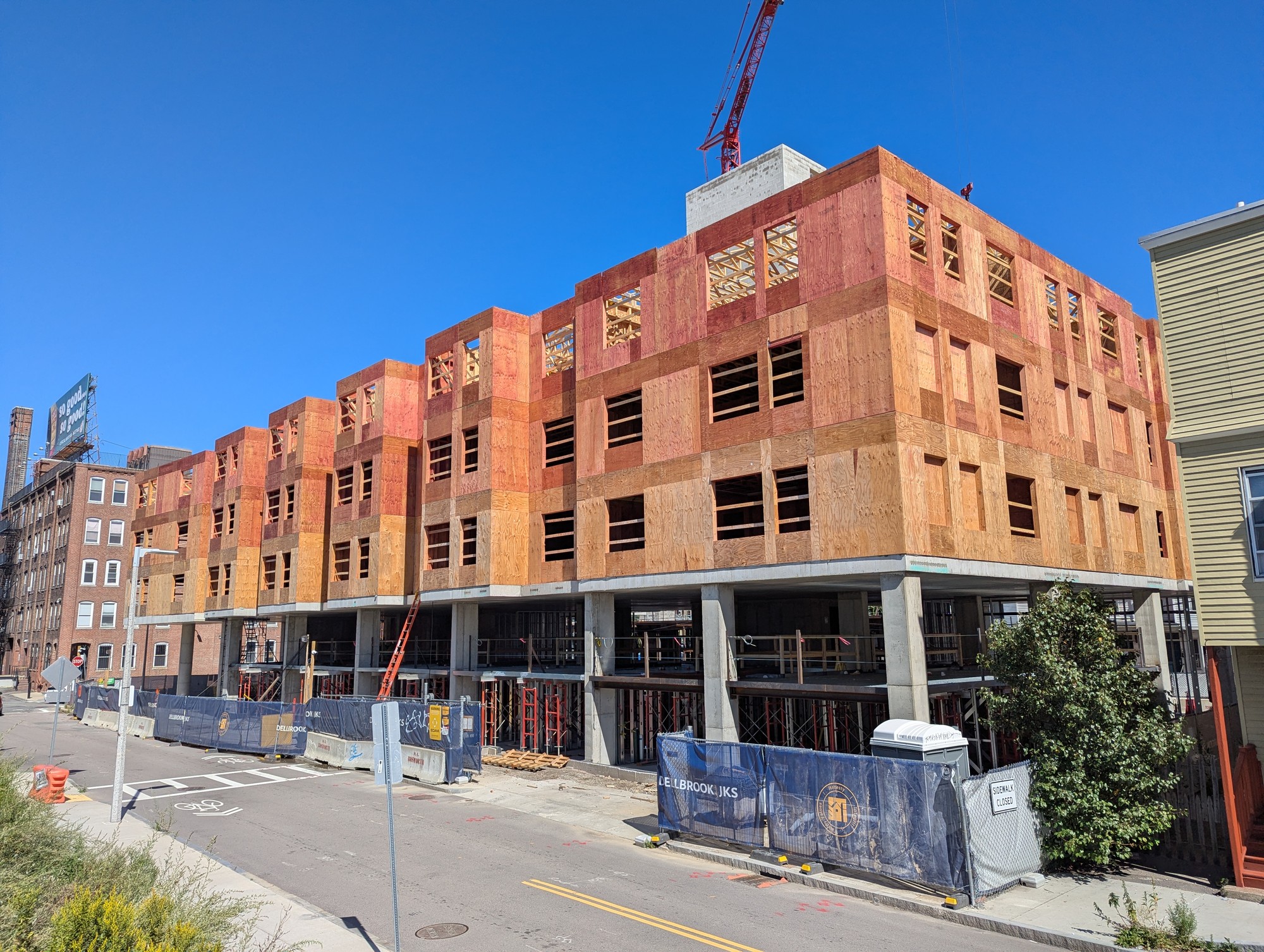
Why would an apartment building use plywood, when I imagine it'll be covered by insulation/vapor barrier anyway?
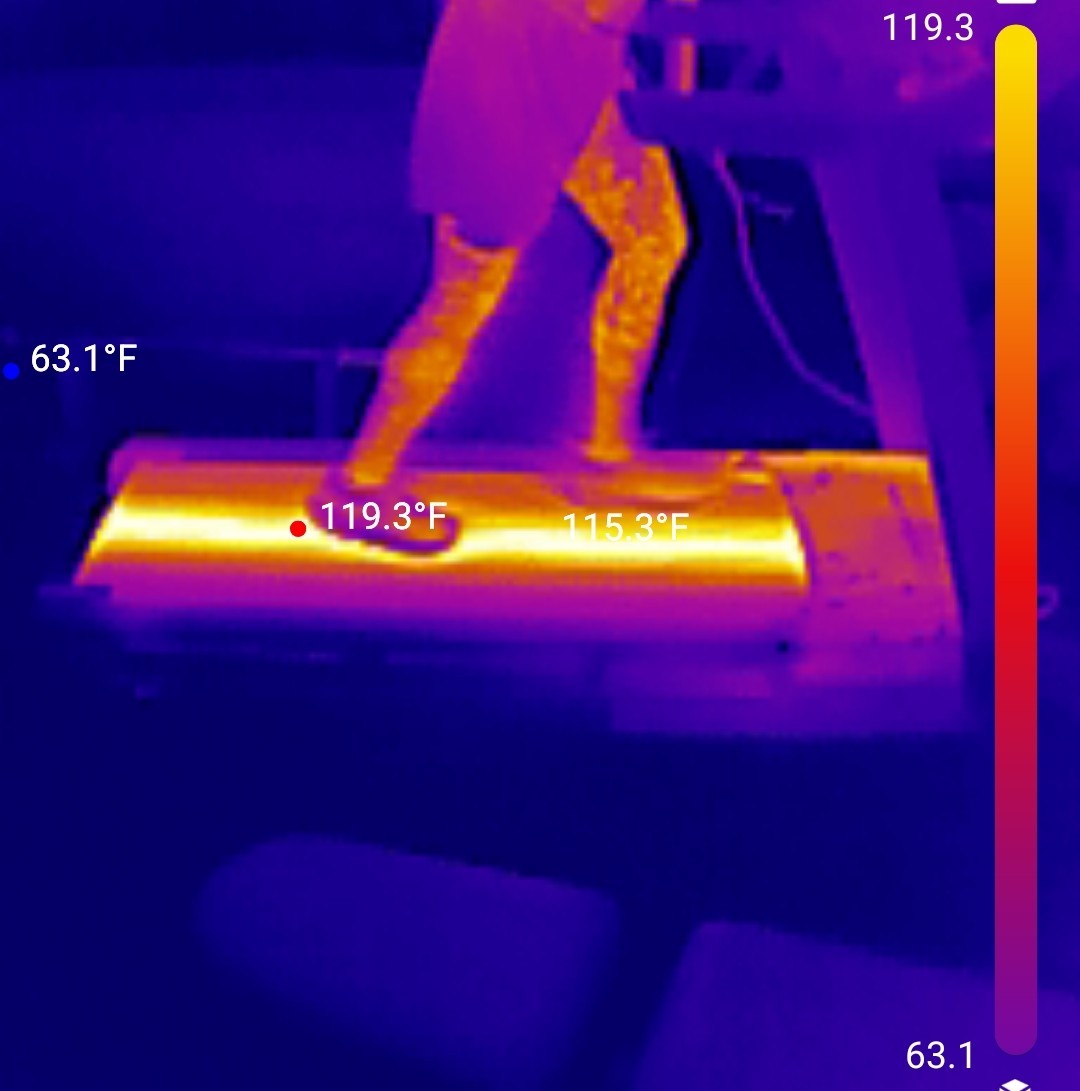
The Extra exam asks:
E5D10 - As a conductor’s diameter increases, what is the effect on its electrical length?
HamStudy has this explanation:
From the ARRL Antenna book:
the electrical length of a linear circuit such as an antenna wire is not necessarily the same as its physical length in wavelengths or fractions of a wavelength. Rather, the electrical length is measured by the time taken for the completion of a specified phenomenon.
As the diameter increases the resistance decreases, which in effect lengthens the effective "electrical length" of the wire. Thus you could have two wires of differing physical length which are both electrically e.g. "12 wavelength" at the same frequency because the shorter one has a larger diameter.
So, to restate again: the electrical length increases as the diameter increases.
OpenHamPrep explains with (sorry, seems to block copying text):
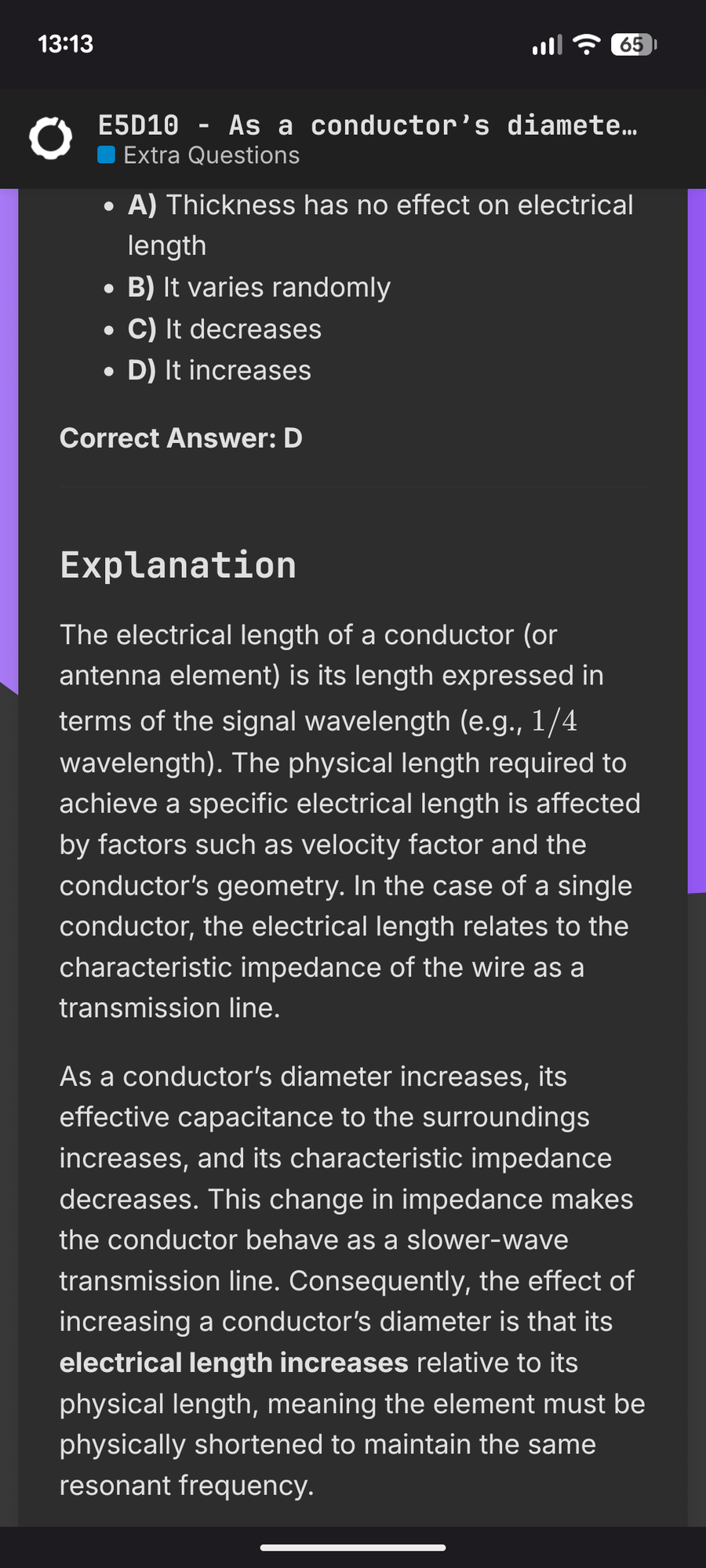
I'm having trouble internalizing the explanations though.
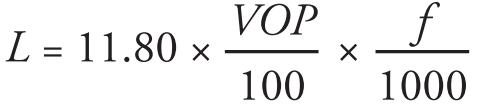
Electrical length: How does this relate to velocity factor? I'm picturing how one wavelength at a given frequency fits in the conductor. Compared to velocity factor of 1 (speed of light in a vacuum), if the wire had VF 0.8, I'm picturing that the wave in the wire would oscillate at the same rate but not get as far, so the wave would complete in a shorter physical distance. This matches an equation from picwire:
From HamStudy's explanation, how would decreased resistance mean increased electrical length?
OpenHamPrep seems to make more sense (bigger diameter = more capacitance). But why does that reduce characteristic impedence, and why would lower impedence mean "slower wave"?
view more:
next ›