[–] [S] 3 points 4 months ago*

34:30 - ad libitum energy intake cut by 25-33%, with no meaningful change in diet, i.e. guaranteed nutrient deficiencies which may account for sarcopenia and "Ozempic face".. the hall marks - sunken temples, sunken cheeks are from muscle loss in the face.

  • source
  • [–] [S] 3 points 4 months ago*

    i was trying out a new reference format and it kinda worked, but doesn't collapse inside of spoiler blocks

    broken syntax example

    example 1 [^1] example 2 [^2]

    [^1]: result 1 [^2]: result2

    can't collapse the footnote anchors

  • source
  • [–] [S] 5 points 4 months ago* (1 child)

    I was watching https://www.youtube.com/watch?v=Vv0xuj7m6tc - Carnism: The Psychology of Eating Animals - with the lady who coined the phrase in her dissertation, and her motivation and use of the word was quite thought provoking

    at 15:30 she says "the insanity of carnism that we are born into"; which speaks to her philosophy more then a description of behavior

    Then I started to dig into other critiques of the word https://doi.org/10.1017/9781316672693.001 Introduction: The New Animal Debate

    some protectionists prefer carnism as a term to describe the actual practice of eating meat. A worry they may have is that my usage of omnivorism risks giving meat eaters a biological alibi: “Don’t blame me for eating meat, it’s a biological fact of nature.”

    this whole thing is a exercise in new-speak and to sneak in indoctrination through definitional language. Removing agency from someone is a terrible thing to do, and to do it so arrogantly is no way to have a constructive conversation.

    The use of carnist is to force a philosophy onto someone else, rather then actually doing the hard work of actually looking at behaviors and philosophies. conflating one ideology onto someone else's behavior is narcissistic and arrogant.

  • source
  • [–] [S] 2 points 4 months ago

    There is a book - Political Savvy

    It's about business, but it applies anywhere - you have to map out everyone's incentives, and ensure your incentives are aligned or you will have "surprises". This conversation about the hospitals incentives, the doctors incentives, the patients incentives, and the families incentives is important - and they should be mapped out... While they are mostly in the same direction there are some differences -

    Survival vs quality of life are the big ones.

  • source
  • parent
  • context
  •  

    HilariousChaos.com is a instance started 2 years ago. 250 registered users, with 25 monthly active users.

    Adminsteam :

    admin action modlog :

    Published Code of Conduct:TOS which they post under their legal section

    You may not transmit any Content that is unlawful, offensive, upsetting, intended to disgust, threatening, libelous, defamatory, obscene or otherwise objectionable. Examples of such objectionable Content include, but are not limited to, the following:

    • Unlawful or promoting unlawful activity.
    • Defamatory, discriminatory, or mean-spirited content, including references or commentary about religion, race, sexual orientation, gender, national/ethnic origin, or other targeted groups.
    • Spam, machine – or randomly – generated, constituting unauthorized or unsolicited advertising, chain letters, any other form of unauthorized solicitation, or any form of lottery or gambling. ....
    • Violating the privacy of any third person.

    Censured by 7 instances

    https://gui.fediseer.com/instances/detail/hilariouschaos.com

    2 of the censures are n/a, 4 of the evidence sections are n/a, 1 censure is from a offline instance (dubvee).

    Blocked by 13 instances

    Checked with lemmy-federate.com

    • discuss.online
    • feddit.org
    • fedia.io
    • hexbear.net
    • lemmy.blahaj.zone
    • lemmy.ca
    • lemmy.nz
    • programming.dev
    • quokk.au
    • sh.itjust.works
    • sopuli.xyz
    • startrek.website
    • lemmy.dbzer0.com

    personal disagreements with a instance admin

    @ada@lemmy.blahaj.zone (one of the censure issuers) points out they have a beef with one of the instance admins https://piefed.blahaj.zone/comment/895309

    A single user behaving badly shouldn't be enough for a mass defederation, it should be a user ban/block not a instance censure.

    If the admin team is not enforcing their COC, not policing their users when they go into the fediverse (like hexbear), not responsive to escalations - that would be a good reason for censures or defederation

    Why bring this up now

    Someone made a YPTB post, and people were using the censures as a reason the mod behavior was justified, so I started to dig into it and I haven't seen the evidence for the censures and hate.

    https://lemmy.world/post/34135214

    Can someone show me content on hilariouschaos itself that makes them bad fediverse neighbors?

    The censures on fediseer point to what they might do, or behavior on a different lemmy instance - since the instance has been up 2 years its reasonable to expect bad behavior to be observable on hilariouschaos.com itself now. Blank censures are not reasonable. It looks like vibe based censures

    I personally think if a group keeps their crazy into !crazythoughts@instance and then goes out into the fediverse acting as good citizens and respecting posted community rules… then thats fine, they are good fediverse neighbors. Hexbear is a example of a bad neighbor, they go out into the fediverse and antagonize others in their home communities.

    The published code of conduct looks reasonable, and speaks to points they have been censured for. The admin mod log shows they are actively policing their instance.

    1. Can we update the censures to point to bad neighbor activity from hilariouschaos.com itself - the instance has been up 2 years.
    2. If we can't do 1, can we remove censures that are not relevant in the past 2 years of demonstrated fediverse behavior?
     

    Type 2 diabetes mellitus (T2D) is a growing health problem, but little is known about its early disease stages, its effects on biological processes or the transition to clinical T2D. To understand the earliest stages of T2D better, we obtained samples from 106 healthy individuals and individuals with prediabetes over approximately four years and performed deep profiling of transcriptomes, metabolomes, cytokines, and proteomes, as well as changes in the microbiome. This rich longitudinal data set revealed many insights: first, healthy profiles are distinct among individuals while displaying diverse patterns of intra- and/or inter-personal variability. Second, extensive host and microbial changes occur during respiratory viral infections and immunization, and immunization triggers potentially protective responses that are distinct from responses to respiratory viral infections. Moreover, during respiratory viral infections, insulin-resistant participants respond differently than insulin-sensitive participants. Third, global co-association analyses among the thousands of profiled molecules reveal specific host–microbe interactions that differ between insulin-resistant and insulin-sensitive individuals. Last, we identified early personal molecular signatures in one individual that preceded the onset of T2D, including the inflammation markers interleukin-1 receptor agonist (IL-1RA) and high-sensitivity C-reactive protein (CRP) paired with xenobiotic-induced immune signalling. Our study reveals insights into pathways and responses that differ between glucose-dysregulated and healthy individuals during health and disease and provides an open-access data resource to enable further research into healthy, prediabetic and T2D states.

    Full Paper : https://doi.org/10.1038/s41586-019-1236-x


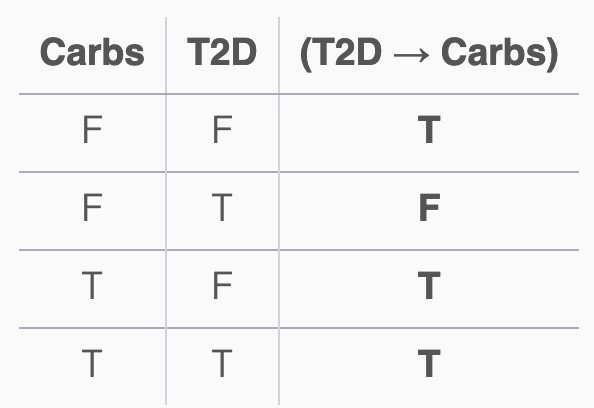
    (T2D → Carbs)

    Type 2 Diabetes (T2D) is a condition defined as persistently elevated blood sugar.

    Which food elevates blood sugar? Carbohydrates (almost exclusively). Any type of carbohydrate gets converted into blood glucose in short order. This means sugar and whole grains basically have the same blood glucose impact gram for gram.

    Most T2Ds still produce insulin in their pancreas, in fact they are likely producing the most insulin over their lifespan while T2D. T2D is not a condition of insufficient insulin, but excessive glucose. Some people will develop double diabetes where the T2D is joined by T1D, so they wouldn't be producing any insulin as a T2D.

    **I have not seen any case in the literature where someone who isn't eating a high carbohydrate diet develops type 2 diabetes. **Please correct me if you are aware of such a case study.

    Around lemmy I see the constant news cycle of X,Y,Z will increase or decrease T2D risk. Every one of these news articles is just driving hype and doesn't mention the necessity for carbohydrates in the development of type 2 diabetes. Every single "article" Ive come across is providing a sensational simplification of a epidemiological study.

    Epidemiology is not science, its the start of science, but it cannot establish causation. At best it can suggest associations which then should be followed by interventional studies with falsifiable hypothesis. With epidemiology you can tease out any association you want Paper - Grilling the data: application of specification curve analysis to red meat and all-cause mortality with basically advanced forms of p-hacking.

    Epidemiology shouldn't be in the news, it shouldn't be reported on as lifestyle or dietary advice, it should always come with a huge disclaimer about the assumptions of the study models.

    The significant problems with epidemiology in nutrition

    • Food Frequency Surveys administered every 1-4 years
    • Model assumes variables are independent
    • "Control" models make assumptions about RV independence
    • Significant healthy user bias
    • Weak hazard ratios
    • Only reporting in relative risk and not absolute risk
    • Tends to use older population so they can see hard endpoints in the data (old people die more often)

    TLDR

    1. You can't get type 2 diabetes if you don't eat carbohydrates
    2. Epidemiology isn't science
     

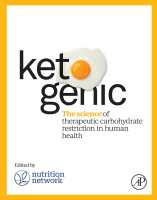
    Ketogenic: The Science of Therapeutic Carbohydrate Restriction in Human Health presents the most up-to-date and evidence-based science and research available in the field of TCR, with the purpose of training medical and allied healthcare professionals on the effective therapeutic use of low-carbohydrate and ketogenic nutrition in clinical practice. This book explores the appropriate, safe, and effective use of TCR to improve patient outcomes in a broad range of chronic metabolic conditions and aims to promote health.

    Focused on lifestyle management, health support and the treatment of diseases rooted in poor nutrition, this book explores the role of food and lifestyle modification as medicine and is a valuable resource for nutritionists, dietitians and medical professionals who provide diet-related counselling, as well as those researching or studying related areas.

    • Presents new best-practice guidelines for using TCR to treat, improve or reverse nutrition-related metabolic conditions and diseases that were previously thought to have a chronic, irreversible progression
    • Provides an overview of the most recent evidence outlining the biochemistry and physiology pertaining to human nutrition and health
    • Offers evolutionary and historical context to human nutrition
    • Contains clinical practice guidelines for the implementation of TCR from medical practitioners who prescribe TCR in their practices, allowing readers to understand real-life concerns in the field
    • Features case studies that provide practical examples of how to assess, monitor and intervene with patients that practitioners encounter in their practices
    • Explains the physiology and biochemistry of the normal and pathophysiological state for each condition and links these to the application of TCR

    https://doi.org/10.1016/C2019-0-03604-7 Full Book is available on the normal book sharing websites.

    Chapter 1 - Understanding human diet, disease, and insulin resistance: scientific and evolutionary perspectives

    Nutritional authorities promote high-carbohydrate, low-fat diets to combat modern diseases such as obesity, type 2 diabetes and heart disease. However, the science behind this ideology is flawed. Virtually everything the public knows about diet can be challenged. The foods that cause harm are the very food groups the public believes are healthy: carbohydrates and polyunsaturated vegetable oils. Conversely, human physiology, from brain size to gastrointestinal morphology appears to support a carnivorous design. While low amounts of certain carbohydrates are tolerable, chronic consumption of processed carbohydrates promotes non-communicable diseases (NCDs). Indigenous cultures adopting modern agriculture develop diseases practically absent beforehand. Processed foods have been linked to systemic inflammation, mitochondrial dysfunction, and more. Their mechanism is insulin resistance, which is crucially involved in most NCDs. The chronic disease pandemic only worsens despite the billions of dollars invested to treat them. A new perspective is needed.

    Chapter 2 - Nutritional aspectsWith evidence pointing to the efficacy of therapeutic carbohydrate restriction (TCR), official protocols for implementation into clinical practice are required. During the metabolic transition from a high-carbohydrate to a TCR diet, clinical considerations and patient guidance are required. Aside from the formulation and prescription of TCR, clinicians must be familiar with the precautions, assessment, and monitoring of clinical outcomes associated with this intervention. Nutritional ketosis is a physiological ketosis of the fed state with specific biochemical and nutritional aspects that must be taken into account in TCR. Understanding this metabolic state, as well as the biochemistry and physiology of ketone metabolism, is critical. When prescribing TCR, the clinician must also understand the context of nutrient requirements, as well as the differences between animal and plant nutrition. This chapter discusses the most important nutritional aspects to consider and comprehend when prescribing TCR.

    Chapter 3 - EndocrineEndocrine dysregulation is the hallmark of modern chronic disease, with insulin resistance (IR) playing a central role. Research surrounding treatments to such disorders are complicated due to complex hormonal regulation of homoeostasis, with the liver playing a central role. Yet recognising the common pathology provides a more universally applicable approach to treatment: the target and regulation of insulin. Therapeutic carbohydrate restriction (TCR) has efficacy in regulating insulin, often without the need for, or with the deprescription of, pharmacotherapeutics. The most evidence for TCR focuses on its induced remission of metabolic syndrome (MetS), IR, and type 2 diabetes (T2D). Emerging research also supports its use for type 1 diabetes (T1D), polycystic ovarian syndrome (PCOS) and regulation of the thyroid and the hypothalamic-pituitary-adrenal-axis. Overall, TCR is promising in the treatment of endocrine disorders, often surpassing many medications prescribed to treat them.

    Chapter 4 - Cardiovascular disease and its association with insulin resistance and cholesterolAs the main nutrient delivery system, the cardiovascular system is intimately tied to metabolic health. Insulin resistance (IR) is implicated in atherosclerosis through numerous pathophysiologies, causing a variety of problems from stroke and renal failure to congestive heart failure (CHF) and myocardial infarction (MI). The traditional atherosclerosis model, the diet (lipid) heart hypothesis, wrongly demonises LDL, a biologically essential, multifunctional transport molecule, which is more likely atheroprotective than atherogenic. The resultant prescription of cholesterol-lowering medications (statins and PCSK9 inhibitors) arguably worsen heart health and IR. Evidence is presented for the role of therapeutic carbohydrate restriction (TCR), despite its high fat and cholesterol content, in reducing IR and improving overall cardiometabolic risk (lipids and blood pressure).

    Chapter 5 - NeurologyThe brain is a metabolically demanding organ and thus sensitive to nutrient availability. It is not ordinarily conceived to be predisposed to metabolic syndromes, though research postulates insulin resistance and chronic hyperglycaemia may be behind most neurological disorders, redefining them from a metabolic perspective. High-carbohydrate diets also have an important psychological impact. The brain has been evolutionarily programmed to treat carbohydrates as a reward, activating dopaminergic cascades due to their historical scarcity. This neurobiology has disadvantages in an age of carbohydrate abundance. While the brain is perceived as a glucose-dependent organ, ketone bodies are an alternative and possibly superior fuel, allowing patients with Alzheimer’s disease (AD), dementia, and mood disorders to improve their glucose hypometabolic states and associated symptoms. Ketogenic diets (KDs) are an accepted standard of treatment for refractory epilepsies and alleviate neuroinflammation in other neuropathologies. Research on the KD in the treatment of these disorders is in its infancy, yet has demonstrable restorative potential begging further investigation.

    Chapter 6 - CancerSince the discovery of DNA, the metabolic theory of cancer has been sidelined for genetic research. Yet cancer continues to rise. New research recaptures mitochondria as the driver, while upregulation of oncogenes and tumour suppressor mutations are recognised as downstream of the damage to oxidative phosphorylation (OxPhos). Despite the prevalence of the somatic (genetic) mutation theory, there are numerous inconsistencies. In contrast, it appears that all cancers are characterised by dysfunctional mitochondria. Cancer pre-1960 was a rare disease, all of which has changed as diets have. Press-pulse therapy and ketogenic diets (KD) have proven effective therapies, due to cancers’ selective metabolism of glucose and glutamine (Warburg effect), in combination with the non-fermentability of ketones. Some dietary aspects are individualised to the patient and cancer, but follow this general protocol. Fasting induces additional selective stress to cancers. With cancer genetic research stagnating and metabolic approaches showing promise, this perspective offers a new path forward.

    Chapter 7 - Musculoskeletal and immunological considerationsMusculoskeletal conditions are primarily thought to be age-related and unavoidable. While age is a factor for musculoskeletal functional decline, an association with age should be considered alongside lifestyle factors. Inflammation accompanies musculoskeletal conditions, and should be targeted when considering interventions for these conditions. Diet is a key modulator of inflammation. The Western diet is known to contribute to inflammation and can negatively affect the microbiome, both of which are implicated in autoimmune disease. Therapeutic carbohydrate restriction (TCR), on the other hand, shows promise for improving inflammation and the microbiome, as well as rheumatic and autoimmune conditions. As it relates to age-associated declines, a well-formulated TCR protocol naturally is animal nutrient-centric, meaning it supplies sufficient protein, minerals, and fat-soluble vitamins to prevent or delay chronic conditions and bone and joint issues, supplemented with exercise (which itself demonstrates similar preventative effects). TCR, in addition to metabolic improvement, has well-documented effects of improvement in age associated physiology, such as visceral adiposity, decline of cognition, bone mass, density, and muscle mass, and increased risk for chronic disease associated mortality. In this chapter the role of TCR as a promising supportive treatment for many rheumatic and autoimmune conditions, as well as age-related conditions is discussed.

    Chapter 8 - Gastrointestinal health and therapeutic carbohydrate restrictionHuman health is tied to the microbiome, and dysbiosis begets disease. Many gastrointestinal (GI) conditions cause unnecessary proliferation of normal gut microbiota, leading to dysbiosis, painful symptoms and hunger signal dysregulation. Dysbiosis causes damage to tight junctions and provides an entryway for pathogens to systemic circulation, which leads to a variety of conditions, including allergies, intolerances and even autoimmune reactions. Other disorders exist in the liver, pancreas, hepatic portal system and gallbladder, all of which follow from poor dietary choices. Therapeutic carbohydrate restriction or the ketogenic diet (KD) is, by nature, closely related to diets with evidence of efficacy for various GI conditions (namely, specific carbohydrate diet and low-FODMAP diets). Unsurprisingly then, evidence is emerging regarding a similar efficacy. The KD is animal-based and as such excludes many plant-based gut irritants. Some troubleshooting and individualisation may be required, but an adapted KD has long-term clinical potential to alleviate many GI conditions and deserves more clinical application.

    Chapter 9 - Exercise and sports performanceThe role of fat adaptation and carbohydrate restriction for athletes is an emerging and controversial area. Many athletes voice concern over glycogen depletion with carbohydrate-restricted diets. Though, with mounting metabolic concerns of chronic excessive carbohydrate consumption manifesting in athletes, alternative ergogenic protocols need be devised to sustain health and performance in athletes. Much research on the metabolic effects of ketogenic diets (KDs) and low carbohydrate, high fat (LCHF) diets and related supplementation in athletes is ongoing. Most literature concentrates on high-carbohydrate male athletes and cannot apply to ketogenic or female athletes without considering metabolic differences. The research that has surfaced on KDs maligns it with performance impairment due to trial brevity. Other studies accounting for the extensive period of metabolic reprogramming generally show performance maintenance or improvement. Athletic nutrition and performance are individualised and troubleshooting may be needed. Case studies have emerged of KDs showing benefit in some athletes, emphasising the need for clinical trials.

    Chapter 10 - Therapeutic fastingFasting is a voluntary, controlled period of abstinence from food that is important to human evolution and has medical, spiritual, and cultural significance in most areas of the world. However, in Westernised countries, incidence and duration of fasting has decreased due to dietary emphasis on snacking. This shift has profound health effects due to the continual suppression of fasting-state gluconeogenesis, nutritional ketosis, and protein conservation, often resetting the cycle before blood glucose and insulin falls. Patients may voice concerns over malnutrition or nutrient depletion, though evidence underscores the physiological differences between fasting (benefits) and starvation (complications). Contraindications and cautions are few but require consideration. Fasting is an effective regimen as it minimises time and financial expenditure, in addition to having health benefits and enhancing longevity.

    Chapter 11 - Psychological, behavioural, and ethical considerationsA dietary intervention is only effective in the long term if it is sustainable. Sustainable health improvements require persistent changes in thoughts and behaviour, as well as control over eating. There are techniques healthcare practitioners can employ to guide patients towards behaviour change, while encouraging them to take responsibility for their own health and achieve lasting improvements. Therapeutic carbohydrate restriction (TCR), gives patients a physiological advantage by controlling hunger (despite reduced caloric intake and weight loss); offering a sustainable alternative to conventional hypocaloric weight loss interventions, which usually result in hunger and rebound weight gains. Evidence indicates that ultra-processed food (UPF) may also play a role in cravings and eating control, promoting addictive eating behaviours that thwart health and weight loss efforts. TCR eliminates UPF and thus, as an adjunct to other behavioural and psychological interventions, may offer a treatment modality to address addictive eating. While TCR is a relatively novel nutritional evidence-based modality that challenges current dietary guidelines, healthcare practitioners have an ethical responsibility to fulfil the Hippocratic values that underlie western medical ethics, to first do no harm. In the light of evidence indicating the harmful effects of conventional high-carbohydrate diets on metabolic health, TCR public health advocacy is one of the most crucial ethical duties of healthcare professionals in modern times.


    Comprehensive Resources

    Primary Research

    Epidemiology

    Reviews

    Models

    Demon Bluff - Open Beta (store.steampowered.com)
     

    https://store.steampowered.com/app/3522600/Demon_Bluff/ single player deduction game for folks who want to scratch the Avalon/social deduction itch. You can join the playtest to get instant free access

    Ascension Level 4 - with 5 corrupt characters is my current skill ceiling. 1 drunk, 2 from pooka, 1 from poisoner, 1 from plague doctor.... its rough!

    I've got 9 hours in the game now, can't recommend it highly enough


    You just get the idea you need to be in the wilderness (whatever is local - hot, cold, dry, wet, etc). You can pick anything up you want on the way out, but you can't stop walking out the door.

    How long do you reckon you would make it living off the land? Any special circumstances or tools that would have helped?


    A community is a group of people gathering for some shared interest, the community is not relevant for people who do not share that interest.

    The goal of a community is to create a space for people who share that interest to have a place to interact freely and openly. Shielding members of a community from external forces that would diminish or prevent free expression in that community is one of the major responsibilities of a community runner.

    1. A community means EXCLUDING people who don't share a interest.

    This is just the same statement as 'A community is for people sharing a interest', but expressed differently. It is important to be explicit about this logical consequence, as it drives the responsibilities of a community maintainer.

    Lemmy currently does not have a way for communities to be opt-in, all content is visible to everyone in ALL. Individuals needs to opt-out of a community by blocking it. This current model isn't ideal - the 1.0 road map does have the opt-in as a feature that is coming.

    This does mean for niche communities they can get overwhelmed by incidental negativity by people browsing ALL who don't specifically intend to target the community.

    In addition to normal moderation practices (being objective, hands off, ensuring conversations don't go into hostile territory, keeping this on topic), the niche moderators need to keep a eye on participation chilling events.

    Example: If a new community member makes a post and gets met by lots of negativity they are unlikely to keep participating (the chilling effect).

    What does this look like in practice?

    1. People who come to a community with hostile posts or comments are removed (normal moderation)
    2. People who spread negative votes on every post in a community are removed (normal moderation)
    3. People who only spread negativity when they see the community in the ALL feed are removed (niche moderation)
    4. Lurking accounts with no post or comment history who spread negativity are removed (niche moderation)
    5. Sockpuppet accounts who only vote in small bursts and don't demonstrate organic activity are removed (niche moderation)

    FAQ:

    Why have I been removed? I only down voted things I don't like

    Unfortunately you don't like the niche community, but to protect the members of that community you have been removed from the community.

    I dislike the niche community, and I don't think it should exist

    Your welcome to voice your concerns across lemmy, but your negative view of the community by point 0 means your not a good fit for the community and your removal makes sense.

    I was removed from the community even though I participated

    This gets tricky. The guiding principle is what helps the community be a safe space for community members. Your participation with questions could be a net positive, but if you also downvote everything and everyone in the community while raising your concerns a judgement call will have to be made. The first duty is to keep the community cohesive for community members, if third parties want to participate it should be done with mutual respect.

    I actually have things I want to say, and I'd like to be unbanned

    Sure, just let the moderators know you have read the community rules, and your ready to participate without breaking the rules and being polite to your fellow community members.

    It's unfair I can't vote on things I don't like in ALL

    I actually agree with you, that sucks. Lemmy needs to mature and have opt-in for ALL, or opt-in for communities. Until then please feel free to express yourself in any of the other communities on lemmy, or make a post about the thing you don't like and vent about it!

    Original Post Here - https://hackertalks.com/post/13655318

    view more: ‹ prev next ›