Quetoo development officially began in January 2007. But really, Quetoo was born out of a dorm room in the late 1990s — a time when Quake wasn’t just a game, it was an obsession. In the early 2000’s, the open source release of the Quake engine taught a generation how to write code, how to build maps and map compilers, how renderers worked, and how to think in 3D. For many, us included, Quake was a doorway to lifelong friendships and careers in software development or game design.

SuperTux 0.7.0 (www.supertux.org)
 

The SuperTux Team is pleased to announce the stable release of version 0.7.0! You may wonder what took us so long to develop another release. Over the past couple of years, we’ve made dozens of changes and improvements to the game, bringing it to a much more polished state. As such, this is likely one of the biggest releases since Milestone 2! Despite that, SuperTux remains the trusted run’n’jump game as you know well… but with this update, it should bring it into a much more finishable state moving forward.

Here are some of the most notable changes since the previous release:

  • Brand new sprites and abilities for Tux: slope sliding, strong buttjumping, rock rolling, and crawling
  • Revamped graphics for most backgrounds, tiles, objects, and badguys
  • Complete level design + story rework of the Story Mode, Revenge in Redmond, and Bonus Island I
  • Not only new NPCs (e.g: Granito) and enemies (e.g: DiveMine, Fish, and Corrupted Granito), but also revamps for numerous enemies such as: GoldBomb, Igel, Ghoul, and both bosses (Yeti and Ghost Tree)
  • New music
  • Level editor revamp
  • Local multiplayer mode
  • New gameplay mechanics such as glinted enemies, keys, the item pocket, and unlockable bonus islands via Tux Dolls
  • Many internal improves and code refactoring, such as moving to SimpleSquirrel
  • Improvements to compilation/porting, including CMake refactor, Android revival, and Flatpak builds

And many more changes and bugfixes not listed here! Really, check the game out to see all the changes!

Thank you so much for the patience everyone had regarding this update. Feel free to report any bugs to our GitHub. We appreciate everyone’s support in keeping this game alive! Happy SuperTuxing! – The SuperTux Team

[–] 2 points 1 year ago* (1 child)

It was a good 5+ hour learning curve, but I now swear by it for all Souls games (except DS remastered, since you can't use joystick + mouse movement at the same time). In Elden Ring: Jump and dodge on the grips, holding LB engages gyro for aiming with the bow, and touch instead of click left trackpad for dpad input. Being able to swing the camera around instantly, or just being able to maneuver it while sprinting is so nice. Customizing the guide chords is great too: Guide+X = save OBS replay, Guide+Y = turn off controller, Guide+A = toggle MangoHud, etc.

Although, I'd probably trade the left trackpad for an actual dpad, though it is nice for typing if i ever need it. It's a shame they removed "require clicks" for navigation in the new Big Picture mode. I also wish the LB/RB weren't so clicky and loud. Maybe there's a DIY mod for that.
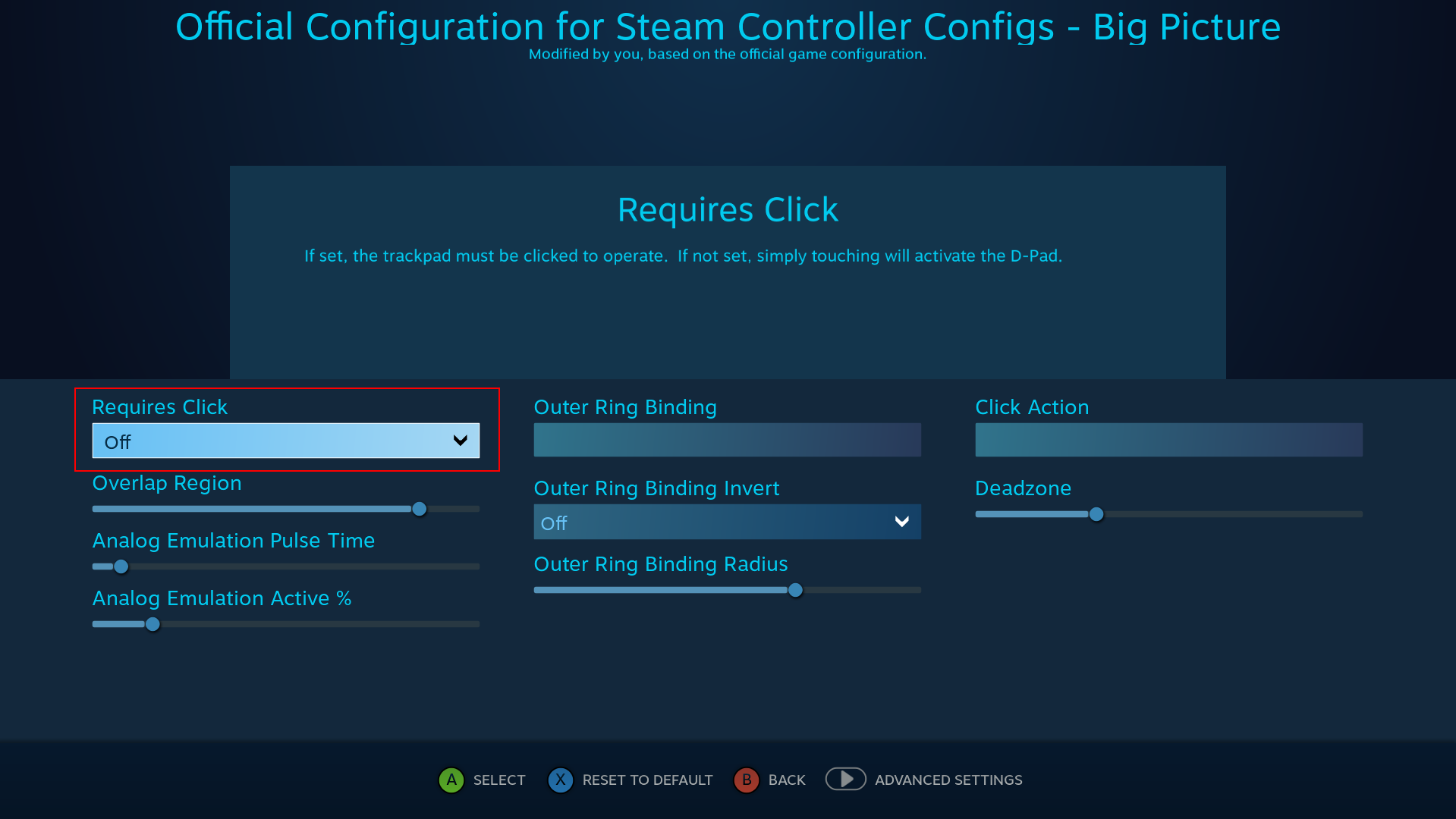
Sadly I didn't like the steam deck for Souls games. Maybe it's because the trackpad is too far down and just feels more awkward to use. Steam controller just fits so nice.

EDIT: forgot to mention that I use Guide+right trackpad to simulate right analog stick, since in Elden Ring you need it for zooming the map or adjusting the camera angle during dialogue or character creation.

  • source
  •  

    OpenTyrian is an open-source port of the DOS game Tyrian.

    Tyrian is an arcade-style vertical scrolling shooter. The story is set in 20,031 where you play as Trent Hawkins, a skilled fighter-pilot employed to fight MicroSol and save the galaxy.

    Tyrian features a story mode, one- and two-player arcade modes, and networked multiplayer.


    Dave Gnukem is an open source retro-style 2D scrolling platform shooter, inspired by and similar to Duke Nukem 1 (a famous original 1991 game that launched the Duke Nukem series). It currently runs on Windows, macOS, Linux and various other platforms. It is written in C++ and uses the SDL library. It features an integrated level editor. Note this is not really a 'clone' or a 're-make'; it is probably most akin to a parody.

    view more: next ›