[–] 8 points 2 months ago*

For the naysayers, intuition has actually been proven to exist, the more scientific term is implicit learning and tacit knowledge. In summary we actually are much more aware of our environment and lived experience when we realize. Through this unconscious awareness we can actually pick up on patterns and use this passive knowledge in our lives as intuition.

Sources:

https://cognitivepsychology.com/Implicit_Learning

https://en.wikipedia.org/wiki/Tacit_knowledge

Learning about the staring experiment is rather interesting too!

As a caveat, you need to allow good information in, get offline, talk to people in real life, move your body. If you're implicitly learning garbage, your intuition will be garbage.

  • source
  • [–] 3 points 2 months ago (2 children)

    Haha I feel the long winded observation, I get it. I'm open to being wrong about AI, but you missed the main point of my argument

    I don’t think the AI bubble will be around long enough for them to solve these shortcomings or the issues of expanding scope and scale leading to hallucinations.

    Right now AI simply can't (or at least last time I checked because you're correct the technology moves very fast) do the things I mentioned.

    These things, in my mind, are the gatekeepers for profitability if AI can figure these and any other issues and turn a profit before the bubble bursts, then yes we'd have an AI future. If we really get down to brass tacks (and now that I'm really thinking about it) that is the objective issue with AI, it isn't profitable yet, it doesn't matter if it can code a simulation of every life form on this planet if it isn't making money. If it can solve this problem however, then yes I'd agree, everyone saying "AI can't..." with eat their words seasoned with a little salt.

    To address your accusation of cherry picking articles and advice for keeping in touch, I was kind of forced to cherry pick while attempting to keep in touch? When I was researching modern developments in AI all I was fed was an excessive amount of marketing material (this is a red flag for obvious reasons), I had to intentionally break good faith and search for things like "The issues with claude code" to get something written by a person who did not have a conflict of interest when it came to reviewing AI

    I'd love to see examples of AI proving the naysayers wrong, but I was either seeing nothing but hype or enough evidence to remain skeptical of the technology.

    What I'm trying to say is that I've tried to follow AI, I've tried to be impartial, but combined with what I am seeing, what I experienced as a software developer, and the economic side of AI, I don't see any sort of AI revolution akin to the printing press or the internet. Just another race to wealth fueled by hype and some very impressive math.

    I do think that outside of coding AI has some really great promises, like being able to design an Excel spreadsheet in plain English is amazing for anyone afraid of Excel, so microsoft copilot has my respect within the M365 suite, granted I don't know what the Excel wizards have to say about the matter, but I think your average 9 to 5 desk worker whose experience with Excel revolved around accidentally opening it once would love copilot.

  • source
  • parent
  • context
  • [–] 1 point 2 months ago

    Could you give some examples of AI handling complexity? From what I've read from senior developers is that the more scope AI has to chew on the more mistakes it makes. In terms of complexity I'm not talking about algorithms, differential calculus, or mind breaking recursion. I'm talking about the usual hodgepodge of monolithic microservices too many "Were a tech company that does X" companies have built over the past decade that are layered on top of software built before I was born.

    Maybe I'm just creating too complex and specific use case, but my time as a software developer had me working through problems like that.

  • source
  • parent
  • context
  •  

    I'm a software developer who fell in love with teaching. Unfortunately many companies providing an education in writing code are scams, and I'm sad to say I'm working for one right now. I've been playing with the idea of having free "learn to code" streams, to give people the education without ripping them off.

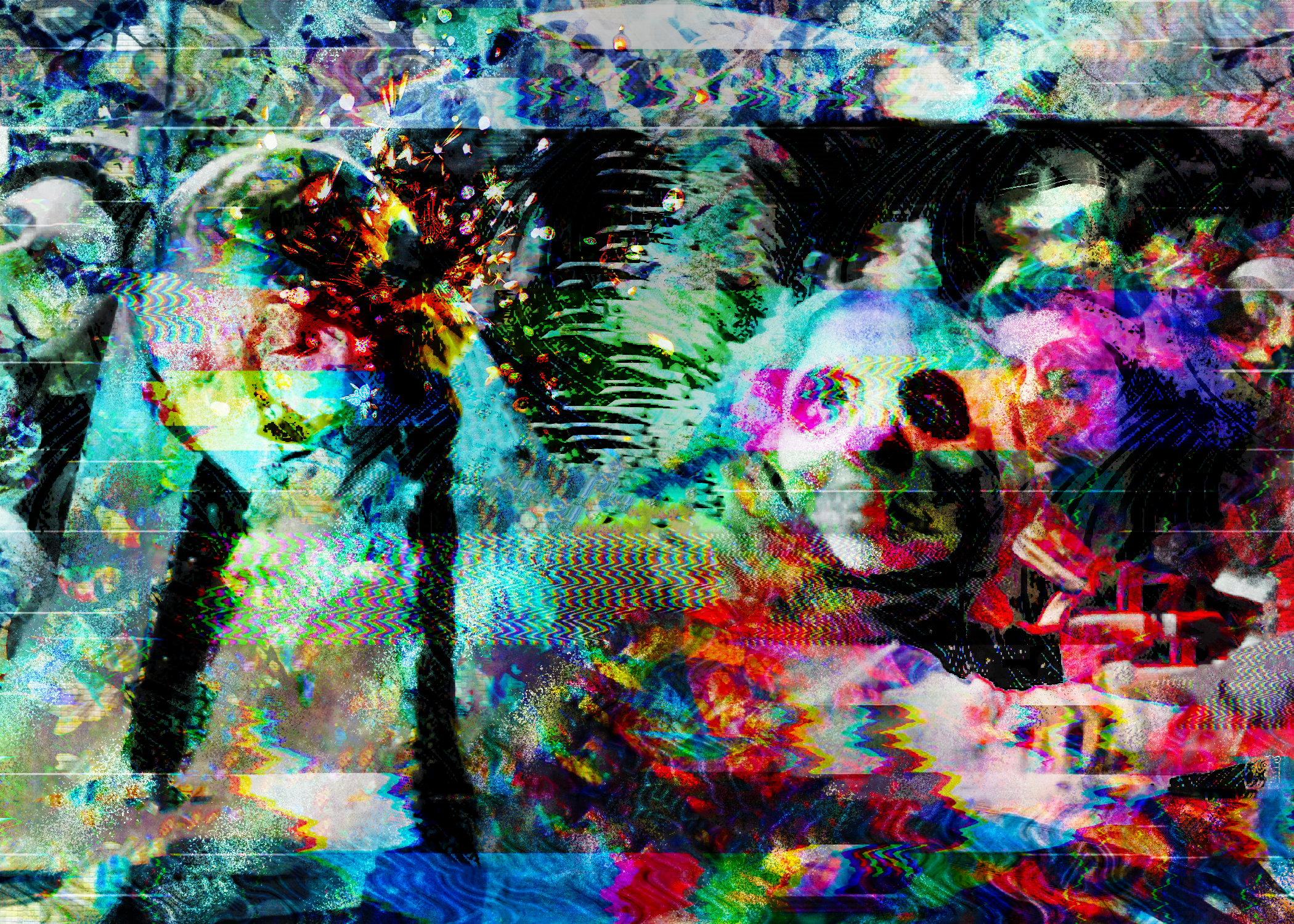
    I also am interested in getting into music production ( I have a year of piano lessons under my belt! humble beginnings lol), and I have an eccentric art style if there is a desire for visuals that don't feel derivative and samey like most modern art efforts. Attached is my most recent art piece.

    I'm not just interested in teaching, really I want to just find other people who also enjoy creating and sharing information. I don't care about being rich or going viral. I just want a social ecosystem where "Wouldn't it be cool if..." is likely to be followed up by "Yeah, we should try it", or "No I already attempted that, but here is what I learned."

    Anyways I'm here to help how I can!
    view more: next ›