I could forgive the excesses of the AI industry if they had made a durable artifact which would provide real value to everyone continuously forever, and thereafter simply stopped the excesses. If they could but say "this is it, this is our model, the one we're going with, we aren't going to train a new one, what this one does is what it does, take it or leave it", then I would evaluate what the model did and did not do, and weigh its value against what was put into it, and project it to the future. The problem is that the value it produces is very, very low. If it actually did the things they claim it did, it would be worth having a current frontier model hang around even with bad origins. But it doesn't do those things. It tries to, certainly, but it fails. It falls flat at coding large projects beyond its context window, it cannot be a reliable reference guide to any topic, it can't reliably describe images better than guessing, it can't make decent art or music or poetry or prose. The very limited real value it does produce for tiny codebases isn't worth the value of the resources put into it, when those tiny codebases can just as easily be written by hand and understood by a human.And then there's the human factor: even if it delivered on all its promises, it's moot because nobody wants what it produces, making the value of the output effectively zero even projected to an infinite future.
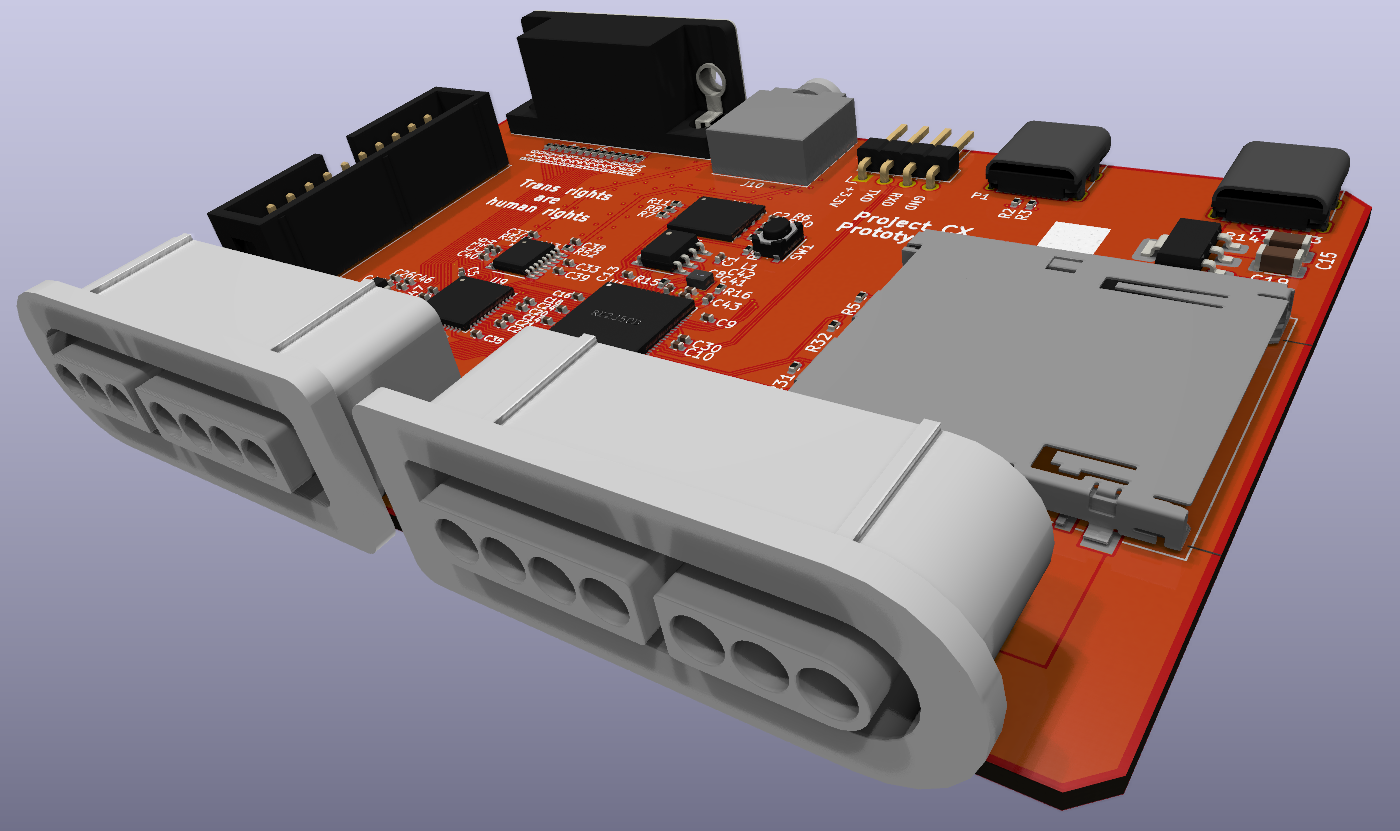
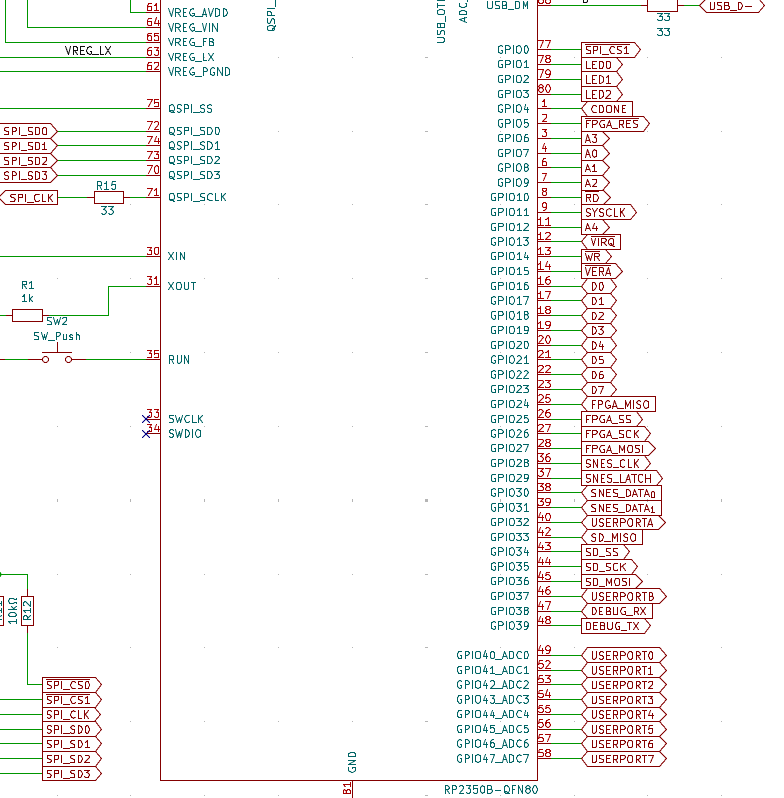
 

The real limitation with the RP2350B is not the CPU, neither the ARM nor RISCV cores. Those are fine, great.The problem is SRAM. There's only 520KB of it. You can attach PSRAM to the QSPI port, but it's way slower than the SRAM.This fundamentally limits what you can do more than the CPU performance by far. A typical x86 CPU of equivalent performance would have had ~32-64MB of fast RAM attached.


One good thing about the RP2350B as opposed to the 65C816 CPU arch is that the former, being ARM/RISCV based, is much more suitable as a target for C. Which is good, because my assembly language skills are all in 6502/65816, and it's not really portable to ARM.It helps that the clock speed of the RP2350B can go as high as 300MHz (?!) with overclock. That really makes C a viable main language for the platform.


I made a whole assed MS-DOS level operating system for a platform I invented, for which no software previously existed using agentic coding, and it works fine. But it's also just as insecure as MS-DOS ever was. Security is a non-issue on a toy platform with no networking or concept of user privilege.But the truth is, it doesn't matter that it works, it doesn't matter that the flaws in agentic coding are moot under the circumstances, it matters that because it's agentic code people don't want it on principle. My mistake was thinking that functionality would win over politics.


I tried 14 different models running locally on my 12 core Xeon workstation. It's no slouch, even as old as it is, it rips through compiles and such. But when it comes to local LLM performance, it's clown shoes. Model performance ranged from the merely blah to the outright absurd. None of it worth a runny wildebeest shit. All of it complete aardwolf cankers. So now I know. One day I'll run a good model on real hardware I own and do some good in the world with it. That day won't be soon. Until then, it's back to books and hand-coding.Who knows, by then maybe the price of GPUs will come back down to sanity.

view more: next ›