[–] [S] 3 points 4 months ago* (last edited 4 months ago)

Can you share a study that points to such fast recovery of normal insulin response among zc dieters?

No, but if you look at the glucose tolerance test literature, is called priming. And it's well known. Especially when ogtts were done in populations that weren't quite so processed food heavy in the 1900s.

If you look for one of the keto papers I posted in the ketogenic group, on ogtts, you'll see it - https://discuss.online/post/39394356 here you go, they talk all about priming

I'm so curious though how will you make that argument without knowing anything about me or the zero carber?

I'll use the same general assumptions you use to call the zero carbers sick, just reversed in my favor.

The point is, you can be perfectly healthy on pretty much any diet, including zero carb. Just being on the diet does not mean you're unhealthy.

  • source
  • parent
  • context
  • [–] [S] 2 points 4 months ago* (last edited 4 months ago) (2 children)

    tolerate carb heavy meals, ocassional sugary treats etc for years (or entire lives) without adverse effects

    If someone get's sick when they walk into Chernobyl, and their sickness resolves when they leave Chernobyl, then that person should avoid going to Chernobyl. Saying they are sick because they can't survive in Chernobyl is presupposing the solution to the problem.

    Someone who is zero carb for a long time, doesn't have excess adiposity, i.e. great metabolic health - they can go back to binging on pizza for a long time.... if they want to. No reason they can't, they are not disabled.

    However, someone who is UNWELL, and does zero carb to help their issues - is going to take a long time to fix all of their metabolic problems. If it takes 20 years to get to the edge of diabetes, stepping back from the edge is a good idea, but your not safe. The behavior that pushed them right to the edge is the same behavior that will push them over if they return to it.

    It's reasonable to say this morbidly obese T2D resolves (cures) their diabetes going low carb... but that only puts them back on the edge of the cliff, now they have to climb all the way down to build up the "tolerance" so they can indulge again like they did for 20 years.

    My main complaint with the word "treat" is it doesn't communicate resolution. People can treat their diabetes with crystal therapy, doesn't mean it does anything. Keto cures diabetes (for many people), if you want to call that remission fine, but treat is too weak of a expression.

    I don’t think the damage caused by alcohol is reversed in a person with ALD if they stop drinking. Sure the symptoms are reduced

    keto reverses (not treats, reverses) FLD

    ut don’t you feel there’s still some abnormality? If a zc dieter tries to eat a pound or 2 of cake they probably won’t process it as well as a healthy person.

    First off, that is unfair - I would argue a zero carber (especially the lean ones) are far healthier then you! Zero carb people are not unhealthy.

    Second - if you prime your pancreas, it will have a cache of insulin it can use. - so yes, the first bit of cake will have a higher elevated glucose levels, but the next piece of cake - totally normal. You can argue you NEVER want to spike your glucose, but if you look at area under the curve, the zero carb person will have less elevated area then the high carb eater.

    Update - a better analogy occurs to me, a seasoned alcoholic can drink you under the table. They have a very high alcohol tolerance. However, that does not make them healthier.

    Some diseases result in exercise or some food intolerance. You can say as long as I don’t exercise or avoid these foods I have no symptoms. But that’s not the disease itself being cured or reversed.

    You can consider T2D a condition of carbohydrate intolerance, but per the definition of controlled blood glucose the condition of T2D can be cured without medicine.

    Using your logic someone with "PREDIABETES" has T2D, right? They haven't demonstrated the problem, but they show a intolerance, but you wouldn't describe these pre-diabetics as having type 2 diabetes, would you?

  • source
  • parent
  • context
  • [–] [S] 3 points 4 months ago (9 children)

    What is a carb tolerance? Please define it

    A alcoholic with fatty liver who treats their fatty liver by not drinking alcohol is not cured because if they start drinking again they will get sick again?

    Type 2 diabetes is a condition defined by uncontrolled blood glucose levels, if you can treat it to the point where you don't need medicine and your glucose is under control... It's cured by definition of the condition.

  • source
  • parent
  • context
  • [–] 2 points 4 months ago

    I will argue, even if the true intervention has a varying effect, it’s sorta-mostly OK to just take a hazard ratio from a paper and convert it to a change in life expectancy using this curve

    This assume the interventions are independent.

    This math salad is exactly why weak hazard ratios should not be used for personal health advice, but to form a falsifiable hypothesis and do a actual interventional test.

    You cannot inform on cause and effect from weak observational "signals" and no amount of mathematical gymnastics changes that. You actually have to perform experiments

  • source
  • [–] 2 points 4 months ago

    If you are in a one-on-one back and forth conversation, and your partner is downvoting everything you post, they are not having a good faith discussion with you.

    It is a fuck you. Why spend time and effort on someone just throwing negativity at you?

  • source
  • [–] 2 points 4 months ago

    They have never been good.

    At best they are "less bad" then sugar. That's harm reduction not a endorsement.

    I.e. just because nicotine patches are less bad then smoking we don't consider them a good long term thing non smokers should use.

  • source
  • parent
  • context
  •  
    1. Enable Legacy Extension Support
        Open Chrome and go to:
        chrome://flags
        In the search bar at the top of that page, type: Allow legacy extension manifest versions
        When it appears, set it to Enabled.
        Click the Relaunch button in the bottom right to restart Chrome.
    
    2. Download uBlock Origin (Safe & Official Source)
        Go to the GitHub release page: 👉 https://github.com/gorhill/uBlock/releases
        Find the latest version at the top.
        Under Assets, download:
        uBlock0.chromium.zip
    
    3. Extract the ZIP File
    
        On Windows: Right-click the file and choose "Extract All"
        On macOS: Double-click the zip to extract it
    
    This will create a folder with all the uBlock extension files inside.
    
    4. Load the Extension Manually in Chrome
        Open Chrome and go to:
        chrome://extensions
        Toggle Developer Mode ON (top-right corner).
        Click the "Load unpacked" button (top-left).
        In the file picker window, select the folder you just extracted from the zip file (not the zip itself).
    

    I had to delete the old ublock origin extension, and load the downloaded version, the flag didn't work in place.

    Stolen from reddit: https://redlib.catsarch.com/r/Adblock/comments/1luqxs1/whats_currently_the_best_way_to_force_reenable/n2wq967

    But it does work for me.


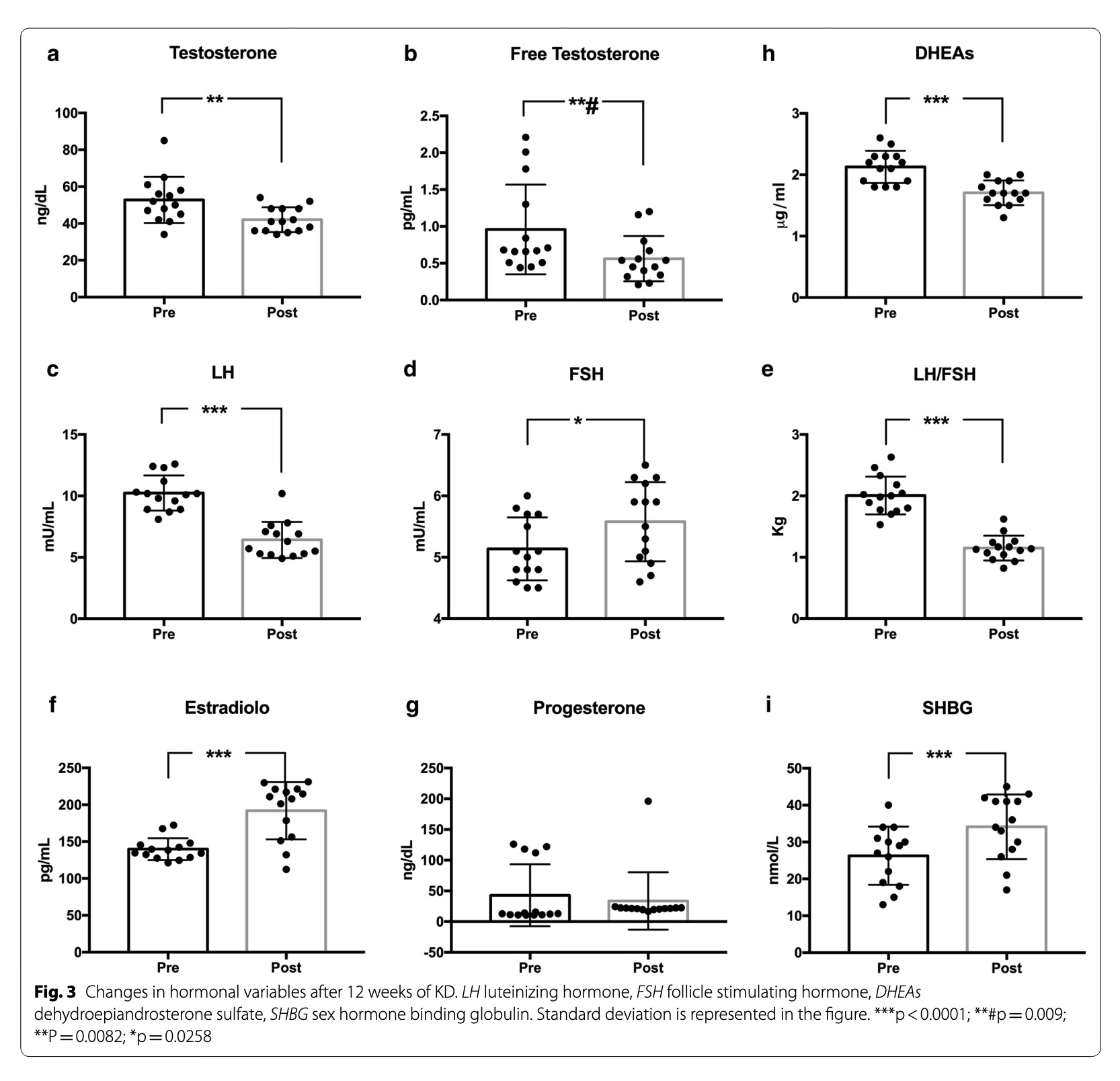
    After 12 weeks, anthropometric and body composition measurements revealed a significant reduction of body weight (− 9.43 kg), BMI (− 3.35), FBM (8.29 kg) and VAT. There was a significant, slightly decrease of LBM. A significant decrease in glucose and insulin blood levels were observed, together with a significant improvement of HOMA-IR. A significant decrease of triglycerides, total cholesterol and LDL were observed along with a rise in HDL levels. The LH/FSH ratio, LH total and free testosterone, and DHEAS blood levels were also significantly reduced. Estradiol, progesterone and SHBG increased. The Ferriman Gallwey Score was slightly, although not significantly, reduced.

    Our results suggest that a KD may be considered as a valuable non pharmacological treatment for PCOS. Longer treatment periods should be tested to verify the effect of a KD on the dermatological aspects of PCOS.

    Full Paper: https://doi.org/10.1186/s12967-020-02277-0
     

    Is everything you’ve heard about carbs, seed oils, and diabetes wrong? Dr. Westman and Bart Kay dig into the real science.

    summerizer

    Summary

    In this extensive and candid conversation between Dr. Eric Westman and Bart K, a former health science professor turned influential keto and carnivore diet advocate, the discussion primarily focuses on the flaws in nutritional epidemiology, the misinformation surrounding low-carb and ketogenic diets, and the challenges of implementing evidence-based nutritional advice in modern medicine. Bart K shares his journey from academia, where his radical views on carbohydrate requirements and fiber were met with resistance, to becoming an online influencer educating the public about metabolic health and nutritional myths. He underscores the fundamental flaws in nutritional epidemiology studies, particularly their reliance on self-reported dietary data and inappropriate statistical adjustments, which often lead to misleading conclusions about diet and health.

    The dialogue also tackles the prevailing misconceptions about low-carb diets, such as the unfounded fear that high fat intake causes heart disease or cancer. Both speakers emphasize that type 2 diabetes is fundamentally about chronically elevated blood glucose, not simply insulin resistance or deficiency, and criticize the medical system’s reliance on pharmaceutical interventions over dietary solutions. The conversation highlights the challenges physicians face in promoting nutrition due to systemic constraints, commercial interests, and professional risks.

    Bart K expresses optimism about grassroots changes driven by informed individuals and emerging research, including the growing acceptance of ketogenic therapies in cardiology and the rise of carnivore diet proponents. However, he acknowledges the difficulty of conducting long-term, rigorous clinical trials on diets due to ethical and practical constraints. The discussion concludes with a call for critical thinking, individual experimentation, and skepticism of authority in nutrition science, encouraging people to explore low-carb or carnivore diets gradually while monitoring their own health outcomes.

    Highlights

    • 🥩 Bart K advocates for a 100% carnivore diet as the species-appropriate human diet.
    • 📉 Nutritional epidemiology is deeply flawed due to reliance on self-reported data and improper statistical adjustments.
    • 🔬 Association does not imply causation; many diet-health claims are based on misleading correlations.
    • 💊 The medical system favors drug interventions over dietary changes due to financial incentives.
    • 🍽️ Type 2 diabetes is fundamentally about elevated blood glucose, not just insulin resistance.
    • 📊 True scientific causality in nutrition is hard to establish due to ethical and practical research constraints.
    • 🌱 Emerging research and grassroots movements are fostering new perspectives on keto, carnivore, and metabolic health.

    Key Insights

    • 🔍 Flaws in Nutritional Epidemiology: In-depth Analysis
      Bart K explains that nutritional epidemiology studies are inherently unreliable because they rely on infrequent, self-reported dietary surveys that are inaccurate by nature. These studies often use complex statistical techniques like multivariate regression that violate key assumptions such as independence of variables, leading to invalid conclusions. For example, adjusting for age while studying long-term diet-related disease incidence creates collinearity, making the data mathematically invalid. This calls into question much of the dietary advice based on such studies, including the demonization of saturated fat and meat consumption.

    • 🧪 Association Does Not Equal Causation: Critical Thinking Needed
      Both experts stress that a high correlation between a dietary factor and disease does not prove that one causes the other. They illustrate this with humorous examples (ice cream sales and sunburn incidence) to highlight how such data can be misleading. This misunderstanding fuels pseudoscientific claims in nutrition and public health. The takeaway is that consumers and practitioners must critically evaluate scientific claims and not accept correlations as proof.

    • 🍏 Misconceptions About Low-Carb and Keto Diets
      The conversation debunks common fears that low-carb or ketogenic diets cause heart disease or cancer. Bart K and Dr. Westman emphasize that these diets often reduce hunger and promote steady weight loss, making them sustainable and effective. They also argue that insulin resistance is not the root cause of type 2 diabetes but rather a protective response to chronic hyperglycemia caused by excessive carbohydrate intake. Thus, reducing carbs is a logical and effective intervention.

    • 💊 Pharmaceutical Industry vs. Nutrition: Systemic Challenges
      There is a critical view of the medical establishment’s preference for drug treatments over dietary interventions, largely driven by financial incentives. Drugs like insulin or SGLT2 inhibitors are prescribed widely for diabetes and heart failure, despite the potential for dietary approaches to achieve similar or better results without adverse side effects. This systemic bias inhibits the adoption of nutritional therapies even when evidence supports their efficacy.

    • 📈 The Role of Ketones and Emerging Research in Cardiovascular Health
      Interestingly, new research in cardiology is exploring ketones as a therapeutic agent for heart failure, often via drugs that induce ketosis (e.g., SGLT2 inhibitors). This paradoxically introduces ketones into mainstream medicine, though through pharmaceutical routes rather than diet. This development might pave the way for broader acceptance of ketogenic diets in clinical practice, but the financial motivations behind drug promotion remain a barrier.

    • 🥩 Carnivore Diet as the Ultimate Species-Specific Diet
      Bart K strongly advocates the carnivore diet, claiming it to be the natural, optimal diet for humans based on anthropological evidence such as nitrogen isotope analysis of ancient human remains showing high animal product consumption pre-agriculture. Despite skepticism and lack of long-term randomized controlled trials (RCTs), he asserts that the carnivore diet has solid scientific and clinical foundations and is gaining traction, evidenced by new educational courses and patient interest.

    • 🧬 Challenges in Conducting Long-Term Nutrition Trials
      Both speakers agree that high-quality, long-term RCTs to definitively prove causality in nutrition are nearly impossible due to ethical, practical, and financial constraints. Human subjects cannot be locked in controlled environments for decades, and dietary adherence is difficult to monitor objectively over long periods. Consequently, much of nutrition science remains observational or mechanistic, and individuals must rely on personal experimentation and biomarker monitoring.

    • 🧠 The Need for Critical Thinking and Personal Experimentation
      Ultimately, the dialogue encourages moving beyond blind trust in authorities, government guidelines, or even academic consensus. Instead, individuals should engage in personal experimentation, using modern tools like continuous glucose monitors, artery ultrasounds, and lipid profiles to assess their health responses to different diets. This pragmatic approach empowers people to find what works best for their unique biology and circumstances.

    • 🛑 Critique of Medical Education and Practice on Nutrition
      Bart K criticizes medical training for lacking robust nutrition education, leaving physicians ill-equipped to counsel patients on diet. Physicians are often “trained monkey grinders,” bound by professional norms and punitive licensing boards to avoid deviating from established dogma. This institutional inertia suppresses innovation and honest dialogue about effective dietary therapies, forcing patients to seek alternative sources of information.

    • 🌿 Grassroots Movements and New Generations of Doctors
      Despite systemic obstacles, there is optimism about change driven by younger physicians and researchers independently exploring ketogenic and carnivore diets. The growing grassroots interest, online education, and patient-driven demand are gradually challenging the status quo. This bottom-up momentum may eventually influence mainstream medicine and public health policy.

    Conclusion

    This conversation offers a profound critique of the current state of nutritional science and medicine, revealing the deep flaws in epidemiological research, the misinformation surrounding diet and chronic disease, and the systemic barriers to adopting effective dietary therapies like low-carb and carnivore diets. Bart K and Dr. Westman advocate for a return to rigorous scientific principles, critical thinking, and personal experimentation, while highlighting the growing momentum of grassroots movements and emerging research validating metabolic health interventions. Their message is clear: individuals should be empowered to explore dietary approaches grounded in evolutionary biology and clinical outcomes rather than flawed statistics and commercial interests.


    Despite intensive research, the causes of the obesity epidemic remain incompletely understood and conventional calorie-restricted diets continue to lack long-term efficacy. According to the carbohydrate-insulin model (CIM) of obesity, recent increases in the consumption of processed, high–glycemic-load carbohydrates produce hormonal changes that promote calorie deposition in adipose tissue, exacerbate hunger, and lower energy expenditure. Basic and genetic research provides mechanistic evidence in support of the CIM. In animals, dietary composition has been clearly demonstrated to affect metabolism and body composition, independently of calorie intake, consistent with CIM predictions. Meta-analyses of behavioral trials report greater weight loss with reduced-glycemic load vs low-fat diets, though these studies characteristically suffer from poor long-term compliance. Feeding studies have lacked the rigor and duration to test the CIM, but the longest such studies tend to show metabolic advantages for low-glycemic load vs low-fat diets. Beyond the type and amount of carbohydrate consumed, the CIM provides a conceptual framework for understanding how many dietary and nondietary exposures might alter hormones, metabolism, and adipocyte biology in ways that could predispose to obesity. Pending definitive studies, the principles of a low-glycemic load diet offer a practical alternative to the conventional focus on dietary fat and calorie restriction.

    https://doi.org/10.1001/jamainternmed.2018.2933

    Full Paper here

    [Sorry to keep reposting this, I've had to move communities 3 times in the last month, it makes linking references a chore]


    This is a great writeup of the open knowledge exploration type of games - Witness, Outer Wilds, Blue Prince..

    I've wishlisted every game mentioned!

    the metroid link is a curious one, but I like the concept but not the name. Knowledge acquisition and exploration seems a better fit. One issue with these games is their game loop is the "one and done" type, so they don't get as much attention as other games.


    “Do I not destroy my enemies when I make them my friends?” ~Abraham Lincoln

    I don’t think there’s a single adult person alive who has never confronted a hateful person, or who at some point in his or her life hasn’t been hateful toward others.

    Hatred, as we all recognize, can be harmful both to ourselves and others. But most of us don’t know how to deal with hatred, especially when it is directed toward us.

    Here you will find a helpful, practical guide on how to deal with those who hate you, not by being hateful back to them, but by developing a loving attitude towards them, because, as Martin Luther King, Jr recognized:

    “Darkness cannot drive out darkness; only light can do that. Hate cannot drive out hate; only love can do that.”


    Taiwan is wonderful, and I’ve been there many times. Friendly people, great food, beautiful nature (and people). But it’s also the center of a massive geopolitical conflict. Taiwan is also known as the Republic of China, and it’s where the Nationalists under Chiang Kai-Shek, the losers of the Chinese Civil War, escaped to after Mao Zedong’s Communists conquered China.

    China still firmly maintains that Taiwan is part of its territory. But in practice….Taiwan has it’s own government and does its own thing. The last time that China tried to retake the islands was in the 1950s, when they shelled a tiny little unknown island called Kinmen. The Nationalists survived and repelled the attack.

    Kinmen sits just 4 miles (6 km) at its closest point from the Chinese mainland. Although it’s controlled by the Taiwanese government, it has a special relationship with the mainland. And it also carries the scars of the battles of the past. This was a place I had wanted to visit for a very long time. And now I finally had my chance--no time to waste.

    summerizer

    Summary

    This video provides a detailed exploration of Kinmen (also spelled Gmen or Jinmen) Island, a small territory controlled by Taiwan but located just a few miles off the coast of mainland China. Kinmen serves as a living reminder of the unresolved Chinese Civil War and remains a geopolitical flashpoint with the potential to ignite broader conflict, including a possible World War III scenario. The video documents the journey from Shaman, a city in Fujian Province on the Chinese mainland, to Kinmen via ferry, highlighting the stark contrasts in culture, architecture, governance, and daily life between the mainland and the island.

    The narrator provides historical context, explaining how Kinmen was a frontline battleground during the civil war and was heavily shelled by mainland forces in the 1950s. Despite the proximity to China—just four miles away—Kinmen remains under Taiwanese control and is heavily militarized, with visible reminders of its war history, including pillboxes, forts, and military conscripts. The island features distinct Taiwanese cultural and political symbols, such as the flag of the Republic of China, traditional temples, and a broadcast wall that plays pro-democracy messages targeted at mainland China.

    The video also touches on the complexities of Taiwan-China relations, emphasizing the ongoing tension, restrictions on travel and trade, and the fragile peace that exists today. The narrator reflects on the broader geopolitical implications, noting how capturing Kinmen would be relatively easy for mainland China but conquering Taiwan itself would be an incredibly difficult military operation. Throughout the visit, the narrator observes everyday life on Kinmen, from local festivals and markets to the friendliness of the people, capturing the island’s unique blend of historical tension and vibrant culture.

    The video concludes with reflections on the fragile peace and hopes that the conflict remains frozen, avoiding a devastating war, while emphasizing the importance of understanding the broader geopolitical dynamics and the human stories behind them.

    Highlights

    • 🌏 Kinmen Island lies just 4 miles from mainland China but remains controlled by Taiwan, making it a geopolitical flashpoint.
    • ⚔️ Kinmen was a major battleground during the Chinese Civil War, particularly during the 1949 Battle of Kinmen where China lost 9,000 soldiers.
    • 🏯 The island preserves traditional Taiwanese culture and temples destroyed on the mainland during the Cultural Revolution.
    • 📡 Kinmen features a broadcast wall that blasts pro-democracy messages toward mainland China as a symbol of resistance.
    • 🛵 Life on Kinmen combines military readiness with everyday normalcy, including scooters, local markets, and cultural festivals.
    • 🔄 Despite decades of conflict, there are increasing restrictions and tensions between mainland China and Taiwan affecting travel and trade.
    • 🇹🇼 Taiwan officially calls itself the Republic of China and maintains a distinct political and cultural identity separate from the mainland.

    Key Insights

    • 🕊️ Frozen Conflict with Real Risks: Kinmen symbolizes a frozen conflict reminiscent of the Korean DMZ. The island’s proximity to mainland China makes it a continuous potential flashpoint for renewed hostilities, underscoring the precarious nature of peace in the Taiwan Strait. Its militarization and visible reminders of past battles serve as constant signals of the unresolved tensions.

    • 🏰 Strategic Military Significance: Kinmen’s history as a frontline defense during the Chinese Civil War highlights its strategic importance. Mao Zedong’s failure to capture the island was a significant setback, emphasizing the difficulty of any mainland military campaign against Taiwan. This historical context illustrates why Taiwan remains unconquered despite China’s proximity and military might.

    • 🎭 Cultural Divergence: The island vividly illustrates the cultural and political divergence between Taiwan and mainland China. While mainland China underwent the Cultural Revolution that destroyed traditional temples and repressed cultural expressions, Kinmen preserves these traditions, reinforcing its identity as part of Taiwan and its democratic values. This cultural preservation is a form of soft resistance and identity assertion.

    • 📻 Information Warfare through Sound: The broadcast wall on Kinmen exemplifies the use of psychological and informational warfare. Broadcasting pro-democracy messages and familiar voices into mainland China represents a symbolic and strategic effort to influence mainland citizens, reflecting the ongoing battle for hearts and minds beyond conventional military means.

    • 🚧 Complex Travel and Political Status: The complicated border and travel procedures between Kinmen, Taiwan, and mainland China highlight the political ambiguity and sensitivities surrounding Taiwan’s status. Taiwanese nationals require special permits to enter the mainland, and vessels must be mainland- or Taiwan-operated depending on the direction of travel, underscoring the unresolved sovereignty issues.

    • 📉 Impact of Geopolitical Tensions on Daily Life: The recent tightening of travel and trade restrictions between Taiwan and China shows how geopolitical tensions directly affect everyday people, separating families and limiting cultural exchange. This dynamic illustrates how macro-political struggles trickle down to human experiences on both sides of the strait.

    • 🌐 Media Narratives and Global Understanding: The video’s commentary on Western media’s portrayal of China and Taiwan underscores the importance of accessing multiple perspectives to gain a nuanced understanding of complex geopolitical issues. Platforms like Ground News, which aggregate diverse viewpoints, are critical tools for informed global citizenship, especially in contentious regions like the Taiwan Strait.

    • 🧱 Urban and Social Contrasts: Kinmen’s rural, small-town atmosphere contrasts sharply with the rapidly urbanizing mainland city of Shaman visible just across the water. This contrast highlights the economic and social differences shaped by decades of divergent governance, policies, and international relations.

    • 🏍️ Everyday Resilience Amidst Tension: Despite the ongoing threat of conflict, Kinmen’s residents lead relatively normal lives filled with local traditions, festivals, and social activities. This resilience and adaptation show how communities can maintain cultural vitality and social cohesion even under the shadow of geopolitical conflict.

    • 🕰️ Historical Memory as a Living Presence: The careful preservation of military installations, museums, and war memorials on Kinmen serves both as a reminder of past sacrifices and a warning to future generations. These historical memories are actively integrated into the island’s identity and tourism, blending education with commemoration.

    • 🔮 Taiwan’s Strategic Future: The video suggests that while Kinmen might fall quickly in a hypothetical Chinese invasion, Taiwan’s main island represents a far more complex military challenge. Taiwan’s geography, military preparedness, and international support make it a formidable obstacle, explaining why the island remains outside direct Chinese control despite decades of claims.

    • 🤝 Hope for Peace and Stability: Throughout the video, there is a hopeful tone that the conflict remains frozen, with no immediate threat of war. This reflects a common sentiment among residents who, while aware of the geopolitical stakes, seek normalcy and peace in their daily lives. The hope is that diplomacy and mutual restraint will prevail over conflict.

    • 🐾 Trust and Social Norms: The narrator’s observations about leaving helmets and belongings unattended reflect a high-trust society on Kinmen and Taiwan more broadly. This social trust contrasts with stereotypes of chaotic or unsafe urban areas and highlights cultural values that contribute to social stability and cohesion.

    • 🏴 Taiwan’s Unique Political Identity: The use of the Republic of China flag and the island’s self-governance illustrate Taiwan’s unique political status. It is a democratic entity claiming legitimacy as China’s government in exile, complicating international relations and fueling tensions with the People’s Republic of China. This duality underpins much of the geopolitical friction in the region.

    • 🌉 Infrastructure as a Symbol of Connectivity and Sovereignty: The bridge connecting the two parts of Kinmen Island and the ferry routes between the mainland, Kinmen, and Taiwan symbolize not only physical connectivity but also the complex layers of sovereignty, control, and identity that define the region. Infrastructure here is more than utility—it is geopolitical symbolism.

    • 📜 Legacy of Cold War Politics: Taiwan’s historical seat at the United Nations and its shifting international recognition reflect the Cold War era’s strategic alignments. The U.S. support for Taiwan as a counterbalance to Soviet-aligned China continues to influence the geopolitical landscape and informs current U.S. policy in the region.

    In sum, this video offers a rich, on-the-ground perspective of Kinmen Island as a microcosm of the broader Taiwan-China conflict, blending historical, cultural, military, and geopolitical insights that illuminate one of the 21st century’s most sensitive and potentially explosive flashpoints.


    Ozempic (which is the medication Semaglutide; and has different formulations known as Wegovy and Rybelsus) is a medication used to treat Type 2 Diabetes and has been used more recently for weight loss purposes. These medications are glucagon-like peptide 1 (GLP-1) receptor agonists, meaning that they “mimic” natural GLP-1 to activate these GLP-1 receptors in the brain and the gastrointestinal system to promote satiety and reduced gastric emptying. However, these effects can also change how birth control pills work, reducing their efficacy. In this lesson, we discuss the possible risks of taking Ozempic while on birth control pill, and the fertility-increasing effects of Ozempic in general.

    summerizer

    Summary

    This lesson provides a comprehensive overview of Ozempic (semaglutide), focusing on its role in fertility, interactions with birth control pills, and its potential effects on fetal health. Ozempic, originally an oral medication for type 2 diabetes, has been reformulated as an injectable GLP-1 receptor agonist for weight loss. It works by mimicking the natural hormone GLP-1, which affects insulin secretion, satiety, and gastric emptying.

    A key concern addressed is whether Ozempic alters the efficacy of birth control pills. Since Ozempic slows gastric emptying, it may delay the absorption of oral contraceptives, particularly the progesterone-only "mini pill," which is highly time-sensitive. This delay could cause fluctuations in hormone levels, potentially allowing ovulation to occur despite pill usage. Combined oral contraceptives are less time-sensitive but could still be affected if pill-taking times are inconsistent.

    The video also explores how obesity negatively impacts fertility, mainly through hormonal imbalances associated with increased adipose tissue and blood glucose. Ozempic’s ability to promote weight loss and improve glucose tolerance may therefore enhance fertility by reducing obesity-related infertility factors.

    Finally, the lesson touches on limited research regarding Ozempic’s effects on fetal development. Animal studies suggest that offspring exposed to semaglutide in utero may have reduced birth weights, but human data are sparse and long-term effects remain unknown. Due to these uncertainties and the potential reduced efficacy of oral contraceptives, the use of additional contraceptive methods like condoms is strongly recommended for patients on Ozempic.

    Highlights

    • 💊 Ozempic is a GLP-1 receptor agonist originally used for diabetes, now reformulated for weight loss.
    • ⏳ Ozempic slows gastric emptying, which may delay birth control pill absorption and reduce efficacy.
    • ⏰ Progesterone-only pills (mini pills) are most at risk due to strict timing requirements.
    • ⚖️ Obesity negatively affects fertility; Ozempic’s weight loss and glucose-lowering effects can improve fertility.
    • 🧬 Animal studies show potential fetal effects of Ozempic, including reduced birth weight.
    • 🚫 Use additional contraceptives like condoms when on Ozempic due to possible birth control failure.
    • 📚 Limited human data exist on Ozempic’s long-term effects on fetal development.

    Key Insights

    • 🧪 Mechanism of Action and Systemic Effects: Ozempic’s role as a GLP-1 receptor agonist highlights its multi-organ effects. By stimulating insulin secretion in the pancreas, inducing satiety in the brain, and slowing gastric emptying in the stomach, it addresses both metabolic dysfunction and appetite control. This multifaceted mechanism explains its effectiveness in weight loss and glucose regulation, which indirectly benefits reproductive health.

    • ⏳ Gastric Emptying and Pharmacokinetics of Oral Contraceptives: The slowed gastric emptying caused by Ozempic can alter the pharmacokinetics of oral contraceptives, delaying their absorption and hormonal peak levels. The mini pill’s strict 3-hour timing window is particularly vulnerable, as any delay might cause hormone levels to fall below the threshold needed to suppress ovulation, risking contraceptive failure. Even combined pills, though more forgiving, could be affected if pill timing is inconsistent.

    • 🔄 Hormonal Thresholds and Ovulation Suppression: Oral contraceptives work by maintaining hormone levels above a threshold that prevents the luteinizing hormone (LH) surge, which triggers ovulation. Delayed absorption due to Ozempic can cause transient dips below this threshold, potentially allowing ovulation. This underscores the importance of consistent timing and awareness of drug interactions in contraceptive management.

    • ⚖️ Obesity’s Impact on Fertility and the Role of Weight Loss: Obesity, particularly abdominal obesity, is strongly linked to reduced fertility due to hormonal dysregulation involving leptin and gonadotropin-releasing hormone. Ozempic’s ability to reduce body weight and improve glucose tolerance can mitigate these effects. This makes Ozempic a potentially valuable tool in improving fertility outcomes in obese patients or those with PCOS.

    • 🔬 Limited but Concerning Data on Fetal Exposure: Animal studies indicate that semaglutide exposure in utero might reduce birth weight, suggesting potential developmental effects. The ability of Ozempic to cross the placenta remains uncertain, but these findings raise caution. The lack of long-term human data means that prescribing Ozempic during pregnancy or in those planning pregnancy requires careful consideration.

    • 🚫 Clinical Implications for Contraceptive Use: Given the potential for reduced contraceptive efficacy, clinicians should advise patients on Ozempic to use additional contraceptive methods, such as condoms, to prevent unintended pregnancies. This is especially critical considering the unknown effects of Ozempic on fetuses and the risk of breakthrough ovulation.

    • 📈 Broader Implications for Patient Counseling and Management: This lesson highlights the importance of interdisciplinary knowledge—understanding pharmacology, endocrinology, and reproductive health—to manage patients effectively. Physicians must educate patients on the potential interactions of Ozempic with birth control and fertility, ensuring informed decision-making regarding contraception and pregnancy planning.

    Extended Analysis

    Ozempic’s dual roles in metabolic regulation and weight loss place it at a unique intersection of endocrinology and reproductive medicine. Its effect on gastric emptying is beneficial for weight loss because it prolongs satiety, but this same mechanism complicates oral contraceptive pharmacodynamics. The stomach’s delayed emptying slows the transit of contraceptive pills to the small intestine, where absorption occurs, leading to delayed or reduced hormone bioavailability.

    The progesterone-only mini pill is particularly vulnerable due to its narrow window of effectiveness (3 hours). Any delay in hormone absorption can cause serum progesterone levels to fall below the threshold needed to suppress ovulation, increasing the risk of unintended pregnancy. While combined oral contraceptives have a wider window (up to 12 hours), inconsistent pill-taking combined with Ozempic’s effects could still compromise contraceptive reliability.

    Fertility improvements from Ozempic are largely indirect but clinically important. Obesity disrupts normal hormonal signaling via leptin and hypothalamic pathways, impairing ovulation frequency. By reducing body mass index and improving insulin sensitivity, Ozempic helps reverse these metabolic disruptions, potentially restoring more regular ovulatory cycles, especially in women with PCOS, a common cause of infertility.

    The fetal safety profile of Ozempic remains uncertain. Animal studies suggest potential risks, such as reduced birth weight, but human data are lacking. This uncertainty, combined with the risk of contraceptive failure, necessitates caution. Until more definitive data are available, clinicians should strongly recommend additional contraceptive precautions and avoid Ozempic use during pregnancy.

    In conclusion, understanding the pharmacological nuances of Ozempic is crucial for optimizing patient outcomes. Patients should be counseled comprehensively about the impacts of Ozempic on contraception and fertility, and healthcare providers should tailor contraceptive advice accordingly to ensure safety and efficacy.

    view more: ‹ prev next ›