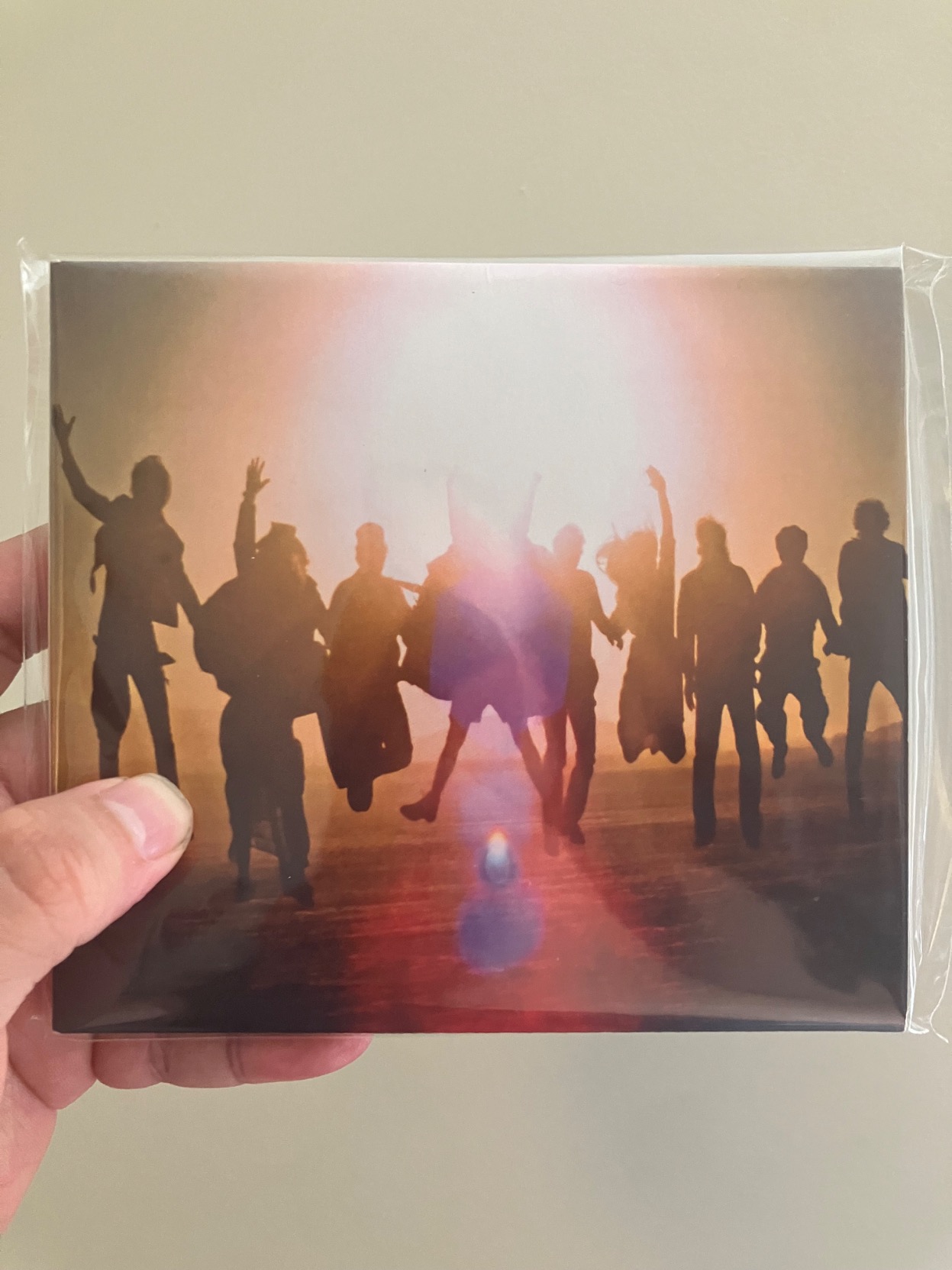
Up From Below (2009) by Edward Sharpe & The Magnetic Zeros on Compact Disc.

This band gets a lot of flack for its role in the Stomp Clap Hey genre, especially for the single “Home”—which did gangbusters.

But this is a good album. Hearing that song in context with the rest of the record—instead of bleeding out on FM radio—shows what the band is really good at: folk rock with psychedelic instrumentation and singalong choruses.

I also think this CD sounds excellent.

@recordpics@piefed.social

A person holds a CD case still wrapped in plastic. The cover art shows a group of people silhouetted against a bright sunset or sunrise, jumping and raising their arms in celebration. The strong backlight creates a warm orange glow with lens flares at the bottom of the image.
 

Lemmy users are in an uproar because MAGA fascists spun up their own server.

First time seeing this? Mastodon and Pleroma already have dozens of these.

We know the playbook: blocks, defederation, and they end up marooned on their own little island.

And if your server doesn’t cut them off? That’s your cue to pack up and migrate.

@fediversenews@piefed.social


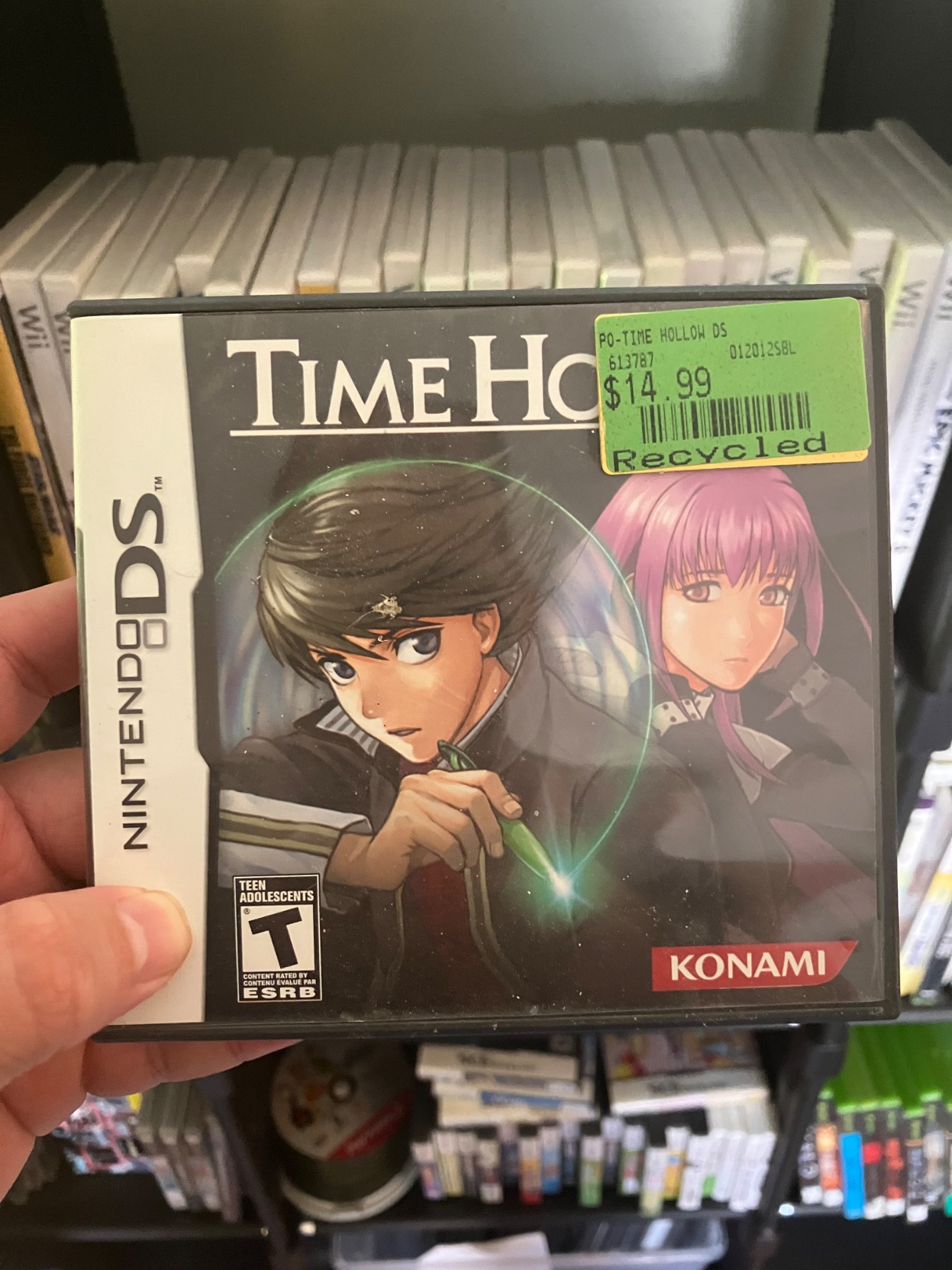
Time Hollow (2008) for Nintendo DS.

The DS really was a treasure chest for Japanese adventure games—and the stylus had everything to do with it. The system flipped open like a book, which made it perfect for late-night reading sessions or zoning out on a bus ride.

Time Hollow is one of those “timey-whimey” mysteries. You wield the Hollow Pen (your stylus) to cut literal windows into the past, swapping objects and rewriting events in search of your missing parents.

It’s all wrapped in sharp manga art, with anime cutscenes that still hold up. The vibe is what the kids now call “cozy.” I lucked out and found my copy at GameStop for C$15, back when they still had DS shelves worth browsing.

@videogames@piefed.social

A person is holding a Nintendo DS game case for Time Hollow, developed by Konami. The cover art shows two anime-style characters: a boy in a school uniform holding a glowing green pen, and a girl with long purple hair in the background. There is a green price sticker in the top-right corner that reads “$14.99 Recycled.” The ESRB rating is Teen. In the background, shelves of other video game cases are visible.
 

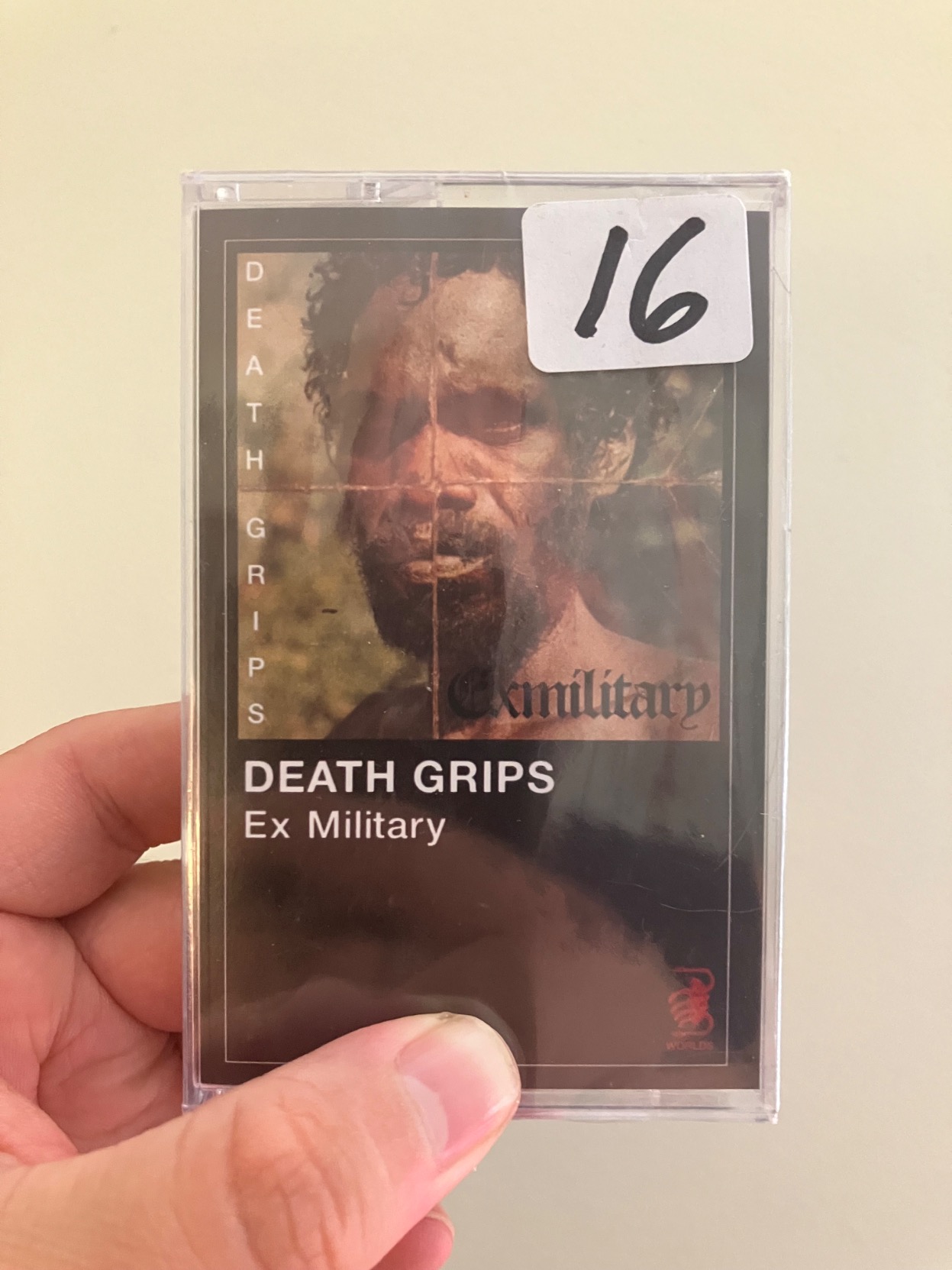
Today’s cassette is Exmilitary (2011) by Death Grips.

I was hyped to play this one—but one of the reels was defective. The tape bunched up, jammed the capstan, and nearly ate my Walkman. I managed to save the player, but the cassette itself is toast.

Fantastic album, though. Now it’s basically a keepsake—more decor than playable media. Might hang onto it, might not.

@recordpics@piefed.social

A person holds a cassette tape copy of Exmilitary by Death Grips. The cover shows a distressed close-up portrait of a man’s face with a cross-shaped crease through the image. The album title “Exmilitary” is written in gothic-style font across the right side of the cover, while “DEATH GRIPS” and “Ex Military” are printed at the bottom in white text. A white sticker with the handwritten number “16” is affixed to the cassette case.
 

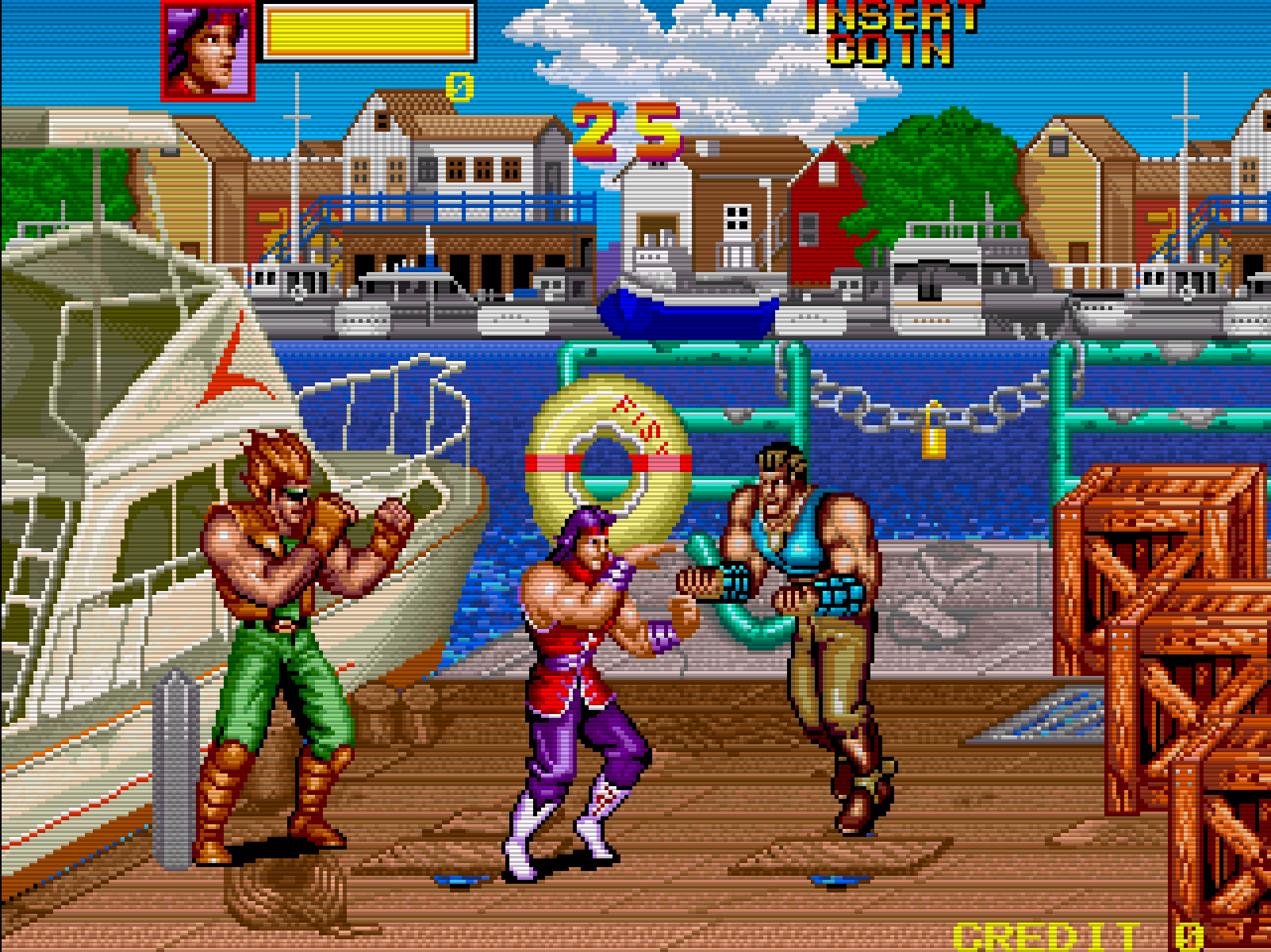
Silent Dragon (1992) for arcade is Taito’s forgotten attempt at a Double Dragon spiritual sequel.

This one came from East Technology, the same crew who made Double Dragon III (arcade, NES, Genesis, everything). That game is infamous for its stiff, awkward animation—arguably the weakest of the trilogy. But here, they got another shot.

And Silent Dragon is much better. You can tell East Technology saw what Final Fight was doing and tried to mash that polish with the Double Dragon formula. It’s still not Final Fight—by 1992, Capcom’s juggernaut was the yardstick every brawler got measured against—but it feels tighter than what they’d done before.

The action has weight, the sprites pop, and the set-pieces—like smashing through a clothing boutique or blowing up scenery—keep things lively.

It’s also packed with oddities that make it memorable. The bosses are wild: Animal Cupid (a bandaged brute), Wolfkid (basically Jagi from Fist of the North Star), and Frankenman (a stretchy mummy-thing). The HUD even has a bat icon that foreshadows the man-bat enemies later on.

And when you run out of credits, you don’t just get one “Continue?” countdown—you get a second screen with Catherine begging you to keep going, practically shaming you into feeding the machine another coin.

Mechanically, it’s a mixed bag. No separate punch and kick buttons, so the combos never get as flashy as Capcom’s. Still, you can wield a car battery as a weapon, chow down on gift-wrapped chicken, or watch a monkey pelt you with Molotovs before randomly dropping apples as health items. That sort of nonsense is peak arcade beat ’em up.

What I always notice, though, is the stock cast of enemies. Punks with mohawks? Check. Whip-wielding dominatrixes in leather? Of course. It’s as if there was a genre rulebook that every developer cribbed from. Silent Dragon follows it to the letter—only with a few more quirks to keep you smiling while you’re bashing away on the buttons

@videogames@piefed.social

Screenshot of a retro arcade beat ’em up game set on a wooden dock. In the foreground, three muscular characters face off in fighting stances. On the left, a fighter with spiky blond hair, green pants, and brown boots raises his fists. In the center, a purple-clad martial artist with a red vest squares off against a hulking opponent on the right wearing a teal tank top, brown pants, and spiked gauntlets. The background shows boats docked in a harbour, colourful seaside buildings, a life preserver marked “FISH,” and stacked wooden crates. On-screen UI elements display a timer set at 25, a health bar in the upper left, and the text “INSERT COIN” in the upper right. The image has visible CRT scanlines, giving it an authentic old-school arcade look.
 

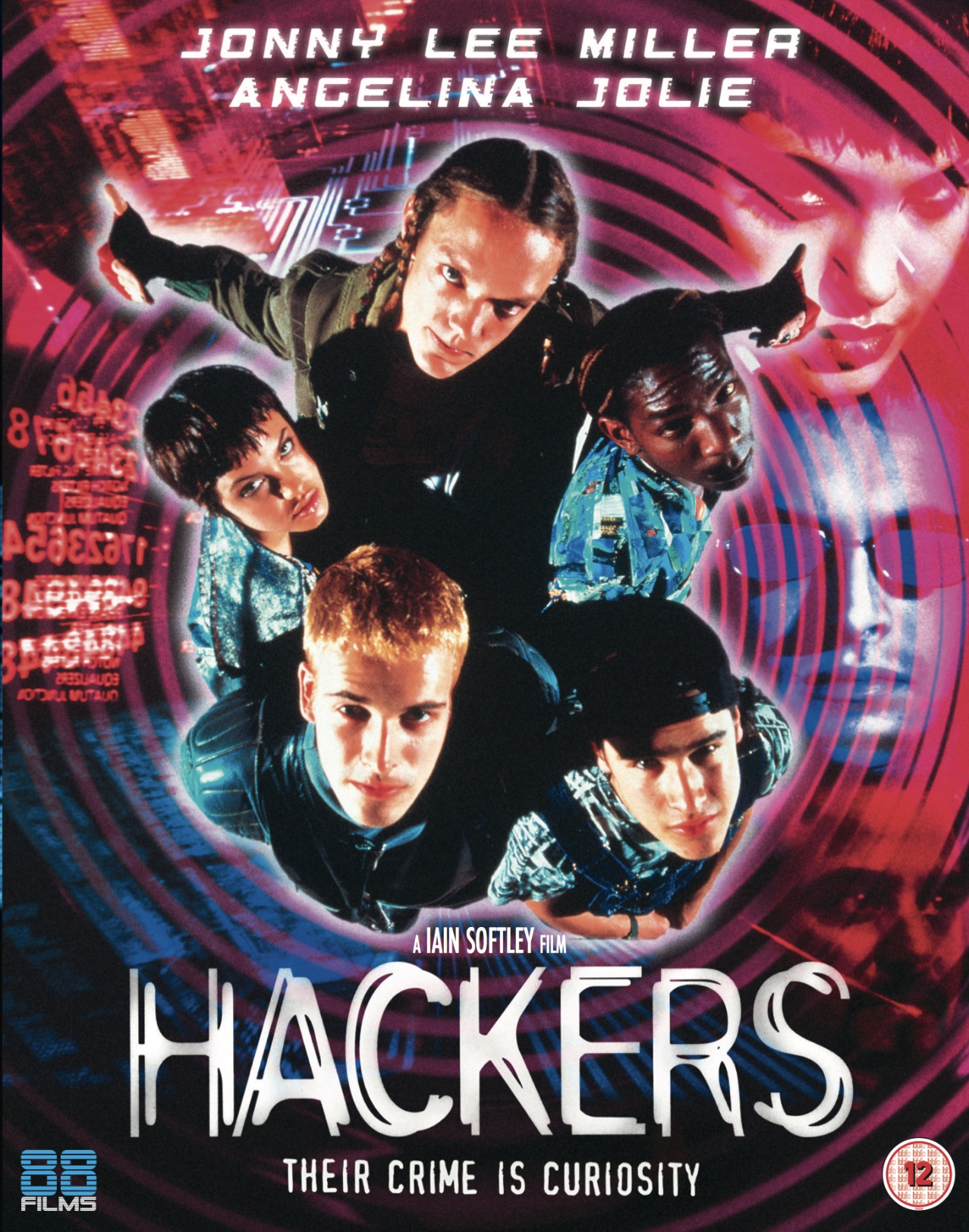
Hackers (1995) is a film I somehow never saw until now—wild, considering I lived through the real events it riffs on. Only 30 years later did I finally sit down to watch it.

This is a film I should’ve been more familiar with, seeing how it really cuts close to home. And I know some of you might find it unlikely that Hackers has real-world connections, but I’m telling you the truth.

The whole thing about free long distance was real. Back then we called it blue boxing. And in 1988, a young university student released what wasn’t exactly a virus but came to be known as the Morris Worm. It shut down a big chunk of the early internet. So while the movie exaggerates with a 12-year-old wunderkind, the inspiration was there.

Several characters were analogues to real people. Joey was based on a guy known as Fry Guy. And I’m pretty sure Nikon, the Black hacker in the movie, was based on John Threat—who in the 80s and 90s went by the handle Corrupt. I actually know John—great guy.

And yes, a lot of cybercrime investigations were really handled by the Secret Service. People forget their original purview was financial crime. Protecting the president came later.

So I’m shocked it took me until yesterday to actually see this movie. I remember it being a big deal—it touched youth culture and fashion. But let me tell you, hackers didn’t dress like that. Not before the movie came out. We were computer science nerds in labs. Nobody thought hacking or phreaking was cool.

Then overnight, with the movie’s leopard prints, fur, and pink neon side holsters, suddenly computer nerds were “the coolest kids in school.” Angelina Jolie helped with that one—plenty of girls suddenly wanted to get into computer science.

The plot is simple. A bunch of teenagers access file systems remotely, one stumbles onto something bigger, and suddenly they’re caught in a cyber-security conspiracy. The tagline nailed it: “Their only crime was curiosity.”

But the bad guy? Come on. A multimillion-dollar corporation hires as its CSO a dude who insists on being called “The Plague”? And the Secret Service wants to work with him instead of arrest him? No CSO walks into a boardroom with a skateboard and demands everyone call him by his hacker handle. That is the most unbelievable part of the movie.

Well, that and the hacking itself. Real hacking is just terminals and text. In Hackers, it’s skyscraper file systems and sci-fi UIs. Fun to look at, but nothing like reality. Same with the VR headset The Plague uses. VR existed in the 90s, but it sucked. Cool as an idea, but nobody was actually doing anything with it.

Same goes for the laptops. In 1995, laptops didn’t have the horsepower or fast built-in modems for serious hacking—if they had modems at all. They were impractical bricks.

What the movie did predict, though, were translucent machines. Those became all the rage later with Apple’s iMacs. In the 90s, our machines were beige or sometimes black—never cool, never translucent. So that influence stuck.

Other details are hilarious in retrospect. At the end, all the kids run to phone booths to hack. Why? Anonymity? Not really—now people can see you standing in a booth, typing furiously.

I used to mess with phone booths as a kid, routing calls around the world just because I could. That was phreaking. And one of the characters even goes by “Phreak”—spelled with a PH—which is a nod to that world. But almost never did I bring a laptop into a phone booth, not with them being so heavy and lacking battery power.

I realize I’m not treating this as just a movie. Hard to do, because this was my life. I’ve been in the tech industry for decades, and watching this is like a cop watching Bad Boys or a doctor watching House. It’s a story first, accuracy second. They wanted hacking to look cool.

My life wasn’t that cool. I didn’t have Angelina Jolie hanging off my arm. No woman has ever been impressed with my technical skills. Trivia skills once got me laid—technical skills, never.

I can’t believe I waited 30 years to finally watch this film. I watched it with my kid. She liked it. Then she asked me if that’s really what the 90s were like. I had to tell her no. Sorry to disappoint you, kid. But yeah—what a trip.

@movies@piefed.social

Cover art for the 1995 film Hackers. The five main characters, including Jonny Lee Miller and Angelina Jolie, are shown leaning toward the camera with a swirling digital tunnel background in neon pink and purple. Circuit patterns and glowing text float around them, emphasizing the film’s cyber theme. At the bottom, bold white letters read Hackers with the tagline “Their crime is curiosity.”
 

10 new(-ish) Linux games from itch.io that caught my eye lately.

I dug through, tested, and researched these—and every one of them runs excellently on Linux.

Spirit Stackers (fluttersprite)

A competitive falling-block puzzler spun out of the Paranatural webcomic. Spirit blocks drop in pairs, spectral energy zaps across the board, and clever chains bury your opponent in junk. Local 1–2 player, arcade mode for solo, and a wildcard block that can swing a match at the last second.

https://fluttersprite.itch.io/spiritstackers

COLORMUSE (TheJohnyFeeD)

Twin-stick bullet ballet. Swap polarities like Ikaruga, eat your colour, dodge the rest. Add in an online leaderboard, Lunatic difficulty, and a pounding electronic soundtrack. Feels arcade-authentic in a way most shooters don’t.

https://thejohnyfeed.itch.io/colormuse

Mycelium (Leoseverini)

A cozy survival-puzzle where you build out a fungal network one tile at a time. Collect resources, fruit your mushroom, and slowly surface. Still in development, but already a satisfying little zoom-and-pan clicker.

https://leoseverini.itch.io/mycelium

OBRII (Exponenta Games)

A stripped-down colony builder that makes Mars feel like a puzzle box. Every turn you drop terraforming tools, reshape craters, carve out deposits, and watch as your settlement teeters between survival and collapse. No tutorial bloat, no grind—just tight mechanics and a stark aesthetic that makes every decision bite.

https://exponenta-games.itch.io/obrii

Ship Miner (arielsan)

A one-bit twin-stick about grinding rock in the dark. Asteroids aren’t just scenery—they’re loaded with minerals, scrap, and the occasional hostile surprise. Strip them down, haul the loot, and pour it into upgrades: triple mining rays, photon thrusters, even healing drones to keep you alive when the void bites back. It’s sharp, frantic, and weirdly hypnotic..

https://arielsan.itch.io/shipminer

Children of the Spring (Arcanzu Games)

The world’s gone under, leaving only scattered islands and a sea that hides more than it gives away. Children of the Spring drops you into that flood with a ship that evolves alongside you—unlocking new ways to fight, explore, and dive into the depths. Real-time combat, secrets tucked above and below the waves, and a looming tower that dares you to climb.

https://arcanzu-games.itch.io/children-of-the-spring

Hope of Taru (Seidel Games)

A family-built platformer with hand-drawn charm. You play a wanderer piecing together memory, collecting stone fragments, and slowly lifting the curse from a ruined village. Six levels, a bespoke soundtrack, and just enough rough edges to remind you this came from a summer project at home—not a studio boardroom.

https://seidel-games.itch.io/hope-of-taru

Waste your Wedding (Antoine Foucault)

A side-scrolling aerial brawler where you crash a wedding to steal cake. Yes, really. Attacks double as extra jumps, you can quick-warp with F-keys, and there’s even a palette swap button. Ridiculous in the best way.

https://antoine-foucault.itch.io/waste-your-wedding

Hungry Horrors (Clumsy Bear Studio)

Most deckbuilders have you slashing goblins with swords or zapping them with lightning. Hungry Horrors says forget that—you’re cooking for them instead. Every beast from British and Irish folklore shows up starving, each with its own bizarre cravings.

https://clumsy-bear-studio.itch.io/hungry-horrors

Moth Planet (Moth Fried Games)

A platformer that feels like it crawled out of a sketchbook and took flight. You play a tiny moth in Lepidopteros—bouncing, gliding, and fluttering through hand-drawn landscapes stuffed with secrets. It’s equal parts whimsical and unsettling, with a narrative that doesn’t spoon-feed but keeps you curious.

https://mothfriedgames.itch.io/moth-planet


itch.io is absolutely flooded with experiments like these—some polished, some messy, but all more interesting than whatever safe sequel AAA is rolling out this quarter. And the best part is that every single one here is playable on Linux right now.

@videogames@piefed.social
 

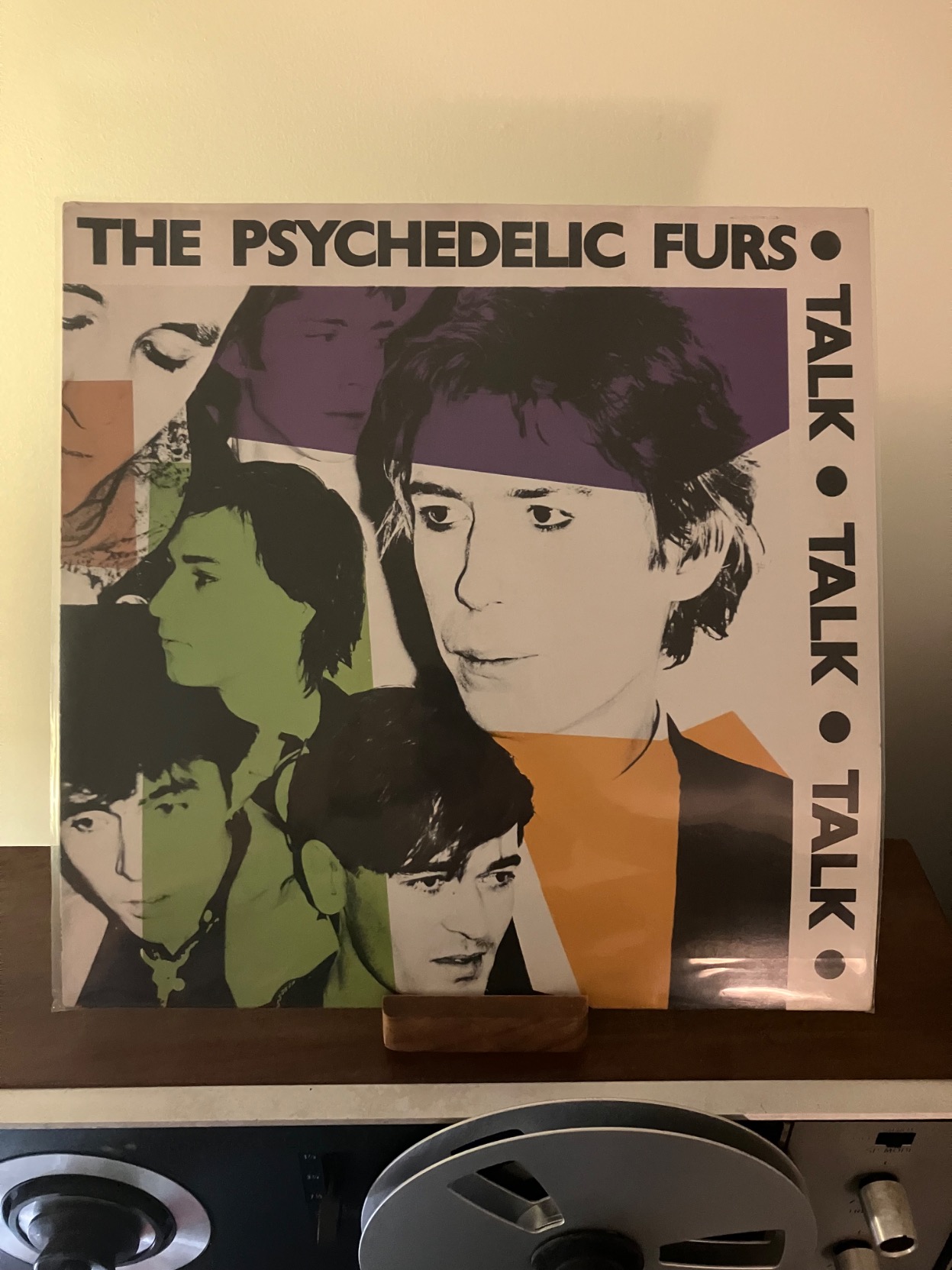
Talk Talk Talk (1981) by The Psychedelic Furs – 12” 33RPM LP.

My wife hates this record. But I can’t help thinking if she’d been born just five years earlier, she’d be all over it.

Because this album really was a moment in time. “Pretty in Pink” wasn’t just a standout track—it was iconic enough to inspire the film of the same name.

I’ve always had a soft spot for The Psychedelic Furs: sharp post-punk, unmistakable vocals, and pure early-80s atmosphere.

@recordpics@piefed.social

Vinyl record of Talk Talk Talk by The Psychedelic Furs. The cover features a collage of black-and-white band member portraits overlaid with blocks of bright colors—purple, green, and orange—arranged in a pop-art style. The album title runs vertically along the right side in bold black letters: “TALK • TALK • TALK,” while the band name “THE PSYCHEDELIC FURS” appears across the top. The record sleeve is propped upright on a wooden stand, with part of a reel-to-reel tape deck visible below.
 

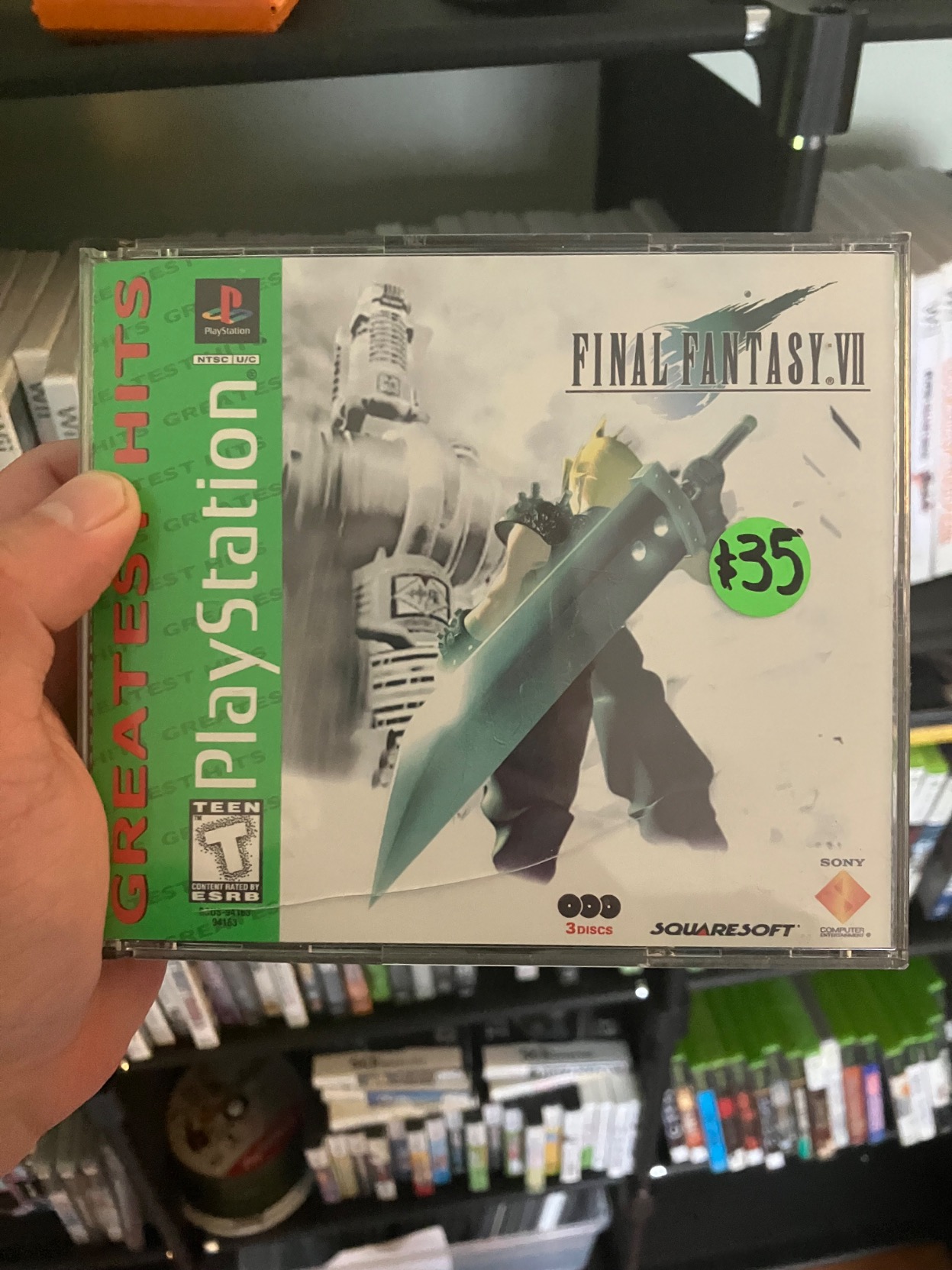
Final Fantasy VII (1997) for Sony PlayStation.

One of my all-time favourite RPGs. I put it right up there with Trails in the Sky—and that’s the highest praise I can give any JRPG. But unlike Trails, this one became a phenomenon. It moved consoles. It sold the PlayStation itself. And at the time, those pre-rendered backgrounds blew my mind.

I also own the PC release, which I adore even more. The models are sharper, Cloud even has a mouth. But make no mistake: this game belongs to the PSX era. It’s the defining title.

@videogames@piefed.social
A hand holds a PlayStation 1 “Greatest Hits” edition copy of Final Fantasy VII. The cover shows Cloud Strife with his massive Buster Sword slung over his shoulder, facing the Shinra building in Midgar. The green “Greatest Hits” banner runs along the left side of the jewel case, with the PlayStation logo and “Teen” ESRB rating visible. A bright green price sticker reads “$35”. The case is slightly scuffed with a crease running across the lower part of the insert. Shelves of other video games are visible blurred in the background.
 

Clown in a Cornfield (2025) is a horror movie about a teenage girl who moves to a small town that’s split between old-timers and high school kids—then gets confronted by a clown.

She falls in with a group of friends, and just as life starts to settle, the town’s history comes roaring back in the worst way possible. A clown mascot named Frendo steps out of the cornfields, and suddenly those kids are being hunted down one by one.

The reason I watched this is because I often have this mentality: one plus one equals two. Take one horror premise—Children of the Corn—combine it with It. What do you get? Clown in a Cornfield. So why not go hog wild, right?

Wildly enough, this didn’t start from some B-movie producer’s imagination. It was a novel first—Adam Cesare’s 2020 book—and now it’s an adaptation. The director is Eli Craig, the same guy who made Tucker & Dale vs. Evil, one of the best horror spoofs I’ve ever seen. Incredibly witty and clever. I hoped to see that same wit here. Spoiler alert: no, you don’t.

The core problem is that it tries too hard to do the self-aware teen thing, where characters seem to know they’re in a horror movie. But Scream already did this decades ago—much better. You’re not going to top Scream. And by now, the self-aware horror movie is as much of a cliché as the movies it lampoons.

Where it really goes wrong is the characters. They’re stock, and being self-aware doesn’t excuse that. You’ve got the Black kid who dies first, the snobby popular girls, the rich bad boy, the hick. Later in the film they try to throw a curveball, but it doesn’t land—by then the movie's lurching towards the end, and the relationships aren’t developed enough.

If you’re going to do something like this, the movie has to be clever. This one isn’t. The stock characters never break out of their molds.

That said, Will Sasso as the sheriff was excellent—the highlight of the film for me, though he doesn’t get much screen time.

The clown costumes, designed from Keith Lau’s concept art, were fun and creepy enough to make me giggle. A few kills, like the bench-press scene, were imaginative. But that’s about as good as it got.

The shoot had its quirks. Filmed in Winnipeg in fall 2023, the crew had to use blowtorches to melt snow after a blizzard so it would still look like autumn. Craig stacked the cast and crew with Canadians after moving to North Vancouver and even taking Canadian citizenship, so the whole thing has a half-Hollywood, half-Winnipeg vibe.

The marketing leaned into the gimmick. A week before wide release, they did drive-in-only previews with author signings and posters. Then came the “Frendo Across America” semi-truck tour, rolling up to landmarks with the clown mascot in tow.

It’s not a bad film—there are plenty worse with the same tropes. But because this was Eli Craig, I had high expectations. Tucker & Dale vs. Evil proved he could twist horror with wit. Here, those expectations just weren’t met.

Do I recommend it? Meh. Not a total waste of time, but you could watch better movies.

Where to watch:

Prime Video: https://www.primevideo.com/detail/0GVJCCJDSJI8PS821VSPHOHTQU

@movies@piefed.social

A dark poster for Clown in a Cornfield shows a bloodstained jack-in-the-box clown doll with red hair, a painted white face, striped clothes, and a tiny brown hat. The box reads “Baypen” with a slogan, “A little drop of Baypen makes everything better,” and is spattered with blood. Behind it looms the shadowy, menacing face of a full-sized clown with a red nose and black makeup streaks. At the bottom, the tagline reads “From the producers of Smile,” with the film’s title, director Eli Craig’s name, and the release date: May 9, only in theaters.
 

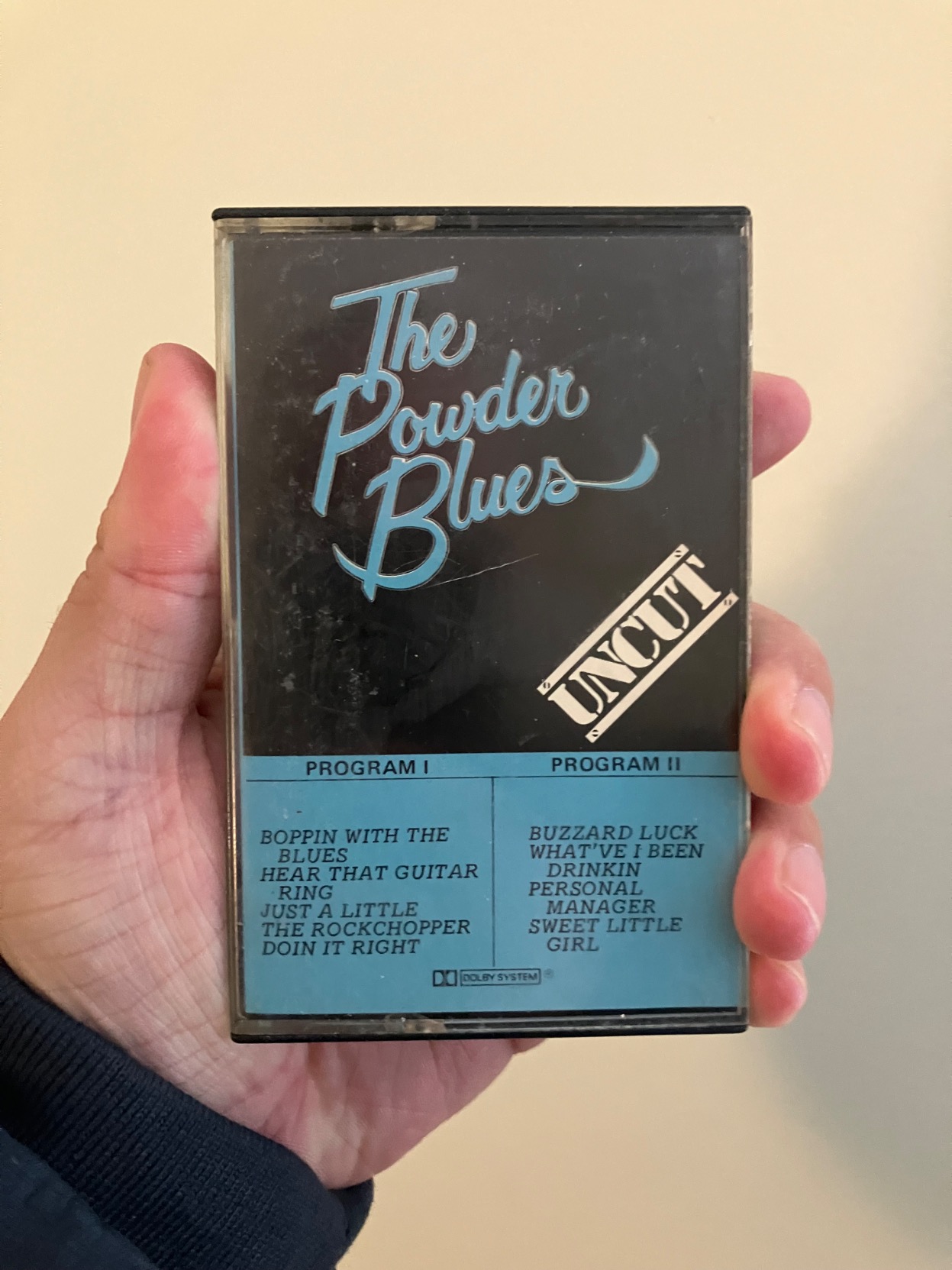
Today’s cassette is Uncut (1979) by The Powder Blues. The Powder Blues, they’re local legends out here in Vancouver.

They make a certain kind of boogie-woogie blues style, which was kind of the rage in the 1930s and ‘40s, but they add a little bit of rock into it. The result is some peppy and danceable blues numbers—highly original, smooth, and it’s a lot of fun when you’re going for a walk.

This was their breakout album. I don’t think they’ve ever made an album better than this, but a lot of people remember it—good times. And sometimes you could catch a show by The Powder Blues every so often in Vancouver, though I haven’t seen one myself, but it’s good that they’re still going strong today.

@recordpics@piefed.social

A hand holds up a vintage cassette tape of The Powder Blues – Uncut. The cover is black with sky-blue cursive lettering and a diagonal white stamp reading “UNCUT.” Track listing is split into two programs:
Program I: Boppin with the Blues, Hear That Guitar Ring, Just a Little, The Rockchopper, Doin It Right.
Program II: Buzzard Luck, What’ve I Been Drinkin, Personal Manager, Sweet Little Girl. The bottom has a small Dolby System logo. The case shows light scuffing and age wear.
 

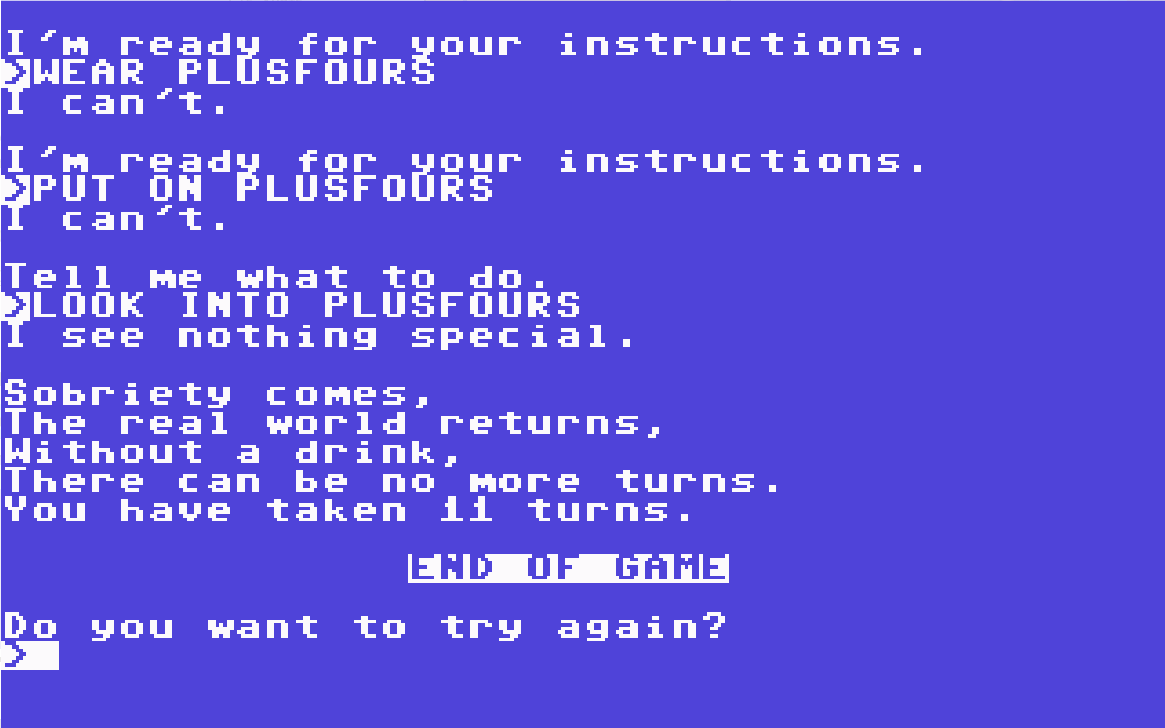
Denis Through the Drinking Glass (1983) is a text adventure about Margaret Thatcher’s drunk husband, Denis. Yes—this was a real thing.

The copy I played was on Commodore 64, but it first staggered out on ZX Spectrum in 1983—later crawling onto Atari 8-bit, BBC Micro, and Acorn Electron. It was built in The Quill, and not just any Quill game—this was the very first commercial release. From the start, the whole thing was drenched in satire and barroom humor.

The hook is that you don’t lose because of goblins, or hit points, or bad parser guesses. You lose because you sober up. Ten turns without a drink and Denis blinks back into reality, game over.

Sobriety is the fail state. 42 years later, that mechanic still feels uncomfortably brilliant.

Applications Software Specialities never made another game. One shot, one kill. But if you’re going to bow out after a single release, you could do worse than a rhyming, headline-spitting adventure where the only way to keep playing is to stay hammered.

@videogames@piefed.social
Screenshot of a text-based adventure game running on a blue screen with white pixelated text. The player types commands like “WEAR PLUSFOURS” and “LOOK INTO PLUSFOURS,” but the game responds with “I can’t” or “I see nothing special.” The game then ends with a short poem: “Sobriety comes, The real world returns, Without a drink, There can be no more turns.” It reports the player took 11 turns, followed by “END OF GAME” and the prompt “Do you want to try again?”
 

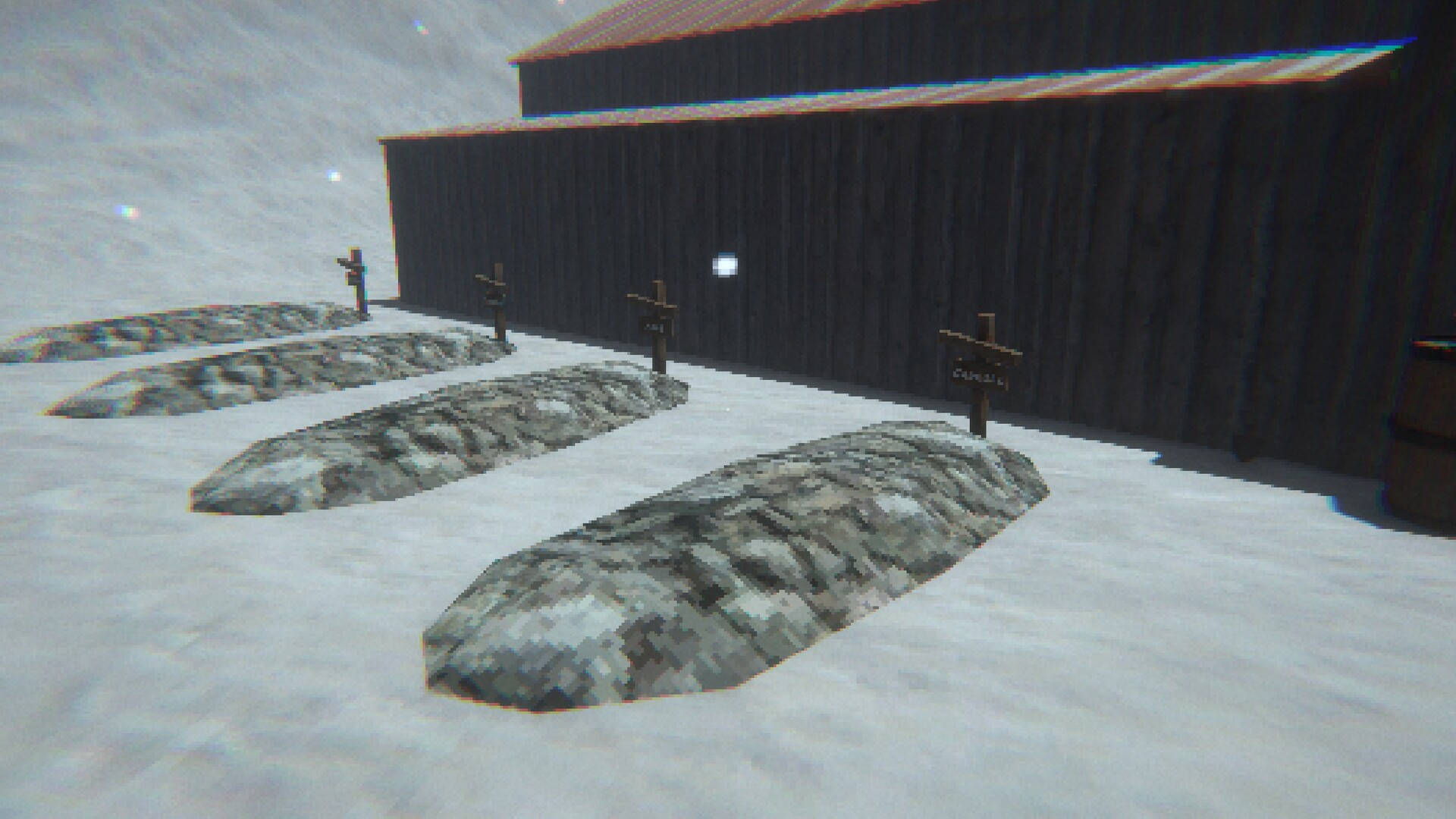
Dyer Expedition just hit Steam—and I wanted to love it, but I can’t.

Can it be fun? Sure. Great ideas? Definitely. But the presentation wrecked me. The way the color and low-res textures strobe against each other made me nauseous—fifteen minutes in, I was dry heaving and clutching my stomach like I’d been on a bender. Closest I’ve ever felt to a hangover without actually drinking.

So here’s the setup. It’s 1931. Antarctica is still the great unknown. Miskatonic University sends William Dyer to the ice to dig up fossils and prove his academic theories. The supply ship sails home and finds the base abandoned. Contact is gone. You fear the worst—colleagues lost, dread mounting—and so you mount your own rogue mission. Passage through Australia, a fishing boat dropping you at the ice, two days to find out what happened. It’s straight Lovecraft, riffing on At the Mountains of Madness.

That part is compelling. The problem is how the game plays. First cabin you enter? Doors you can’t open. No explanation, no feedback. Why build doors into a level if they’re nothing but wall dressing? And while the atmosphere screams “explore me,” the structure is rigidly A-to-B. Even 1980s adventure games rewarded curiosity. This one corrals you down the track like a tourist on a rope line. If it’s linear, fine—but then don’t fake openness.

Visually, I usually enjoy PSX-era blockiness. But something about this clashes—the chunky textures grinding against color gradients until it’s physically unpleasant. It’s the rare case where a retro filter makes me want to hurl.

Audio is stronger. Puzzles actually lean on sound cues, which is clever. The sound design is tense and practical. Music (if you can call it that) drifts in and out like background radiation—ambient to the point of forgettable. Stereo separation is nice. Custom volume sliders are there. Credit where due: Sjellos composed the score, and while it isn’t memorable, it fits the cold.

Controls are keyboard and mouse by default, Xbox pad supported. But nothing about the layout is intuitive. Expect to wrestle with it before the game lets you settle in.

Quality of life is barebones—Steam Family Sharing, and that’s it.

Specs are featherweight. An old Intel HD 620 runs it. You only need 4GB of RAM and a single gig of storage.

Windows is the official target, but the demo shipped a Linux build, and I can confirm the full game runs flawlessly on Linux too. Even on Steam Deck is plays well.

Monkeys With Jobs, a solo Austrian dev, spent three and a half years making this. It’s their debut. Launch price is C$9.44 with a 10% discount. On day one there are only two Steam reviews, both positive. I disagree with their sentiment.

For me, the linearity, the fake interactivity, and the queasy visuals ruin what could have been a strong Antarctic mystery. It made me sick—literally. And when a game puts me flat on the couch in under twenty minutes, I can’t recommend it.

https://store.steampowered.com/app/2179390/Dyer_Expedition/

@videogames@piefed.social
A low-resolution, snowy scene from a video game showing four freshly covered graves with wooden crosses as markers. The graves are lined up outside a dark wooden building with a sloped roof. Each cross has a small sign attached, and one is faintly readable with the word "CANAL" or "CANALI". Snow covers the ground, and the environment has a pixelated, retro 3D aesthetic.
 

People often ask if I’m the same Chris Trottier who designed The Sims.

No. While we both like video games, I am not that Chris Trottier.

For one, that Chris Trottier is a woman. I’m a man.

But here’s where it gets funny. When she was exactly my age, 43, she gave a presentation called Designing Games for the 43-Year-Old Woman.

And right now? I am 43. And I often talk about game design for women—just not from her perspective. She speaks as a woman. I speak as a husband and father who buys games for the women in my life.

There’s one more odd connection. She worked at EA. And me? I’ve worked with and am friends with at least eight people who are or were at EA.

So no—we’re not the same Chris Trottier. But the parallels are uncanny.

https://www.slideshare.net/slideshow/chris-trottier-designing-games-for-the-43-year-old-woman/7361534

@videogames@piefed.social
 

Are we misremembering what PS2 games looked like?

I think we are. Because it’s about time the PS2, Xbox, and GameCube era got its comeback—and not many indie devs are even trying.

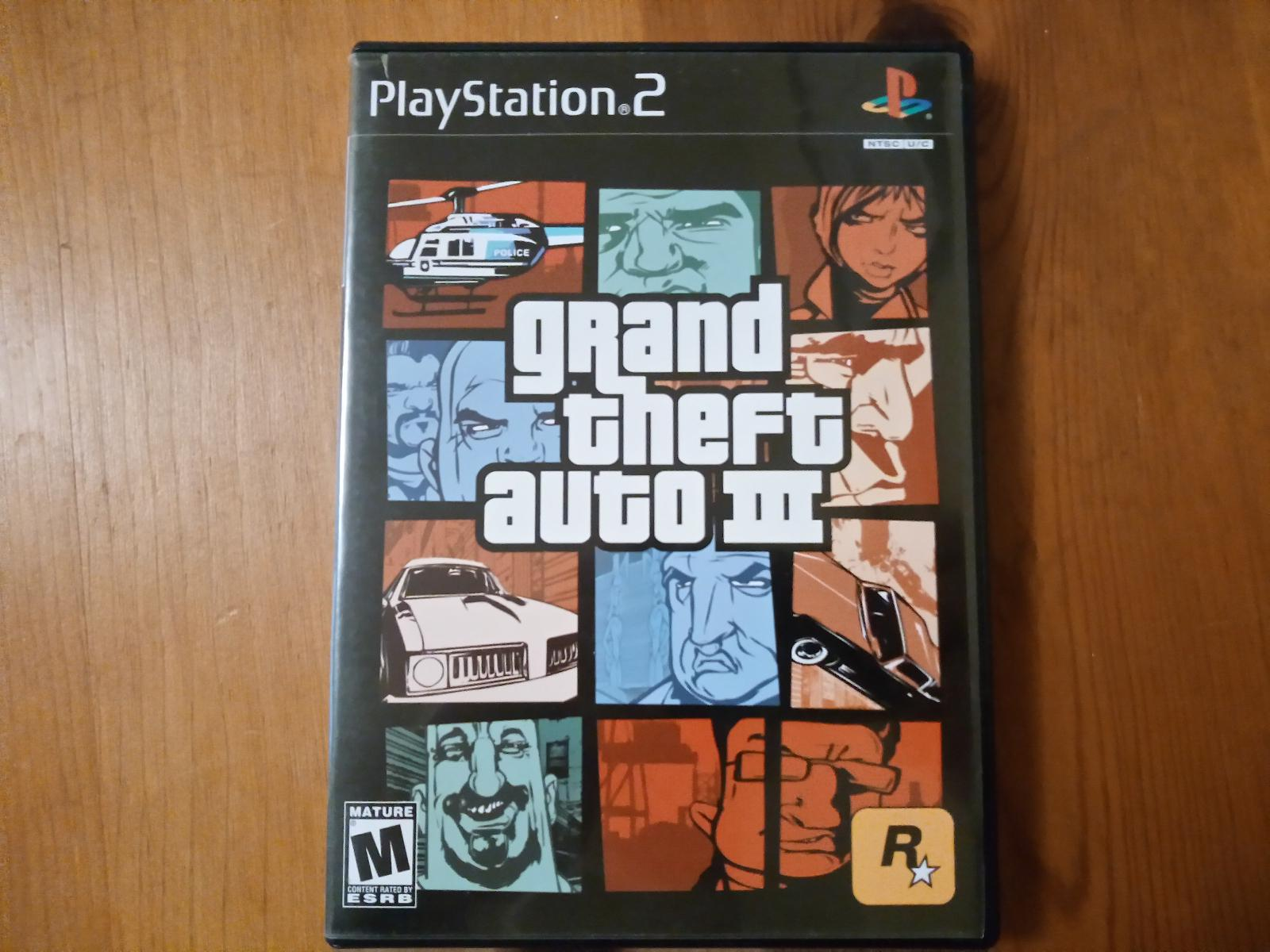
I went looking at YouTube footage. God of War. Ratchet & Clank. Grand Theft Auto III. And almost none of it looked right.

Most of it was stretched to 16:9 when these games were made for 4:3. A handful supported widescreen, sure, but that wasn’t the norm.

And the jaggies? I don’t remember them looking that raw. CRTs hid a lot with interlacing. They blurred the edges, softened the movement. The PS2 looked smoother than the sharp pixels you see now.

But YouTube is filled with emulated footage. Nothing wrong with emulation—I use it myself. But much of it has been upscaled and filtered to look “modern.” Which misses the whole point.

People still say the PS2 is too modern to be retro. That’s wrong. It came out 25 years ago. It’s as retro now as the NES was when the PS2 first launched.

If you want the real PS2 experience, you need a CRT. And CRTs aren’t being made anymore. They’re getting expensive, and they’re vanishing.

That’s why I want indie devs to aim for the authentic PS2 look. Not a parody. Not a cleaned-up facsimile, but the actual thing. Because if younger generations saw what the PS2 really was—they’d understand why it mattered.

@videogames@piefed.social

A PlayStation 2 game case for Grand Theft Auto III resting on a wooden surface. The cover features a bold white title logo in the center, surrounded by a grid of stylized comic-book panels. These panels show artwork of a police helicopter, a car, a handgun, and various character faces in red, blue, and orange blocks. The black PS2 header strip runs along the top, and the bottom left corner has the ESRB “Mature” rating. The Rockstar Games yellow “R*” logo sits in the lower right.
 

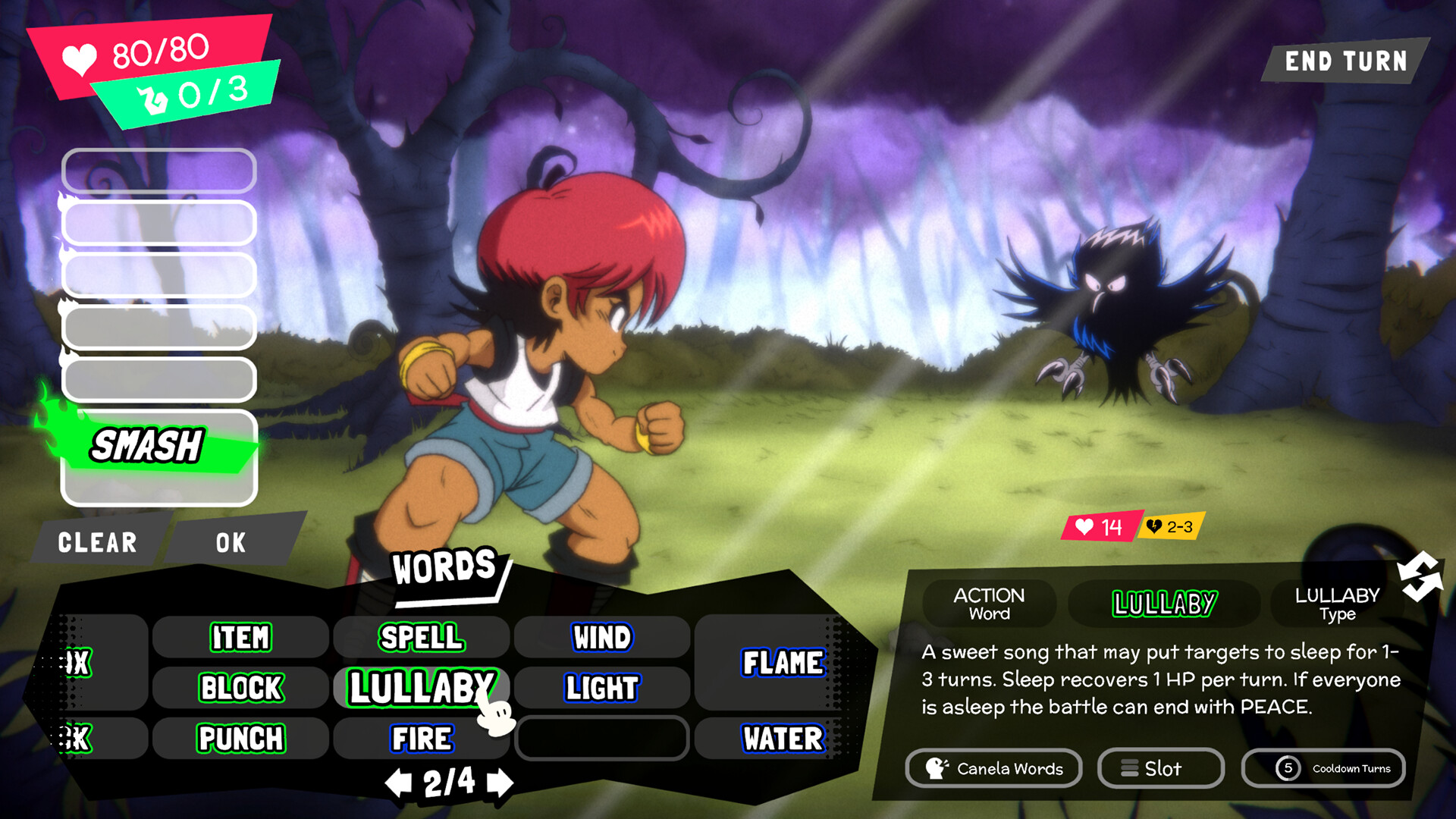
Wander Stars just launched today—and playing it feels like watching a lost 90s anime taped off late-night TV.

Everything from the CRT fuzz to the Dragon Ball-ish character art makes it look like you should be blowing into a VHS head cleaner. It’s committed to the bit.

But don’t call this a JRPG. It isn’t. It doesn’t even play like one. The devs are from Spain, not Japan. And the whole combat system is built around words.

You don’t grind for gear—you mash together “PUNCH + FIRE + SMASH” into bizarre attacks, then juggle cooldowns and Spirit points. There are 200 of these words scattered across the game, and the real goal is to collect them, win “honorably” to earn Pep Ups, and eventually ascend into some kind of cosmic Kiai master.

The story is episodic—literally ten anime-styled “episodes.” You play as Ringo, a hot-headed martial artist searching for her brother, and Wolfe, a sketchy drifter running from his past. Together they chase fragments of the Wanderstar Map across the galaxy, bickering like they’re trapped in a Ranma ½ filler arc. It’s tropey on purpose, and it works.

The visuals are hand-drawn, full of color swaps and filters, and yes, you can adjust the camera if the CRT effect makes your eyes melt.

The music is great. It's composed by Sayth Vashra with a full 55-track soundtrack. Sound effects punch, menus click just right, and volume can be adjusted without digging through Windows mixers.

Controls take adjustment, because the whole “word-sentence combat” is strange at first. Do the tutorial. Once you do, you can play it your way—keyboard, mouse, Xbox pad, DualSense. There’s no quick-time button-mashing nonsense. Everything’s deliberate.

In terms of quality-of-life: Steam achievements, cloud saves, family sharing.

It’s even Steam Deck Verified, and I can confirm it plays fine on Linux.

Official specs are modest—old i5, 8 GB RAM, GTX 760—but don’t cheap out below that unless you like stutter.

Paper Castle Games only made one other game—Underhero—and I own it. It’s excellent. Wander Stars is cut from the same cloth: inventive, scrappy, and weird in a way big-budget games don’t dare to be.

Reception is still tiny: currently 100% positive on Steam with a dozen reviews. My bet? Most players will click with this immediately.

Launch price is C$29.25. Considering the work that went into it, that’s more than fair.

https://store.steampowered.com/app/1575810/Wander_Stars/

@videogames@piefed.social

Screenshot of a turn-based RPG battle. On the left, a red-haired girl in shorts and a tank top prepares to fight, fists raised. On the right, a dark birdlike monster with glowing eyes and sharp claws hovers near a tree. The interface shows player stats (80/80 HP, 0/3 energy) and enemy stats (14 HP, 2–3 attack). The current selected command is LULLABY, described as a sweet song that may put enemies to sleep for 1–3 turns, healing 1 HP per turn, with the potential to end the battle peacefully if all foes are asleep. The lower UI shows selectable commands like ITEM, SPELL, BLOCK, PUNCH, FIRE, WIND, LIGHT, FLAME, and WATER. A glowing green “SMASH” option is also visible. The environment is a purple-tinged, misty forest with twisted trees.
 

Folly of the Wizards just dropped, and the whole gag is that you’re a wizard who sucks at wizardry. Not “novice bad.” I mean “illiterate with your own damn glyphs” bad. You join a cult, flail your way through dungeons, and hope the enemy dies before you miscast yourself into oblivion.

There are four wizards. Doesn’t matter which you pick—you’re still an idiot with a wand. The game throws 130 relics, tomes, and scrolls at you. Sounds impressive until you realize half of them are suicide notes disguised as items. That’s the design: roguelike chaos disguised as “progression.”

On paper, the numbers look stacked—83 quests, 22 bosses, 9 biomes. In practice, they’re just the scaffolding for pratfalls. You can prod relationships, make choices, and stumble into one of seven endings. But the real throughline is failure dressed up as comedy.

Visually this is your basic cartoon 2D game. Serviceable, forgettable, not offensive.

Audio should be better—Major Bruno composed the soundtrack, and it’s sold as DLC—but on Linux it’s busted. I got sound, but it was garbled garbage.

Runs fine otherwise. Works well on mouse and keyboard. Gamepad support’s there too.

Quality of life? Don’t expect much. There’s family sharing, and that’s it.

It’s native Windows only, and while Proton gets it running, the sound bug makes it a no-go for Deck until Valve or the devs patch things.

UpFox Labs made this. I don’t know them—this is probably their Steam debut.

Launch reception is “positive,” but that’s 11 reviews, which means nothing. My take? It’s playable. Not great, not terrible. Just playable.

Problem is, playable isn’t worth C$31.19. Plenty of roguelikes do the same thing cheaper and better. If you’re curious, wait for a deep discount. And if you’re on Linux, wait longer—because right now the only magic trick this game pulls off is turning sound into static.

https://store.steampowered.com/app/2452320/Folly_Of_The_Wizards/

@videogames@piefed.social

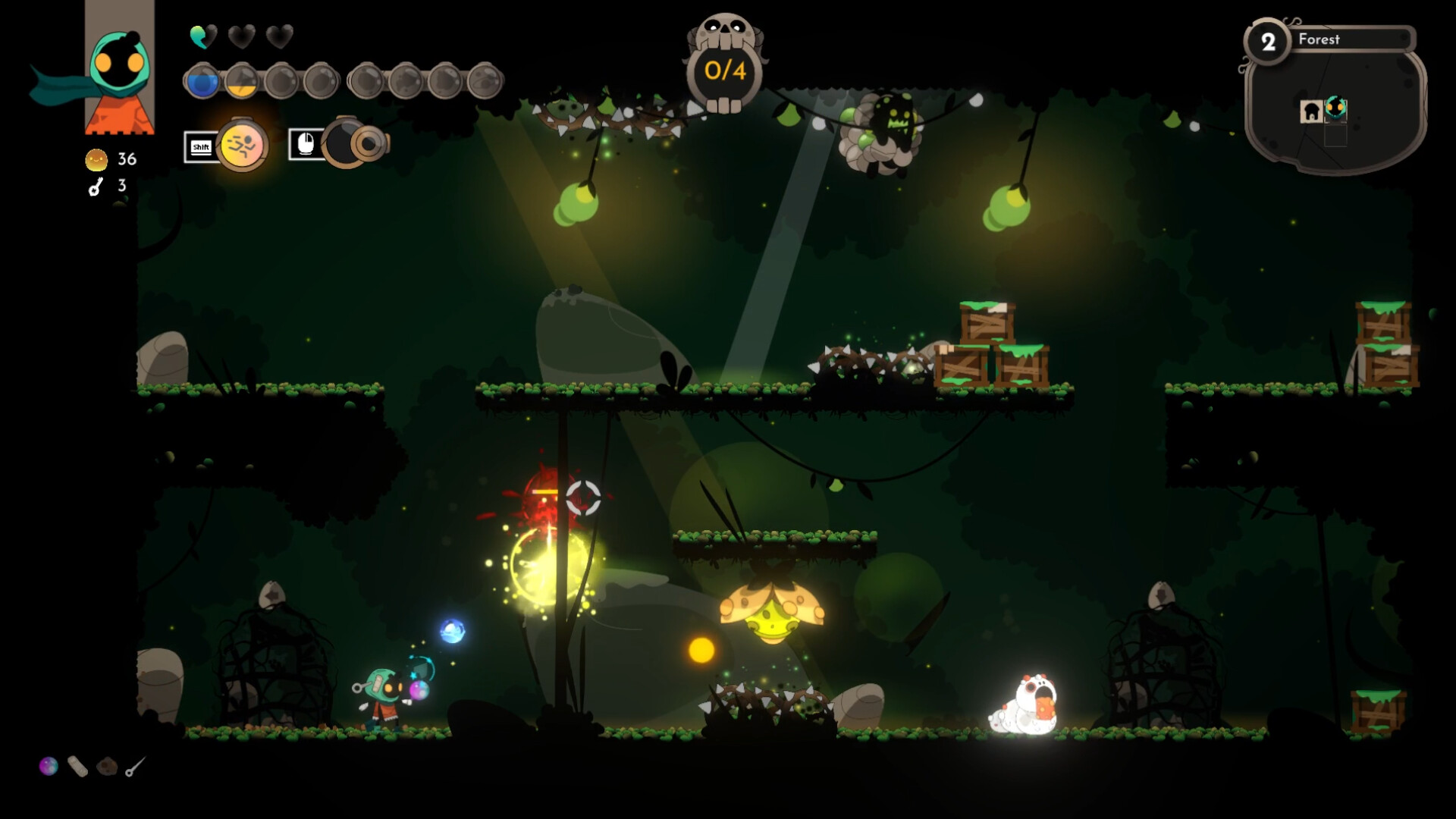
A 2D side-scrolling platformer game screen set in a dark forest lit by glowing hanging fruits. The player character, a small figure with a round black head, glowing yellow eyes, a teal scarf, and an orange tunic, stands on the lower left. They are holding a weapon with floating orbs circling them. Above, UI elements show three empty heart containers, a currency counter at 36, and three keys. In the center, a large glowing yellow projectile explodes near an insect-like enemy. Spiky traps, stacked wooden crates, and suspended platforms fill the scene. At the bottom right, a large white grub-like creature with a gaping red mouth wriggles on the ground. The top HUD shows "0/4" enemies defeated, with "Forest" displayed in the minimap on the top right.
 

Break Arts III just launched on Steam—and it’s the nerdiest thing I’ve ever seen.

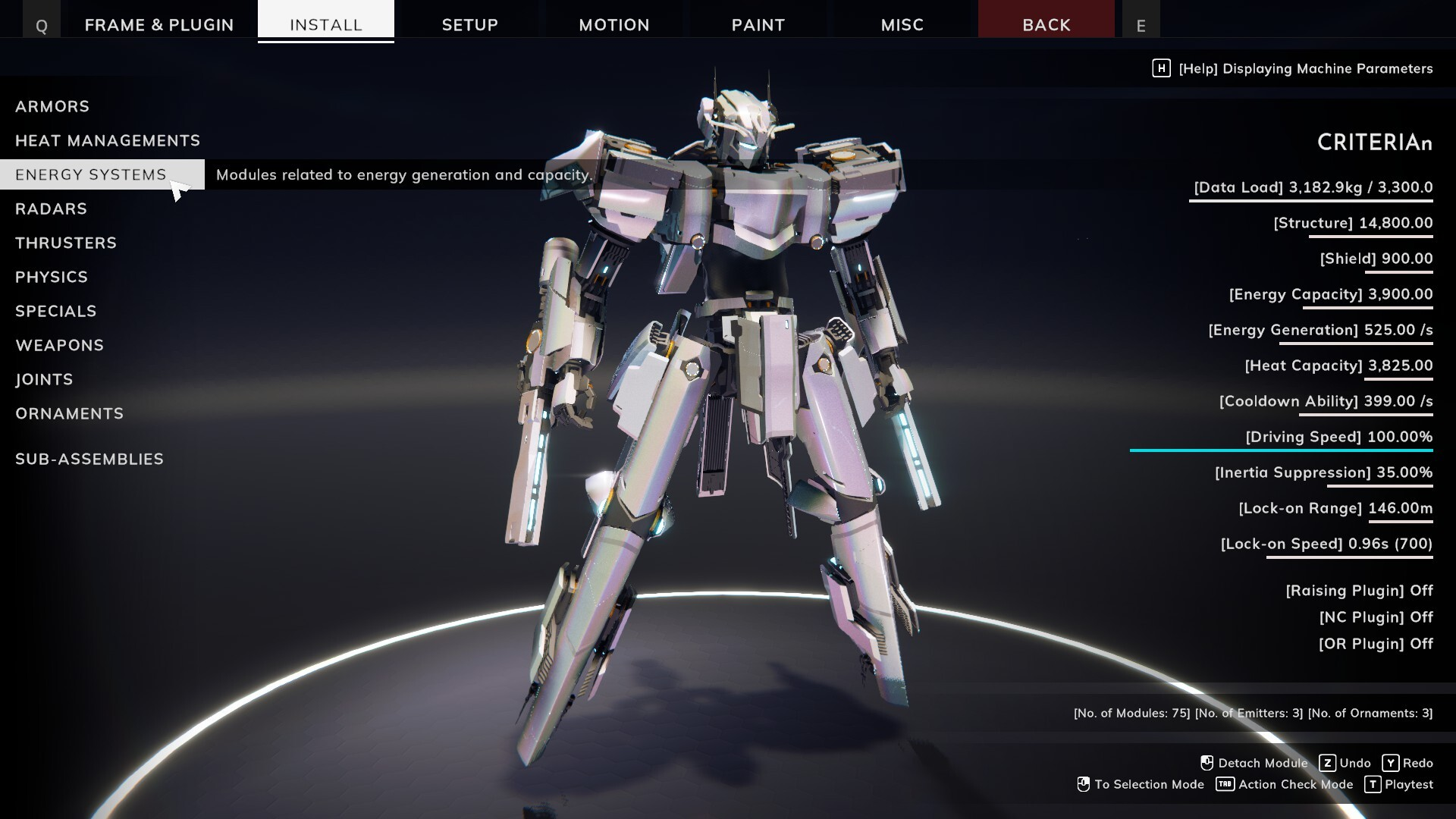
This isn’t “pick a mech, shoot some lasers, go home.” No, you’re knee-deep in connectors, plugins, and joints that control everything from remote weapons to deployable wings. It’s nerd engineering hell, which means it’s also nerd heaven. Normal people won’t touch this with a ten-foot pole. But if you’re the type who stares at build spreadsheets for fun, congratulations—you’ve found religion.

And after you spend hours making your machine, the game throws you into races, arenas, and PvP matches where math vomits all over the HUD. Stats, cooldowns, ranges—everything glowing on screen like Excel learned how to fight. At least you can tune the difficulty so you’re not instantly humiliated.

The presentation is shiny as hell. Chrome armor, purple neon reflections, nightclub Gundam energy.

The soundtrack noodles on the guitar so hard it could make Yngwie Malmsteen roll his eyes—and yes, they’re selling it as DLC. Sound effects are solid, with robotic voiceovers sprinkled in for good measure.

Controls are sane: keyboard and mouse feel best, but Xbox pads are supported. No gimmicky timed button presses, just raw handling.

The game has a single-player campaign, co-op, and PvP.

Cloud saves, family sharing, all the boring checkboxes are ticked.

Specs lean mid-high: i7-6700, 16GB RAM, GTX 1660, 20GB space. Windows only, but Proton makes it work on Linux.

Made by MercuryStudio, published by PLAYISM. They also made Break Arts II. (Break Arts I doesn’t exist. Don’t bother looking.) Reception is strong—96% positive reviews on launch day. Price at the moment: C$21.14 with a launch discount.

So yeah. Break Arts III isn’t casual. It’s unapologetically, aggressively nerdy. And that’s exactly why it rules.

https://store.steampowered.com/app/2522430/BREAK_ARTS_III/

@videogames@piefed.social

A mech customization screen from a video game. The central figure is a sleek, humanoid mech painted in reflective white and metallic tones, standing in a neutral pose with energy weapons in both hands. On the left, a vertical menu lists categories such as Armors, Heat Managements, Energy Systems (highlighted), Radars, Thrusters, Physics, Specials, Weapons, Joints, Ornaments, and Sub-assemblies. At the top, navigation tabs read Frame & Plugin, Install, Setup, Motion, Paint, and Misc. On the right, detailed stats for the mech named “CRITERIAn” are shown, including data load (3,182.9kg/3,300.0), structure (14,800.00), shield (900.00), energy capacity (3,900.00), energy generation (525.00/s), heat capacity (3,825.00), cooldown ability (399.00/s), driving speed (100%), inertia suppression (35%), lock-on range (146.00m), and lock-on speed (0.96s). The bottom displays module counts and control prompts for selection, detaching modules, undo/redo, and playtest.
 

The problem with self-identified “gamers” is that they don’t much like games.

What they really like is outrage. Endless Twitter threads about Ubisoft. YouTube rants about EA. It’s the same cycle every year—and every year, they eat it up.

Now, yes—sometimes outrage does move the needle. Loot boxes got attention because people wouldn’t shut up about them. Steam’s refund system only exists because players demanded it. Fair enough. But let’s be honest: that’s the exception. Most of the noise is just outrage as lifestyle.

Because while gamers are busy fuming over Assassin’s Creed DLC, thousands of games are releasing—many of them incredible. Games that will never get a spotlight, because gamers would rather keep hate-watching the same corporations they claim to despise.

Kicker is, Ubisoft and EA don’t actually matter unless you make them matter. They don’t have a constitutional right to your wallet. If you stopped buying Assassin’s Creed, it wouldn’t exist. Yet you do buy it. Then you complain about it. Then you buy it again.

Meanwhile, you could be playing Baldur’s Gate, Silksong, or any of the other masterpieces sitting right there waiting. But no—better to log on and shout about how much you hate the thing you voluntarily gave $60 to.

So sure, outrage has its uses. But don’t pretend it makes you some champion of the medium. If you care about games—actually care—play the good ones. Otherwise, drop the gamer label. Because what you’re really into isn’t games. It’s the drama.

@videogames@piefed.social

view more: next ›