I like to start my chapters with a quote, I know it's not uncommon, but I was wondering what people think about it as a reader?
(cdn.masto.host)
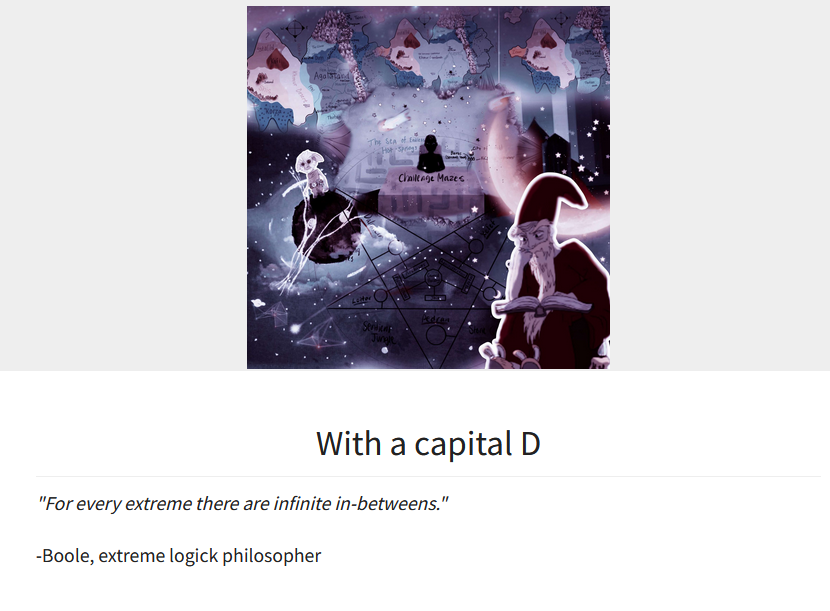
Starting chapters with epigraphs suggests that there’s something else with which the text is in conversation. (In historical fiction, this could be real historical sources; in scientific works, it could be earlier theories; in parody, it could be quotes from the target.)
In worldbuilding, you could use real-world quotes to imply that your world is in conversation with the actual world; or you could use quotes from fictional in-world sources to imply that your text is part of a larger in-world literary context. But in either case, it draws attention to the idea that the text is constructed, which may or not be what you’re going for.
@NickEast_IndieWriter @reading @books @fantasy @bookstodon @worldbuilding I've only seen it work effectively in a humourous context.
@NickEast_IndieWriter @reading @books @fantasy @bookstodon @worldbuilding I'm reading a book right now that does this. I think it's nice, like a sort of breather or bridge between chapters or maybe to set the mood for the coming.
@NickEast_IndieWriter @reading @books @fantasy @bookstodon @worldbuilding It depends how interesting and/or relevant it is.Dune actually only has quotes (imaginary) separating "chapters".Most of Terry Pratchett's Discworld novels have simple scene breaks and no chapter breaks*. Footnotes are annoying in fiction and eventually Pratchett stopped doing them. They also don't work well (or at all sometimes) in real ebooks as they don't have design-time pages.[* some others seem to lack chapters]
@NickEast_IndieWriter @reading @books @fantasy @bookstodon @worldbuilding I like it. Sets the mood. Maybe sets me on a path to read the work where the quote is from.
@NickEast_IndieWriter @reading @books @fantasy @bookstodon @worldbuilding Oh, and leadins such as small caps or drop caps reduce readibility and accessibility even on paper, They often fail in ebooks.No indent at start of chapter or after scene break, then 1.3em / 16pt indent for regular paragraphs. Only extra space between paragraphs on printed kids books if no indent.
all 8 comments