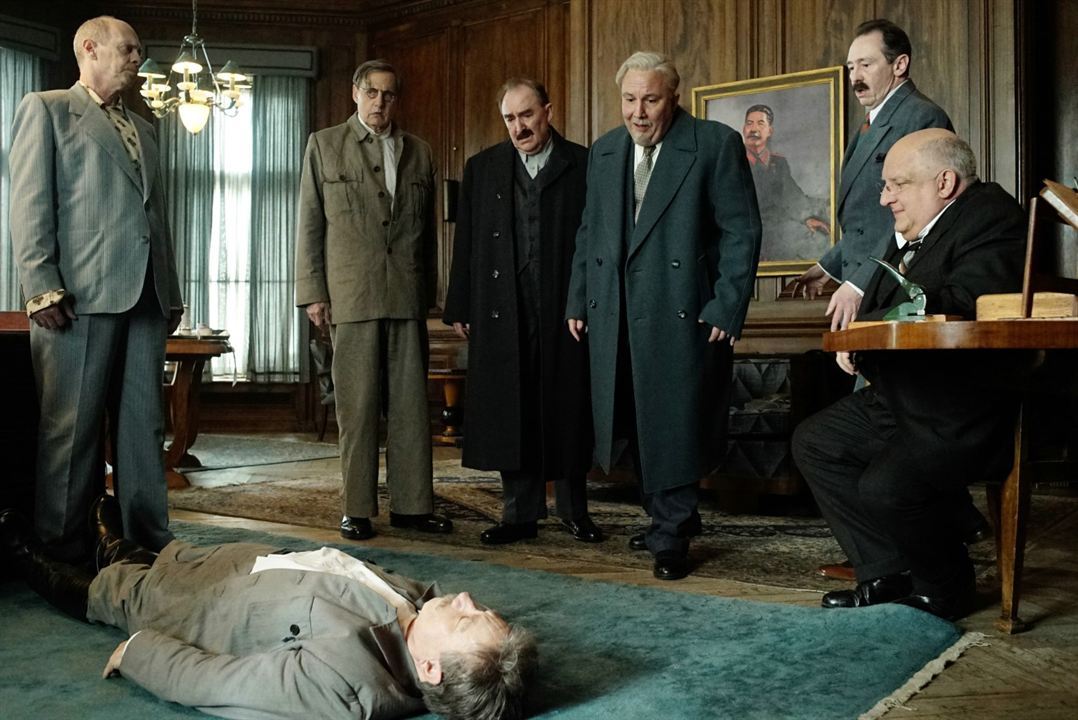
"Oh, this is calamity! Calamity! Oh no, he's on the floor!"
Welcome to MoG!
Meanwhile On Grad
Documenting hate speech, conspiracy theories, apologia/revisionism, and general tankie behaviour across the fediverse. Memes are welcome!
What is a Tankie?
(caution of biased source)
Basic Rules:
Sh.itjust.works Instance rules apply! If you are from other instances, please be mindful of the rules. — Basically, don't be a dick.
Hate-Speech — You should be familiar with this one already; practically all instances have the same rules on hate speech.
Apologia — (Using the Modern terminology for Apologia) No Defending, Denying, Justifying, Bolstering, or Differentiating authoritarian acts or endeavours, whether it be a Pro-CCP viewpoint, Stalinism, Islamic Terrorism or any variation of Tankie Ideology.
Revisionism — No downplaying or denying atrocities past and present. Calling Tankies shills, foreign/federal agents, or bots also falls under this rule. Extremists exist. They are real. Do not call them shills or fake users, as it handwaves their extremism.
Off-topic Discussion — Do not discuss unrelated topics to the point of derailing the thread. Stay focused on the direct content of the post, rather than engaging in arguments that lack mutual agreement.
Brigading/Trolling — If you're here because this community was linked in another thread, please refrain from maliciously voting, commenting, or manipulating the post in any way. This includes alt accounts. All votes are public, and if you are found to be brigading, you will be banned. Good-faith and honest communication is an exception.
Tankies can explain their views, but may be criticised or challenged for them. Any minor infraction of the rules may result in a warning and possibly a temporary ban.
In most cases, you'll be warned if you're violating the instance and community rules. Continuing poor behaviour after being warned will result in a ban or removal of your comments. Depending on the content, the ban time may vary.


