I'm Keynoting BSides Pyongyang at 3 PM ET, come check it out! Conference runs from 10:30 AM ET until 4 PM ET, tickets are free and all talks are livestreamed.. Lots of good content worth watching :)bsidespyongyang.com/2026/
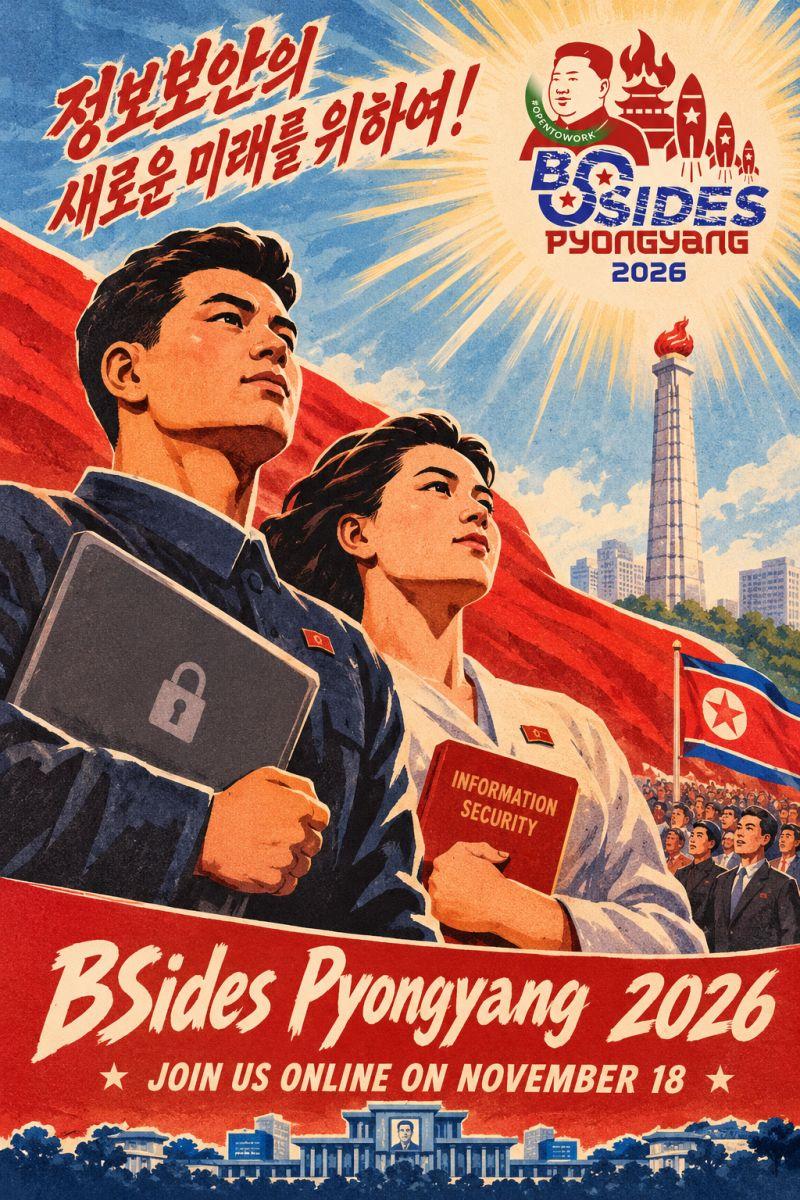
I'm Keynoting BSides Pyongyang at 3 PM ET, come check it out! Conference runs from 10:30 AM ET until 4 PM ET, tickets are free and all talks are livestreamed.. Lots of good content worth watching :)bsidespyongyang.com/2026/
@yodaluca23 Good catch, on second look, you're right. It's just a fake window instead of an OAuth redirect. Guessing some kind of realtime phishing proxy.
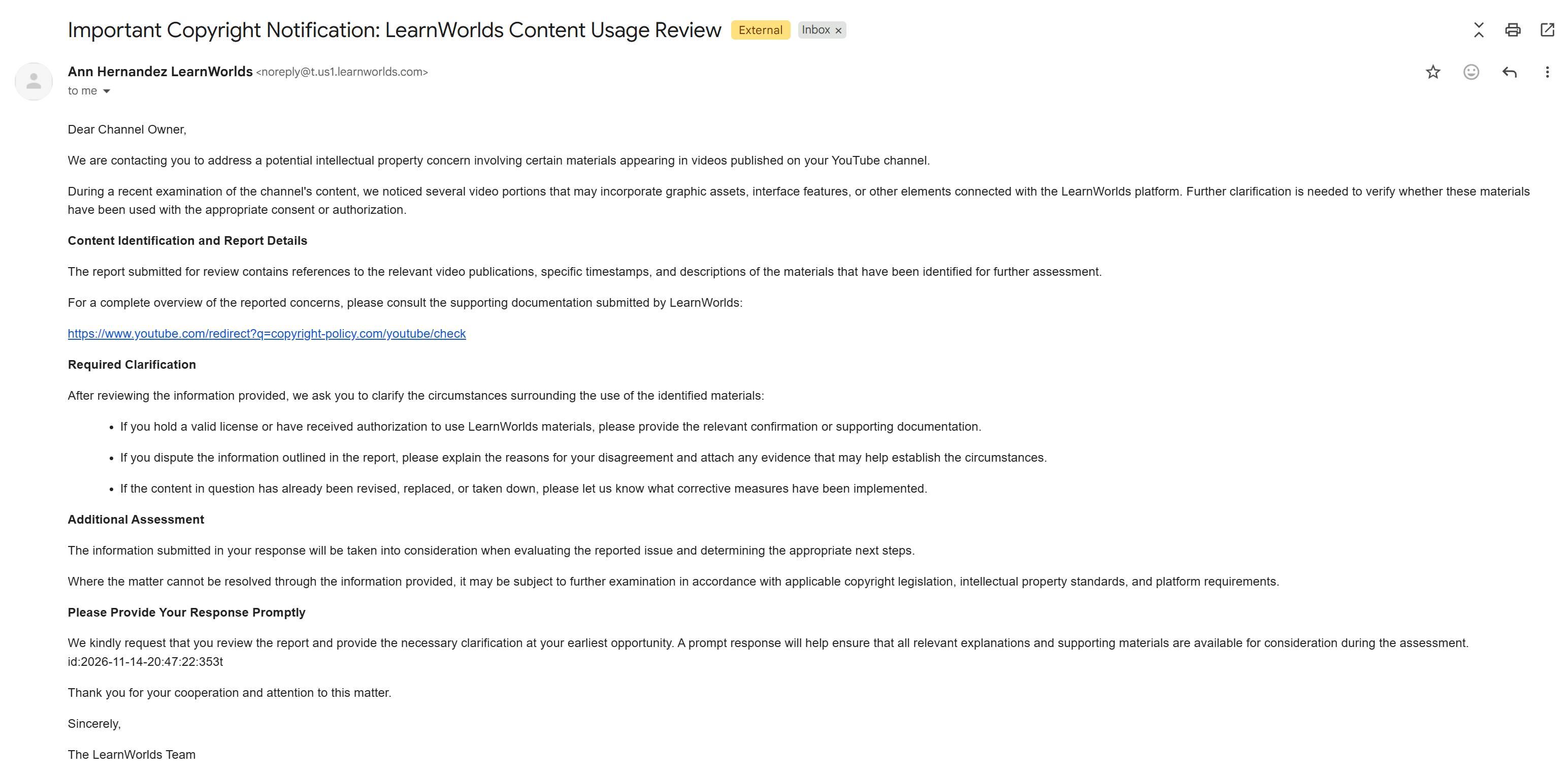
Just a head's up, it looks like LearnWorlds may have been hacked, and their mail server is currently being used to phish YouTube accounts (LearnWorlds is a major white-label online course platform, so you may not realize you're a user of their platform). This morning I received an email from LearnWorld's official mail server, claiming something I posted on my YouTube channel violated the company's copyright, and that I need to respond immediately. The email felt off. It cited no specific copyright violations, didn't reference my channel by name or link to any videos, was sent on a Saturday morning, and YouTube has a built-in copyright system to handle exactly this.On the second pass I realized the link it asks recipients to visit to handle the "copyright claim" is a YouTube redirect link. It uses the official YouTube url, but has an embedded redirect which takes you to a third-party website.The site is designed to look like an official YouTube webpage that enables users to review copyright claims against their channel. It contains both the YouTube and Google branding, as well as a very similar theme to the official YouTube one.The site asks users to look up their channel name to check for copyright claims, presents them with a fake copyright violation, then asks them to "verify" their channel. The channel verification button takes the user to what looks like a official Google OAuth sign in page, which if they log into, will give the hackers control over the Google account they sign in with, enabling them to steal both the Google account and associated YouTube channel.