[–] 2 points 2 months ago (2 children)

Then in 2023 DeSilva revised his argument in (link above, in the description), extending the date back, still not giving anwers about the shrinkage observed since 100.000 years ago.

yeah, from the last 3,000 to within the last 10,000 years, with the sharp decline ~5,000 years ago... which does line up with widespread adoption of agriculture still.

  • source
  • parent
  • context
  • [–] 2 points 3 months ago

    Circling back to the top post of this thread - people have earnestly reported resolving seasonal allergies by eating zero carb. There could be lots of reasons for it :

    1. They could be lying
    2. They could be deluded/placebo effect
    3. They had a sensitivity to some food they were eating and removed it
    4. They had a sensitivity to a toxin/chemical/pollutant that was on the food they were eating, and removed it.

    In the 3/4 scenario something they were eating in today's food environment was causing them to be sensitive to pollen. Our food environment is hugely different then even 100 years ago, so it's hard to say what exactly is the cause, but we have reports that people eliminating many variables can resolve their issue. For the OP of this entire post that is useful information for them to have.

    People have always eaten plants. A lot of plants.

    No doubt, but was it 85% of their energy like it is today? Or just opportunistic in season? Regardless it's off topic, the topic is allergies.

    I’d link to some some scientific papers but fuck Elsevier.

    If you have actually read a paper cover to cover, and are willing to discuss it indepth - I'd be happy to read it too and have a conversation.

    i like reading papers

  • source
  • parent
  • context
  • [–] 0 points 3 months ago

    no wonder you think eating meat cures hay-fever.

    If you read my comment, i was clear meat doesn't cure anything, its the removal of the foods that do sensitize some people to allergens that "cures" it.

    Way to hear only what you want to hear from my argument

    You didn't make a cogent argument that zero carb is a fad, we both established that humans have eaten zero carb for a very long time - so we agree the eating pattern is not new.

  • source
  • parent
  • context
  • [–] 1 point 3 months ago (6 children)

    Its the diet humans ate before agriculture, so its got some longevity to it. However, it doesn't cure anything, it just removes everything that could be causing problems - the diet didn't fix it, removing the problem fixed it.

  • source
  • parent
  • context
  • [–] 2 points 3 months ago*

    In addition to what other people have said, don't sleep on Intel gpus, they're great and they have great Linux compatibility. Even as vgpus for VMs.

    Get more RAM than you think you need, I know it's expensive, get more than you need.

    I do everything through virtual machines, so I have a Linux gaming virtual machine that gets the GPU passed through to it directly, and I have a Windows gaming virtual machine that gets the same GPU passed through to it. Both work fine, some things work better on one than the other. Anti-cheat is annoying especially in a VM. There's a ways to get around it, but if you can't or you don't want to, you can dual boot the machine directly into Windows. To make that easy simply have a full nvme drive just for Windows or Linux gaming if you want, and then boot directly into it when you need to go bare metal.

    That covers all my gaming use cases, so Linux gaming VM most of the time, Windows gaming VM sometimes, and bare metal windows on occasion.

    The benefit to using VMs, you can snapshot them easily, you can roll things back, you can limit the damage of bad games or mods you don't trust, you can have multiple things running on your computer at the same time. If you're running a game that doesn't need all of your CPU all of your RAM, they can be doing productive work as VMs, or when your not gaming the GPU can be doing stuff like jellyfin transcoding.

  • source
  • [–] 3 points 3 months ago (6 children)

    It's coincidental with the human adoption of farming. We changed the food source people have, and that impacted brain and body development. We absolutely see this modern day with malnutrition.

  • source
  •  

    In this high energy MeatStock 2026 keynote: Hundreds stand and share how many prescription medications they no longer need You discover the real financial impact your food and health choices are making against Big Food Big Pharma and Big Meat

    summerizerMetabolic recovery and money flows

    • The audience was once metabolically sick with diabetes, fatty liver, obesity, psoriasis, PCOS, eczema, acne, brain fog, and low hope.
    • The core story is that their bodies were not broken; they were misfed and misled, and dietary change restored hope and agency.
    • Audience members who stopped prescription drugs through a proper human diet removed about $40 per month per stopped drug from pharmaceutical revenue.
    • Former breakfast-cereal, orange-juice, skim-milk, waffle, and toaster-pastry habits sent about $4 per day, or about $1,500 per year, to major food companies.
    • Buying meat, eggs, or fish from local farmers, ranchers, and regenerative farms redirects about $1,100 per year away from major meat packers.
    • Each proper-human-diet meal, stopped prescription, and local meat or egg purchase moves money and power back into families, churches, civic groups, and local farms.

    National politics and corporate leverage

    • MAHA promised healthier children and less chronic disease, but the cereal change named here removes artificial dyes while leaving sugar in place.
    • Cutting cereal sugar to child-appropriate daily intake would damage cereal profits more than dye removal and would make sweet cereals taste plain.
    • Food companies, pharmaceutical companies, and meat packers have lobbyists, paid research, regulatory pathways, public reimbursement, and safety messaging that protect their revenue.
    • Ordinary people lack comparable lobbying power in Washington, but family, church, and local community influence are available immediately.
    • Change at home matters more than tweeting at national institutions because relatives and neighbors can see visible health changes.
    • The economic and cultural task is to stop acting as patients, customers, consumers, and sheep, and to act as teachers, leaders, missionaries, rebels, and lions.

    Proper human diet as community mission

    • A proper human diet is the tool for weakening big food, big pharma, and big meat, and the carnivore diet is the sharpest edge of that tool.
    • People back home are still buying medicines, sugar cereal, and big-box meat because they have not heard or seen a different path.
    • Loved ones may blame age, genetics, broken bodies, or chronic disease inevitability because nobody has shown them a food-based path through words and example.
    • The strongest first step is to fix personal health enough that family, friends, and church members notice improved health, mood, energy, and motivation.
    • Formal degrees are not necessary to teach another human being how to eat; mothers, grandmothers, and ordinary people did that before modern institutions.
    • The audience is urged to stop apologizing, stop whispering about the food that helped them, and stop seeking permission to use food for health.

    Local action and fluoride

    • Local activism begins with knowing whether municipal water contains fluoride and taking part in city or town decisions.
    • The Camden, Tennessee anecdote centers on a 2014 city council vote that removed fluoride from the municipal water supply.
    • The dentist in that anecdote predicted more cavities and dental abscesses among children, and the promised 12-month evidence of a noticeable increase never arrived.
    • Doctors and dentists are ordinary people with credentials, and professional education does not make them immune to institutional propaganda.
    • Some forms of propaganda can attract highly educated professionals because credentials, societies, and colleagues can make institutional messages feel authoritative.

    Sugar, immune function, and low-carb research

    • A 1973 paper is used for the point that simple sugar intake lowered neutrophil phagocytic function for up to five hours.
    • The sugar point is connected to breakfast cereal because dye removal leaves sugar able to impair immune function after a sugar-sweetened meal.
    • Carnivore and low-carb eating are linked with optimized immune function, while the audience question centers on the 1973 sugar paper.
    • Virta Health work and ADA low-carbohydrate guidance are examples a doctor might find after seeing repeated patient diabetes reversals.
    • Repeated patient outcomes can become data for a doctor because one case may be ignored, while several similar cases can trigger literature searching.
    • Low-carb and carnivore diets are low-carbohydrate diets, and they are connected here with type 2 diabetes reversal and fewer wound infections.

    Q&A tactics for family and clinicians

    • Family conversations start with the person's pain point: belly fat, acne, infertility, severe periods, joint pain, gut symptoms, or another urgent problem.
    • Leading by example matters because advice from a visibly sick and unhappy person lacks force.
    • A person does not need a finished transformation, a magazine-cover body, or perfect health to influence others.
    • Older adults, people recovering from anorexia, and Berry's own anger reduction show visible change beyond weight.
    • Clinicians can learn from patients who reverse type 2 diabetes with diet and from patient-supplied videos, studies, and lab results.
    • Some clinicians agree privately with low-carb or carnivore advice but face insurance, employer, HMO, bonus, or job constraints.
    • An audience physician adds compassion for doctors through six physician friends who died by suicide from burnout in the system.
    • Doctors are not the enemy; they can be stuck in a system that limits diet advice and appointment time.
    • Patients may still need labs and refills, but they may not need a keto or carnivore doctor for dietary advice.
    • A practical doctor relationship can be limited to labs, refills, and monitoring, with diet learning coming from experienced low-carb or carnivore clinicians and communities.
    • Scientific papers in video resource lists can be printed for doctors who ask how diet can reverse type 2 diabetes.

    Community institutions and health coaching

    • Local change can target kindergarten, daycare, hospitals, churches, potlucks, and dessert tables.
    • Children receive sugar with more sugar plus seed oils in institutional food settings.
    • Church food culture can be challenged through the idea that the body is a temple and a large dessert table may not honor that idea.
    • People can help by telling their story, leading by example, becoming health coaches if called, or helping before their own story feels complete.
    • A certification is not required for health coaching.

    References


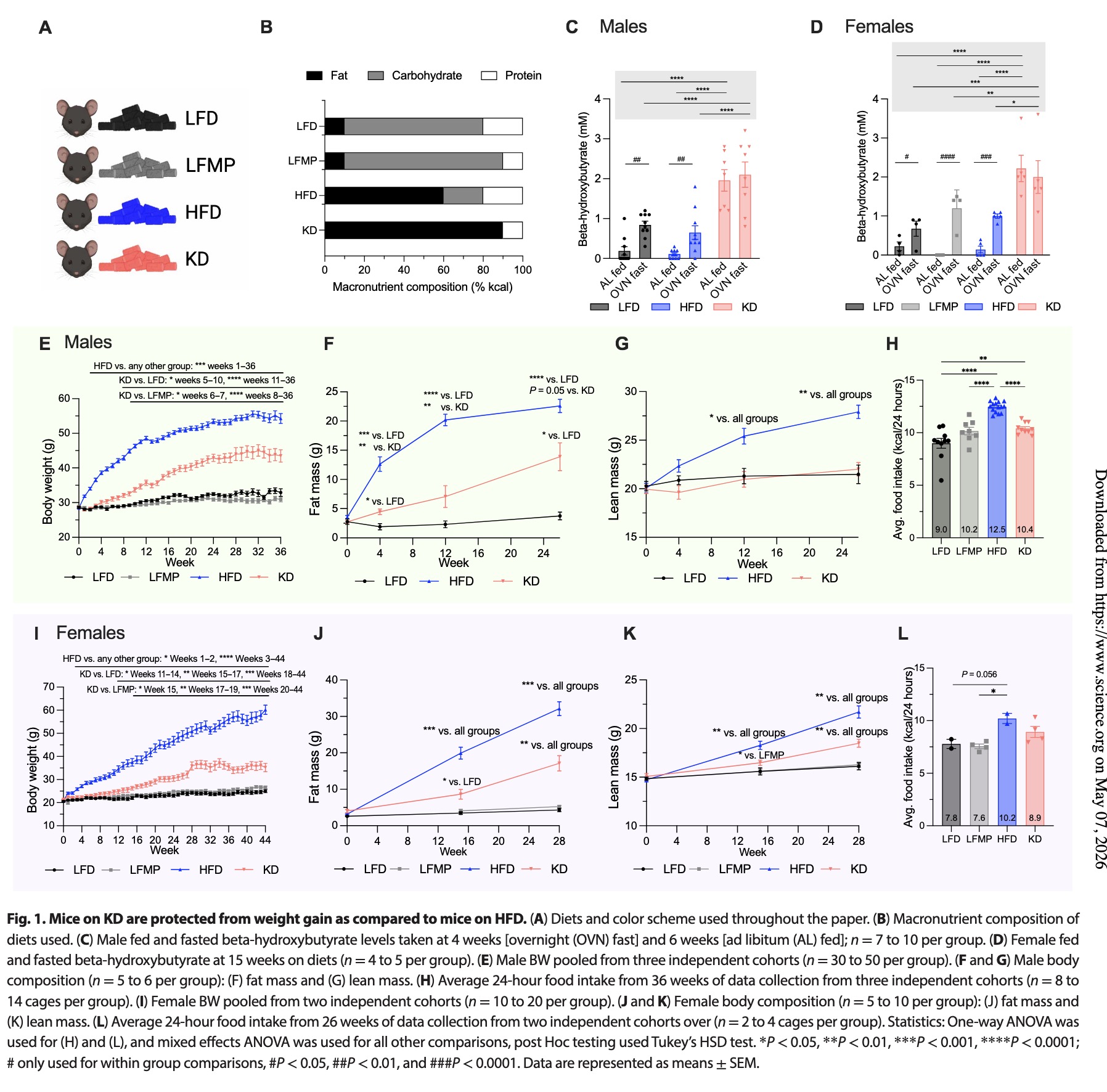
    Ketogenic diets (KDs)—very-low-carbohydrate and very-high-fat diets—have gained popularity as therapeutic against obesity and type 2 diabetes. However, their long-term effects on metabolic health remain understudied. Here, we show that, in male and female mice, a KD protects against weight gain and induces weight loss but over time leads to the development of hyperlipidemia, hepatic steatosis, and severe glucose intolerance. Unlike mice on conventional high-fat diet, KD-fed mice remain insulin sensitive and display low-insulin levels. Hyperglycemic clamp and ex vivo glucose-stimulated insulin secretion assays revealed systemic and cell-intrinsic impairments in insulin secretion. Transcriptomic profiling of islets from KD-fed mice indicated endoplasmic reticulum (ER)/Golgi stress and disrupted ER-Golgi protein trafficking, which were confirmed by electron microscopy showing a dilated Golgi network consistent with defective insulin granule trafficking and secretion. Together, these results suggest that long-term KD leads to multiple aberrations of metabolic parameters that caution their systematic use as a health-promoting dietary intervention.

    Full Paper - https://doi.org/10.1126/sciadv.adx2752


    TLDR: If your doing keto then you need to do a 3 day 150g/day carb refeeding before a OGTT to prime the pancreas to have a cache of insulin so that you can pass the test as a normal carb eater.

    With the emergence of glycated hemoglobin as a diagnostic test for diabetes, oral glucose tolerance tests (OGTTs) have become rare in endocrinology practice. As they have moved out of favor, the importance of patient instructions on preparation prior to OGTT has faded from memory. Decades-old literature, well-known to endocrinologists a generation ago, emphasized the importance of carbohydrate intake prior to OGTT. In this expert endocrine consult, we discuss an OGTT performed in a research setting without adequate carbohydrate intake at the evening meal prior to the OGTT. The resultant elevated plasma glucose levels at 1-hour and 2-hours mimicked the loss of first-phase insulin release seen in early type 1 and type 2 diabetes. With clinical concern that the research participant had evolving type 1 or type 2 diabetes, the volunteer was subjected to additional testing and experienced anxiety. Repeat OGTT was normal after adequate carbohydrate intake (>150 grams/day and >50 grams the evening prior to overnight fast for the study). The physiology of this phenomenon is explored and is likely mediated through beta cell adaptation and alteration in peripheral glucose uptake in response to nutrient exposure. The learnings of decades ago have clearly faded, and this literature should be revisited to ensure that OGTT results are not compromised when ordered for clinical or research purposes.

    Full Paper - https://doi.org/10.1210/jendso/bvab049


    From my reading I don't think it is possible, but I'm open to learning how one can achieve a zero carbohydrate diet using only plant foods. @Resonosity@lemmy.dbzer0.com has graciously offered to look into the matter.

    Motivation - Why zero carb matters:

    • Carbohydrates end up in the blood stream as glucose
    • blood glucose is a direct driver of insulin
    • persistently elevated insulin is a serious health concern
    • cancers can only metabolize glucose, and cannot perform oxidative phosphorylation - i.e. they only run on glucose, so carbohydrates feed cancers.

    why chronic hyperinsulinemia is bad:

    • type 2 diabetes
    • high blood pressure
    • atherosclerosis
    • pcos
    • visceral fat
    • ectopic fat (i.e. snoring)

    Functional differences between pbf and abf:

    • plant sterols interfere with human cholesterol signaling, we are made of cholesterol, this leads to higher inflammation and lower ldl (that is actually a bad thing)
    • lectins and inflammation - most pbf have lectins inside of them, these lectins bind to cells throughout the body which leads to autoimmune responses (from mild inflammation, to full anaphylactic shock)

    nice to have's on a zero carb diet:

    • local food that doesn't have to be shipped around the world
    • regenerative agriculture, there is no top soil without ruminants
    • farming without external inputs like industrial fertilizer
    • food without pesticide residue
    Rainy day vibes (hackertalks.com)
     

    Lunch: ground beef eggs and coffee

    Paper: The effective consuming diets containing beef compared with plant-based beef substitute on human milk composition in the study of nutrition and postpartumin early life randomized crossover feeding trial.

    Vibes: carnivore chill


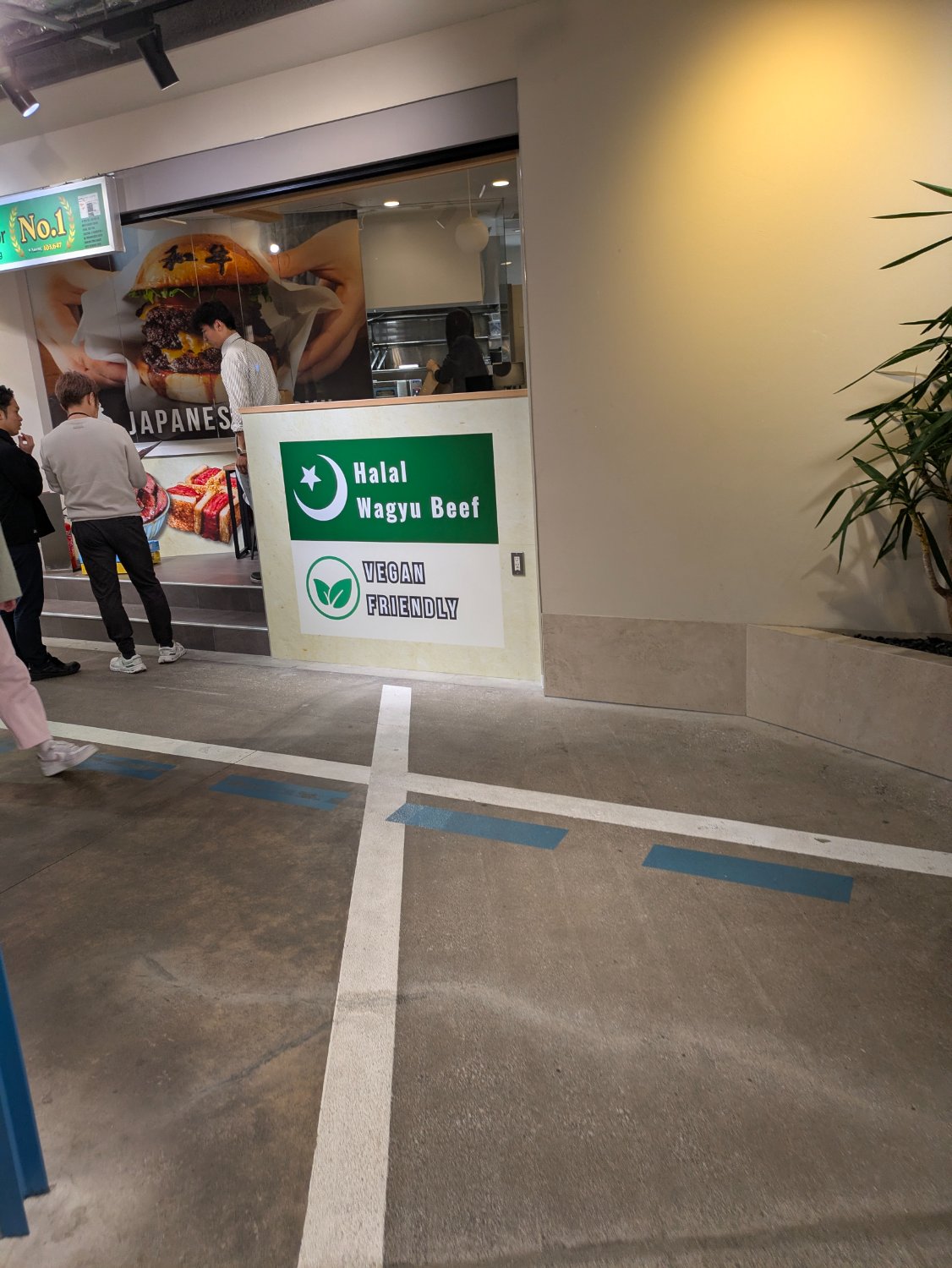
    I just spent two weeks in Japan, had a great time, and I was 95% clean the whole trip.

    My traveling tips:

    • Don't worry about perfection, good enough works

    Making do with dirty food - Scrap off the sauces, use rice or a napkin to get the rest of the sauce. When able order "whole cuts" of meat that are cooked externally that way the bulk of the nutrition is clean.

    • Seed oils are everywhere

    It's just going to happen, don't worry about it until you get back - every grill is going to use oil, even the fancy steak houses use seed oil to get the salt to stick to the meat...

    • When you find clean food - Eat a lot!

    When you do find a seed oil free/clean meat while traveling, don't be stingy - eat and eat until your double stuffed.

    • Fasting is fine

    If your already fat adapted before the trip, you know skipping meals for a day or two is no big deal - if there are not any good food options and your not hungry - skip it!

    • Social Eating

    Ordering a coffee and constructively playing hocky with a table salad while your friends eat their food is a good social lubrication.

    • Combinis!

    Every convenience store had carnivore options, and not just options but really great inexpensive food. The best options were at 7/11. The chicken stick, the grilled tongue, the sashimi... A few days I would "eat" with friends, then load up on convince food before going back to the hotel.

    • Pooping

    Congratulations! You are on carnivore, you only have to poop when you want to!

    Caution - You are on carnivore, your gut is optimized for clean meat - if you eat some risky food or some dirty keto - you might have to make a quick trip to the restroom. I had this happen twice, and both times I knew the food I was eating was a bit dodgy. One and done, so not really a big deal, but not something I encounter at home. The biggest issue was trying out "fondue" which used a "cheese sauce" and not real cheese - about 1 hour later I had a mandatory bathroom visit.

    • Trust your tongue

    If something tastes weird or sweet - it is! You don't have to eat it. I ordered a 4 beef patty burger, and it just tasted wrong... upon dissecting it - bread crumbs and onions were at least 50% of the weight.

    • Diabetes

    If your going to tell people to modify the menu, it helps to just say you have diabetes and can't eat carbohydrates. It's not quite true, but its a useful statement to get people onboard. Google Translate "I have diabetes. I don't want to eat any Carbohydrates. Can I have this dish without the sauce/bread/rice?" worked pretty well!

    • Avoid butter

    Butter is a carnivore staple, but when your out and about you can't tell if its real butter or a seed oil soup, given how prices are its probably mostly seed oils with emulsifiers. I just skipped all butter I didn't buy myself.

    • Temptation!

    Temptation is everywhere, especially traveling. Every trigger, every habit, every social pressure will be tested. Try to be well fed before getting to the airport, especially if your just starting out. Food smells have power, street food vendors love to pump out sweet smells - don't be afraid to pop into a convenience store and eat a egg or some cheese to just reduce temptation.

    Hotel mini-bars and hotel gifts of sweets in the room... even more temptation! Just be ready for it.


    What are your traveling tips?


    We propose that brain energy deficit is an important pre-symptomatic feature of Alzheimer’s disease (AD) that requires closer attention in the development of AD therapeutics. Our rationale is fourfold: (i) Glucose uptake is lower in the frontal cortex of people >65 years-old despite cognitive scores that are normal for age. (ii) The regional deficit in brain glucose uptake is present in adults <40 years-old who have genetic or lifestyle risk factors for AD but in whom cognitive decline has not yet started. Examples include young adult carriers of presenilin-1 or apolipoprotein E4, and young adults with mild insulin resistance or with a maternal family history of AD. (iii) Regional brain glucose uptake is impaired in AD and mild cognitive impairment (MCI), but brain uptake of ketones (beta-hydroxybutyrate and acetoacetate), remains the same in AD and MCI as in cognitively healthy age-matched controls. These observations point to a brain fuel deficit which appears to be specific to glucose, precedes cognitive decline associated with AD, and becomes more severe as MCI progresses toward AD. Since glucose is the brain’s main fuel, we suggest that gradual brain glucose exhaustion is contributing significantly to the onset or progression of AD. (iv) Interventions that raise ketone availability to the brain improve cognitive outcomes in both MCI and AD as well as in acute experimental hypoglycemia. Ketones are the brain’s main alternative fuel to glucose and brain ketone uptake is still normal in MCI and in early AD, which would help explain why ketogenic interventions improve some cognitive outcomes in MCI and AD. We suggest that the brain energy deficit needs to be overcome in order to successfully develop more effective therapeutics for AD. At present, oral ketogenic supplements are the most promising means of achieving this goal.

    Full Paper - https://doi.org/10.3389/fnmol.2016.00053

    .


    I found this testimonial very moving, it centralizes many of the metabolism brain issues in the literature and adds a well spoken personal spin.

    Brendan talks about his journey on the carnivore diet.

    summerizerCarnivore entry and early changes

    • Brendan found carnivore in 2018 through a What I've Learned video that introduced Mikhaila Peterson and made all-meat eating seem possible.
    • Brendan already had diet troubles, including gluten, nightshades, and other plants, so plant defense chemicals did not feel foreign to him.
    • A testimony from someone who seemed exactly like Brendan gave the diet a relatable path that facts alone had not given him.
    • Brendan threw out vegetables, potatoes, grains, and moved straight into carnivore.
    • The early transition brought oxalate-dumping trouble because Brendan had moved suddenly from a high-oxalate diet to a very low-oxalate diet.
    • Brendan did not manage oxalates at the time because he did not yet know what they were, and the symptoms later dissipated.
    • Oxalate foods still make a major difference for Brendan when he slips up, and symptoms can come back.
    • Looking back, Brendan was pale, a bit anemic, and low on iron markers before carnivore.
    • Anxiety had felt normal for most of Brendan's life until it stopped, and then calm, confidence, and groundedness were obvious.
    • Mild gender dysphoria also changed, and carnivore was the first time Brendan felt masculine and confident in the way he thought he should.
    • Brendan used to get sick one to three times each year, and now he does not get sick.
    • Brendan used to bruise easily, and after years on carnivore he no longer sees bruising even after a hard baseball hit.

    Pallor, blood, color vision, and visible health

    • Physical health and mental health improved together, and the diet also changed Brendan's worldview.
    • Brendan had been anxious about climate change, society, and the world, and that outlook shifted toward calm live-and-let-live thinking.
    • No new reasoning changed Brendan's mind; his physiology changed, and the same world looked different.
    • Brendan started seeing a pattern: people with gender dysphoria or mental illness often seemed to have pallor in the skin.
    • Pallor can come from low melanin after little sun, or from lack of blood under the skin and loss of a rosy glow.
    • Human and some primate red-green vision makes sense as a way to see blood under skin.
    • Red-green vision helps humans see emotions such as blushing, anger, and fear, and health signals such as bruising, greenish sickness, cyanosis, circulation, and fertility cues.
    • The pattern Brendan noticed joined anemic pallor, mental illness, gender dysphoria, and a woke social-justice outlook.
    • The pattern was far more common in women, and Brendan connected it to higher anemia risk in women.

    Anemia, oxygen, and mental symptoms

    • Brendan began to see mental health as a reflection of physical health.
    • Chronic anxiety can come from inner physiological signals that things are bad, not only from the outside world.
    • High-altitude material connected oxygen shortage with higher suicide, depression, anxiety, hallucinations, and delusional thinking.
    • Holding the breath shows how less oxygen and more acidity can produce panic without any psychological trigger.
    • Anemia means lack of blood, and less blood means less oxygen delivery to tissues, especially the brain.
    • Low oxygen and rising acidity activate brainstem pathways for more breathing and panic; the desire to breathe and anxiety use the same pathways.
    • Iron matters mostly through hemoglobin and oxygen transport, not mainly through a small brain enzyme.
    • About 80% of iron usage goes toward hemoglobin production, and oxygen is needed by nearly every tissue.
    • The brain is only about 2% of body weight but uses about 20% to 25% of body oxygen.
    • Neurons rely on aerobic metabolism, and other cells help supply them with oxygen, lactate, glucose, and waste clearance.
    • Depression fits the same energy pattern: low energy makes conservation adaptive, like the behavior of a sick child.
    • Carnivore benefits are often talked about as ketosis and protein, but oxygen and anemia need to be central in mental-health conversations.
    • Diet worsening, larger body size, less animal food, more ultraprocessed plant-based food, and low oxygen move together in the pattern.

    Iron, plant foods, and absorption

    • People in iron-deficiency groups often want to fix iron deficiency without meat or red meat, using spinach or beetroot.
    • Plant foods will not fix iron deficiency in Brendan's view; animal heme iron is needed.
    • Tannins, phytates, oxalates, and soy inhibit iron absorption and create a double problem with low heme iron intake.
    • Avoiding plant foods high in those compounds can improve the situation for some people.
    • Coffee may matter because of tannins.

    Anemia testing and blood volume

    • The medical anemia test is wrong because hemoglobin concentration is used as total blood amount.
    • Concentration does not equal total amount; a person with three liters of blood can match a person with five liters on hemoglobin concentration.
    • In that example, the person with three liters delivers only 60% of the oxygen delivery of the five-liter person.
    • Carbon monoxide rebreathing can calculate total hemoglobin mass and blood volume for performance research, but it is not routine clinical testing.
    • Papers say the method is now widely available, cheap, simple, and safe, yet routine care still does not use it.
    • Ferritin is the storage protein for iron; below 30 is bad, and the target Brendan gives is around 100 to 200.
    • Low ferritin means the body is starving for iron and cannot make enough red blood cells.
    • Paleness in anemia is not just hemoglobin concentration; blood volume and blood distribution explain blushing, blanching, and many symptoms.
    • Hypovolemia helps make sense of dyspnea, restless legs, hair-growth problems, and shared symptoms of iron deficiency with or without anemia.

    Young women, red meat, and the book

    • Young women are particularly affected because menstruation, pregnancy, childbirth, rapid growth, and lower testosterone raise blood and iron demands or reduce erythropoiesis.
    • Women also tend to eat less meat and especially less red meat, with red meat maybe culturally seen as masculine.
    • Anti-red-meat health and climate messaging is especially troubling for teenage girls in this model.
    • Beyond the Pale is Brendan's book on anemia as the visible yet unseen cause of mental illness and gender dysphoria.
    • Brendan wrote the book because videos had limited reach and one video on gender dysphoria seemed flagged after doing well.
    • Brendan has read a couple hundred studies on the topic, and scientists and researchers do not understand the anemia and mental-illness connection properly.
    • Iron deficiency is hard to solve, and not everyone is willing to eat large amounts of red meat.
    • Altitude sickness gives an analogy: poor sleep and suffocation alarms can occur, and women may be more prone because they begin with less blood for oxygen delivery.
    • With anemia, limited blood goes to vital tissues first, so the digestive system may get less blood and nausea, poor appetite, and low desire for meat can follow.
    • Meat may be easier to digest overall, but it has a higher upfront stomach-and-intestine cost than crackers or some plant foods.
    • People who need meat the most can be prone to not wanting it, especially if iron deficiency began before or during development.
    • The book identifies the problem and does not give recommendations; Brendan's advice outside the book is to eat much more meat, especially red meat.
    • Darker meat typically has more iron than lighter meat, such as dark chicken meat versus white chicken meat.
    • Brendan would also remove high-oxalate, high-phytate, high-tannin foods and soy, while using plain carbohydrates such as white rice or bread if tolerated.
    • Plants can be eaten by choice, but they should not be relied on to fill nutritional reserves.

    References


    In this hard-hitting interview, Dr. Ken Berry and PhD researcher Dr. Isabella Cooper (@I_mitochondria) blow the lid off why so many women fracture easily despite “normal or great” bone density scans. Dr. Cooper opens with her groundbreaking paper on hyperinsulinemia-osteofragility — how excess insulin quietly destroys bone quality while scans look fine.

    They then unpack Insulin-Compensated Euglycemia (ICE): millions walk around with perfect glucose and HbA1c while sky-high insulin nukes their mitochondria and shuts down ketosis. Dr. Cooper explains her Homeodynamics paper, proving chronic hyperinsulinemia plus zero ketones wrecks autophagy, mitophagy, and drives accelerated ageing.

    Her landmark KetoSAge trials deliver the receipts: healthy, lean, long-term keto women were forced onto official “healthy eating guidelines.” Insulin, IGF-1, inflammation, and liver enzymes exploded while protective SHBG crashed — clear evidence that mainstream carb-heavy advice may fast-track ageing and cancer signaling. The damage reversed the moment they returned to ketosis.

    The conversation closes with cancer as a metabolic-endocrine-bioenergetics disease, glucose + glutamine addiction, and a remarkable stage IV breast cancer near-complete remission case using therapeutic ketosis and metabolic support instead of toxic chemo alone. Eye-opening, controversial, and full of hope for anyone tired of “your labs are normal” gaslighting.

    summerizerBone density and bone quality

    • Bone mineral density is an incomplete proxy for bone health, because bone quality determines fracture risk more directly.
    • Normal or high DEXA results can give false reassurance when bone is mineralized but brittle.
    • Fragility fracture risk in this model is not only porous osteoporosis; it can also involve dense, fossilized, low-ductility bone.
    • Strong bone needs torsion strength and ductility, not just more mineral mass.

    Bones, metabolism, and mental health

    • Bone is biologically active tissue connected with insulin sensitivity, weight regulation, brain health, and pancreatic function.
    • Poor bone quality connects with anxiety, stress, depression, gestational diabetes risk, and fetal development in this model.
    • Bone health affects the developing baby through maternal metabolic health, with downstream relevance to anxiety, depression, and IQ.
    • Bones are not passive scaffolding; they are part of whole-body metabolic regulation.

    Hyperinsulinemia and fracture risk

    • Too much insulin is the core metabolic problem, and hyperinsulinemia is the preferred term over insulin resistance.
    • Type 2 diabetes can involve normal or high bone density while fracture risk remains elevated.
    • A matched cohort of type 2 diabetes patients linked insulin therapy with a 38% higher fracture risk than nonuse.
    • A male type 2 diabetes cohort over age 65 linked higher bone mineral density with higher fragility fracture risk.

    Glucose-centered medicine and ICE

    • Normal glucose can hide excessive insulin demand when insulin keeps glucose in range.
    • ICE means normal-looking glucose maintained by too much insulin, while ketosis is suppressed.
    • Glucose tests, HbA1c, and HOMA-IR are useful but insufficient for detecting personal hyperinsulinemia.
    • Evening ketones under 0.5 mmol/L across repeated days can signal that insulin is high enough to suppress ketogenesis.

    Glucose lowering trial and mortality

    • The Action to Control Cardiovascular Risk in Diabetes trial found that glucose lowering through more intensive drug-driven insulin exposure increased mortality.
    • The danger was the method used to lower HbA1c, not a healthy lower HbA1c achieved through diet and lifestyle.
    • Better glucose regulation should come from lowering insulin demand, with diet as the largest driver.
    • Sleep, nighttime light exposure, sympathetic stress, and some medications can also affect glucose and insulin dynamics.

    Aging, insulin, IGF-1, and ketones

    • Modern aging includes longer life through drugs but earlier chronic disease and longer morbidity.
    • Dementia, cardiovascular disease, stroke, and cancer are too-much-insulin conditions in this model and occur earlier with chronic hyperinsulinemia.
    • Cross-species whole-life animal data connects longevity and healthspan with low insulin and low IGF-1, not zero insulin or zero IGF-1.
    • The goal is a homeodynamic range with the least insulin and IGF-1 needed for maximal function.

    Redox biology and cellular repair

    • Chronic high insulin demand consumes and impairs endogenous antioxidant systems.
    • Ketogenesis above 0.5 mmol/L signals insulin is low enough to allow fatty-acid burning and ketone production.
    • Low insulin with ketones supports antioxidant production, autophagy, mitophagy, mitochondrial biogenesis, and cellular cleanup.
    • Chronic suppression of ketogenesis shifts cells away from repair and toward aging, senescence, and poorer tissue function.

    Protein, stomach acid, and osteopenia

    • Ketosis may improve protein recycling, but damaged proteins such as glycated proteins still need disposal.
    • Osteopenia or osteoporosis can coexist with real nutrient deficits, so high-quality whole food protein remains important.
    • Whole-formed protein gives digestive and intestinal signaling that hydrolyzed protein does not fully duplicate.
    • Hyperinsulinemia can damage stomach acid production, impair digestion, and worsen micronutrient absorption.

    Osteoporosis drugs and acid suppression

    • Bisphosphonates can irritate the stomach lining.
    • Acid blockers are often paired with bisphosphonates for reflux symptoms.
    • Acid suppression can worsen the underlying digestion and nutrient-absorption problem.
    • Symptom control without metabolic repair can compound the bone-health problem.

    KetoSAge findings

    • In the KetoSAge work, lean healthy long-term keto-adapted women had ketosis deliberately suppressed by a guideline-style diet.
    • Suppressed ketosis increased insulin, IGF-1, inflammatory markers, liver markers, glucose, and respiratory quotient.
    • Sex hormone binding globulin fell during ketosis suppression and returned toward baseline when nutritional ketosis resumed.
    • Testosterone, estradiol, progesterone, and related reproductive hormone patterns did not show harmful disruption in that cohort.

    Thyroid, HOMA-IR, and RQ

    • Low T3 in a ketogenic phenotype is not automatically hypothyroidism.
    • Low T3 can reflect efficient fat and ketone metabolism when HOMA-IR, ketones, and clinical context are healthy.
    • Low T3 with suppressed ketogenesis can reflect insulin-driven thyroid stress and impaired iodine handling.
    • Respiratory quotient can show whether fasted resting metabolism is mainly using fat, carbohydrate, or protein.

    Cancer metabolism and therapeutic ketosis

    • Ketosis is not a stand-alone cancer cure, and standard cancer care still has a place.
    • Therapeutic ketosis can improve chemotherapy efficacy and reduce toxicity burden in this model.
    • Cancer is defined here by chronic overproliferation plus loss of apoptosis.
    • Metabolic health and low insulin demand can lower the drive toward overproliferation and impaired cell cleanup.

    Insulin, mitochondria, and cancer signaling

    • Excess glucose and insulin raise mitochondrial oxidative stress and inflammatory signaling.
    • HIF-1 alpha, NF-kappa-beta, inflammasomes, and TNF-alpha push cells toward glycolysis and division.
    • Overactive HIF-1 alpha and mitochondrial stress shut down autophagy, mitophagy, and mitochondrial biogenesis.
    • Replicating damaged cellular machinery compounds dysfunction.

    Glucose, glutamine, and dairy in cancer

    • Glucose feeds much of the cancer energy demand, while insulin gives proliferation and anti-apoptosis signals.
    • Glutamine is life-essential, but glutaminolysis in this model sits downstream of glucose and insulin pressure.
    • People with cancer are advised here to avoid milk, yogurt, kefir, and cheese.
    • Dairy is portrayed as hyperanabolic because whey, casein, IGF-1, lactose, and glutamine together activate growth pathways.

    Serum insulin testing and prevention

    • Serum insulin should be checked with glucose, HbA1c, thyroid, and bone-related bloodwork.
    • Elevated insulin can occur before overt diabetes, prediabetes, cancer, dementia, cardiovascular disease, and bone fragility.
    • UK access to insulin testing is limited unless diabetes or prediabetes is already recognized.
    • Wider insulin testing and cheaper point-of-care insulin assays would support prevention.

    Medical education and chronic disease care

    • Endocrine education remains glucose-centered in this account.
    • Professional education often centers new drugs for hyperglycemia or reflux and leaves root pathology unresolved.
    • Acute medication has a valid role, but chronic disease care should improve the condition and reduce medication burden over time.
    • A patient whose chronic condition worsens while medications multiply may need a different clinical approach.

    References


    Title is clickbait: why saturated fat is still bad for you, is a more accurate title

    The new food pyramid was built by corporate interests.

    General Mills, Danone, the beef industry, and more had financial ties to the scientists writing the new dietary guidelines.

    RFK said he couldn't be bought, then he let Big Food write the nutrition guidelines.

    summerizerFood confusion is manufactured

    • Nutrition advice feels chaotic because money floods every contested food question.
    • Eggs, milk fat, seed oils, beef tallow, cane sugar, and corn syrup all sit inside paid battles over public opinion.
    • The basic question is what remains when corporate money is filtered out of nutrition advice. Cooking becomes the test case
    • The meal is built with Caitlyn, a nutrition scientist with no conflicts of interest.
    • Caitlyn's practical rule is simple: eat vegetables, do not overthink single ingredients, and make the meal good enough to repeat.
    • Dairy shows the problem because much of the health research around it is funded by the dairy industry. Industry cash bends science before it reaches the public
    • Food trade groups fund studies for vegetables, fruit, nuts, grains, dairy, meat, eggs, sugar, and corn sweeteners.
    • The almond-versus-muffin example shows how a weak comparison can still produce a useful marketing line.
    • Avocado research shows how a well-funded board can give one food an outsized health halo.
    • Meta-analyses can absorb these studies and make the evidence harder to read.
    • Food-company money changes outcomes; one study found all-industry beverage papers over seven times more likely to favor the sponsor.
    • Industry money makes clean guideline panels hard because many experts have ties to food, pharma, or trade groups.

    Lobbyists shape the government language

    • The strongest influence comes when industries push the government away from direct advice to eat less of their products.
    • In 1977, meat-industry pressure helped move language away from lower meat intake and toward softer wording about animal fat choices.
    • Since 2005, final guidelines come from federal agencies with political appointees, not only the expert committee.

    The 2025-2030 guidelines do not escape the problem

    • RFK Jr. pledged to remove conflicts from dietary panels, then selected a new pathway aligned with meat, dairy, and supplement interests.
    • The older committee centered beans, peas, lentils, and leaner proteins before outside pressure shifted the process.
    • The new pyramid puts protein at the top and rests on a small scientific base with several disclosed industry ties.
    • Beef checkoff research enters the evidence stream through marketing systems such as "Got Milk" and "Beef. It's What's for Dinner."

    Saturated fat still matters through what people eat in its place

    • One part of RFK Jr. and Marty Makary's critique is valid: sugar interests helped push blame toward fat.
    • Reducing saturated fat can fail when people add refined carbohydrates, because the exchange can leave heart risk roughly unchanged.
    • Controlled feeding studies show butter raises LDL, beef tallow raises it less than butter, and olive oil lowers it.

    The sensible answer remains stable

    • Nutrition advice has changed little since 1980 once the industry noise and media diet cycles are removed.
    • The meal is a whole-wheat crunchwrap-style hexagon with beans, yogurt sauce, pico de gallo, avocado, salad, corn, and tomato.
    • The core pattern is less added sugar, less saturated fat, less salt, and more fruits, vegetables, whole grains, beans, and lean protein.
    • The protein panic is misplaced for most Americans; fiber is the larger gap. The wider problem is structural
    • Money, time, and access make the meal pattern hard for many people.
    • Reducing heart disease also means changing subsidies, school lunches, food access, and industry consolidation.

    References

    view more: ‹ prev next ›