the most tangible and direct application is how many different ways you can order x many items.
eg. how many different ways can you order 3 items?
let's say you have these 3 items: 🍏🫐🍒
the first one can be any one of the three, so you have 3 options. that's 3 different ways to start your order. let's write that down:
3
now for the second one. whichever one you picked for first position will be unavailable, so you'll have 2 options this time. this is true for each first pick separately, so you multiply the possible number of first picks by the possible number of second picks:
3 x 2
now for the third item, since two of the three are already picked, you only have one left, which means not much to choose. you just multiply the 1:
3 x 2 x 1
of course multiplying by 1 doesn't change anything but as we mentioned there was no option this time, once you pick the second fruit the third is also auto-picked, so the third item doesn't add to our number.
so the final answer seems to be:
3 x 2 x 1 = 6
is that true? might feel like there should be more ways but let's test it; can't be that complicated:
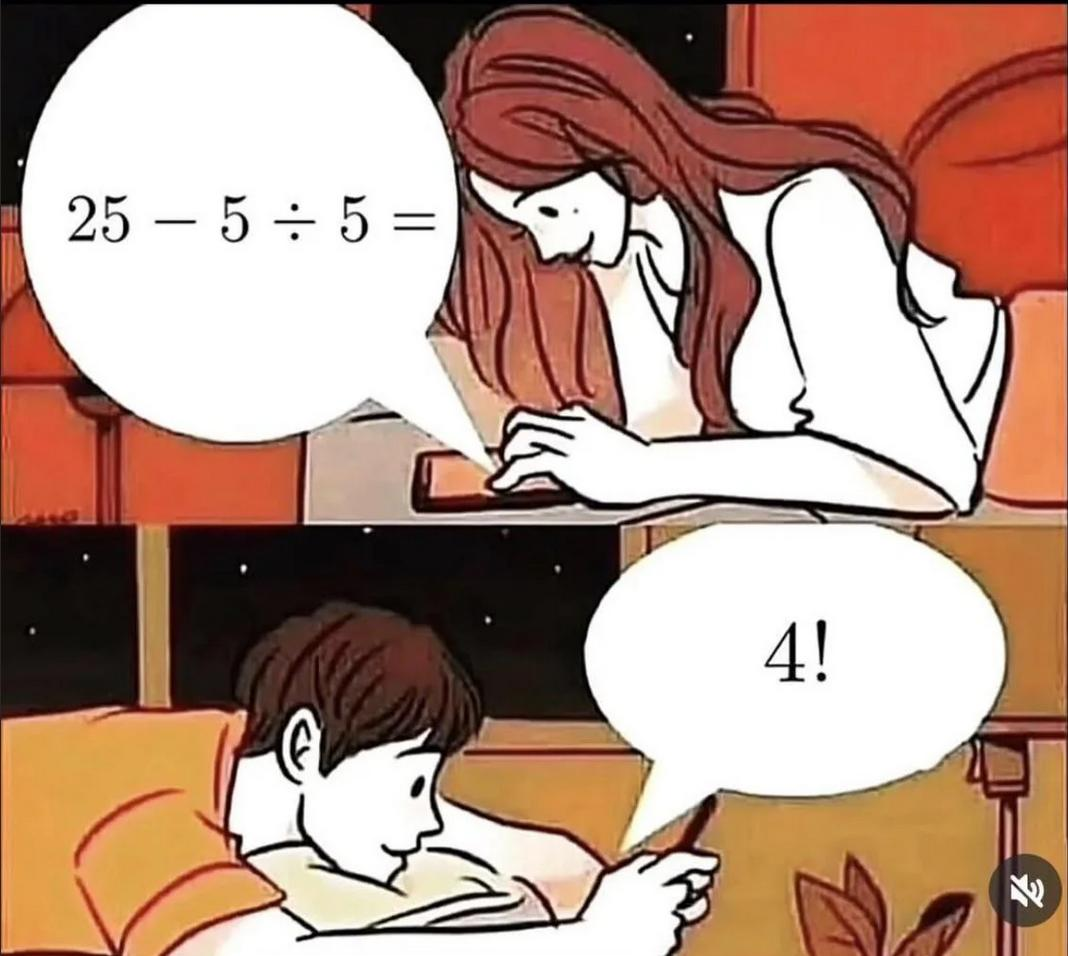
here you go. you can extrapolate this logic to any number. four items would've followed the same sequence starting with 4 and have 1 less option with each pick, so 4 x 3 x 2 x 1. and that's also 4!