I was watching all the cool things ecovative is making from mycelium and I admit I'm rather tempted. I have plenty of sawdust I could feed them.
comments
comment on
Trumpet of the dead
It's also called horn of plenty as its Latin name, cornucopioides, implies. I picked the most dramatic sounding name from Wikipedia for effect. I know them as black trumpets. They can also have a really dark coloring, which can make them look uninviting.
When life gives you mushroom, make a mushroom farm !
A mycelium body yes 🙃
comment on
Trumpet of the dead
Such a weird name. I can only assume whoever came up with it had no idea how tasty it was.
comment on
Howdy! 😋
Wow! Still an amazing find!
comment on
Howdy! 😋
If only this were a maple tree
comment on
Howdy! 😋
This is the original pic. Its a large one, seems pretty big, but not huge.

comment on
Howdy! 😋
Such a beautiful picture
comment on
Howdy! 😋
I need something for scale! I can’t tell if it’s super tiny or gigantic
comment on
Howdy! 😋
Those pancakes needed to be flipped sooner
But do not, and I cannot stress this enough, bite the doctor.
Oh yeah no clue in that case, NE has more genera of boletes than the PNW has species.
Old tree looks like it was a maple?
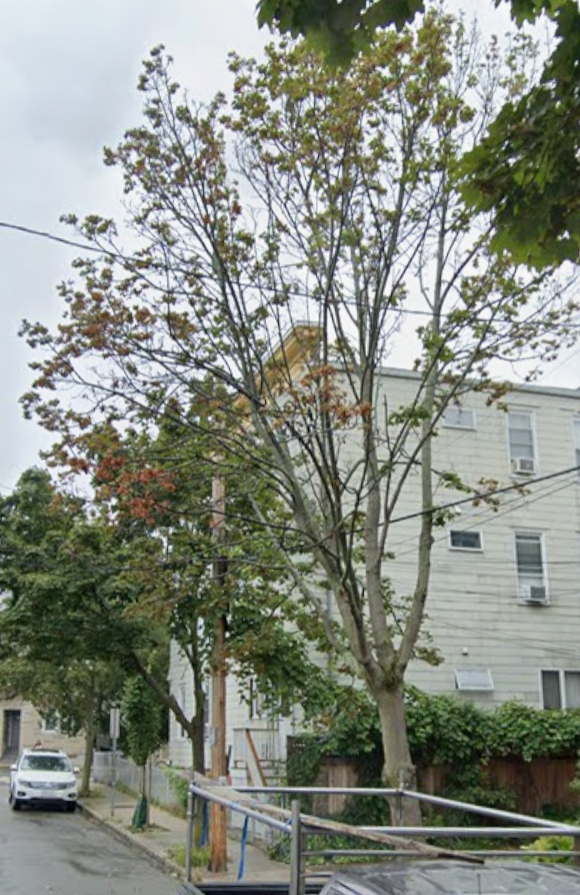
New tree is a crab apple. I'm in New England.
mander.xyz is still down but I'm sure a lot of the folks there are also subscribed to this com.
If it's the same kind of tree then definitely. A new tree can graft to the old root system and revive it which keeps the mushrooms alive even though the tree would normally be too immature to support that specific fungal partner.
I'm curious if you know what kind of tree it is, the bolete looks a bit like Suillus which tend to be really specific about their partner. If you're in the Pacific Northwest region I could probably figure out the species from the tree.
Oh no. You may want to take a look behind that seal/insulation homie.
No, pretty sure they buried the pieces separately.
Yeah, the basement has a dehumidifier, and almost all of the floor is very dry, it's just this corner. Also there's a ridge in the concrete and a clear border of damp versus dry. Usually it's not nearly like this though, we just got about 4 inches of rain.
Interesting, the nearest tree was the street tree across the sidewalk at that end of the house, died a few years back and was taken out. Come to think of it, I'm pretty sure there were some roots coming through the stone foundation wall when we moved in (since sealed & insulated). There's a new thriving tree in its place though, I wonder if the mycelium hop to the new roots.
comment on
Found these in upstate NY, United States
That's really good to know. Thank you!
comment on
Found these in upstate NY, United States
Very cool. Thanks all!
The folks over at Mycology could probably identify it for you
The most reasonable assumption, yeah.
OP, have you mapped the spots where the mushrooms sprout? Is it humanoid-shaped?
That's a bolete, they grow in obligate symbiosis with the roots of living trees. Their mycelium can extend further than the trees root system so they bring nutrients to the tree and eat the sugars the roots produce.
This means they're probably not gonna go away unless something happens to tree, and even then they'll stick around for a while after it's gone.
view more:
next ›