I wish I could say it was the first 🥲
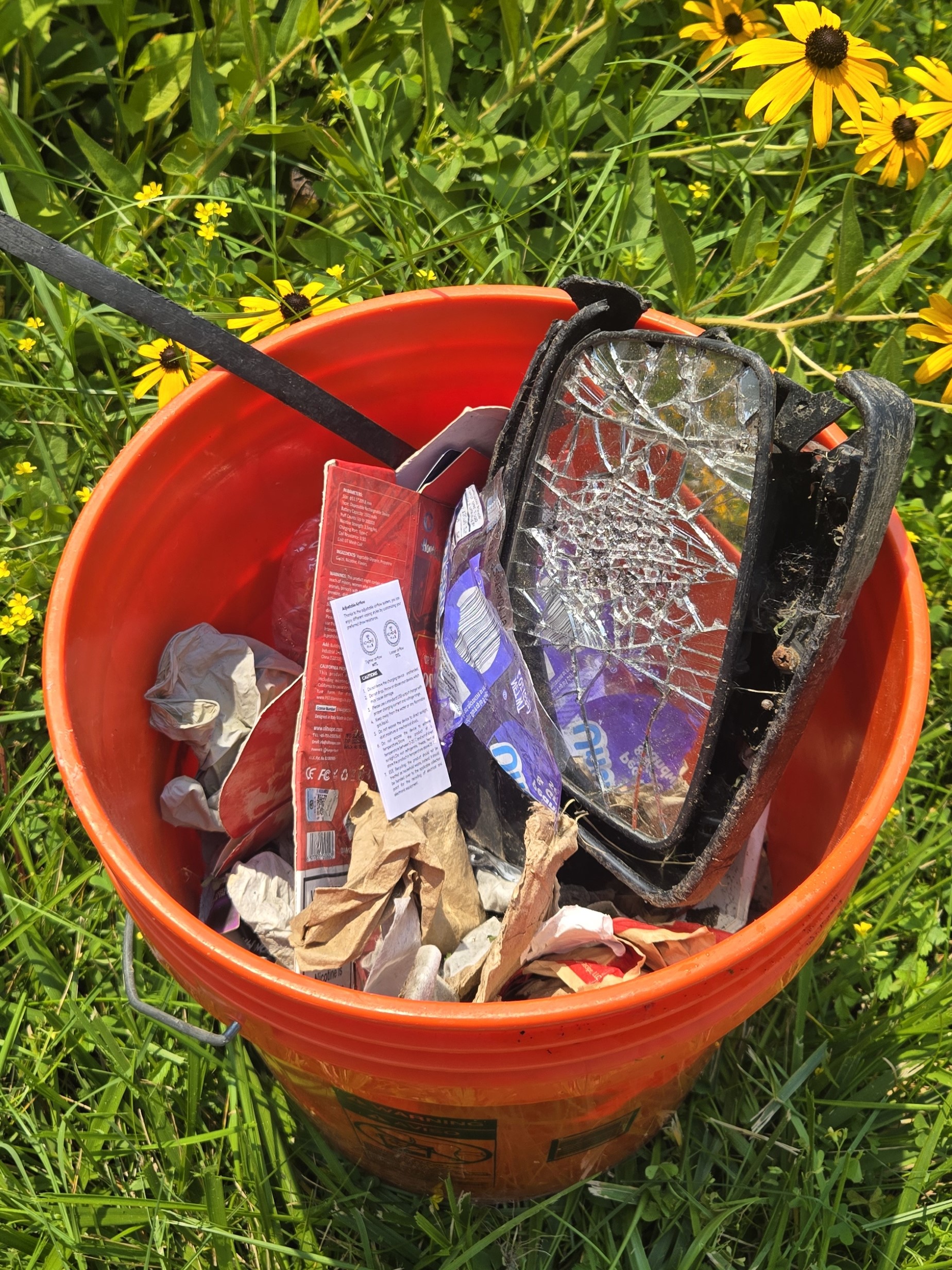
Today's finds include:
A broken car mirror, whiskey minis, hookah supplies, latex gloves, packaging for socks, and a used diaper.
When I'm on the main roads, people sometimes shout at me from their cars. It's never been anything but positive, but at first it made me feel exposed. Or like this one time when I was cleaning out a storm drain, a dude stopped his car in the middle of the street and thanked me profusely for doing it. It took a while to figure out to how to respond when stuff like that happens.
Now, I usually just clack the grabber up in the air to acknowledge them 😎
Thanks 😊 It used to feel real awkward to do, but now it's my active meditation exercise lol.
Thanks! It's supposed to rain all week, so the next one'll likely be a doozy 🙃
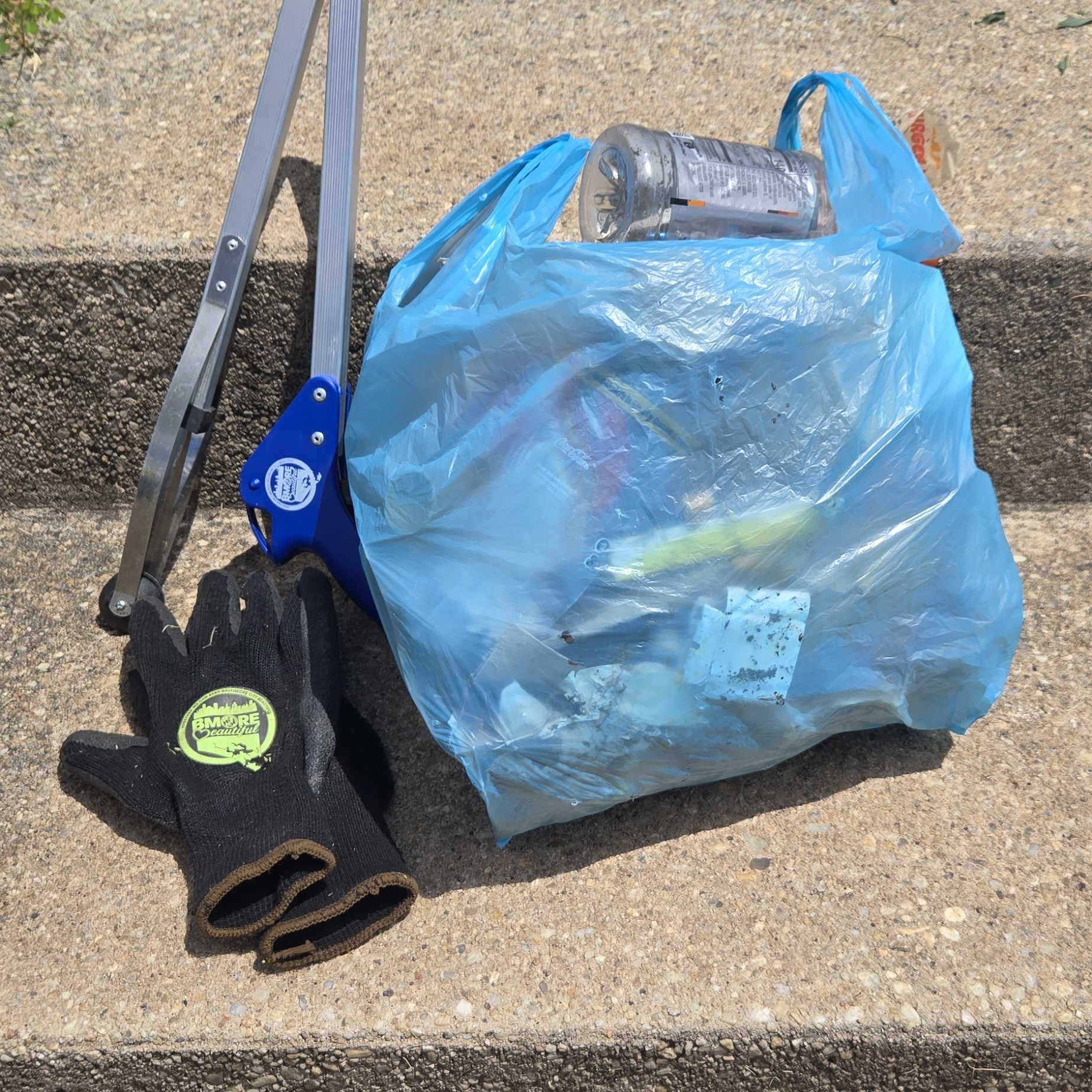
Today's finds include:
Minis (someone really likes sutter home wine, there was a trail of them), plastic bottles, fast food waste, face masks, blunt wrap packages (so many), cigarette butts, bottle caps, and a few socks.
Welcome to DeTrashed | For community cleanups, magnet fishing hauls, tools, technologies, news, and more!
(slrpnk.net)
Welcome fellow trash pickers!
If this is your first time on the Solarpunk instance, check out our wiki article "What is Solarpunk?" and our instance rules.
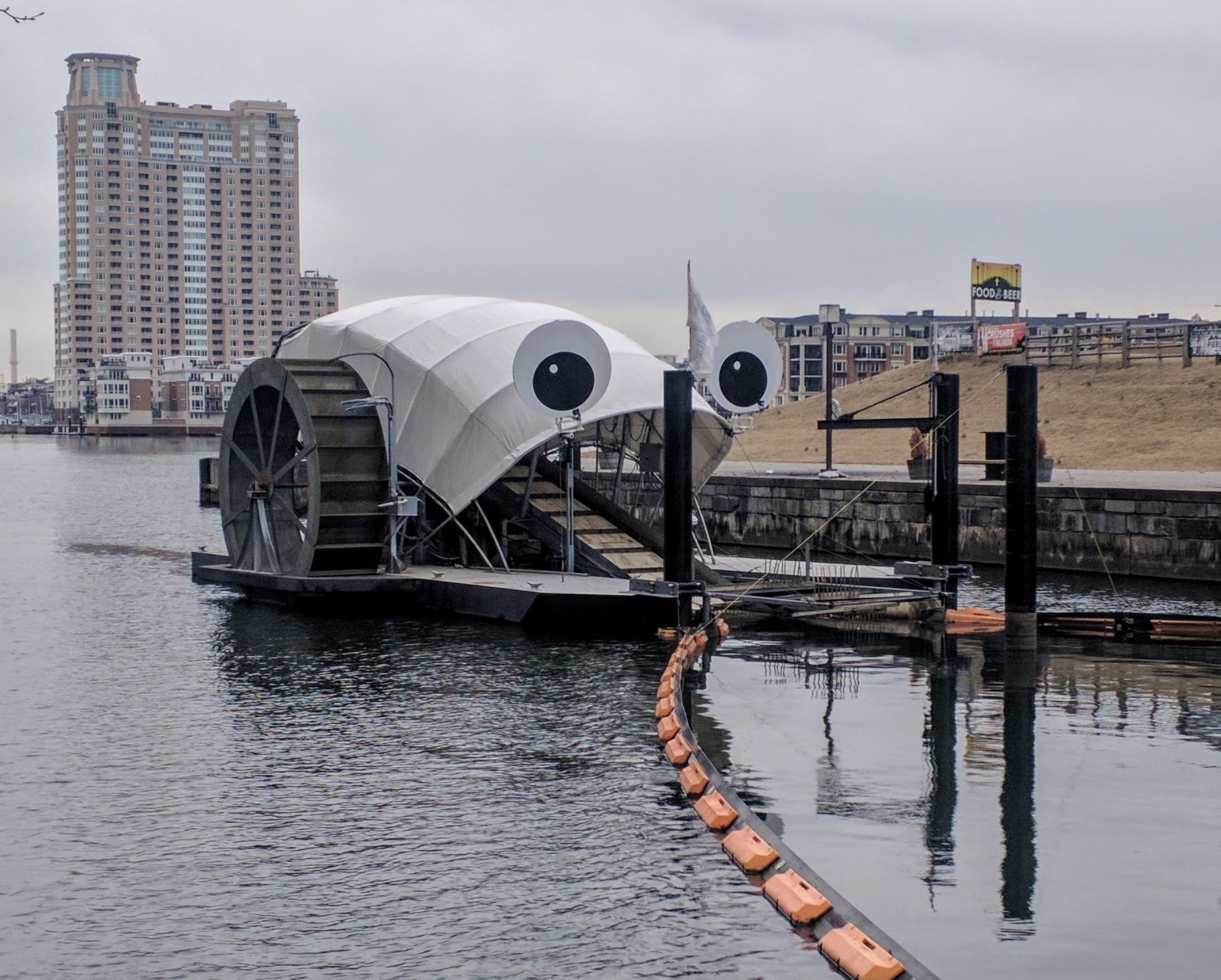
The picture for this post is of Mr. Trash Wheel, the patron saint of trash pickers who lives in Baltimore's Inner Harbor. Image by Dicklyon (CC BY-SA 4.0).

As for your mod here, I usually go out twice a week, circling my block to pick up trash off the street and clear the storm drains. I use a grabber tool and puncture resistant gloves to get the job done.
I plan to post my trash hauls here and I hope you do, too! Just be careful not to dox yourself :)
Unlike the misconception that Indigenous fire knowledge is rooted solely in tradition, it is rarely static and evolves with changing conditions including climate change. Communities combine generations of lived experience with scientific research to understand shifting wildfire patterns, adapt cultural burning practices, and restore healthier, more resilient forests.
The article is chock-full of information about the hows and whys, if you're interested in learning more.
Here's some that I use:
BPlant for finding your ecoregion in the North American continent:
https://bplant.org/regions.php
Chesapeake Bay Watershed (DC, Delaware, Maryland, New York, Pennsylvania, Virginia and West Virginia) Native Plant Finder:
https://www.allianceforthebay.org/native-plant-center/
Native ground covers for the North American Eastern Temperate Forests:
https://choosenatives.org/articles/plant-native-ground-covers-make-america-green/
Information on creating soft landings under trees for pollinators:
https://www.pollinatorsnativeplants.com/uploads/1/3/9/1/13913231/softlandingskeystonehandout.pdf
These two blog posts (also Eastern Temperate Forests) are probably a looser fit for the wiki, but I'll share them here anyway. The first discusses why not to be afraid of "aggressive" plants and how to start experimenting. The second has a list of 20 ground covers:
https://www.humanegardener.com/how-to-fight-plants-with-plants/
https://www.humanegardener.com/pulling-stiltgrass/
That sounds like a good start! Next best time to seed and/or plant is the fall. Common blue violets make seeds around then if you want to collect them yourself.
Since you're so close, I say give something on the list a try. Plants don't pay attention to our maps anyway :) There's a search bar at the bottom of the page for each ecoregion where you can plug in the plant name to see if it pops up.
I'm further south than you near the Chesapeake Bay, so hopefully someone else swings by for more specific advice. I do stick by the common blue violet and native wood sorrell suggestion, especially if the area is mowed. Start small and see what sticks, experimenting is part of the process!
That sounds beautiful! Places like Prairie Moon Nursery sell seed in bulk, but it's better to find local sources if possible. iNaturalist can be good for this. You'd have to look up when they go to seed and be mindful not to over harvest.
Personally, I would test the waters with landscapers using common blue violets and native wood sorrels since they aggressively spread themselves. They can handle a wide variety of conditions and mowing.
You can find your ecoregion here: https://bplant.org/regions.php
For example, I'm in the Eastern Temperate Forests. If you are too, this list can get you started: https://choosenatives.org/articles/plant-native-ground-covers-make-america-green/
I'm sure that's happened. Some can be monomaniacal, especially those where veganism is their only branch into liberatory politics.
Here though she's more talking about the pressure to minimize chronic illness and downplay disability due to not wanting to play into the "vegans are weak" myth (aka the protein myth). I've done this myself and still catch myself doing so occasionally. Part of it is self-imposed as she admits, but the expectations can be read between the lines of some mainstream messaging.
Having a lawn for sports is a great use. We should keep what we need for our neighborhoods to enjoy life and play, plant native and edible plants on the rest.
view more:
next ›