AI simulations reveal a Roman era board game in the Netherlands, pushing Europe’s blocking games back centuriesA limestone object recovered from the Roman settlement of Coriovallum, now Heerlen in the Netherlands, has provided rare evidence for how people played board games during the Roman period. The object, preserved in Het Romeins Museum, carries a pattern of incised lines on a flattened surface...More info: archaeologymag.com/2026/02/rom@archaeology#archaeology #boardgames #romanempire
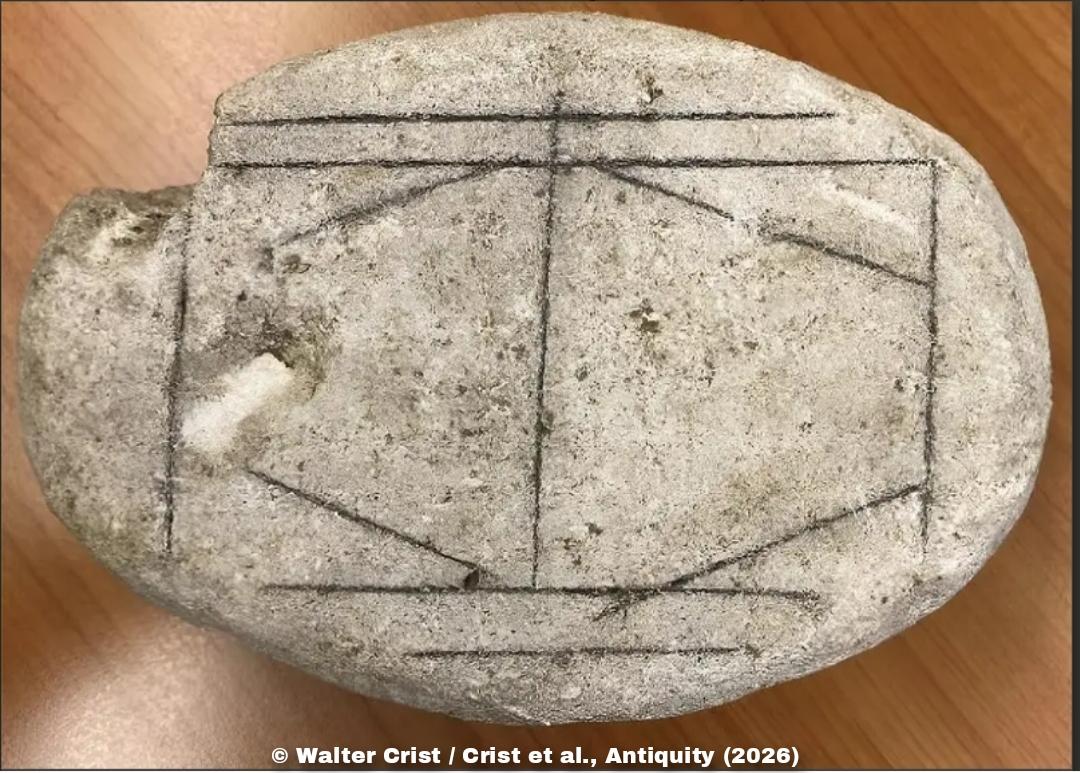
AI simulations reveal a Roman era board game in the Netherlands, pushing Europe’s blocking games back centuries

A limestone object recovered from the Roman settlement of Coriovallum, now Heerlen in the Netherlands, has provided rare evidence for how people played board games during the Roman period. The object, preserved in Het Romeins Museum, carries a pattern of incised lines on a flattened surface. Archaeologists long suspected a link to play, yet no known Roman or earlier European game matches the design.
 

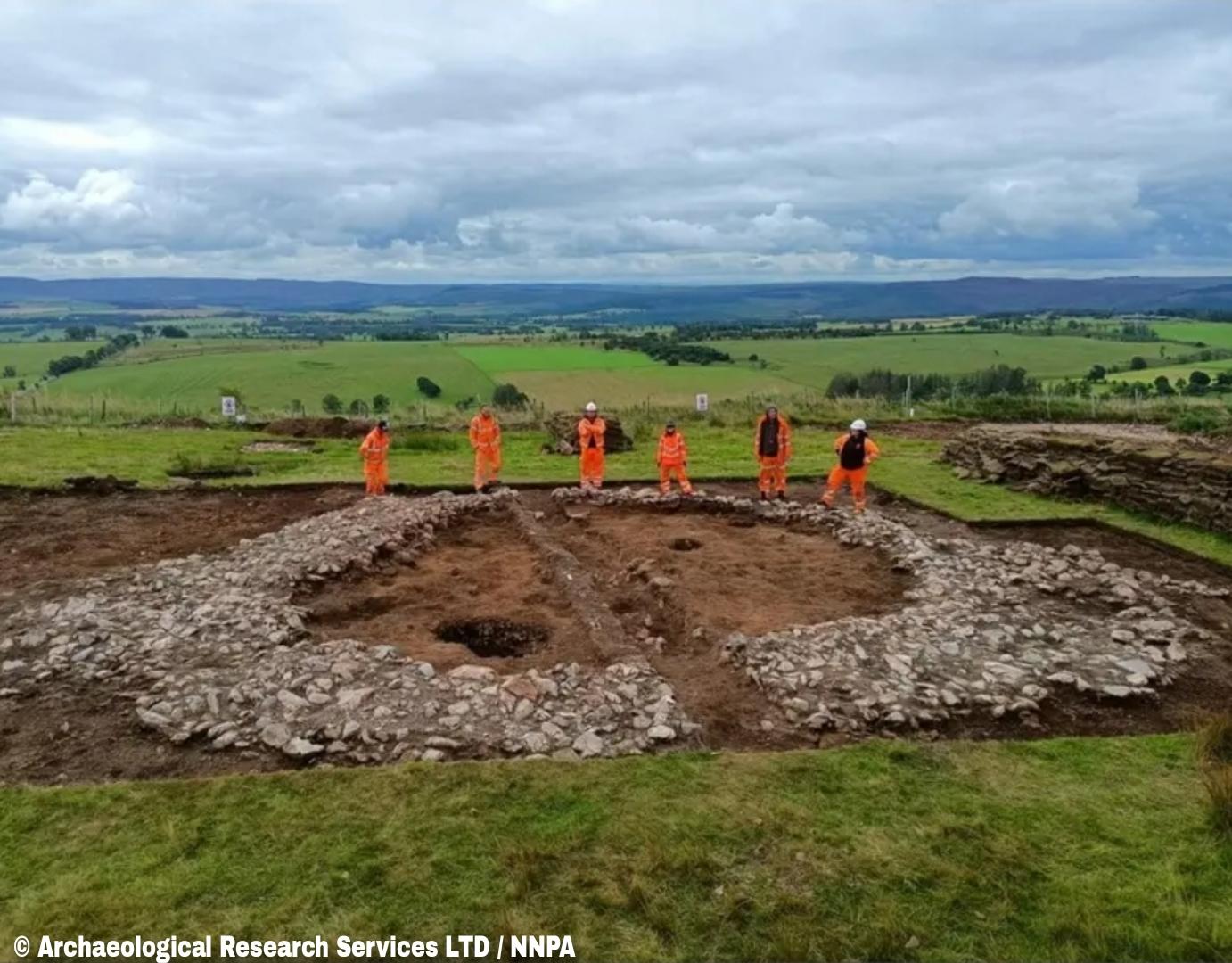
Bronze Age hilltop settlement and 2400 BCE farming evidence found in Northumberland Cheviot HillsArchaeologists have documented a well-preserved Bronze Age hilltop settlement at Harden Quarry in the Cheviot Hills of northern England. The excavation took place inside Northumberland National Park ahead of a quarry extension. Results provide rare evidence for early farming and settlement in upland terrain...More info: archaeologymag.com/2026/01/bro@archaeology#archaeology #bronzeage

Bronze Age hilltop settlement and 2400 BCE farming evidence found in Northumberland Cheviot Hills

Archaeologists have documented a well-preserved Bronze Age hilltop settlement at Harden Quarry in the Cheviot Hills of northern England. The excavation took place inside Northumberland National Park ahead of a quarry extension. Results provide rare evidence for early farming and settlement in upland terrain more than four thousand years ago...
 

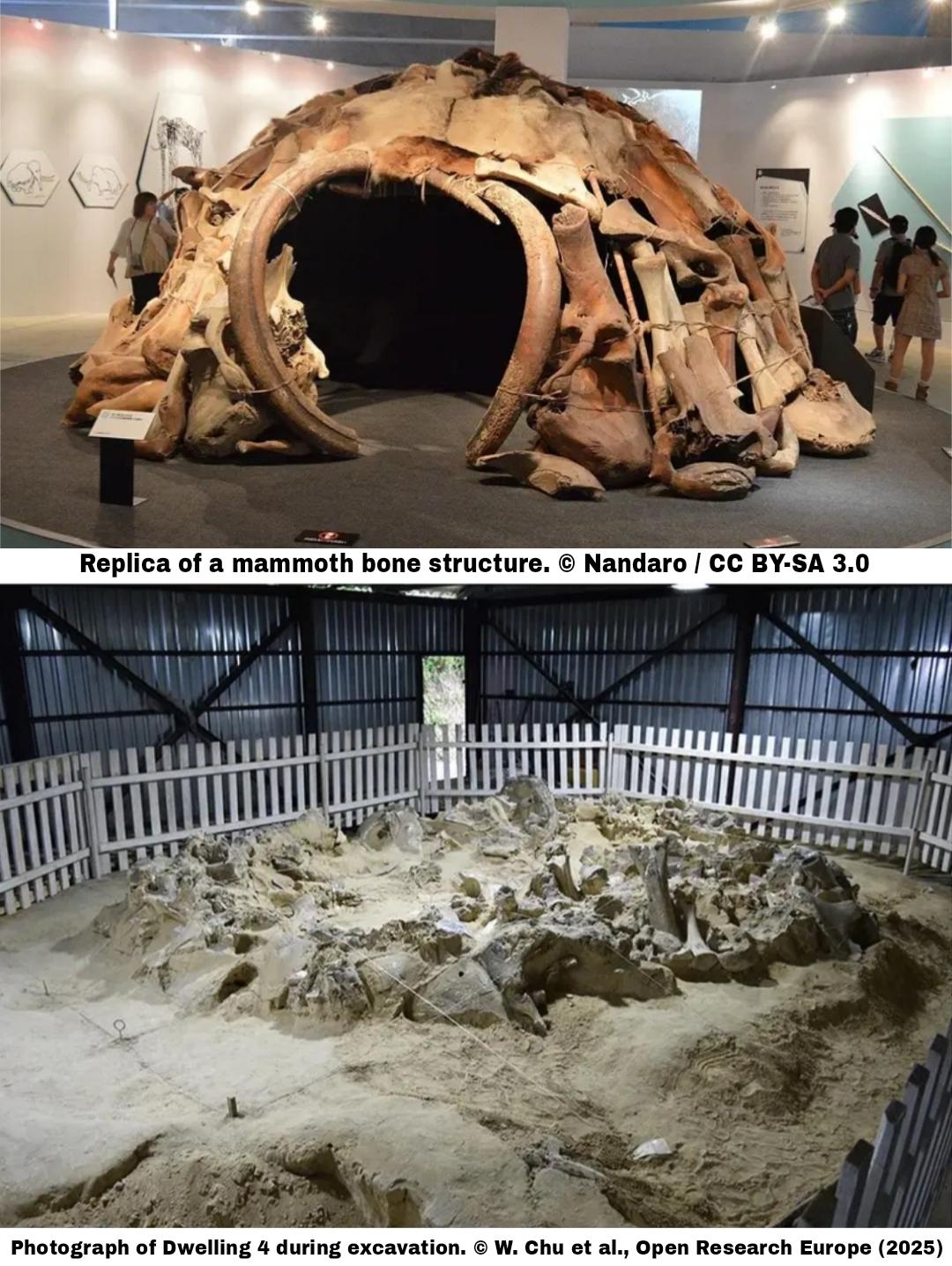
Scientists redate Ukraine’s mammoth-bone structures, uncovering Ice Age survival tacticsAcross the plains of what is now Ukraine, long before agriculture had revolutionized human life, groups of hunter-gatherers encountered winters so extreme that the only ways to survive required uncommon ingenuity...More information: archaeologymag.com/2025/11/mamFollow us @archaeology#archaeology #archeology #archaeologynews #mammoth #huntergatherer #iceage #paleolithic

Scientists redate Ukraine’s mammoth-bone structures, uncovering Ice Age survival tactics
 

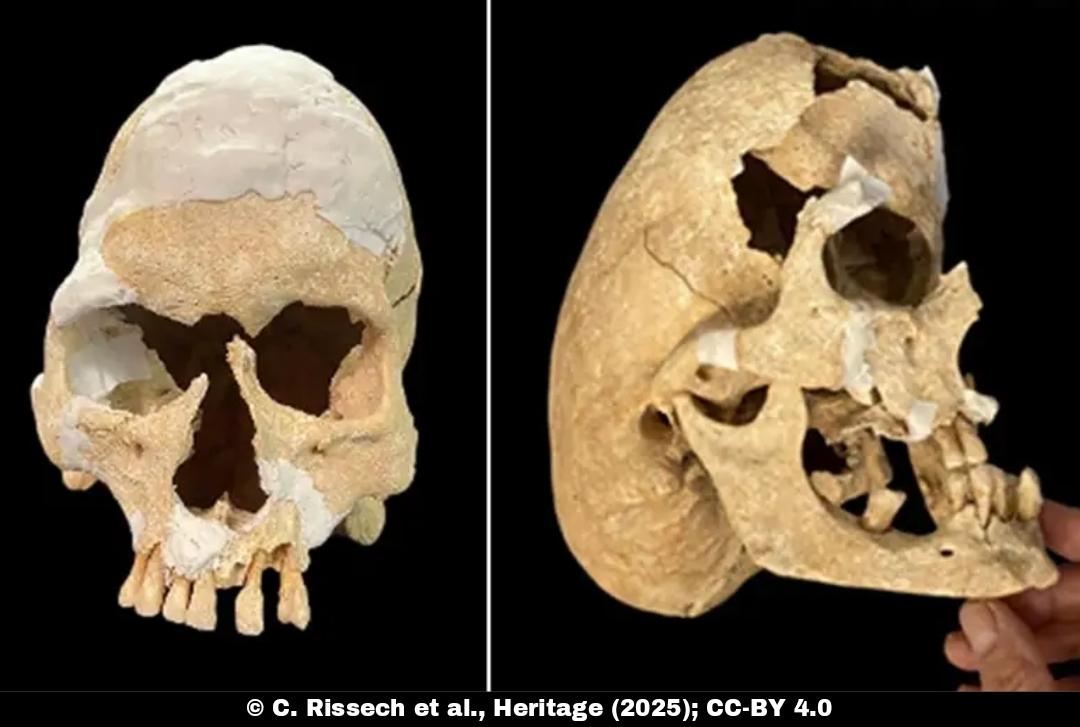
Medieval warrior-monk with extreme skull deformity discovered at Spanish fortressAccording to a recent publication, archaeologists working at the medieval fortress of Zorita de los Canes in central Spain unearthed an unusually striking skeleton: a middle-aged man with an exceptionally long, narrow skull whose remains tell a tale of both a demanding life and a violent death...More info: archaeologymag.com/2025/11/medFollow us @archaeology#archaeology #archeology #anthropology #medieval

Medieval warrior-monk with extreme skull deformity discovered at Spanish fortress
 

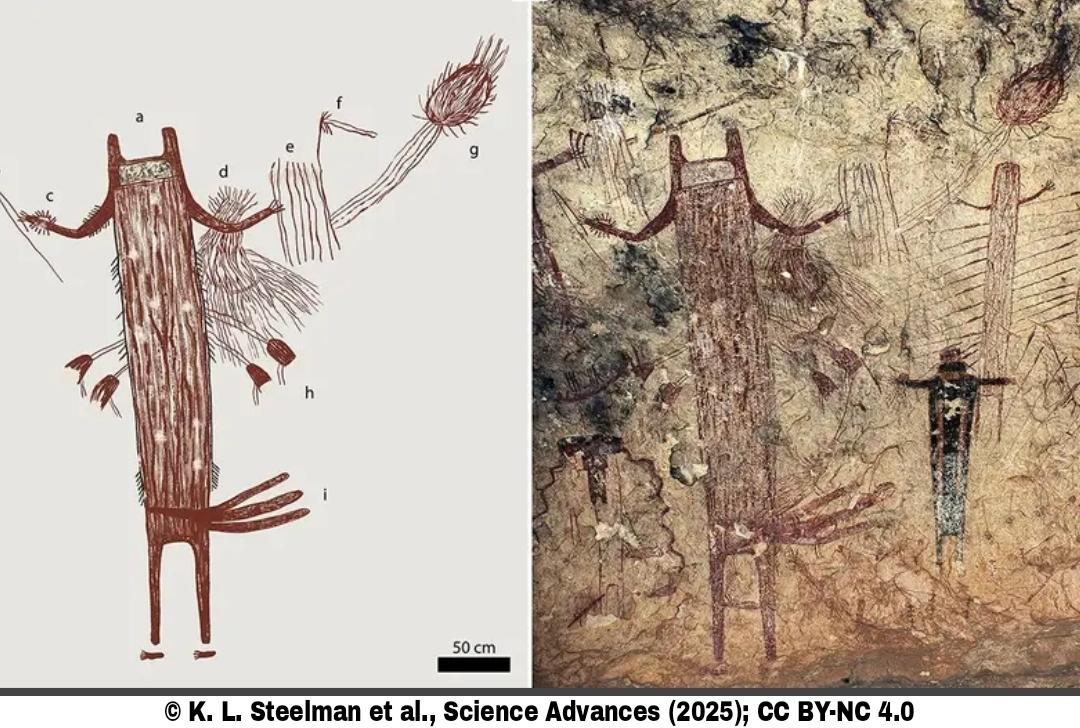
North American rock art dated to 6,000 years ago, revealing a 4,000-year traditionFor generations, the limestone rock shelters of southwest Texas and northern Mexico have hidden some of the most spectacular ancient artworks in North America. These vivid Pecos River style murals—towering human-like figures, animals in motion, and intricate abstract motifs—have been the source of wonder for archaeologists for many decades..More info: archaeologymag.com/2025/11/nor@archaeology#archaeology #rockart

North American rock art dated to 6,000 years ago, revealing a 4,000-year tradition
 

New 3D reconstruction reveals how Rapa Nui’s iconic moai were carved at the Rano Raraku quarryFor the first time, researchers have presented the most detailed digital reconstruction of Rano Raraku, the main quarry on Easter Island, or Rapa Nui, where almost all of the island’s famous moai statues were carved. The high-resolution 3D model, created from tens of thousands of drone photographs...More info: archaeologymag.com/2025/11/new@archaeology#archaeology #archeology #rapanui #easterisland

New 3D reconstruction reveals how Rapa Nui’s iconic moai were carved at the Rano Raraku quarry

For the first time, researchers have presented the most detailed digital reconstruction of Rano Raraku, the main quarry on Easter Island, or Rapa Nui, where almost all of the island’s famous moai statues were carved. The high-resolution 3D model, created from tens of thousands of drone photographs, offers an unprecedented look at one of the world’s most iconic archaeological landscapes, and is already reshaping what scholars understand about how the statues were produced...
 

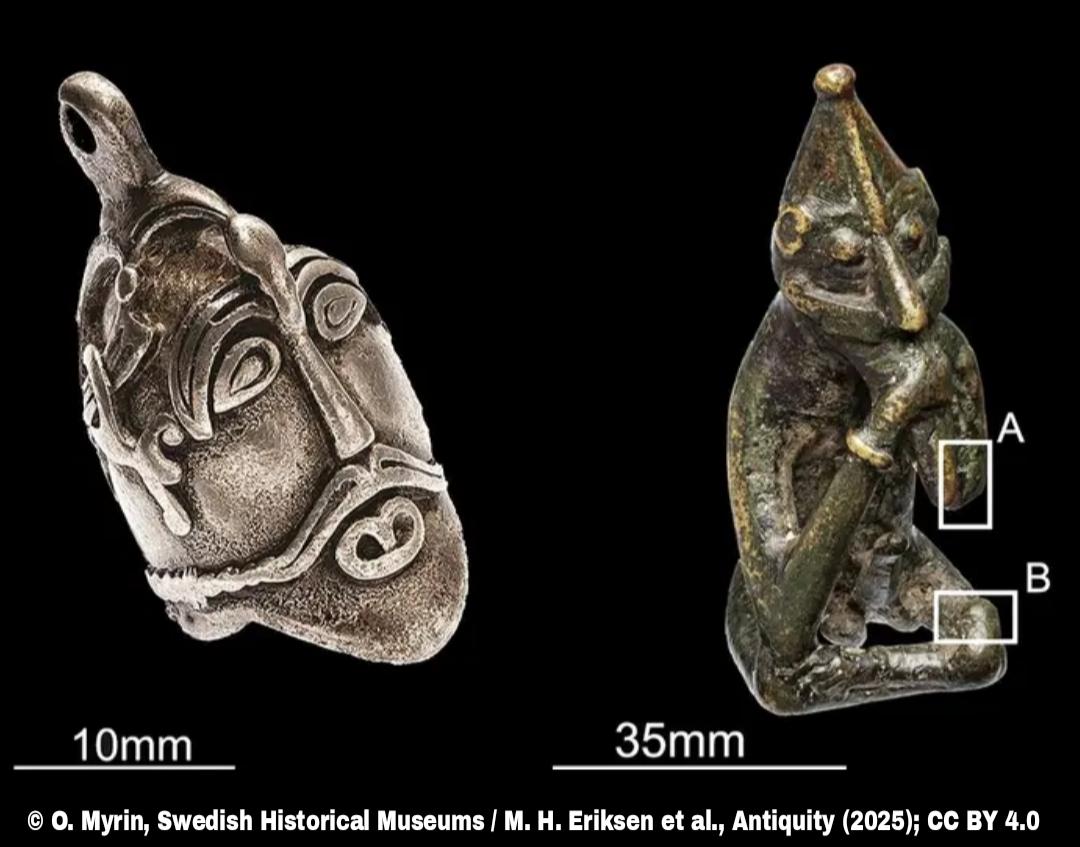
Viking figurines were more than amulets: new analysis reveals their real rolesA new study published in the journal Antiquity provides new insight into how anthropomorphic figurines from the Viking Age were produced, used, and eventually deposited...More information: archaeologymag.com/2025/11/vikFollow us @archaeology #archaeology #archeology #archaeologynews #vikings #vikingage

Viking figurines were more than amulets: new analysis reveals their real roles
 

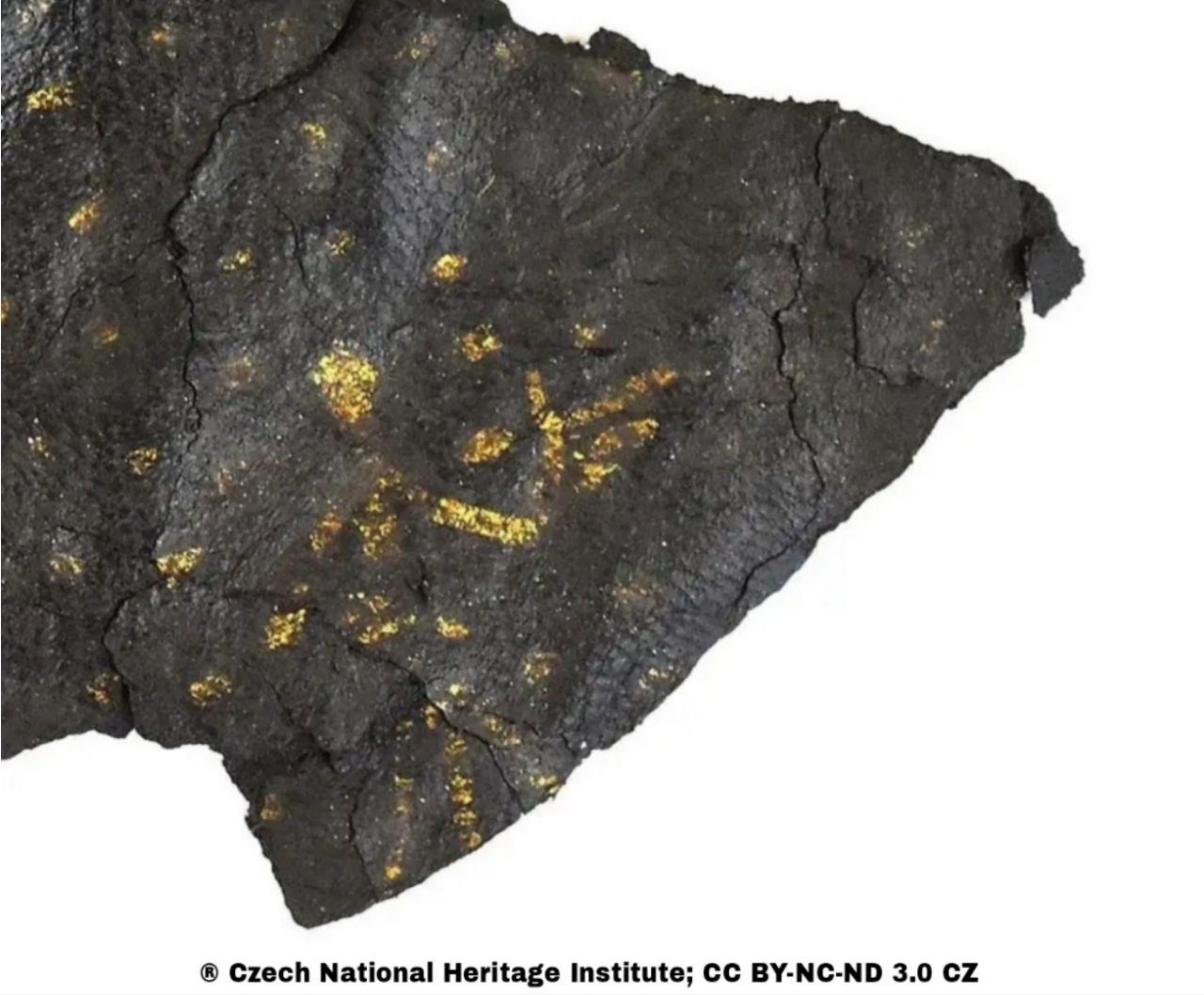
Rare gold-decorated shoe and medieval workshops discovered in Třebíč excavation in the Czech RepublicArchaeologists working in the historic center of Třebíč are bringing a long-running investigation to its final phase, concluding several years of research into the town’s twelfth-century origins. In Moravia, west of Brno, Třebíč has been the focus of a major excavation...More information: archaeologymag.com/2025/11/golFollow @archaeology#archaeology #archeology #archaeologynews #třebíč #medieval


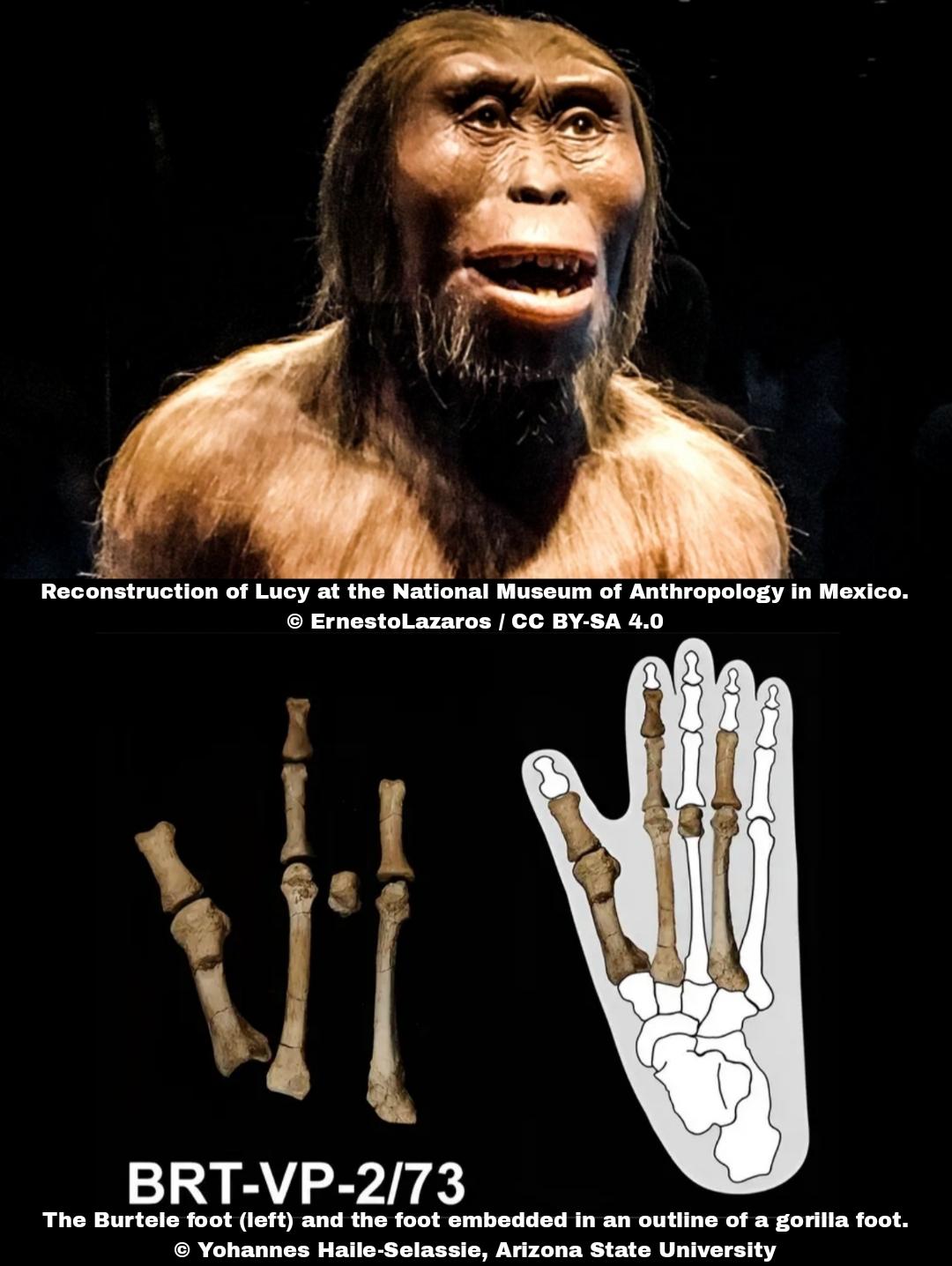
Ancient foot fossil finally identified as an enigmatic hominin species that lived alongside Lucy in EthiopiaScientists have solved a mystery concerning an unusual 3.4 million-year-old foot fossil from Ethiopia: it indeed comes from Australopithecus deyiremeda, a close but distinct relative of Lucy and her species, Australopithecus afarensis...More info: archaeologymag.com/2025/11/homFollow @archaeology#archaeology #archeology #archaeologynews #Australopithecus #humanevolution #anthropology

Ancient foot fossil finally identified as an enigmatic hominin species that lived alongside Lucy in Ethiopia

Scientists have solved a mystery concerning an unusual 3.4 million-year-old foot fossil from Ethiopia: it indeed comes from Australopithecus deyiremeda, a close but distinct relative of Lucy and her species, Australopithecus afarensis. The discovery bolsters the evidence that several hominin species shared the same landscape in East Africa and experimented with different ways of moving and feeding long before the emergence of humans...
 

The true origins of China’s mysterious hanging coffin tradition revealed through ancient DNAA new genetic study is reshaping what researchers know about one of southern China’s most distinctive mortuary traditions—the Hanging Coffin practice—and the people who carried it out. By analyzing both ancient and modern DNA, scientists have traced a clear ancestral link between the communities behind this striking burial custom and...More info: archaeologymag.com/2025/11/tru@archaeology#archaeology

The true origins of China’s mysterious hanging coffin tradition revealed through ancient DNA
 

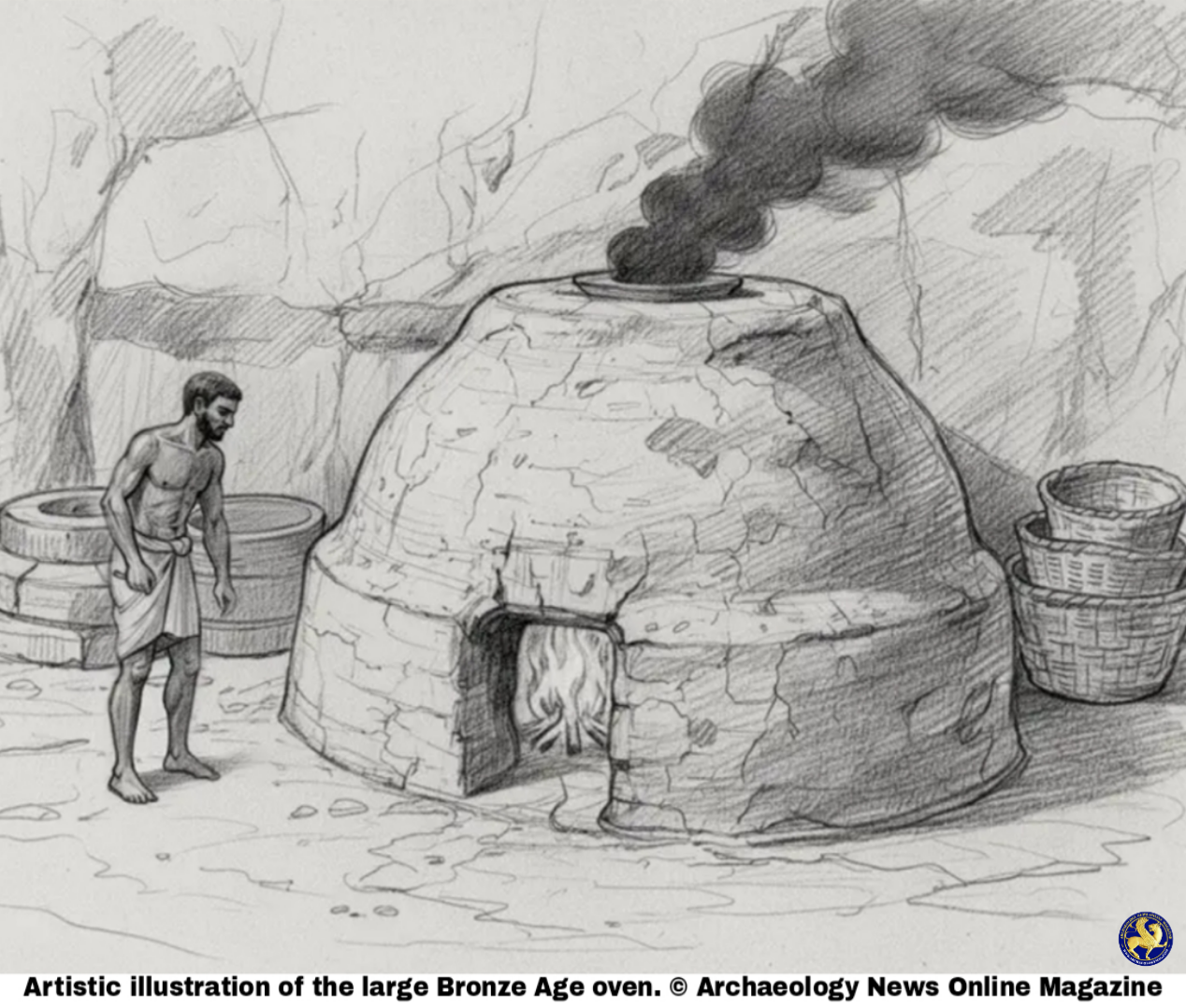
Major Bronze Age workshop space revealed at Kissonerga-Skalia in CyprusArchaeologists have concluded the latest field season at Kissonerga-Skalia, a site north of Paphos that preserves one of the most detailed records of early communities on Cyprus...More information: archaeologymag.com/2025/11/majFollow us @archaeology #archaeology #archeology #archaeologynews #bronzeage

Major Bronze Age workshop space revealed at Kissonerga-Skalia in Cyprus
 

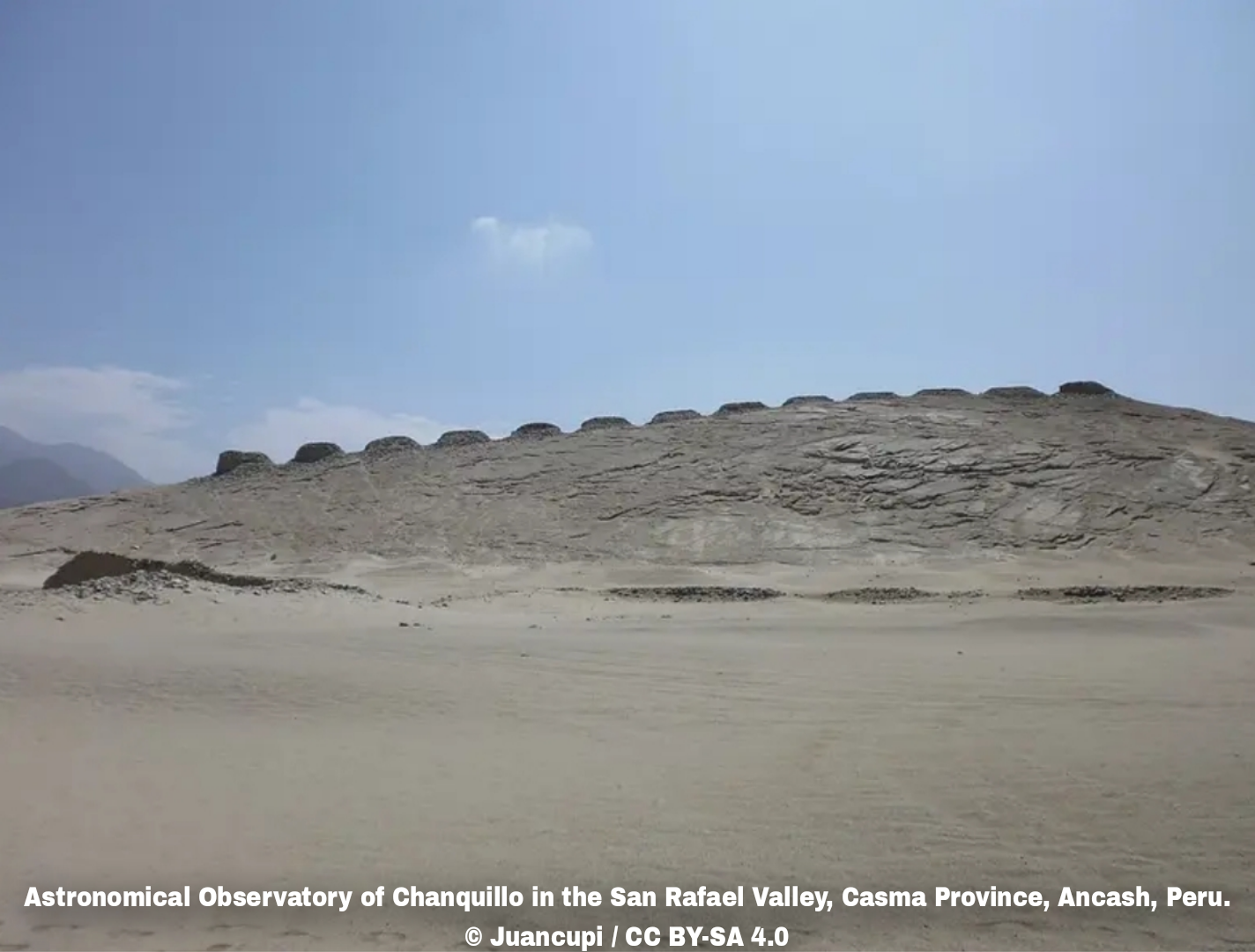
Archaeologists uncover the Americas’ earliest known observatory in PeruResearchers at the Chankillo Archaeoastronomical Complex in Peru have discovered an ancient structure that existed before what was considered to be the oldest known observatory in the Americas: the Chankillo Solar Observatory...More information: archaeologymag.com/2025/11/theFollow us @archaeology #archaeology #archeology #archaeologynews #archaeoastronomy #Chankillo

Archaeologists uncover the Americas’ earliest known observatory in Peru

Researchers at the Chankillo Archaeoastronomical Complex in Peru have discovered an ancient structure that existed before what was considered to be the oldest known observatory in the Americas: the Chankillo Solar Observatory. According to an announcement by the Peruvian Ministry of Culture, this discovery is rewriting current timelines for when astronomy first took root in the Andes...
[–] [S] 1 point 11 months ago (1 child)

@MaSiKa69 The study shows that while dogs have coexisted with humans for many thousands of years, it specifically tracks how some dog populations migrated with humans about 11,000 years ago — not their entire coexistence history.

  • source
  • parent
  • context
  • view more: next ›