[–] 2 points 9 hours ago (1 child)

Somewhat, but it also seems Mr Justice Jay is just an asshole to litigants in person - in direct contradiction to the rules he was supposed to follow.

Mr Justice Jay does not have a good record of dealing with litigants-in-person. Two years later, in a different case, he behaved so poorly that the Court of Appeal and then the Supreme Court found that he’d bullied a litigant-in-person. The Supreme Court found that he had aimed a “barrage of hostility” at the litigant-in-person, and “harassed and intimidated him in ways which surely would never have occurred if the claimant had been represented”.
  • source
  • parent
  • context
  • [–] 3 points 9 hours ago (6 children)

    We’d expect the judgment would contain the discussion of whether these restrictions were necessary and proportionate, and whether they were compatible with the exclusions in the Protection from Harassment Act. It does not. A lawyer would surely have raised these arguments, but Ms Berki of course had no lawyer.

    Without going through the appeals with a fine toothed comb, I couldn't say whether she raised these arguments along the way or if this is just an observation of the author. However she never really had an appeal, she was denied the chance to any full hearing at any stage over the last 12 years.

  • source
  • parent
  • context
  • [–] 9 points 9 hours ago (1 child)

    Now DataVita, which was supposed to bring 3,400 jobs to Lanarkshire by building a 500MW datacentre

    How the hell is a single data centre expected to bring 3,400 jobs?! Sounds like DataVita's claims across the board need to be reviewed.

  • source
  • [–] 2 points 9 hours ago (1 child)

    I'm not asserting intent, I'm describing effect.

    Regardless of their intent or whether their belief in the philosophy was genuine, the effect of selling some state assets off to regular people was to make the rest of it more palatable to the general population.

    If I had to speculate on intent, I would say their reason was to expand the stock of the private housing market, primarily for the benefit of those who trade at a commercial scale.

  • source
  • parent
  • context
  • [–] 1 point 9 hours ago

    Awesome, that's pretty much what I thought.

    Just for clarity though, does the commercial ANPR automatically provide data to police, or is that data only available upon a lawful request with a court order?

    Also, the article mentions data being kept for a year. Is this a requirement for commercial ANPR?

    I'll also add that requests to the public DVLA database are only lawful if they have actual need to request that information, eg to send a ticket for a breach in parking terms. They can't access the name and address linked to every plate that drives by the camera.

  • source
  • parent
  • context
  • [–] 15 points 9 hours ago (9 children)

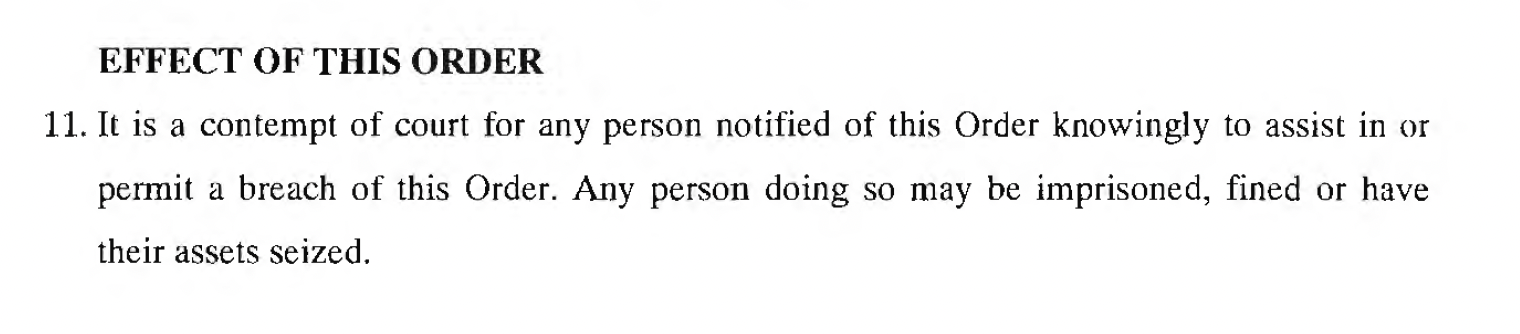
    Gotta love it when they say behaviour that any reasonable man would find contemptible is contempt of court.

    Mr Justice Jay should consider his position. Same of the judges who sat on the 3 appeals she's been denied over the last 12 years.

  • source
  • [–] 2 points 15 hours ago (3 children)

    Most of the stuff was sold off to the wealthy on the cheap. A little bit was sold off to ordinary people on the cheap.

    Selling some to ordinary people made the bulk of the fire sale more palatable.

  • source
  • parent
  • context
  • [–] 3 points 1 day ago (5 children)

    Because normally the Tories sell it off to themselves or their mates. In this instance, they let council tenants benefit from their practice.

    Doing so endears people to them and their behaviour of selling off assets. It thus makes it easier for them to get away with selling more state assets off to their mates.

  • source
  • parent
  • context
  • view more: next ›