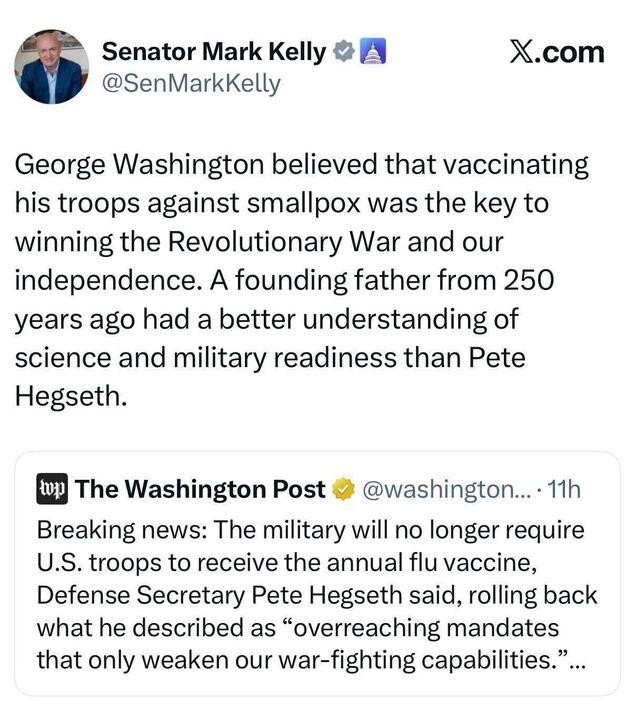
WOKE LIBERAL GEORGE WASHINGTON IS UNAMERICAN, PASS IT ON
Early Modern Period (~1600 AD)
(media.piefed.social)
i've never known any historian cite any date later than 1190 for the great law of peace with 1102 being the most commonly cited date. however indigenous historians tend to place the date earlier than european scholars and the commonly accepted date keeps shifting backwards toward those indigenous dates as we perform more archaelogical digs that confirm the oral record as being roughly accurate. i'd say late 1000s is probably the most likely
i won't get into the debates about whether or not the Haudenosaunee Confederacy influenced the eurocentric ideals of the US founding fathers. scholarship is very split on the notion with Donald Grinde arguing it was the most influencial framing system on the constitutional congress, Jack Rakove arguing against all influence, and Charles Mann arguing for predominantly european influence with some indigenous influence (this is where i view things since the colonists, Iroquois, Cherokee, Creek, and Chocktaw were frequently engaged in complicated systems of alliances). all this to say you find scholarship arguing against all influence the most compelling and i accept that this is a serious good faith position to take.