1


In the oceans, the most widespread type of plastic pollution may be the kind you can’t see.

A new study published Wednesday in the journal Nature estimates that the North Atlantic Ocean alone contains 27 million metric tons of nanoplastic — plastic particles 100 times smaller than the width of a human hair. That figure is 10 times higher than previous estimates of plastic pollution of all sizes across all the world’s oceans, according to the study’s authors.

The research represents one of the first attempts to quantify marine nanoplastic pollution; previous efforts were constrained by limitations in detection technology. The study suggests that the mass of nanoplastics in the North Atlantic is greater than that of their much larger counterparts, microplastics and macroplastics. Microplastics range in width between 0.001 millimeters and 5 millimeters, making them up to 5 million times bigger than nanoplastics. Macroplastics are even larger.

Helge Niemann, a researcher at the Royal Netherlands Institute for Sea Research, a professor of geochemistry at Utrecht University, and one of the study’s authors, said the findings are concerning for marine biology and human health. Nanoplastics are “not conducive, generally, for life,” he told Grist. He emphasized that the study’s findings are limited to the North Atlantic, but said it is “likely the case” that nanoplastics are widespread across other oceans as well.

Studies suggest that nanoplastics cause inflammation to living cells when ingested, though it’s unclear whether this is because of the particles themselves, the plastic chemicals they can release, or pathogens that they pick up while floating around in the environment. Due to their tiny size, nanoplastics can more easily traverse biological membranes than their larger counterparts.

Tracey Woodruff, a professor of reproductive health and the environment at the University of California, San Francisco, who was not involved in the new research, said she expects that nanoplastics will be linked to many of the same health risks as microplastics. In animals, these include reproductive issues, intestinal problems, and colon and lung cancer. Microplastics also bioaccumulate, meaning they travel up the food chain as larger animals eat smaller ones.
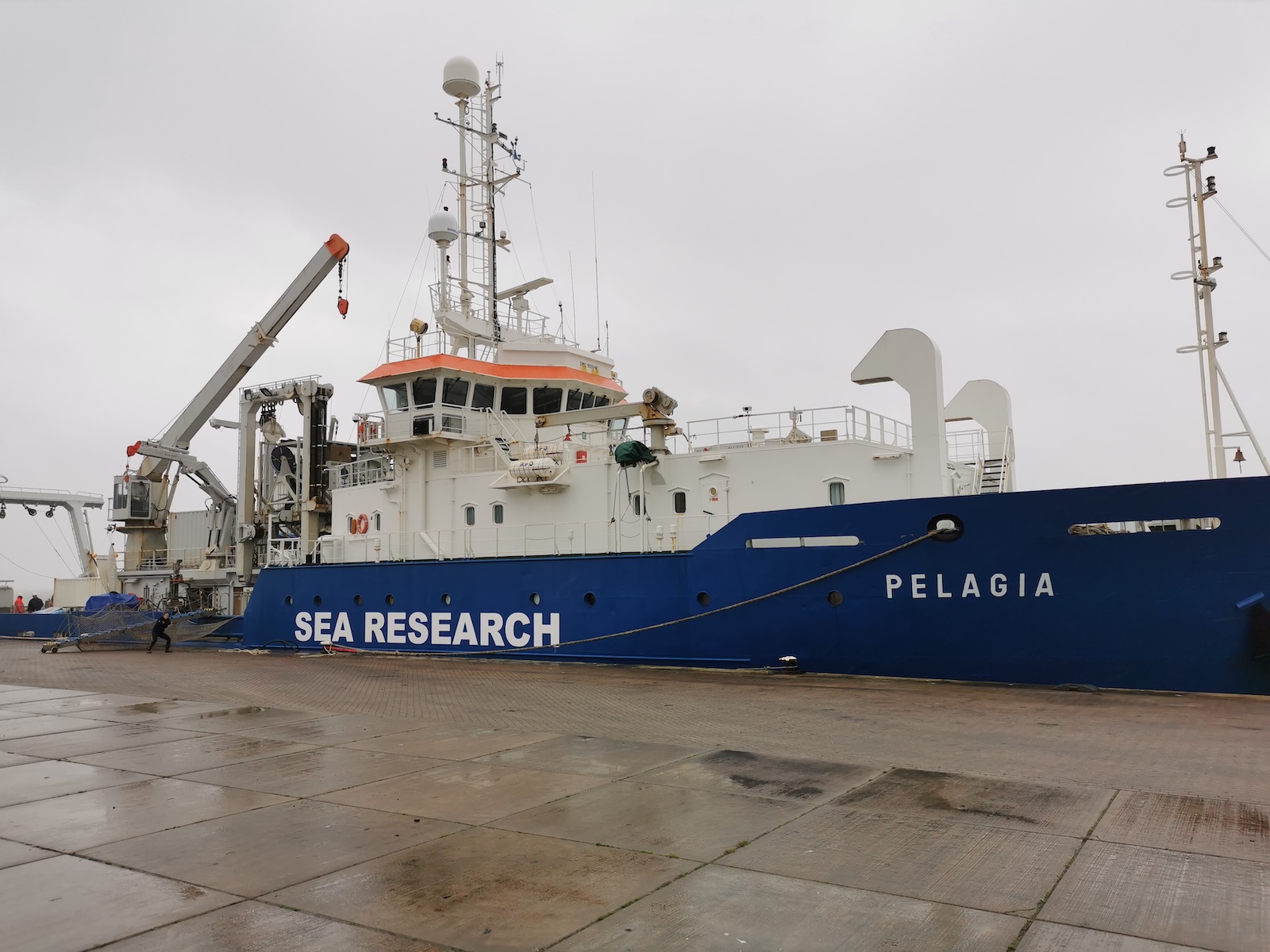
A large blue and white research ship, docked and photographed from the side. White letters on its side read "sea research" and "Pelagia," the ship's name.The study authors collected samples during a 2020 cruise aboard the Pelagia, a research vessel. Courtesy of NIOZ

“Our hypothesis is that … nanoplastics could travel more widely in the body even than microplastics, and therefore could have more adverse health consequences,” Woodruff said. It’s also possible that future research will discover that nanoplastics are present in the human body at even higher concentrations than microplastics.

The study’s authors obtained their data during a research cruise in 2020. They collected water samples at 12 locations of varying depths across the North Atlantic Ocean. Five samples were taken from within the North Atlantic gyre, one of the world’s five circular ocean currents that has become famous for its “garbage patch,” an enormous collection of plastic trash and other waste.

The researchers looked at nanoplastic concentrations at three different depths at each location: a layer just 10 meters below the surface, a middle layer at 1,000 meters deep, and 30 meters above the seafloor. Back in the lab, they used a novel type of mass spectrometry — an analysis that can identify different kinds of plastic — to distinguish between three polymers. Polyethylene terephthalate, or PET, the type of plastic used in water bottles, was the most widespread at every depth, followed by polyvinyl chloride, used in water pipes, upholstery, children’s toys, and other products; and polystyrene, used in plastic foam.

Overall, nanoplastic concentration was the highest closer to the surface at 18 milligrams per square meter and lowest near the seafloor at about 5.5 milligrams per square meter. The researchers suspect that this distribution is due to the deterioration of bigger pieces of plastic that are suspended near the surface, which may sink slowly unless transported downward by, for example, animals that have eaten plastic and then died.
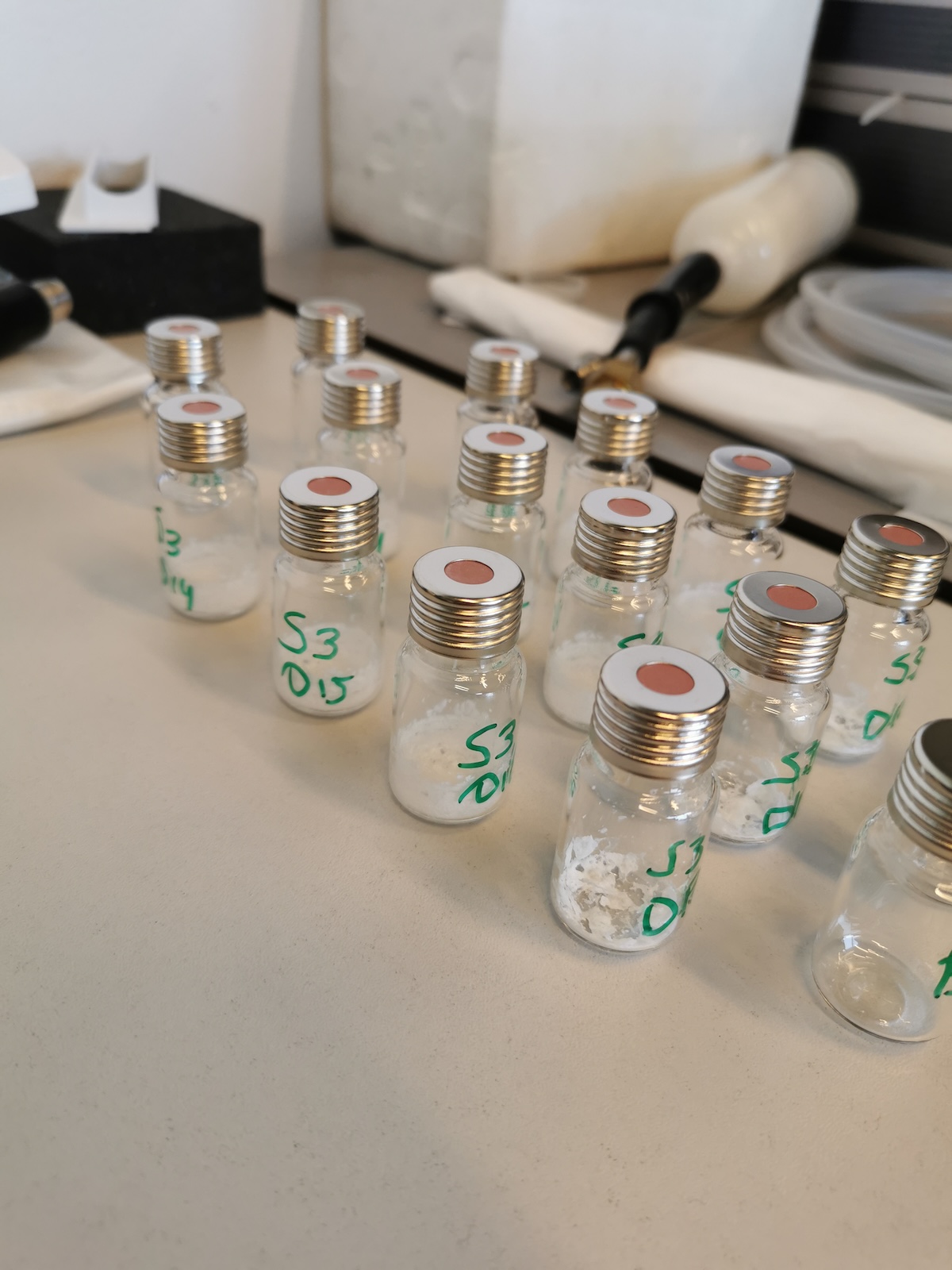
Labeled glass vials in a row, with salt residue visible at the bottom of eachGlass vials containing nanoplastic samples from each of the 12 locations tested. Salt residue is visible at the bottom of each. Courtesy of NIOZ

Eighteen milligrams per square meter might not seem like much. But, it’s the equivalent of containing seven mosquitoes in a 3-foot by 3-foot box, assuming each mosquito weighs roughly 2.5 milligrams. Multiply that by the vast volume of an ocean, and you end up with a whole lot of plastic.

“I would argue as a toxicologist that if you see something in micrograms per liter in the open ocean, that’s quite a high concentration,” said Martin Wagner, a biology professor at the Norwegian University of Science and Technology who was not involved in the study.

Wagner cautioned that the study’s major extrapolation — that there are 27 million metric tons of nanoplastic in the North Atlantic, more than the weight of 26,000 Eiffel towers — relies on “very few samples.” Still, Wagner said it makes sense that there would be an exorbitant amount of nanoplastic given the high volume of larger plastic fragments that end up in the oceans each year. According to the United Nations, roughly 20 million tons of plastic enter aquatic ecosystems each year. This includes lakes, rivers, and streams, as well as oceans, but for much of that pollution, the ocean is the final destination.

“We’ve basically been dumping plastic in the ocean for decades,” Woodruff said. “It doesn’t go away, it just breaks down into smaller plastics, so it does make sense that you would find more nanoplastics than macro and microplastics.”

Notably, the type of analysis that the study’s authors used was unable to detect the world’s two most common plastic polymers: polyethylene and polypropylene, meaning their estimate for overall nanoplastics is likely conservative. Still, the study’s findings could provide more realistic data for researchers who are trying to model the real-world impacts and toxicity of nanoplastic pollution.

Niemann said more research is needed on nanoplastics, including on their prevalence globally. He recently won a grant to research what happens to nanoplastics once they’re in the ocean, including whether any types of bacteria can naturally break them down. Manually trying to clean them from the global oceans’ more than 330 million cubic miles of water is “not really a good idea,” he said.

Both Wagner and Woodruff said the research adds to the growing body of  evidence supporting limits on global plastic production — rather than allowing it to triple by 2050, as projected by the United Nations Environment Programme. World leaders are expected to continue debating plastic production limits during the next round of negotiations over the U. N.’s plastics treaty, scheduled to take place next month in Geneva, Switzerland.

“This reinforces how important it is to cap [plastic production], leave fossil fuels in the ground, and look to alternatives,” Woodruff said.

This story was originally published by Grist with the headline The oceans may contain much, much more plastic than previously thought on Jul 11, 2025.


From Grist via this RSS feed

2


Having enough food and water on hand when a disaster strikes is critical, but it’s not all there is to preparing for an emergency. It’s important to know where to go for free fresh or hot food, clean water, and other essentials once it’s safe to venture from wherever you may be sheltering, and knowing the food programs you may qualify for locally and federally that could help you afford food in the weeks and months after a disaster.

We’ve compiled a guide to food safety and access based on recommendations from physicians, health departments, emergency management departments, and federal agencies including the Centers for Disease Control and Prevention, or CDC, and the Food and Drug Administration, or FDA.

Jump to:

↓ Preparing food supplies at home↓ Accessing food↓ How to navigate food distribution if you’re not a U.S. citizen↓ What to know about hunger and disasters

.Preparing your food supplies at home

As you prepare for an extreme weather event, it’s important to have enough food ready and easily transportable in case you lose power or need to evacuate. Review this checklist from the Federal Emergency Management Agency, or FEMA, for what to pack so you can stay safe, hydrated, and healthy.

Read more: How to pack an emergency kit and prepare your home

State and county emergency-management departments offer varying guidelines on how to best prepare food supplies for a disaster. For instance, some counties in Florida suggest residents stock up enough food to last them at least two weeks in case of an emergency, while some in Massachusetts suggest a minimum of three days.

It’s becoming increasingly expensive to buy everything for an emergency stockpile all at once. A more affordable strategy is to pick up one or two items every time you go to the grocery store, well in advance of hurricane or wildfire season, and build up your emergency food stockpile over time. You can also contact your local disaster aid organizations, houses of worship, or charities to see if there are free or affordable nonperishable goods available.

Some of the most important things to have:

Water (at least one gallon per person and pet in the household per day for several days)Food (at least a three day supply of nonperishable food for every person and pet in a household)Common kitchen tools like scissors, a knife, a can opener, and a cooking thermometer

Here are some food-safety tips during and after a disaster:

If you plan to take shelter away from home, it’s always best to prepare for the likelihood that the power will go out, spoiling refrigerated and frozen food. Be wary about eating food that may have gone bad, and when in doubt, throw it out.Buy food with the lowest safety risks. This includes canned food with high liquid content and with limited salt, as salty foods will make you thirsty.

If the power goes out and you’re home, take the following steps to ensure your food will remain safe to eat:

Keep the refrigerator and freezer doors closed as much as possible. An unopened refrigerator can maintain its temperature for only roughly four hours, while a freezer can stay cold for approximately 48 hours.Pack refrigerated and freezer items tightly together to help retain cold temperatures for longer. (This should not be done with ready-to-eat foods or anything raw, such as poultry or fish.)Freeze containers of water to use for ice and potentially drinking water.If the power outage lasts for more than two hours, or if the refrigerator or freezer temperature rises above 40 degrees Fahrenheit, the FDA recommends that you discard any perishable food. Your appliance may tell you the temperature inside. If it doesn’t have that feature, keep an appliance thermometer handy. You can also use a bulb or candy thermometer by placing it directly into a container of food or liquid that has been in the refrigerator or freezer for 24 hours.

If there is flooding, avoid eating any food that may have come into contact with floodwater, and get rid of any foods or beverages that are not in a waterproof container or have damaged packaging. If food is not damaged or wet, follow these in-depth instructions from the FDA to make sure it’s safe to eat.

Storing food properly can help give it a longer shelf life and protect it from water damage. Here are some tips:

Store items in a cool, dry place away from direct sunlight.Place your food supply on high shelves to keep them far from any household flooding.If possible, swap foods in paper boxes or cartons into airtight or waterproof containers to keep out pests.Be sure to verify expiration dates on canned and dry goods.Store all fresh food away from ranges or refrigerator exhausts. Heat causes many foods to spoil faster.

.Accessing food during and after a disaster

Where to find community-led resources on food access

Local nonprofits, food banks, food and agricultural hubs, houses of worship, and schools are all crucial frontline resources in the aftermath of a disaster, providing food and water for people regardless of socioeconomic or immigration status. Before a storm or wildfire hits your area, you can look up where organizations such as these may be in your community. During a disaster, they may offer hot meals and fresh produce, as well as nonperishables.

Recent federal funding cuts have left food banks and charitable food organizations across the country without as much money for direct food assistance, so check with your local food bank to make sure they are running these programs.

Most cities and counties will have a list of sites that are supplying food and water. You can call or check their websites. Also check your local news — either radio, online, or on television — for options.

National and international charitable organizations often deploy on-the-ground teams to distribute free food to areas hit by major disaster events.Typically these groups prioritize places where the scope of damage and population impact is significant. This list of organizations is by no means exhaustive:

World Central KitchenAmerican Red CrossFeeding AmericaThe Salvation ArmyTeam RubiconAmericaresUnited WayCatholic Charities

Your state and county emergency-management departments, government-operated emergency shelters, as well as your city, tribe, or territory, is likely to partner with the school district, food banks, first responders, and federal agencies to set up ad hoc food and water distribution centers in the immediate days following a disaster event. Each entity’s official website and social media pages are great resources for up-to-date information on these efforts.

FEMA Disaster Recovery Centers also tend to serve as a source of food and water after a storm or other disaster.

Read more: How FEMA aid works

Applying for longer-term food relief programs

Depending on your legal status, total household income, and whether your household includes children under 5 years old or a pregnant or breastfeeding mother, you could be eligible for government benefits that include financial assistance for food. Keep in mind that these programs require a lengthy application process, and often have a waiting list long before a disaster strikes. Some of them are also being cut or changed by the Trump administration, so contact the local or state office to find out more.

SNAP: The Supplemental Nutrition Assistance Program, or SNAP, provides food assistance to low-income families to supplement their grocery budgets for foods to prepare at home. In the event of a disaster, you may be able to buy hot or premade food using SNAP dollars. This is not intended for immediate relief, as it could take time to apply and begin receiving any benefits. To apply, you must first contact your local or state SNAP office. Applications are handled differently depending on the state in which you live; some can be submitted online, while others need to be done in person or by mail.

The Disaster Supplemental Nutrition Assistance Program, or D-SNAP, also known as disaster food stamps, helps you pay for food if you live in a county with a federal disaster declaration. D-SNAP provides funds on an electronic benefits transfer (EBT) card to pay for food. Even if you do not normally receive or qualify for food assistance through SNAP benefits, you may qualify if you live in a county that has received a federal disaster declaration. This benefit usually amounts to at least a month of the maximum SNAP allotment for low-income households. This is not immediate relief, as it could take time to apply and receive the benefits.

If you’re a SNAP recipient, get benefits that are less than the monthly maximum, and have losses from the disaster, you can request a supplement under D-SNAP. Existing SNAP recipients may also request replacement benefits for food that was bought with SNAP dollars and lost in the disaster.

Be on the lookout for more information about this program through your local news, community organizations, or local SNAP office.

WIC: The Women, Infants, and Children program offers food assistance, information, and health care referrals to low-income families with children under age 5 or those expecting a new child. You can be eligible for WIC with any immigration status. To apply, you will need to contact  your local WIC office to schedule an appointment, where your eligibility will be determined.

TEFAP: The Emergency Food Assistance Program helps supplement the diets of lower-income people by providing emergency food assistance at no cost. TEFAP is distinct from SNAP as it provides actual food, not money, to those in need, distributed through local food banks and pantries. When the president makes a major disaster declaration, affected states are given the opportunity to reallocate and distribute existing TEFAP food and funding inventories to disaster relief organizations. You cannot apply directly for TEFAP foods, but may be able to get TEFAP foods to take home from a local soup kitchen or food pantry based on your income level.

.How to navigate food distribution if you’re not a U.S. citizen

Most of the above federal nutrition programs are not accessible to anyone who is not a U.S. citizen or what the government deems a “qualified immigrant.” Though undocumented immigrants have long been largely ineligible for federal public benefits, there have been some exceptions for emergency and disaster-related services. Lawful permanent residents and qualified immigrants, such as H-2A workers, used to face a five-year or longer waiting period for programs like SNAP, but immigration and anti-hunger advocates suggest that period may be lengthier under the new administration — and the opportunity for noncitizen eligibility for food benefits may even cease to exist. If you have a U.S.-born child, they can qualify for these benefits, though it may not be enough to feed the entire family.

Please note that anyone visiting food centers or shelters may be asked to provide proof of identification. Because of stricter immigration policies enforced under the Trump administration, there is concern among immigration advocates, lawyers, and other experts that undocumented residents, those on a visa, or even legal citizens could be detained by law enforcement or U.S. Immigration and Customs Enforcement.

Connect with your local immigration organizations or legal aid groups for more specific information, advice, and updates.

Read more: Know your rights as an immigrant before, during, and after disasters

.What to know about deepening hunger and disasters

As Kassandra Martinchek, who researches food access at the Urban Institute, told Grist in 2024, the immediate emergency food response provided by charitable providers and by federal nutrition programs “is an important part of the broader patchwork of programs that help families post-disaster.” But food insecurity “is really this household economic condition wherein families aren’t able to get the food they need to live a healthy and active life.” Disasters intensify that crisis.

Poverty rates tend to climb in impacted areas because many people, particularly those from low-income households, are less able to prepare for a looming storm or recover from the emotional and physical damage they wreak. This deepens existing racial and socioeconomic divides and exacerbates the food insecurity most commonly experienced by communities of color, those with disabilities, and households below the federal poverty line.

Research shows that food tends to be among the first expenditures financially unstable households cut during economic turbulence. Not only do they buy less food, but the quality of the food they buy decreases as well.

If you or someone you know is struggling with hunger or food insecurity at any time, reach out to churches or other houses of worship, charities, food banks, health care providers (some have food programs they can direct you to), including any of the organizations mentioned above.

Read more: Our long-term recovery guide outlines resources you can use in the weeks and months after a disaster

pdfDownload a PDF of this article | Return to Disaster 101

This story was originally published by Grist with the headline How to access food before, during, and after a disaster on Jul 7, 2025.


From Grist via this RSS feed