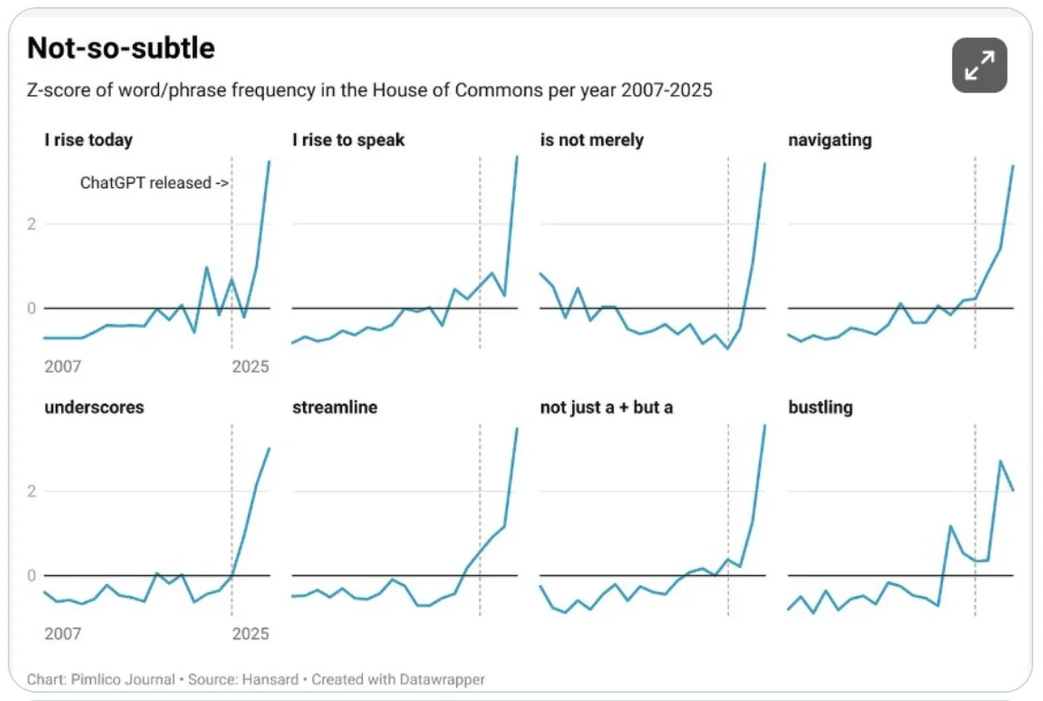
When dealing with real world data, it’s always a good idea to check how normal it is. If that assumption is grossly violated, you have to work a bit harder and use more robust methods.
When it’s reasonably close to normal, you can take all sorts of nice shortcuts like z-scores and t-tests. I haven’t looked into this case yet, but I assume they knew what they were doing.