[–] 1 point 1 year ago

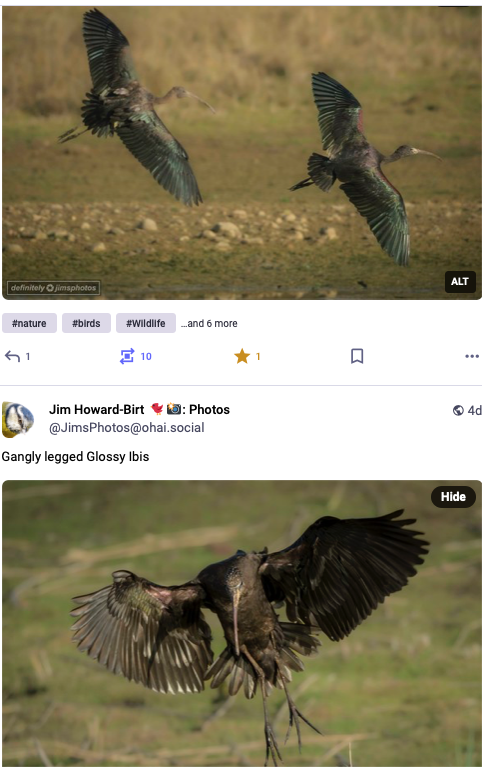
@JimsPhotos Wa-HO!!! Just a cotton-picking minute!! Hold it right there...This lower photo shows an apparent absence of tertiary wing feathers near the body!! Sometimes fossils are found of ancient dinobirds, with this apparent gap, and people say it's a feature not found on modern birds.But in flight, in the top photo, the tertiaries next to the body seems present!!!
None

  • source
  • [–] 1 point 1 year ago

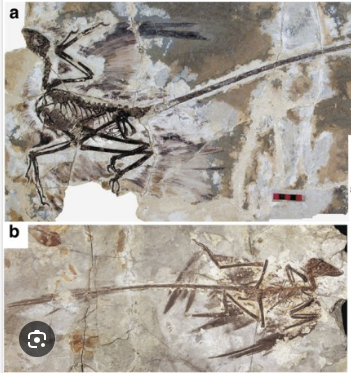
    @JimsPhotos Where long feathers are habitually used as props on a substrate e.g. ground or tree, the central spine tends to have less of the feather blade around it.E.g. treecreepers, woodpeckers, hawks etc that start eating before they've killed their prey (so, not falcons).And of course... Microraptor! Primaries on both front and hind-limbs brushed the ground (and the prey) while wrestling on the ground, and since both also generated thrust through flapping, the tips needed protection.

    None

  • source
  • [–] 1 point 1 year ago

    @archaeology I wasn't. It was because the Neands' homeland -Europe and western Asia- was repeatedly squeezed by ice-ages, but the Moderns' homeland -Africa- wasn't.We replaced them about 30k years ago but they'd held us largely at bay, despite everything, for over 170k years before that....during which time we'd VERY slowly been infiltrating our DNA into theirs.NO big single mutation or switch.

  • source
  • [–] 1 point 1 year ago

    @Swede1952 Check out the ruby-throated hummingbird's twin row of first feathers down its back in the box in the right half of the final image......and compare to the embryonic row of first dorsal plates on the tortoise......and remember all the twin rows of ornaments of all kinds on dinosaurs and their near relatives!They all tell the same story of their ancestry as gliders on dorsal plumes!

    None

    None

    None

  • source