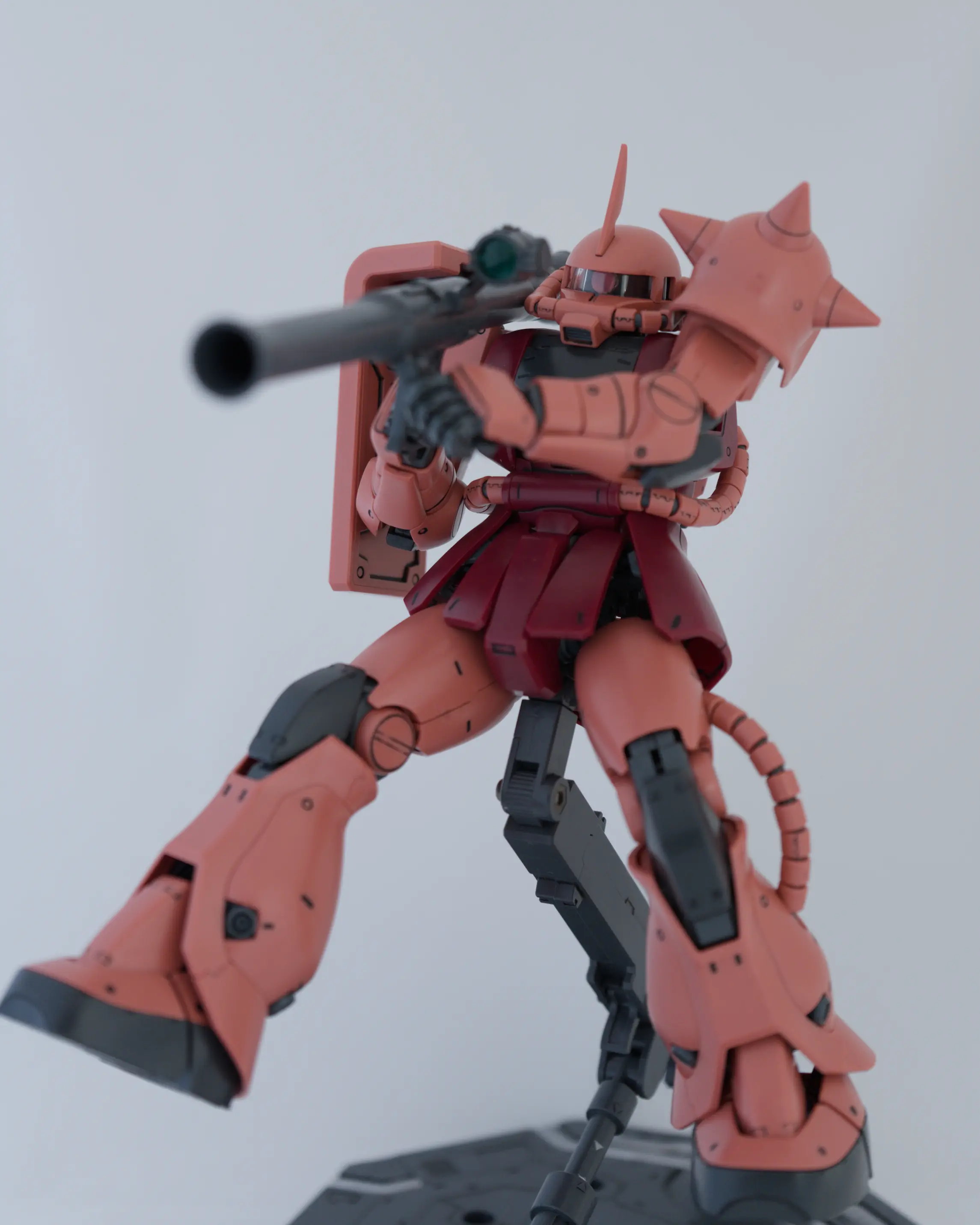
As much as this sounds like heresy, if you have a vaguely recent phone you may find that it does a better job for close-in stuff like this than a crusty old DSLR. Not better than a shiny new DLSR or mirrorless, probably, but compared to what you've got you'll probably be surprised. If you have an Android phone in particular you can use Open Camera which gives you a wide array of manual controls and options probably well above and beyond what your phone's stock camera app offers you, and it can also do bracketing — not just exposure but also focus bracketing. You may find this helpful.
Many of the advantages of a DLSR are moot and/or the disadvantages of a phone's camera mitigated, because you're taking a photo of a stationary subject all at the same distance in very controlled lighting conditions, and probably off of a tripod. So having a massive sensor with low light capability, a versatile array of interchangeable lenses for different situations, optical stabilization, etc. all really don't matter. Exposure consistency matters, and being able to get as many sharp pixels across your subject as possible.