Timelapse video of the abrasion and coring operation
comments
comment on
New sample in the tube! (Sol 2018)
comment on
New sample in the tube! (Sol 2018)
The NASA/ESA mission was cut, yes. China's Tianwen-3 is reportedly still on track, and Japan launched theirs this week, although that one is going to Phobos (Mars' first moon) instead. Nonetheless, if either mission succeeds, even partially, they leapfrog any Western-led Mars sample return by several years, at least.
comment on
New sample in the tube! (Sol 2018)
Have they figured out how that’ll happen yet?
Short answer: If "they" refers to NASA (and ESA) - no.
Long answer:
China has plans to launch their Mars Sample Return (MSR) mission, Tianwen-3, in 2028, though they won't be grabbing these samples from Perseverance, obviously (even the nearest proposed landing site is ~2000 km away). The samples would be returned in 2031.
Now I will gladly accept any samples from a known site on the Martian surface - even contaminated ones. However, we should all remember that the 30 core samples gathered by Perseverance (so far) have been chosen with great care, across 45+ km of roving and years of careful analysis, right there on the Martian ground. Their science value is already known to be off the charts, representing a variety of different environments and time periods in Martian history, and that includes the era where this region hosted the Neretva River watershed and Lake Jezero. This comprehensive slice of Martian history is not something that Tianwen-3 or any single-phase MSR mission will be able to match, I am certain, no matter how skilled (or lucky) the landing site selection may be.
Certain prominent figures in the United States (hint: they're not popular on Lemmy, or in the planetary science community) have hindered plans for a Western-led MSR. They seem to think that we can bypass the robotic sample return phase altogether, and simply launch a human crew to the surface. For reasons I won't get into here, I think it is highly unlikely that a first human landing on Mars would be able to return the sheer variety of high-value samples that Perseverance has gathered - certainly not with the landing sites that have been proposed so far.
I hope this was clear, happy to answer any related questions.
comment on
New sample in the tube! (Sol 2018)
No, and last I heard the budget for the sample return mission had been cut.
comment on
New sample in the tube! (Sol 2018)
I didn't realize there were returning to earth plans! Have they figured out how that'll happen yet?
comment on
New sample in the tube! (Sol 2018)
It safeguards the sample for return to Earth. Of course the tube will need to be sealed and delivered to the sample depot first, but at least we've finally managed to secure one, after the previous failed try.
comment on
New sample in the tube! (Sol 2018)
Yay! What does the tube do?
I kind of preferred the version without ads (posted earlier today), but I'll comment here to highlight this decent infographic from JPL:
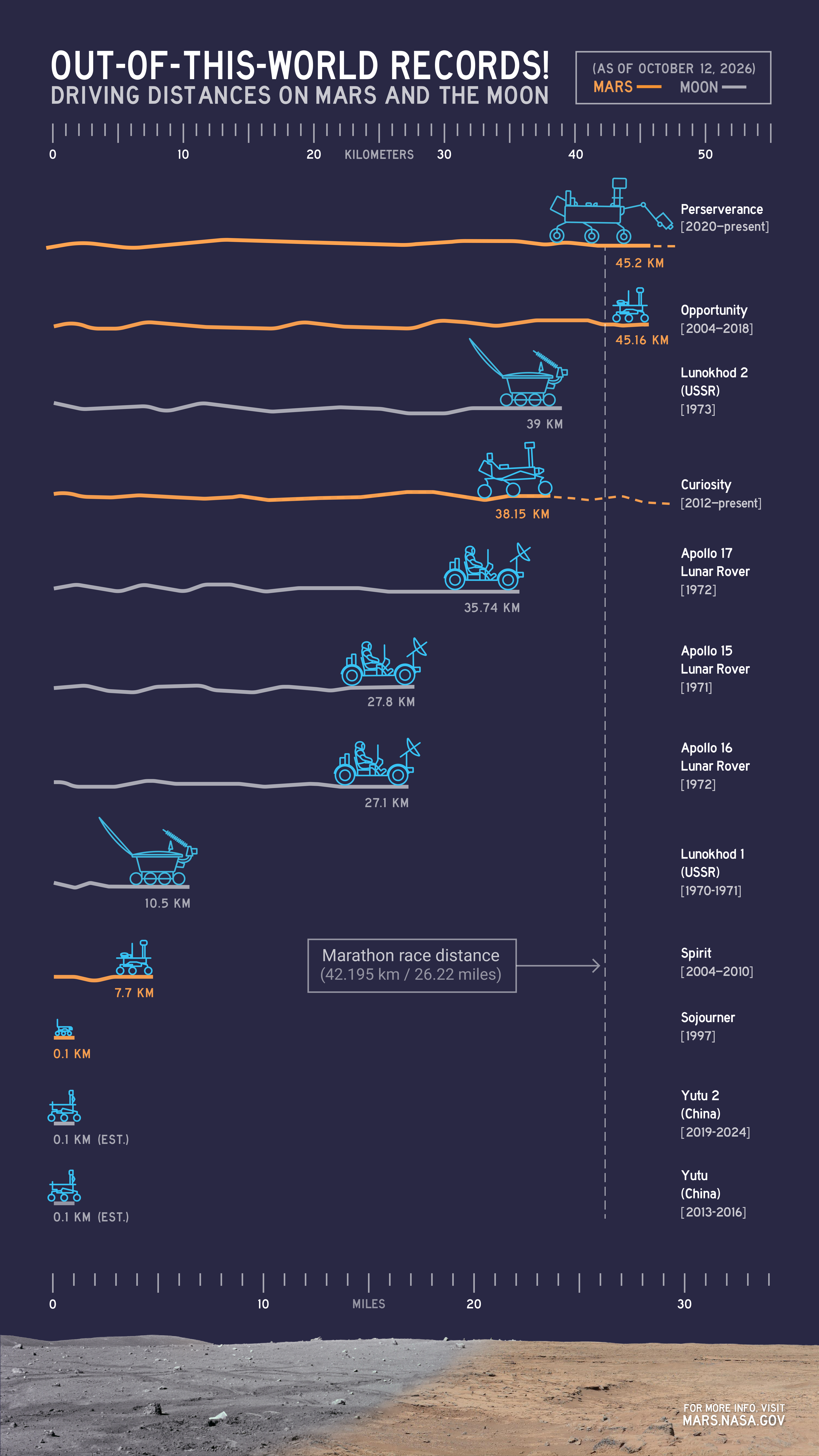
🏅🏅🥇🎖️🎉🥳👏🎊🍾🎖️🥇🏅🏅
Apologies in advance because my first impression of the object in the pic was that it resembles a urinal cake...
Looking around


Workspace

Map

Drive details

comment on
So what's up with this last bore
Oh, no, it was definitely interesting enough. This latest sampling attempt took place a good eight sols after the abrasion, and they were hitting this thing with the X-ray and LIBS (laser) instruments for more than five sols, all of that before they broke out the coring drill. By my count, only one rock at Lac de Charmes got anything quite like this kind of treatment (the Vingeanne target), and the only target in this entire mission that took hits from SuperCam for longer was this conglomerate (sedimentary) rock down on top of the delta, where they did end up sampling.
Yeah, they irradiated this rock like Curiosity taking potshots at cats.
comment on
So what's up with this last bore
are they abandoning any thought of retrieving it?
Long answer:
I could go on about this entire part of the mission for several posts, but suffice it to say that abandoning this sample is a matter for tears, not shrugs. Trust me on this. The backtracking required by Percy to reach this spot was incredible, possibly unprecedented in planetary exploration (the only comparable example I can recall came at the beginning of Curiosity's mission, but that was a lateral move and not a true backtrack).
The basic problem we have here is that most of these amazing "spotted white" rocks here are too small, and appear to be too rough, for similar coring attempts. Aside from this big one we've already tried, there aren't many solid-looking ones to choose from:

To be honest, I wasn't sure that abrading was going to work well in the first place, as I believed the rock would be pretty hard/tough, but I was pleasantly surprised by how clean and well-defined the abrasion patch was. Between that, and the huge and somewhat unusual number of photos and geochemical measurements they took here, I can assure you that the science team was highly interested in this material, which has never been seen by any rover before, certainly not before this mission.
I cannot emphasize enough how much of a "detour" this sample and the entire visit to this area has been. It was never part of the original plan for exploring this area (we're a fair bit northeast of the "Lac de Charmes" marker at the moment), which involved getting two samples down at Lac de Charmes - and those were supposed to be bedrock samples, not "float" rocks (clasts) like this one. To date, they didn't take a single one! And now, here they are, on this huge detour. I would gladly give up one of our six remaining empty tubes to get a sample here, no regrets, no matter what we find later. Exciting times!

comment on
So what's up with this last bore
They drove off today, did I miss it or are they abandoning any thought of retrieving it?
Short answer: yes, it appears they have given up on this particular sample. The rock simply didn't cooperate - its hardness is apparently such that it allowed the drill to penetrate, but prevented the detachment of the desired material within the drill! And there it remains within the borehole, intact and still connected to the rock.
comment on
So what's up with this last bore
Yes, that is very reasonable. I hadn't thought of it in that context. Thank you.
comment on
So what's up with this last bore
it can only keep 43 cores total and there are less than 10 slots left. Maybe after the abrasion and dust analysis they decided it wasn't interesting enough.
comment on
New abrasion patch (#62) - 1 Sep. 2026
Thanks I had no idea!
comment on
New abrasion patch (#62) - 1 Sep. 2026
I'm sensing jest here, but for those not in the know, the rover makes these patches with its Rock Abrasion Tool:
https://www.youtube.com/watch?v=INlSAGD01q8
The purpose of the abrasion is to grind awway the outer rind of material on the surface of the rock. We do that because that outer "skin" has been eroded by sand, wind and even moisture for up to billions of years. Geologists would like to see the fresh, untouched interior of the rock, so Percy abrades the outer few millimetres. In the case of this abrasion, we got a truly glorious result in doing so.
I need to write up a FAQ for the whole process and science of abrasions that this rover makes, but I'm a little delayed right now by all the amazing stuff this mission keeps throwing at us...
comment on
New abrasion patch (#62) - 1 Sep. 2026
It's so weird how they keep finding these perfectly shaped circles all over mars
comment on
Sol 1962: Percy drives West
I’m still amazed that these are shots of another planet.
More images added to the comments :)
comment on
Sol 1962: Percy drives West
Image credits: NASA/JPL-Caltech
comment on
Sol 1962: Percy drives West
No matter how many times I look at it, I'm still amazed that these are shots of another planet.
view more:
next ›