Interesting read. Probably accessible to people who are new to systems thinking! A lot of it defines stuff I learned in one of my first systems thinking classes, and just applies it.
comments
Economic bubble booming and busting:
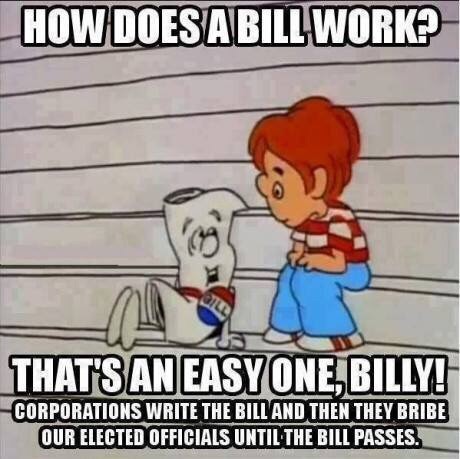
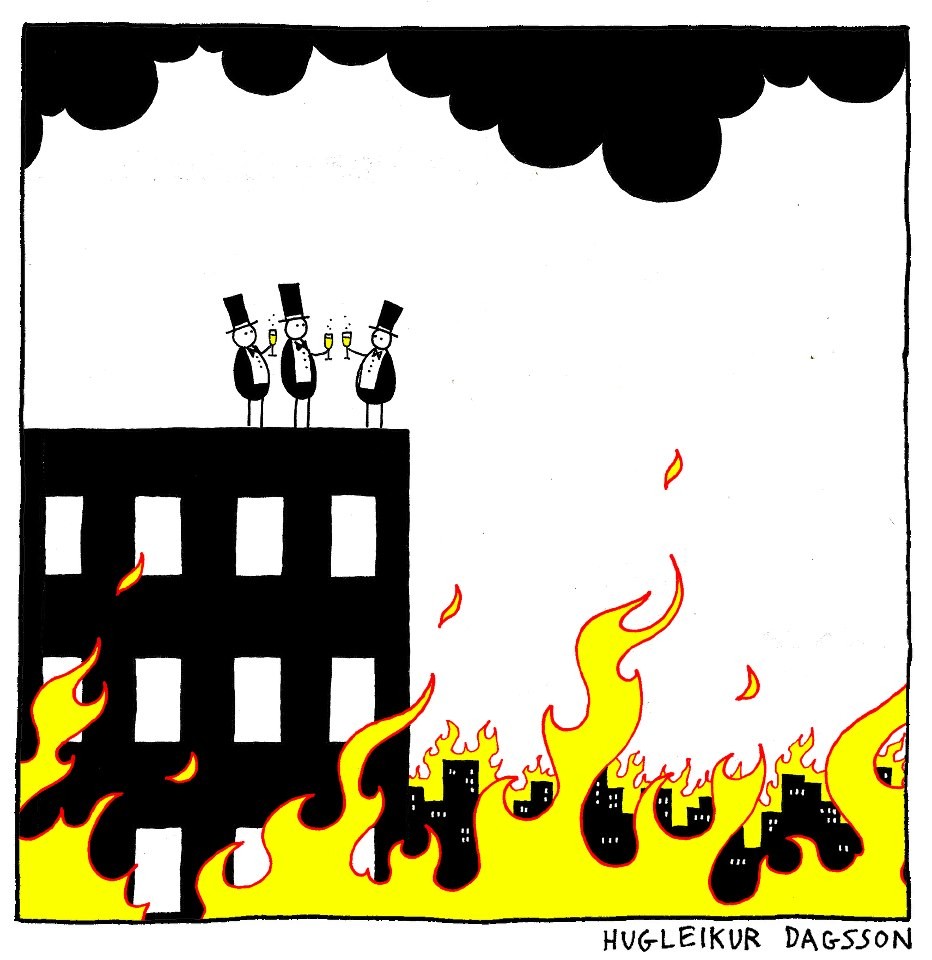
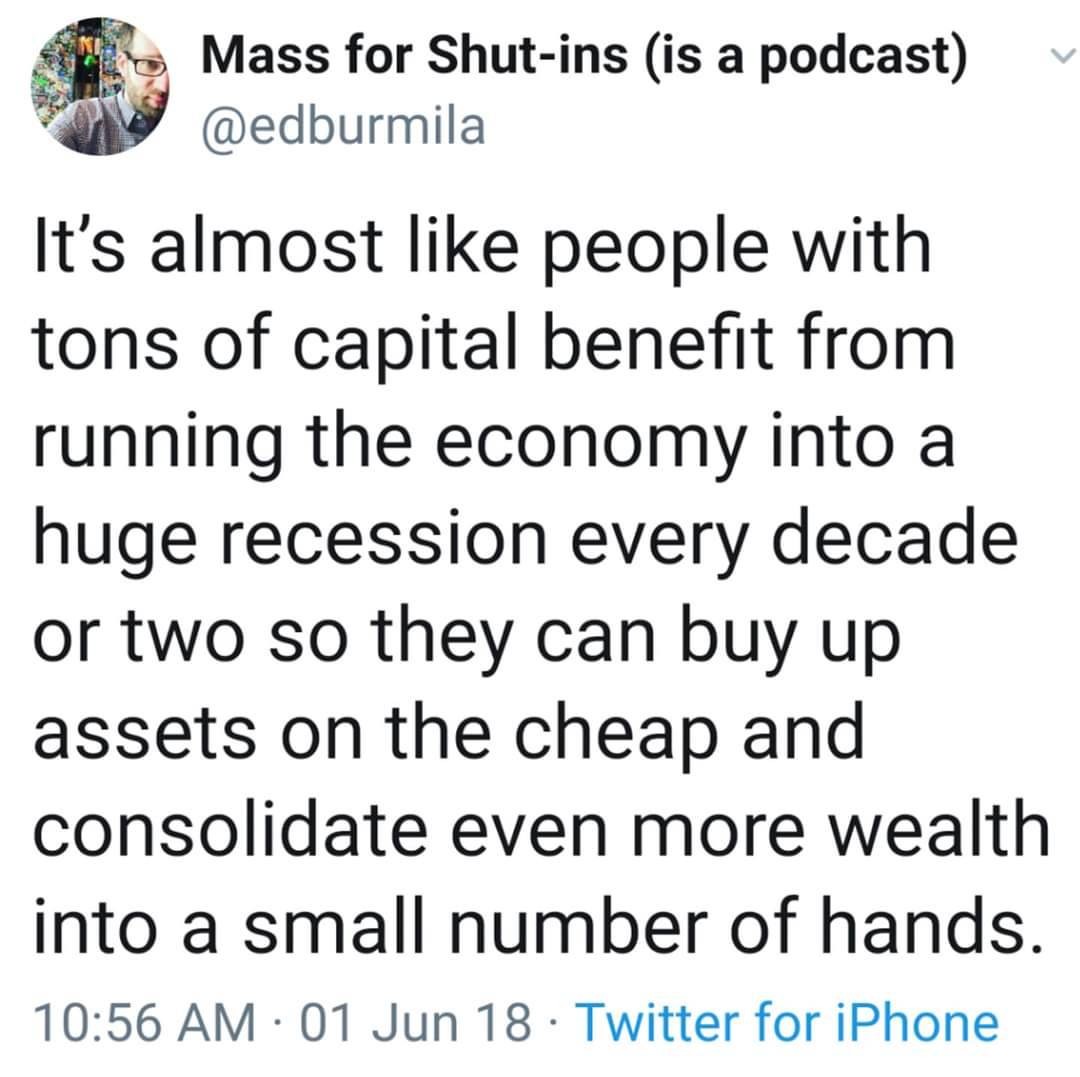
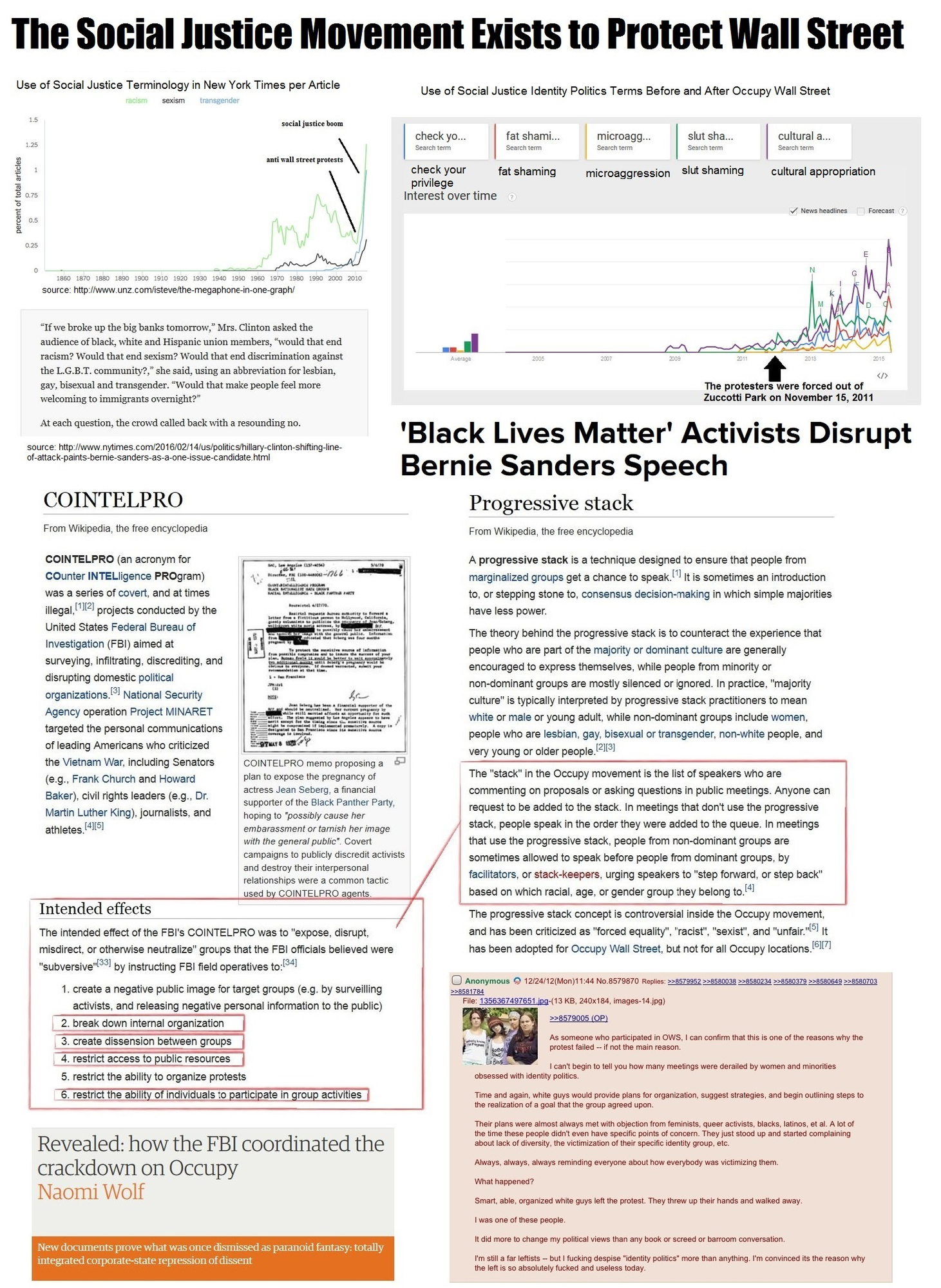
Identity politics:


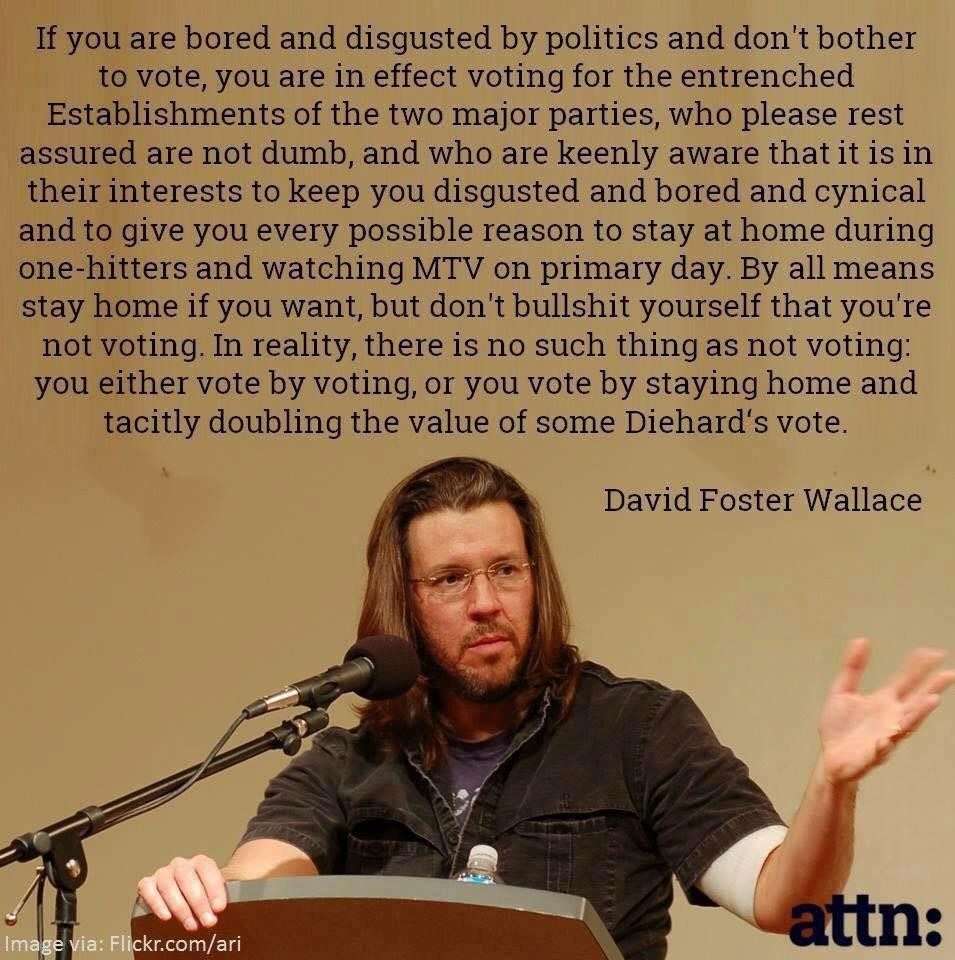
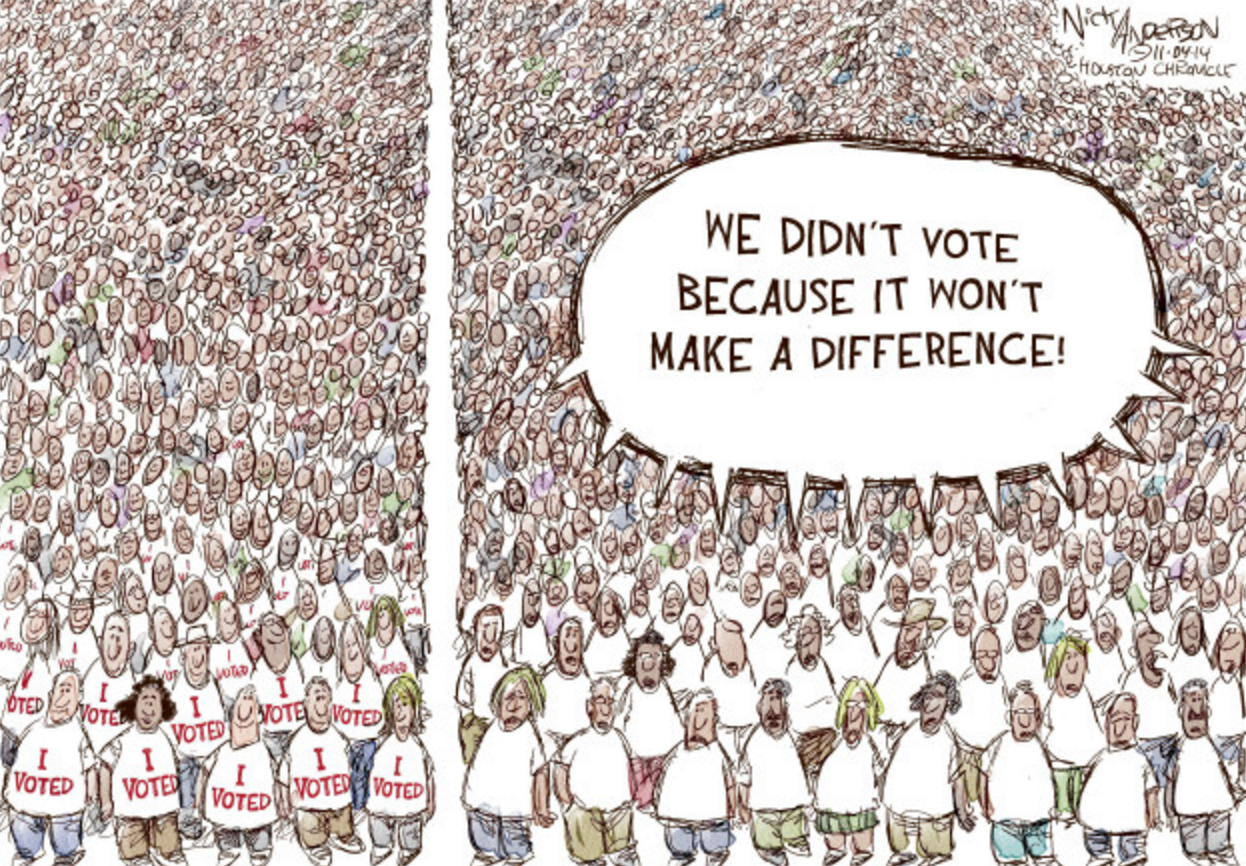
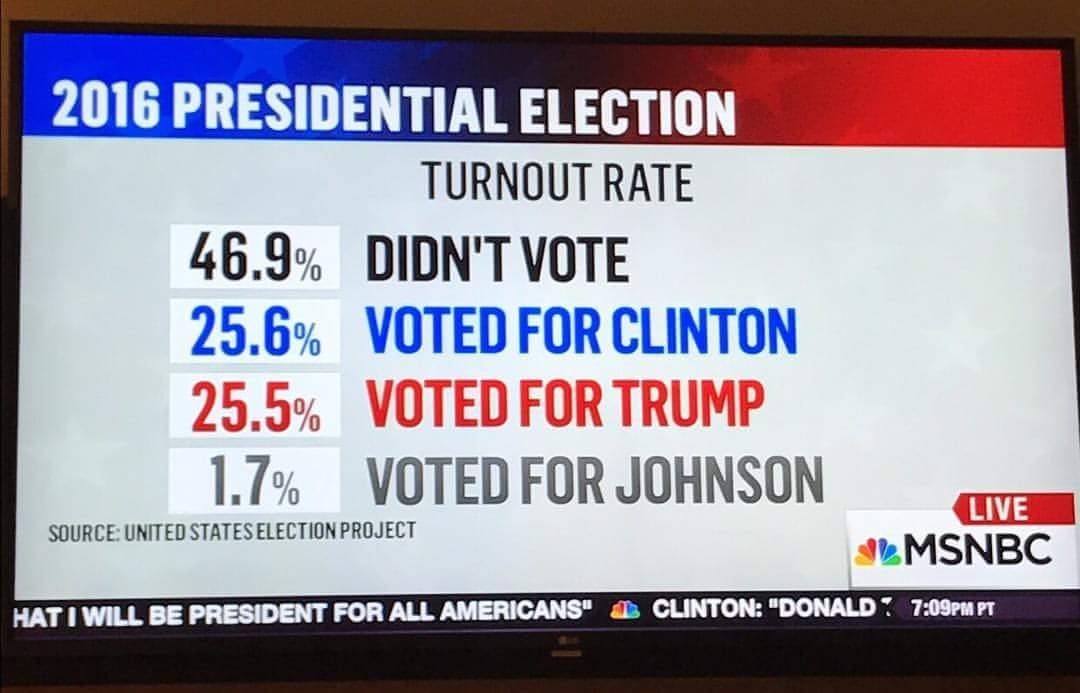
FPTP voting system enabling ruling parties to cement their position with ragebait and fearmongering:

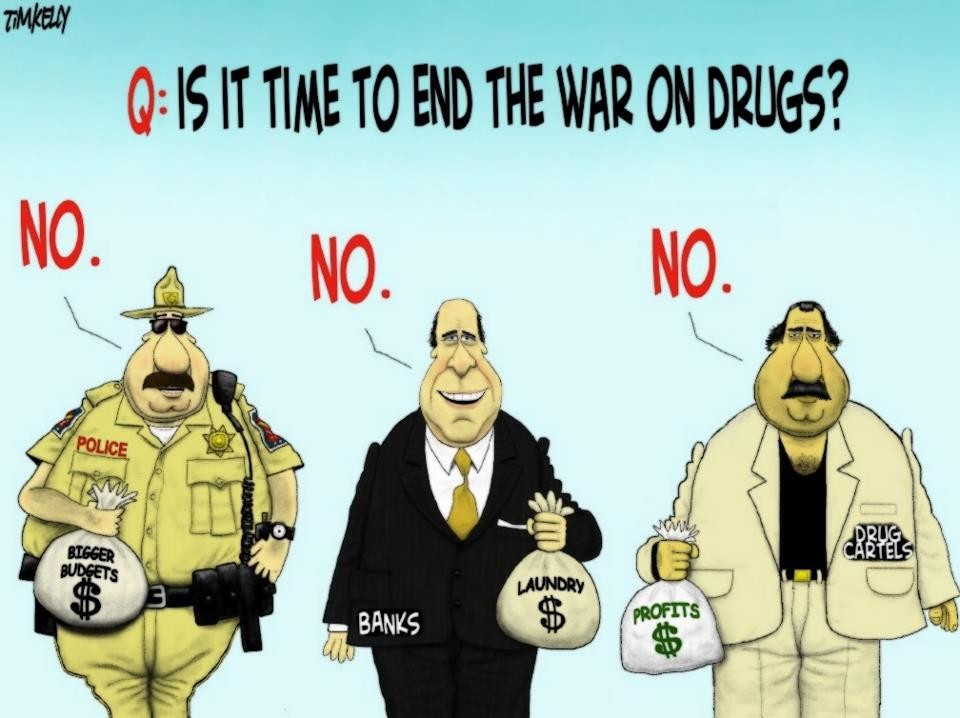
War on drugs:


Thank you for your comment.
What I perceive and what the other person perceives are fundamentally different. Given that, the question is what we should do to establish a mechanism for finding common ground.
It seems my explanation left room for multiple interpretations, which actually ended up highlighting that very shortcoming…
This seems more like over complication than complexity. The first set of instructions isn't adding information, it's using less standard information, which makes it inherently harder (you're already looking out for intersections when driving, you're not looking for roof colours or vending machines).
What's the "system" you're trying to think about here?
"too much cognitive load, didn't remember" vs "too vague, got confused" is always a hard balance to walk
Quality vs quantity
comment on
Red Queen hypothesis - Wikipedia
From the article:
Van Valen named the hypothesis "Red Queen" because under his hypothesis, species have to "run" or evolve in order to stay in the same place, or else go extinct. As the Red Queen said to Alice in Lewis Carroll's Through the Looking-Glass in her explanation of the nature of Looking-Glass Land:
Now, here, you see, it takes all the running you can do, to keep in the same place.
comment on
Complexity economics - Wikipedia
I guess new system, but a lot of the same behavior as the old one. As in end of U.S. federal government, end of or at least greatly reduced power for traditionalist oligarchs, and whatever the former U.S. looks like as officially just a confederacy/network of techno fascist territories.
Main difference seems to be no federal reserve and the claim that crypto based economies would decentralize banking in the future controlled by the new technology centric oligarchs. But it seems like it will just be decentralized the same way control of each territory.
It's not a federal government, but most resources are privately held and wealth will remain in the hands of whatever corporation or oligarch controls that particular territory. Didn't Theil or Yarvin call them something like techno monarchies?
So what keeps the next line of humans or machines from taking advantage of the societal turmoil caused by the greed of the new oligarchs, and attempting a new butterfly revolution?
comment on
Complexity economics - Wikipedia
What do you mean by "new cycle"?
comment on
Complexity economics - Wikipedia
I think accelerationism had more or less already succeeded…
We're not quite to the point of a complete breakdown of the federal government, and full privatization of government within a confederacy/network of technofascist territories.
There also seems to be some tension continuing to build between the more traditional oligarchs who became wealthy via control and influence over the federal reserve, and a push towards crypto based economy.
I guess if one individual owns the majority of wealth, and helps creates high levels of unemployment by hyping up one of the dumbest propaganda campaigns in history (which, to his/their credit, people tripped over themselves to get in on the ground floor), it leaves the federal reserve no choice but to print more money so that a trillion dollars becomes slightly less significant than it was before.
Printing money while unemployment is up and most people can't make ends meet, seems to be a one way train ticket off the edge of a cliff if your goal is to retain some semblance of a federal government.
Maybe the fed reserve could at least start injecting that money directly back into society by just giving it to communities and access to healthcare, or even just providing a basic income so people can keep up with inflation, instead of waiting for it to never trickle down from the people who are hoarding it.... So yeah that's never going to happen.
What I'm trying to understand though, is the long term logic (if it exists) of carrying the tradition of wealth hoarding over into a new cycle? What keeps a new oligarchy from eventually forming and taking over the broligarchy, just like the broligarchy took over the traditional oligarchy? Just the belief that the level of control and surveillance in the new technofascist system won't allow for it?
comment on
Complexity economics - Wikipedia
I mean, the latter is basically the fascist playbook, no? I think accelerationism had more or less already succeeded..
comment on
Complexity economics - Wikipedia
I've been assuming he (and other accelerationists) are trying to collapse the U.S. government and economy in the hopes of replacing it with something like a technofeudalist network state.
But this kind of makes me wonder if maybe the goal is to just keep the economy in a perpetual state of crisis rather than replacing it with something new
comment on
Complexity economics - Wikipedia
I doubt musk would have received any complexity economics as part of his degree... It's not usually taught in mainstream courses.
Can you explain more what you think he might be trying to do though?
comment on
Complexity economics - Wikipedia
Ended up here bc I was actually just wondering why somebody like worlds recent first trillionaire Elon Musk would not worry about wealth hoarding and system collapse given his degree in economics. Even if the goal is to collapse the current system and create a new one, wouldn't he still need to worry about that one collapsing.
Specifically, I wondered if he might be operating under the assumption of some kind of special boy loophole... After reading this it does appear the answer is yes, he may be trying to create the exact conditions necessary for a special boy loophole...
While it does not reject the existence of an equilibrium, it features a non-equilibrium approach and sees such equilibria as a special case and as an emergent property resulting from complex interactions between economic agents
non-equilibrium economics focuses on the dynamics of economic systems in states of flux, where imbalances, frictions, and external shocks can lead to persistent deviations from equilibrium or to multiple equilibria. This approach is used to study phenomena such as market crashes, economic crises, and the effects of policy interventions. By using approaches from complex systems, behavioral economics, and non-linear dynamics, out-of-equilibrium economics emphasizes the importance of time, uncertainty, bounded rationality and the role of institutions in shaping economic outcomes.